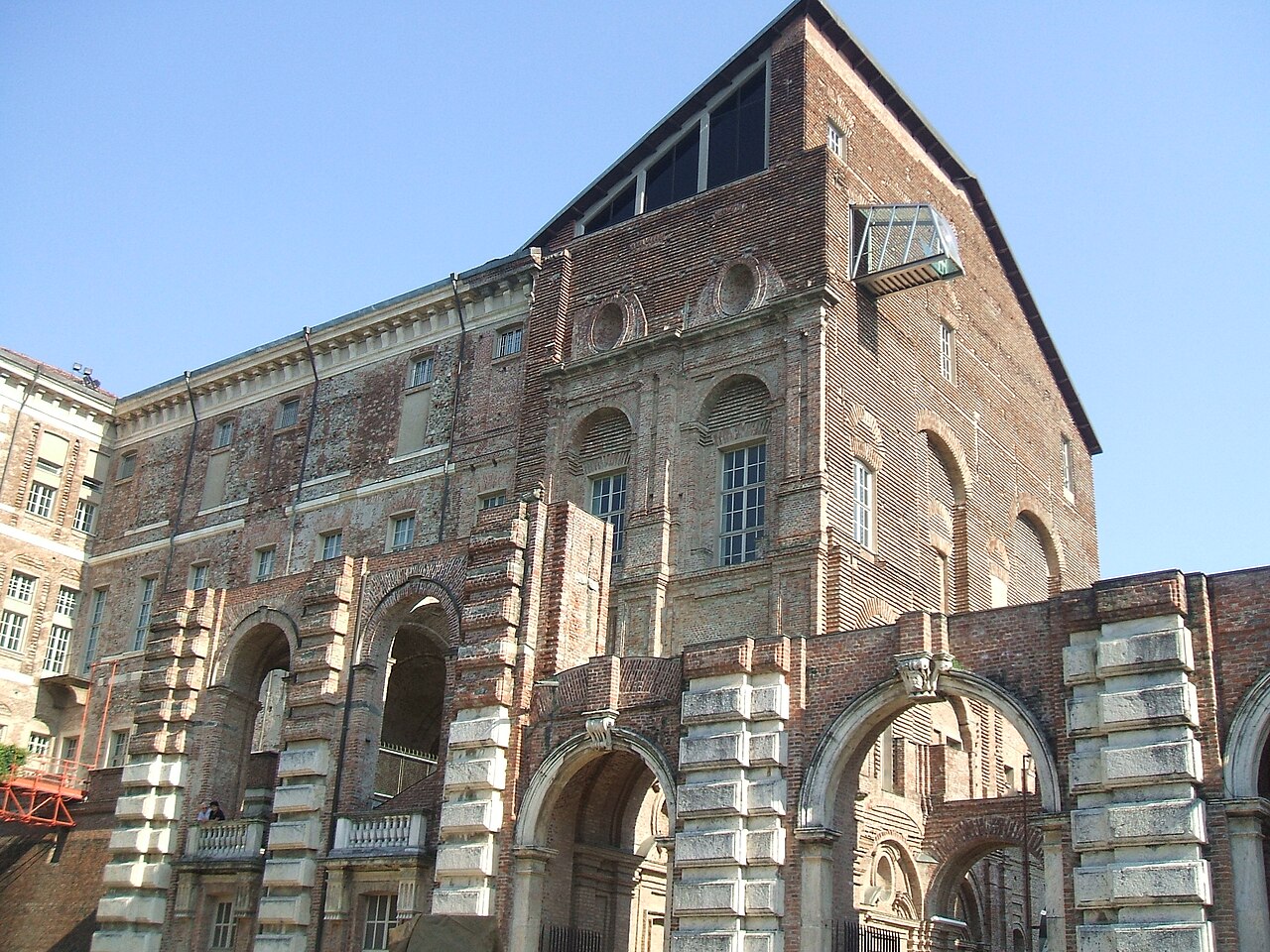
Rivalta di Torino Castle
Rivalta di Torino Castle stands as a significant medieval fortress in northern Italy, embodying centuries of history and architectural evolution. Originating around the 11th century, this castle was central to the development of the town of Rivalta di Torino. Its strategic location along the Val Sangone valley made it a key stronghold for controlling trade routes and regional power.
The castle’s history is deeply intertwined with the Orsini family, a noble lineage that maintained ownership for several centuries until the early 19th century. The castle’s imposing stone structure and defensive features reflect its medieval military purpose, while later modifications showcase adaptations to changing political and social needs.
Early origins and medieval fortification
The earliest records of the Rivalta area date to 1016, when Oddone, son of Marquis Manfredo, made a feudal donation to a religious community in Torino. The castle itself is first mentioned in documents from 1029, linked to a donation by Marquis Olderico and his wife Berta to a monastery they founded. By the mid-11th century, the site, then known as Ripalta, had developed into a fortified complex featuring a central tower, defensive walls, multiple towers, a moat, and a water channel.
This fortification was part of the broader phenomenon of incastellamento in northern Italy, a response to invasions by Hungarians and Saracens. The castle’s early design emphasized protection and control, with its moat and walls forming a strong defensive perimeter.
Strategic importance and noble control
During the 12th and 13th centuries, Rivalta di Torino Castle played a pivotal role in regional politics. It passed through the hands of noble families connected to the Arduinici dynasty and later the powerful House of Savoy. The lords of Rivalta exercised control over tolls along the road from Avigliana to Torino, leveraging the castle’s position to assert influence across the Val Sangone valley.
The castle’s lords expanded their dominion to include neighboring strongholds such as Reano and Trana, increasing their regional presence. This period was marked by military conflicts and sieges, including destruction by Emperor Frederick Barbarossa in 1176 and damage during wars involving the Bishop of Turin in 1195. The castle also suffered destruction under Emperor Henry VI, necessitating significant rebuilding.
Reconstruction and architectural enhancements
After its destruction, the castle was rebuilt following 1229, restoring its defensive and residential functions. A major architectural development occurred in the mid-14th century with the addition of a ricetto, a fortified enclosure surrounding the castle. This expansion included enclosing walls and three main gates, each guarded by inward-facing towers designed to regulate access and strengthen defense.
The ricetto served as a refuge for local inhabitants during times of unrest, reflecting the castle’s continued importance as a military and community stronghold. The design of the gates and walls showcased advanced medieval defensive strategies, emphasizing control of entry points and protection against sieges.
Defensive features and layout
The castle’s layout is typical of a high medieval hill castle, constructed primarily of stone with a robust defensive plan. The original moat, now dried, once provided a significant obstacle to attackers. Access was controlled via a drawbridge, later replaced by a stone bridge, leading to a fortified entrance door set within a battlemented tower.
This tower, with its crenellations and arrow slits, was integral to the castle’s defense, allowing defenders to monitor and repel assailants effectively. The surrounding walls and towers formed a cohesive system designed to protect the castle’s inhabitants and assets.
Ownership transitions and restoration efforts
The castle remained under the Orsini family’s control until 1823, when Gioacchino Orsini sold it to Count Cesare Della Chiesa of Benevello. Della Chiesa initiated restoration projects and created a surrounding park, enhancing the castle’s residential appeal. This park remained until its removal in the early 1950s.
Subsequent owners included the Solaro del Borgo family and Secondo Martino, who acquired the castle in 1912. Martino restored many medieval features, including the central courtyard and several salons decorated in the Empire style, characterized by coffered ceilings and refined ornamental details. These restorations blended medieval architecture with 19th and early 20th-century aesthetics.
In the 20th century, the castle’s grounds and interiors underwent further modifications to accommodate modern needs. After decades under the Pogliano family, the castle eventually came under municipal ownership, ensuring its preservation and public accessibility.
Architectural significance and current condition
Today, Rivalta di Torino Castle stands as a well-preserved medieval fortress that offers insight into the region’s feudal history and architectural evolution. Its stone walls, battlemented towers, fortified gates, and ricetto enclosure remain largely intact, showcasing the defensive ingenuity of the high medieval period.
The castle’s internal courtyard and restored salons reflect the layered history of renovations and changing tastes over centuries. Although the original moat has dried, the castle’s imposing presence and structural features continue to dominate the surrounding landscape.
Rivalta di Torino Castle is a valuable cultural and historical landmark, illustrating the complex interplay of military strategy, noble power, and architectural development in medieval Italy. Its preservation allows visitors and scholars to explore the legacy of the Orsini family and the broader historical context of northern Italian fortifications.
Frequently asked questions (FAQ)
- What is the historical significance of Rivalta di Torino Castle?
- Rivalta di Torino Castle, with origins dating back to the 10th century, is a vital example of medieval architecture in Italy. It served as a strategic fortress and residence for the noble families of the region, reflecting the rich history of rivalry and power struggles in the area.
- When was Rivalta di Torino Castle built?
- The castle was originally constructed in the 10th century, though it underwent significant renovations and expansions in the following centuries. Its architectural style showcases elements from the medieval period, with later influences that highlight its evolution over time.
- Can I visit Rivalta di Torino Castle year-round?
- Yes, Rivalta di Torino Castle is open to visitors throughout the year, although specific opening hours may vary by season. It is advisable to check the castle's official website or contact the visitor center for the most accurate information before planning your visit.
- What are the opening hours for Rivalta di Torino Castle?
- The castle typically opens to the public from Tuesday to Sunday, with hours ranging from 10 AM to 6 PM. However, these hours may change during holidays or special events, so it's best to confirm before your visit.
- Is it possible to take guided tours of Rivalta di Torino Castle?
- Yes, guided tours are available and offer an insightful experience into the castle's history and architecture. These tours are led by knowledgeable guides who provide detailed information about the castle's significance and its various rooms.
- What is the best time to visit Rivalta di Torino Castle?
- The best time to visit is during the spring and early autumn months when the weather is mild, and the gardens surrounding the castle are in full bloom. Additionally, these seasons tend to attract fewer tourists, allowing for a more leisurely experience.
- Are there any nearby attractions to visit while at Rivalta di Torino Castle?
- Yes, nearby attractions include the picturesque town of Rivalta di Torino, where you can explore local shops and cafes. Additionally, the beautiful natural landscapes and hiking paths around the area make for a great outdoor experience.
- What are the ticket prices for visiting Rivalta di Torino Castle?
- Ticket prices for Rivalta di Torino Castle are generally affordable, with discounts available for students and seniors. It is recommended to check the official website for the latest pricing information and any special promotions.
- How do I get to Rivalta di Torino Castle?
- Rivalta di Torino Castle is easily accessible by public transportation, including buses and trains from nearby cities. For those driving, there is ample parking available near the castle, making it convenient for visitors traveling by car.
Information
Loading map...
Visitor reviews
No reviews yet. Been here? Write the first review and help other travelers!
Write the first reviewVisited this castle? Share your experience
Your review helps other travelers and adds first-hand knowledge to our encyclopedia.