Ripley Castle
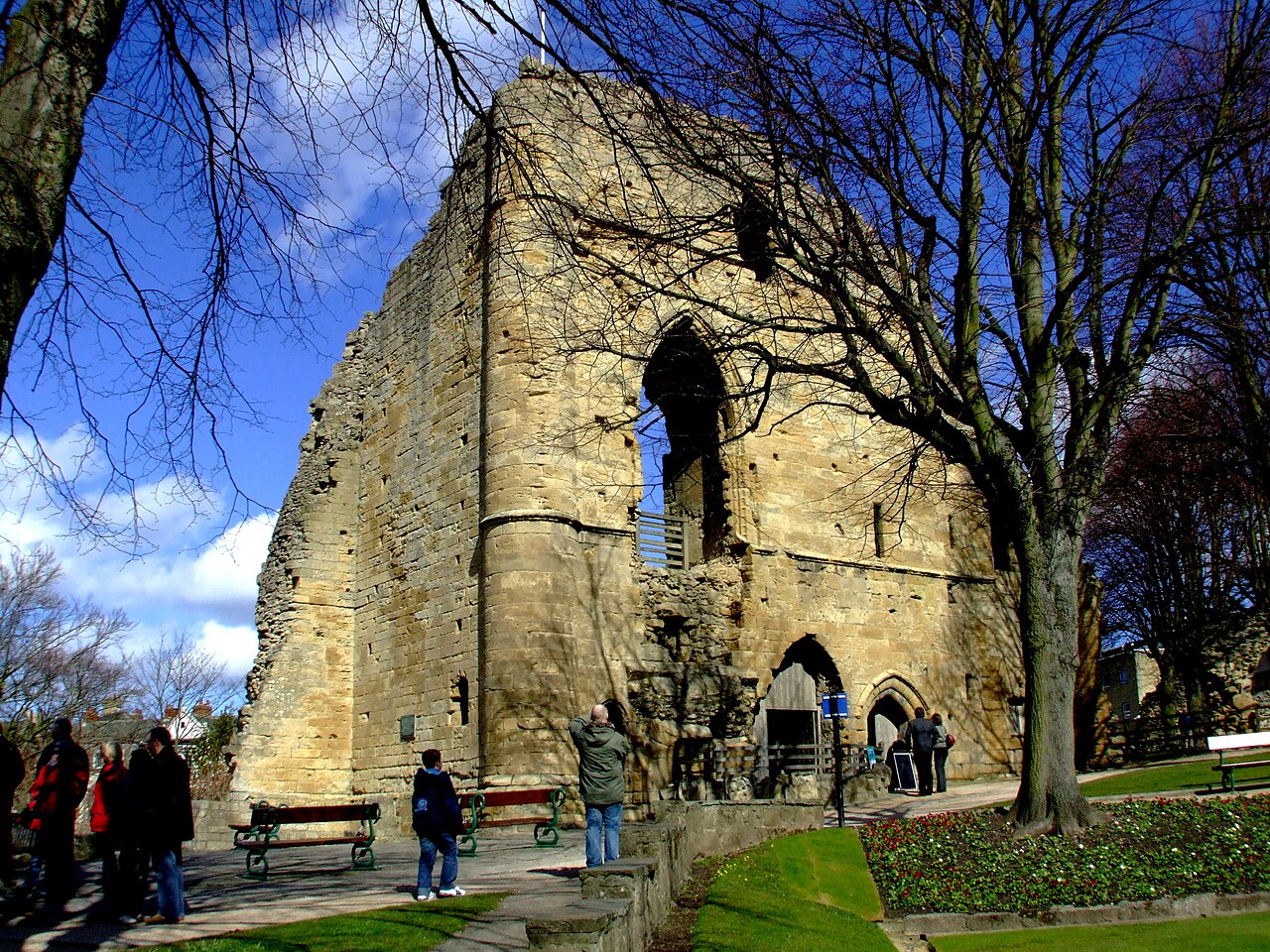
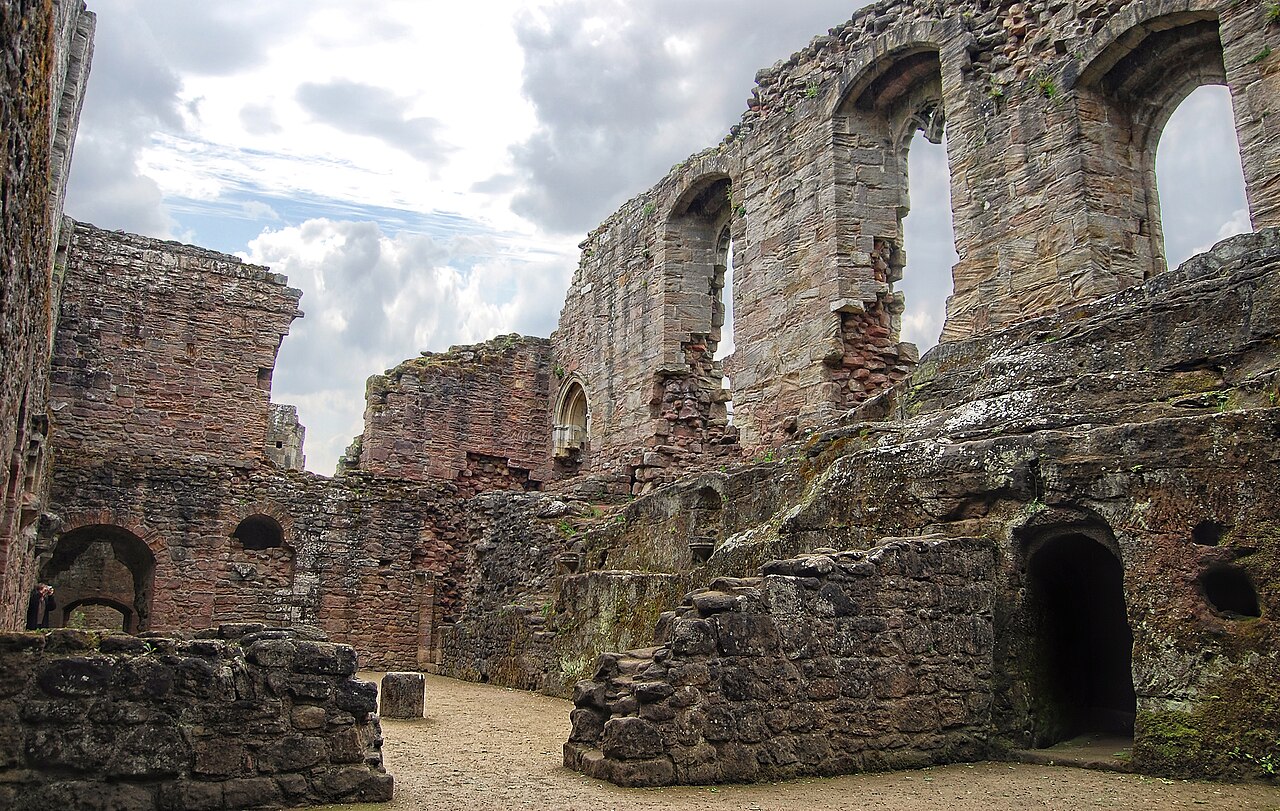
Ripley Castle stands as a remarkable example of medieval English hill castle architecture, located in the historic market town of Ripley, Harrogate, England. Established in the 14th century, this castle has been the ancestral seat of the Ingilby family for over six centuries, making it one of the longest-held family estates in the United Kingdom. The castle's enduring legacy is deeply intertwined with significant historical events, architectural evolution, and the social history of northern England.
Founding and early history of ripley castle
The origins of Ripley Castle trace back to the early 1300s when the estate came into the possession of the Ingilby family through the marriage of Sir Thomas Ingleby around 1308 or 1309. Sir Thomas, active between 1310 and 1369, is celebrated in local lore for his heroic act of saving the king from a wild boar, an event that earned him knighthood. This period marked the establishment of the castle as a fortified manor house, reflecting the defensive needs and social status of a noble family during the High Medieval period.
Architectural development and expansions
Throughout the 16th century, Ripley Castle underwent significant architectural changes. Sir William Ingleby (1518–1578), who served as High Sheriff of Yorkshire, expanded the castle notably by adding a tower in 1548. This addition exemplifies the transitional architectural style of the Tudor era, blending defensive features with more comfortable residential accommodations. The castle's construction primarily utilizes coursed squared gritstone and ashlar stonework, with roofs covered in natural grey and stone slate, materials characteristic of the region and period.
Medieval features and later additions
The castle's core includes a central two-storey block, flanked by a square tower on one side and a three-storey wing on the other, illustrating the layered architectural development over centuries. A prominent gatehouse located approximately 80 meters south of the main building is a Grade I listed structure, symbolizing both security and the estate's prestige. The castle grounds also feature two Grade II listed weirs across Ripley Beck, connected by historic bridges, highlighting the estate's relationship with its natural watercourse and land management practices.
Historical significance and notable events
Ripley Castle's history is closely linked to major political and social events in England. During the early 17th century, conspirators involved in the Gunpowder Plot of 1605 sought refuge at the castle. Sir William Ingleby (1546–1618) was arrested on suspicion of treason related to this conspiracy but was ultimately acquitted. The castle also played a role during the English Civil War, when Sir William Ingleby (1594–1652), a staunch royalist, was created a baronet in 1642. He fought at the Battle of Marston Moor in 1644 and reportedly hid in a secret priest hole within the castle when Oliver Cromwell's forces occupied the site, underscoring the castle's function as a royalist stronghold.
Later ownership and restoration efforts
The baronetcy associated with Ripley Castle lapsed in 1772 but was revived in 1781 for John Ingleby (1758–1815). John undertook a substantial rebuilding of the castle between 1783 and 1786 under the guidance of architect William Belwood, modernizing the estate while respecting its historic fabric. Financial difficulties forced John to flee abroad by 1794, and ownership later passed to William Amcotts-Ingilby (1783–1854), who is noted for reconstructing the village of Ripley and serving as both Member of Parliament and High Sheriff.
The baronetcy was revived again in 1866 for Henry John Ingilby, and the estate remains in the family to this day. The current custodian, Sir Thomas Colvin William Ingilby, 6th Baronet, oversees the estate, which has benefited from significant government restoration funding in recent years. In 2024, plans were announced to place the castle and its estate on the market, marking a new chapter in its long history.
Architectural and landscape features
Ripley Castle is a striking example of medieval and later English country house architecture. The main building's use of coursed squared gritstone and ashlar stonework, combined with natural grey slate roofs, gives the castle its distinctive appearance. The estate's layout includes an outer courtyard to the east of the castle, historically used for storage, stabling animals, and outbuildings. Today, this courtyard contains residential buildings, illustrating adaptive reuse within the estate.
Within the castle complex are notable features such as a 15th-century chapel and a watchtower built under the direction of Sir John Ingleby. These structures emphasize the castle's fortified and religious roles during the late medieval period. The Grade I listed gatehouse stands as a testament to the castle's defensive and symbolic functions.
The surrounding landscape includes two Grade II listed weirs on Ripley Beck, connected by historic bridges, underscoring the estate's integration with its natural environment and historic land management.
Conservation and heritage status
Ripley Castle and its gatehouse both enjoy Grade I listed status, reflecting their exceptional architectural and historic importance in England. The associated landscape features, including the dams and bridges, are protected as Grade II listed heritage assets. This high level of protection ensures the preservation of the castle's fabric and the surrounding estate, maintaining its status as a significant cultural and historical landmark.
Today, Ripley Castle remains a vital link to England's medieval past and the continuing story of the Ingilby family. Its well-preserved structures, historic associations, and picturesque setting make it a valuable site for heritage tourism, architectural study, and cultural appreciation.
Frequently asked questions (FAQ)
- How do I get to Ripley Castle?
- Ripley Castle is located in the picturesque village of Ripley, just a short drive from Harrogate in North Yorkshire. You can reach the castle by car, and there is ample parking available on-site. Public transport options include local buses that connect to Harrogate, making it accessible for visitors without a vehicle.
- What is the historical significance of Ripley Castle?
- Ripley Castle has a rich history dating back to the 14th century and has been the home of the Ingilby family for over 700 years. The castle is notable for its beautiful gardens and its role in various historical events, showcasing the evolution of English architecture and heritage. Visitors can learn about its storied past through guided tours and informative displays.
- When was Ripley Castle built?
- Ripley Castle was originally constructed in the late 14th century, with significant renovations and expansions occurring over the centuries. The current structure reflects various architectural styles, particularly from the Tudor and Victorian periods, providing a fascinating glimpse into the past. The castle’s long history makes it a captivating destination for history enthusiasts.
- Can I visit Ripley Castle year-round?
- Yes, Ripley Castle is open to visitors year-round, although specific opening hours may vary by season. It is advisable to check the official website or contact the castle directly for the most current visiting hours and any special openings that may occur during holidays. This ensures you plan your visit accordingly.
- Why is Ripley Castle considered an architectural gem?
- Ripley Castle is celebrated for its stunning architecture that combines medieval and Victorian elements, set against the backdrop of beautiful landscaped gardens. The castle features impressive stonework, intricate interiors, and historical furnishings, providing a unique insight into the lifestyle of its former inhabitants. Architectural tours highlight its design and craftsmanship, making it a must-see for architecture lovers.
- Is it possible to host events at Ripley Castle?
- Yes, Ripley Castle offers a range of event spaces that can accommodate weddings, corporate events, and private functions. The castle provides a unique and historic setting, complete with beautiful gardens and elegant interiors. For inquiries regarding bookings and availability, it is recommended to contact the castle's event management team directly.
- What are the ticket prices for Ripley Castle?
- Ticket prices for Ripley Castle vary based on the type of visit, such as guided tours or garden access. Discounts may be available for children, seniors, and families, making it an affordable outing for all ages. For detailed pricing information, please visit the official Ripley Castle website.
- What are the best times to visit Ripley Castle?
- The best times to visit Ripley Castle are during the spring and summer months when the gardens are in full bloom, offering a stunning display of colors. Additionally, the castle hosts various events and activities during these seasons, enhancing the visitor experience. However, autumn can also be a lovely time to visit for those who appreciate the changing foliage.
- Are there any nearby attractions to visit along with Ripley Castle?
- Yes, there are several nearby attractions to explore, including the charming village of Ripley itself, known for its quaint shops and cafes. The historic town of Harrogate, famous for its spa and gardens, is just a short drive away, offering more cultural and recreational opportunities. Additionally, the stunning Yorkshire Dales National Park is within easy reach for those looking to enjoy the outdoors.
Information
Website
Visit websiteSources & official resources
Verify the information above using these authoritative references.
Loading map...
Visitor reviews
No reviews yet. Been here? Write the first review and help other travelers!
Write the first reviewVisited this castle? Share your experience
Your review helps other travelers and adds first-hand knowledge to our encyclopedia.