Ribeira Palace
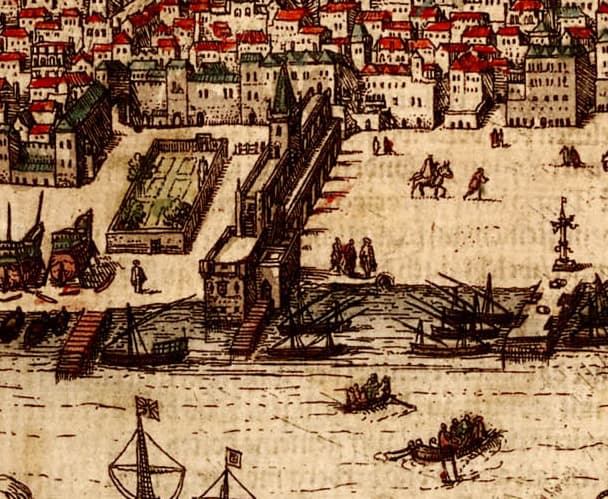
Ribeira Palace (Paço da Ribeira) served as the principal royal residence of the Kings of Portugal for approximately 250 years, located in the heart of Lisbon. Commissioned by King Manuel I in the early 16th century, the palace replaced the older Royal Alcáçova of São Jorge, deemed inadequate for the evolving needs of the Portuguese monarchy during the height of the Age of Discovery. The palace's original design reflected the distinctive Manueline architectural style, a rich Portuguese late Gothic style characterized by maritime motifs, intricate ornamentation, and symbolic elements celebrating Portugal's seafaring achievements.
Construction and architectural evolution
The initial construction of Ribeira Palace began in the early 16th century, around the reign of King Manuel I, marking a significant shift in royal residence design. The complex was expansive, incorporating multiple wings, courtyards, and grand halls, designed to accommodate the royal family, their court, and administrative functions. Over the centuries, the palace underwent several reconstructions and stylistic modifications, evolving from its original Manueline roots to later adopt Mannerist and Baroque elements, reflecting changing tastes and the influence of European architectural trends.
The palace featured notable architectural elements such as fortified walls, grand portals, elaborate facades, and richly decorated interiors. Its location along the Tagus River allowed for impressive views and convenient access to maritime routes, underscoring Portugal's naval power and global explorations during the Renaissance.
Historical significance and royal use
As the royal residence, Ribeira Palace was the center of Portuguese political power and court life during a period when Portugal was a leading European maritime empire. The palace witnessed numerous significant events, including royal ceremonies, diplomatic receptions, and the administration of overseas territories. It was also the residence of several notable monarchs, including King Manuel I, King João III, and King José I.
The palace's role extended beyond a mere residence; it was a symbol of royal authority and Portugal's imperial ambitions. Its proximity to the river and the city center made it a focal point for both governance and cultural activities.
Destruction in the 1755 earthquake and aftermath
The 1755 Lisbon earthquake was a catastrophic event that devastated much of Lisbon, including Ribeira Palace. The earthquake, followed by fires and a tsunami, destroyed the palace completely, leaving only ruins. This disaster marked the end of the palace's function as a royal residence.
Following the destruction, King José I, who was deeply affected by the earthquake and developed claustrophobia, chose to live in a series of pavilions in the hills of Ajuda rather than rebuild the palace. This decision led to the palace site remaining undeveloped as a royal residence.
Legacy and current site
Today, the site of the former Ribeira Palace is occupied by the Praça do Comércio, one of Lisbon's largest and most important public squares. The square retains the popular name Terreiro do Paço, meaning "Palace Yard," a direct reference to the palace that once stood there.
The Praça do Comércio is a vibrant urban space, surrounded by neoclassical buildings and serving as a hub for commerce, tourism, and cultural events. Although the palace itself no longer exists, its historical significance remains embedded in the urban fabric and collective memory of Lisbon.
Archaeological remains and cultural importance
Archaeological excavations at the site have uncovered remnants of the palace's foundations and structural elements, offering insights into its original layout and construction techniques. These ruins are valuable for understanding the architectural evolution of royal residences in Portugal and the broader context of European palace architecture.
Ribeira Palace is recognized as a symbol of Portugal's golden era of exploration and monarchy. Its history reflects the country's rise as a maritime power and the cultural transformations that shaped Lisbon's urban landscape.
Frequently asked questions (FAQ)
- What is the historical significance of Ribeira Palace?
- Ribeira Palace, also known as Palácio da Ribeira, was the royal palace of Lisbon and served as the primary residence for Portuguese monarchs until the 1755 earthquake. Its rich history reflects the evolution of Portuguese architecture and royal life, making it a vital part of Portugal's cultural heritage.
- When was Ribeira Palace built?
- Construction of Ribeira Palace began in the late 15th century under King Manuel I and continued into the 16th century. The palace underwent various renovations and expansions until it was largely destroyed in the earthquake of 1755, which reshaped Lisbon's architectural landscape.
- What are the opening hours for Ribeira Palace?
- Ribeira Palace is typically open to visitors from 10:00 AM to 6:00 PM, with the last entry at 5:30 PM. However, these hours may vary seasonally or during special events, so it's recommended to check the official website before your visit.
- Can I purchase tickets in advance for Ribeira Palace?
- Yes, visitors can purchase tickets online in advance to avoid long queues at the entrance. This is especially recommended during peak tourist seasons when the palace can be quite busy.
- Is Ribeira Palace accessible for visitors with disabilities?
- Yes, Ribeira Palace is committed to providing accessibility for all visitors. The site includes ramps and designated pathways to ensure that those with mobility challenges can explore the palace and its grounds.
- What is the best time to visit Ribeira Palace?
- The best time to visit Ribeira Palace is during the spring and fall months when the weather is mild and tourist crowds are smaller. Early mornings or late afternoons on weekdays can also provide a more serene experience.
- Are there any nearby attractions to visit after Ribeira Palace?
- Absolutely! After visiting Ribeira Palace, you can explore the nearby São Jorge Castle, which offers stunning views of the city, or stroll through the historic Alfama district, known for its charming streets and local eateries. Both attractions provide a deeper insight into Lisbon's rich history.
- What are the ticket prices for Ribeira Palace?
- Ticket prices for Ribeira Palace vary, with discounts available for students and seniors. Typically, adult tickets are around €10, while children under a certain age may enter for free or at a reduced rate, making it accessible for families.
Photo gallery

Photo by Georg Braun and Franz Hogenberg•Public domain
Information
Loading map...
Visitor reviews
No reviews yet. Been here? Write the first review and help other travelers!
Write the first reviewVisited this castle? Share your experience
Your review helps other travelers and adds first-hand knowledge to our encyclopedia.