Requesens Castle
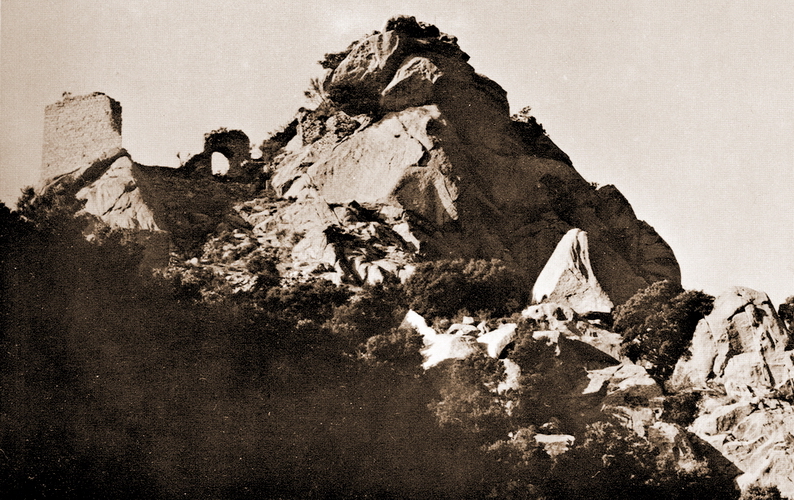
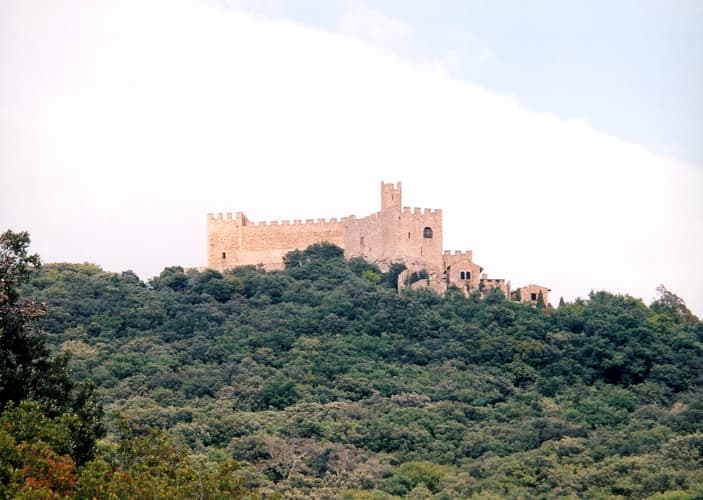
Requesens Castle is a remarkable medieval fortress nestled in the Sierra de l'Albera near La Jonquera in Catalunya, Spain. Perched at approximately 511 meters above sea level, this hill castle offers visitors a unique blend of historical significance, architectural grandeur, and natural beauty. The castle's strategic location on a hilltop overlooking the southern valleys of Mount Neulós provided a commanding view of the surrounding landscape, making it a crucial defensive stronghold during the High and Late Medieval periods.
Access to Requesens Castle requires a scenic one-hour uphill hike from the nearby town of Cantallops. The route is well-marked and traverses through lush forests of chestnut trees, cork oaks, oaks, and pines. Along the way, visitors encounter prehistoric dolmens such as those of Puig Rodó and Coll de Medas, underscoring the area's long history of human habitation. The path also crosses streams and the Font Rovellada, a unique iron-rich spring known for its distinctive taste. The return journey follows a different trail, creating a circular route that enriches the visitor experience with varied landscapes.
Historical context and significance
The castle's origins date back to the 11th century, during a turbulent era marked by territorial disputes between the counties of Roussillon and Empúries. Initially constructed by the Counts of Roussillon, Requesens Castle first appears in historical records between 1040 and 1071 in a grievance memorial by Count Ponç I of Empúries, who contested its construction on lands claimed by his county. This early conflict highlights the castle's strategic importance in the power struggles of the region.
Throughout the 12th century, the castle remained a focal point of regional conflicts. It was involved in the "war of Requesens" (1047-1072), during which Count Ponç II of Empúries captured the fortress. Subsequent agreements in 1075, 1085, and 1121 solidified the Counts of Roussillon's lordship over the castle. In 1172, after the Count of Barcelona took control of Roussillon, King Alfonso II ceded Requesens to the Count of Empúries, shifting the castle's allegiance.
The late 13th century brought further military challenges. The castle withstood a siege by French forces during the 1285 crusade against the Crown of Aragon and was briefly occupied and plundered in 1288 by a French army allied with James II of Mallorca. Ownership changed hands in the early 14th century when Peter I of Empúries acquired the lordship, maintaining control until 1402 when the county reverted to the crown. In 1418, King Alfonso the Magnanimous granted the castle to the Rocabertí viscounts, who retained it until the late 19th century.
Architectural features and restoration
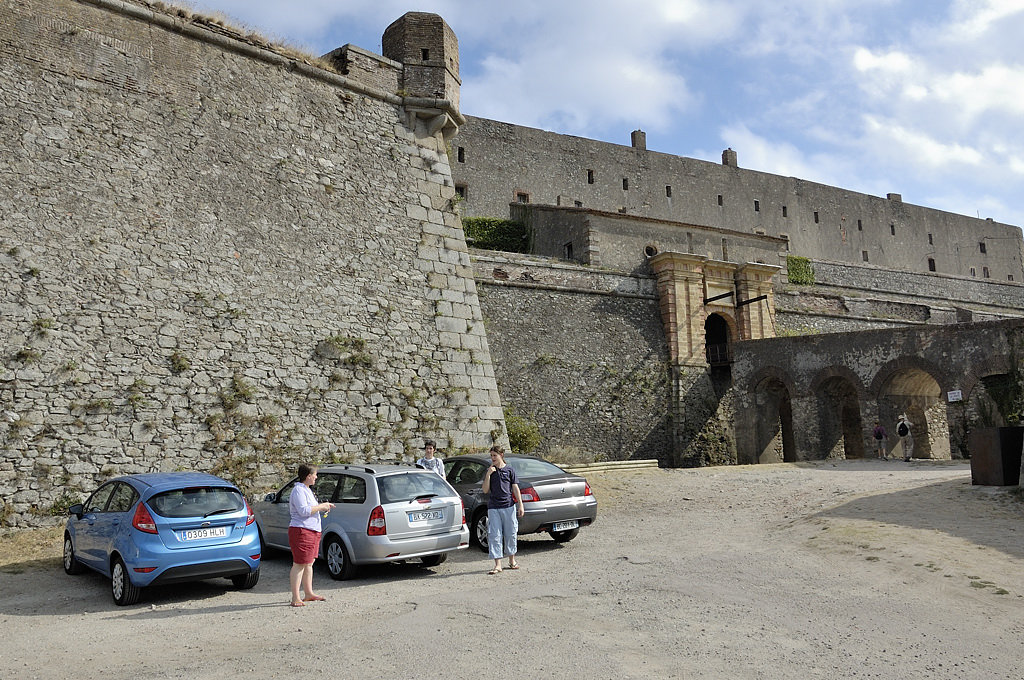
Requesens Castle is characterized by its triple line of defensive walls, incorporating both rounded and square towers topped with battlements and machicolations. The use of local granite stone in construction ties the castle to regional building traditions and provides a robust defense against assaults. The castle's layout includes three fortified enclosures, each with distinct functions and architectural elements.
The upper enclosure, historically known as the greater or upper fortress, retains medieval features such as bastion walls, a square tower on the north side, and parts of the gate structure. These elements date from the 12th to 14th centuries and reveal the castle's original defensive design. The highest point is marked by a round watchtower, although it is currently inaccessible to visitors for safety reasons.
The lower enclosure houses a sizeable chapel dedicated to the Virgin of Providence. This chapel uniquely blends Romanesque elements salvaged from nearby religious buildings with French artistic influences, including a sculpted tympanum and reliefs above the entrance. This fusion reflects the cultural interactions across the Pyrenees during the castle's history.
Additional service buildings such as stables and kitchens occupy the lower enclosure. One room was adapted in the mid-20th century to serve as a military hospital, a testament to the castle's varied uses over time. The second, smaller enclosure features a fortified gate that contributed to the castle's layered defense system.
The 19th-century reconstruction transformed parts of the castle into a summer residence for the last resident Count of Peralada, Tomàs de Rocabertí-Boixadors Dameto, and his sister. This renovation respected the original medieval footprint and embraced neo-medieval architectural principles, making much of the rebuilt fabric visually indistinguishable from the ancient structure. Landscaping efforts introduced native and exotic plants, enhancing the site's aesthetic appeal.
Cultural impact and modern status
Requesens Castle has attracted cultural attention beyond its historical and architectural significance. It has served as a filming location for movies such as "El Perfume" and "El Caballero del Dragón" (1985), showcasing its dramatic medieval ambiance. The castle is open to visitors primarily during the summer months, with reduced hours in the off-season and closure on Tuesdays. Entrance fees contribute to ongoing restoration efforts.
The castle endured looting during the Spanish Civil War and suffered interior modifications during its mid-20th-century military use, including installations that damaged parts of the structure. Despite these challenges, it remains protected as a Cultural Asset of National Interest under Spanish and Catalan heritage laws. Today, while some interior areas are closed for safety, the castle's external form continues to display its rich historical layers and architectural grandeur.
Visitors to Requesens Castle not only experience a well-preserved medieval fortress but also enjoy a journey through a landscape rich in natural beauty and prehistoric heritage. The combination of its strategic location, architectural complexity, and layered history makes it a significant monument in the cultural tapestry of Catalunya.
Frequently asked questions (FAQ)
- How do I get to Requesens Castle?
- Requesens Castle is located near La Jonquera, Spain, and can be accessed by car or on foot from the nearby hiking trails. If you're driving, follow the signs for La Jonquera and look for the clearly marked roads leading to the castle. Public transportation options may be limited, so a personal vehicle is recommended for convenience.
- What is the historical significance of Requesens Castle?
- Requesens Castle dates back to the 12th century and played a vital role in the defense of the region during the medieval period. It was built by the Counts of Empúries and has been a witness to numerous historical events, including battles and territorial disputes. Today, it stands as a symbol of the rich history and architectural heritage of Catalonia.
- When was Requesens Castle constructed?
- Construction of Requesens Castle began in the late 11th century and was completed in the 12th century. It was designed to serve as a defensive fortress and strategic lookout point. Over the centuries, the castle has undergone various renovations, preserving its medieval charm while adapting to changing times.
- Can I tour Requesens Castle?
- Yes, visitors can tour Requesens Castle, exploring its impressive architecture and stunning views of the surrounding landscape. Guided tours are available during the peak tourist season, providing insights into the castle's history and significance. Be sure to check the official website for tour availability and any special events.
- Why is Requesens Castle a popular tourist attraction?
- Requesens Castle is popular due to its spectacular location, rich history, and well-preserved architecture. Visitors are drawn to the stunning panoramic views from the castle's vantage point, as well as the opportunity to learn about its historical significance. The combination of nature and history makes it a must-visit destination for history enthusiasts and nature lovers alike.
- Is it possible to visit Requesens Castle year-round?
- Requesens Castle has specific opening hours that vary by season, typically being open from spring to autumn. During the winter months, access may be limited, so it's essential to check the castle's official website for current hours. Planning your visit during the warmer months ensures a more enjoyable experience with better accessibility.
- What are the ticket prices for visiting Requesens Castle?
- Ticket prices for Requesens Castle are generally affordable, with discounts available for children, seniors, and groups. Admission fees may vary depending on the season and any special events taking place. It's advisable to check the official website for the most up-to-date pricing information before your visit.
- What is the best time to visit Requesens Castle?
- The best time to visit Requesens Castle is during the spring and early autumn months when the weather is pleasant for outdoor exploration. These seasons also feature fewer crowds, allowing for a more intimate experience. If you're interested in specific events or guided tours, check the castle's calendar for special programs during your visit.
- Are there any nearby attractions to explore after visiting Requesens Castle?
- Yes, there are several nearby attractions to explore after visiting Requesens Castle. The beautiful natural landscapes of the surrounding area offer hiking trails and picturesque views. Additionally, La Jonquera itself is known for its shopping opportunities and cultural experiences, making it a great complement to your visit to the castle.
Photo gallery

Photo by Tantarantana•Public domain
Information
Website
Visit websiteSources & official resources
Verify the information above using these authoritative references.
Loading map...
Visitor reviews
No reviews yet. Been here? Write the first review and help other travelers!
Write the first reviewVisited this castle? Share your experience
Your review helps other travelers and adds first-hand knowledge to our encyclopedia.