Reginald's Tower — Ireland castle

Reginald's Tower

Reginald's Tower: historic Viking-era tower in Waterford, Ireland
Waterford, Ireland
High Medieval (11th–13th c.)
Well Preserved

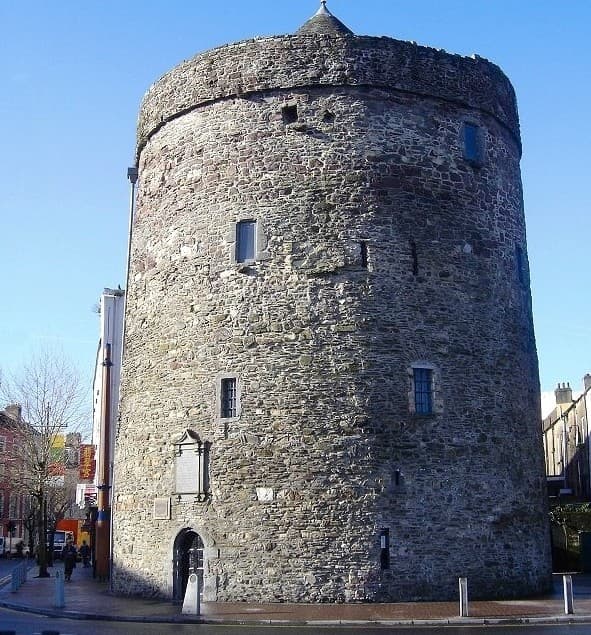
Reginald's Tower (Irish: Túr Raghnaill) stands as a prominent medieval structure located at the eastern end of the city quay in Waterford, in the province of Munster, Ireland. This tower is notable for being the oldest civic building in Ireland and the only urban monument in the country to retain a Norse or Viking name, reflecting Waterford's origins as a Viking settlement founded in the early 10th century.

Historical significance and origins

The tower's name, Reginald's Tower, is derived from the Viking leader Reginald (or Ragnall), who played a significant role in the establishment of Waterford as a Norse trading port. The current stone structure dates primarily to the 13th century, placing it firmly in the high medieval period, although it is believed to have been built on the site of earlier fortifications dating back to the Viking era. The tower was a key component of the city's medieval defensive system, serving as a stronghold against invaders and a symbol of Waterford's strategic importance on Ireland's southeast coast.

Architectural features and structure

Reginald's Tower is a cylindrical stone tower approximately 54 feet (16.5 meters) high and 42 feet (13 meters) in diameter, constructed with thick stone walls that taper slightly towards the top. Its robust design includes multiple floors connected by narrow spiral staircases, and it was originally equipped with battlements and arrow slits for defense. The tower's position on the quay allowed it to oversee and protect the harbor, controlling access to the city by sea.

The tower's masonry reflects typical high medieval military architecture in Ireland, with a focus on durability and defense. Over the centuries, modifications were made to adapt the tower to evolving military technologies and uses, including the installation of cannons during the early modern period.

Role in Waterford's urban defense system

As part of Waterford's city walls and fortifications, Reginald's Tower functioned as a critical defensive bastion. It guarded the eastern approach to the city and served as a lookout point to spot incoming threats from the sea. The tower was integrated with the city walls, gates, and other towers to form a comprehensive defense network that protected Waterford through various conflicts, including medieval sieges and later military engagements.

Uses through the centuries

Throughout its history, Reginald's Tower has served multiple purposes beyond military defense. It was used as a prison, a customs house, and a storehouse. In the 17th and 18th centuries, the tower was adapted to house artillery and became part of the coastal defenses against potential naval attacks. Today, it functions as a museum, showcasing Waterford's Viking and medieval heritage.

Preservation and cultural importance

Reginald's Tower is well preserved and remains a key cultural landmark in Waterford. It is managed as a heritage site and museum, attracting visitors interested in Ireland's Viking past and medieval architecture. The tower's survival through centuries of urban development makes it a rare example of Ireland's Norse legacy within an urban setting.

Visitor experience

Visitors to Reginald's Tower can explore its multiple levels, view exhibits on Viking Waterford, medieval city life, and maritime history, and enjoy panoramic views of the harbor and city from the battlements. The museum provides educational resources and guided tours that highlight the tower's architectural features and historical context.

Architectural style and period

The tower exemplifies high medieval military architecture with strong influences from Norse defensive design. Its construction in the 13th century aligns with the period of Norman consolidation in Ireland, blending Viking origins with Norman architectural techniques.

Frequently asked questions (FAQ)

What is Reginald's Tower?
Reginald's Tower is a historic structure located in Waterford, Ireland, known for its impressive medieval architecture. Dating back to the 12th century, it served as a defensive fortification and is one of the best-preserved towers in Ireland. Today, it houses a museum that highlights the rich history of Waterford and the significance of the tower itself.
When was Reginald's Tower built?
Reginald's Tower was constructed in the late 12th century, around 1170, as part of the city's fortifications. It was named after Reginald, a Viking king of Waterford, and has since played a crucial role in the city's defense against various invasions. Its historical significance makes it a key landmark in Waterford.
Can I visit Reginald's Tower?
Yes, Reginald's Tower is open to the public, allowing visitors to explore its fascinating history and architecture. Inside, you can find exhibits detailing the Viking heritage of Waterford and the tower's role throughout the centuries. It's a must-visit for anyone interested in Ireland's medieval history.
What are the opening hours for Reginald's Tower?
Reginald's Tower typically opens from 10 AM to 5 PM, but hours may vary depending on the season and public holidays. It's recommended to check the official website for the most current information before planning your visit. This ensures you have the best experience and don't miss out on any exhibits.
Is Reginald's Tower accessible for visitors with disabilities?
Yes, Reginald's Tower aims to be accessible for all visitors, including those with mobility challenges. The staff is trained to assist with any necessary accommodations, and there are features to ensure a comfortable visit. However, it is advisable to contact the site in advance to inquire about specific accessibility options.
What is the best time to visit Reginald's Tower?
The best time to visit Reginald's Tower is during the spring and summer months when the weather is milder and more pleasant for outdoor exploration. Additionally, these seasons often feature more extensive programming and events. However, if you prefer fewer crowds, visiting in the early morning or during weekdays can provide a more intimate experience.
Are there any nearby attractions to visit with Reginald's Tower?
Yes, there are several nearby attractions including the Waterford Treasures Museum, which showcases the city's history, and the beautiful Bishop's Palace. The scenic waterfront area is also perfect for leisurely walks. Combining these sites with your visit to Reginald's Tower makes for a rich cultural experience in Waterford.
What are the ticket prices for Reginald's Tower?
Tickets for Reginald's Tower are generally very affordable, with discounts often available for students and seniors. Family passes may also be offered, providing a great value for groups. For the latest pricing details and any special promotions, it's best to check the official website before your visit.

Photo gallery

Reginald's Tower
Click to view

Photo by Nmwalsh•CC BY-SA 4.0

1 photo • Click any image to view in full screen

Information

Hill Castle

Loading map...

Visitor reviews

No reviews yet. Been here? Write the first review and help other travelers!

Write the first review

Visited this castle? Share your experience

Your review helps other travelers and adds first-hand knowledge to our encyclopedia.

Write a review

(5/5)

0/2000 characters

Your review will be visible after admin approval

Nearby castles

0 km

Reginald's Tower

Waterford, United Kingdom

Reginald's Tower, located in the historic city of Waterford, Ireland, is one of the most significant surviving examples of medieval military architecture in the country. This iconic cylindrical stone tower stands prominently on The Mall, near the banks of the River Suir, and has played a central role in the city's turbulent history since its construction in the 12th century. Although the site has Viking origins dating back to the 9th or 10th century, the present tower was built by the Anglo-Normans after their conquest of Waterford, marking a key phase in the city's fortification development. Historical context and origins The city of Waterford itself was founded by Vikings during the Early Medieval period, around the 9th or 10th century. The original Viking settlement was fortified with a triangular-shaped walled town, strategically positioned at the confluence of the River Suir and a now-vanished stream. This location provided natural defenses and facilitated trade and maritime activities, establishing Waterford as an important port and trading center. Following the Anglo-Norman invasion of Ireland in the late 12th century, the new rulers undertook extensive fortification projects to consolidate their control. Reginald's Tower was constructed at the apex of the city walls, serving as a key defensive stronghold. The tower's strategic position allowed it to guard the river approach and the main entrance to the city, making it a vital military asset. Architectural features and design Reginald's Tower is notable for its massive cylindrical shape, built primarily from local stone. Its walls are impressively thick, designed to withstand siege weaponry and cannon fire. The tower rises several stories high and features narrow slit windows that provided defenders with vantage points for archery and later, gunfire. The robust construction includes a battlemented parapet at the top, allowing defenders to repel attackers while remaining protected. The tower's interior consists of multiple floors connected by stone staircases, with rooms that would have served various functions including storage for munitions, living quarters for soldiers, and administrative spaces. The tower's design reflects the transition from traditional medieval fortifications to adaptations accommodating artillery, evident in the cannon placements and embrasures added in later centuries. Significant historical events Reginald's Tower has witnessed numerous key historical events that shaped Waterford and Ireland. One of the most notable was the wedding in 1171 between Richard de Clare, 2nd Earl of Pembroke (Strongbow), and Aoife MacMurrough, daughter of the King of Leinster, Dermot MacMurrough. This union symbolized the Anglo-Norman consolidation of power in Ireland. The tower also served as a royal castle on several occasions. King John visited in 1210, during which he ordered new coins to be minted there, highlighting the tower's importance as a center of governance and economic activity. Later, King Richard II used the tower in the late 14th century to store munitions during his campaigns in Ireland. In 1495, the tower's cannons played a defensive role by successfully deterring the forces of Perkin Warbeck, a pretender to the English throne, demonstrating the tower's continued military relevance into the late medieval period. The 17th century brought further conflict. During the Cromwellian conquest of Ireland, Waterford was besieged twice. The first siege in 1649 failed, but the subsequent siege in 1650 succeeded, leading to the city's capture. A cannonball from this siege remains embedded high in the tower's north wall, a tangible reminder of the violent struggle. Following the Battle of the Boyne in 1690, it is said that King James II climbed to the top of Reginald's Tower to take a final look at his lost kingdom before going into exile. Later uses and preservation Throughout the 17th and 18th centuries, the tower was primarily used for storing munitions, reflecting its ongoing military utility. In the early 19th century, it was repurposed as a prison, adapting its robust structure to new functions. Today, Reginald's Tower is a well-preserved monument and a key part of Waterford's cultural heritage. It houses a museum showcasing the city's Viking and medieval history, including artifacts recovered from the area. The tower's museum offers visitors insight into the evolution of military architecture and the historical significance of Waterford as Ireland's oldest city. Visiting Reginald's Tower Visitors to Waterford can explore the tower and its museum, which provides an immersive experience into the city's past. The tower's location in the city center makes it easily accessible, and its commanding views over the River Suir and surrounding area offer a unique perspective on Waterford's strategic importance. While renovations may occasionally affect access, the tower remains a popular attraction for those interested in medieval history and architecture.

Early Medieval (5th–10th c.)
Details
3.4 km
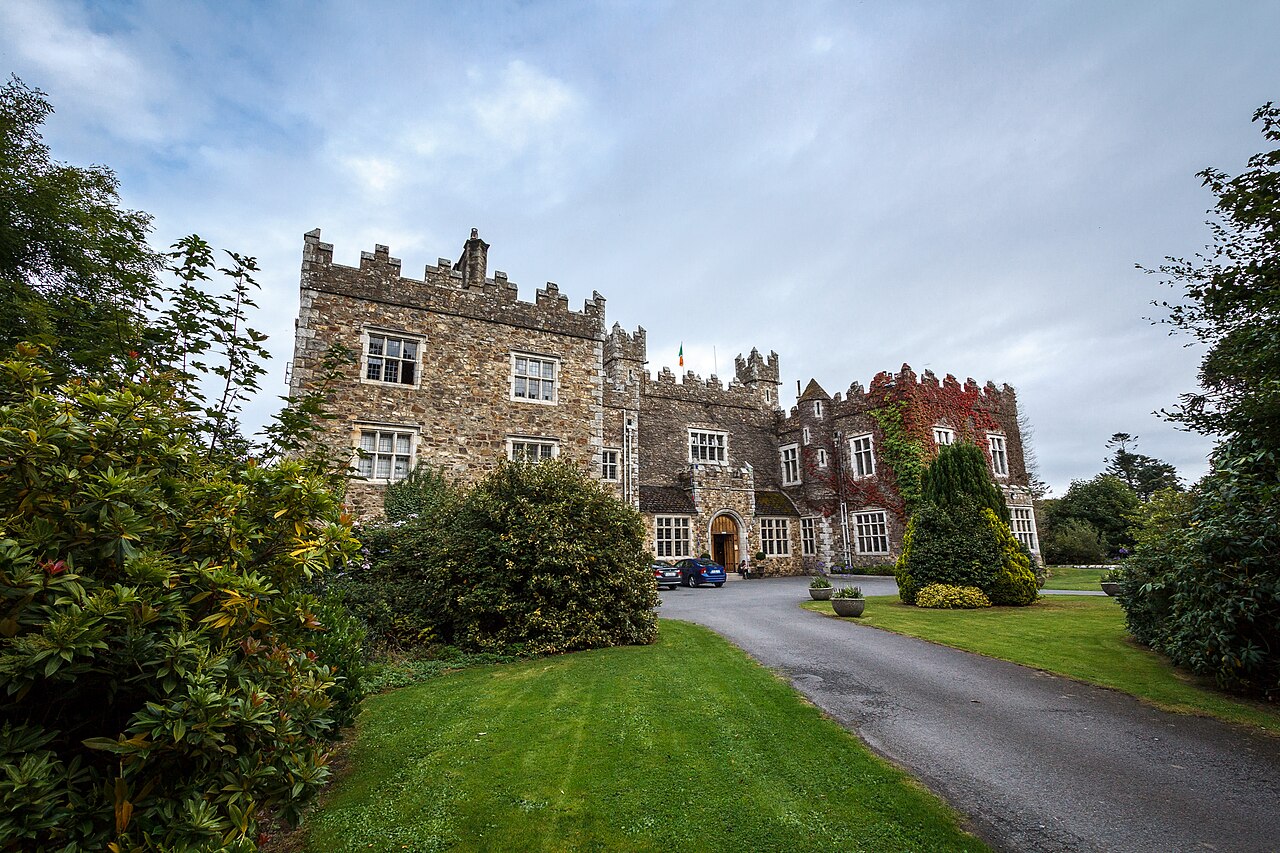
Waterford Castle — Ireland castle

Waterford Castle

Waterford, Ireland

Waterford Castle is a distinguished historic house located on Little Island in Waterford, Ireland. This castle stands as a prominent example of a 19th-century Gothic Revival mansion built on a hill, combining the grandeur of a country estate with the defensive aesthetics of a castle. Originally the seat of a branch of the Fitzgerald family, an important Anglo-Norman dynasty in Ireland, the estate has witnessed centuries of Irish history and social change. Historical background and ownership The Fitzgerald family owned the land surrounding Little Island for several hundred years, with their presence dating back to the medieval period. The current castle structure was constructed in the 19th century on the site of earlier fortifications, reflecting the Victorian-era fascination with medieval architecture. The castle remained a private residence for many generations of the Fitzgeralds, who were influential in local society and politics. In the late 20th century, the castle underwent a significant transformation. By the 1980s, the estate was converted into a luxury hotel and resort, opening its doors to the public while preserving much of its historic character and architectural features. This adaptive reuse has allowed Waterford Castle to maintain its cultural relevance and economic viability. Architectural features and style Waterford Castle is primarily designed in the Gothic Revival architectural style, a movement popular in the 19th century that sought to revive medieval Gothic forms. The castle features characteristic elements such as pointed arches, turrets, battlemented parapets, and stone masonry that evoke the romanticized medieval aesthetic. Its elevated position on a hill provides commanding views over the surrounding landscape and the River Suir. The layout includes a central keep-like structure flanked by towers, with large windows and ornate stonework that balance defensive motifs with residential comfort. Inside, the castle retains period features such as wooden paneling, , and , blending historic charm with modern amenities added during its conversion into a hotel. Location and natural surroundings Situated on Little Island, Waterford Castle enjoys a unique setting surrounded by the waters of the River Suir. The island's natural moat historically provided a defensive advantage, while today it offers scenic views and a tranquil environment for visitors. The castle grounds include well-maintained gardens, walking paths, and access to river activities, enhancing its appeal as a luxury destination. Current use and visitor experience Today, Waterford Castle operates as a high-end hotel and golf resort, combining its historic ambiance with modern luxury. Visitors can explore the castle's interiors, which showcase the architectural heritage and the legacy of the Fitzgerald family. The hotel offers amenities such as fine dining, spa services, and a championship golf course set within the estate grounds. The castle's adaptation to hospitality has preserved its structural integrity and historical significance, making it accessible to a broader audience. Guests can experience the blend of historic architecture and contemporary comfort in a picturesque Irish setting. Preservation and cultural significance Waterford Castle is an important cultural landmark in Ireland, representing the continuity of aristocratic estates through centuries of change. Its Gothic Revival architecture exemplifies 19th-century historicism and the romanticized view of medieval heritage. The castle's preservation and adaptive reuse demonstrate successful stewardship of Ireland's architectural and historical patrimony.

Modern (19th–20th c.)
Details
9.3 km

Cullen Castle

Cullencastle, United Kingdom

Cullen Castle is located in the townland of Cullencastle within County Waterford, Ireland. This castle is notable for its association with the Anglo-Norman La Poer (Power) family, who were prominent landowners in the region during the medieval and early modern periods. The castle later came under the possession of the Bryver family during the 17th century. The historical context of Cullen Castle The castle's history is intertwined with the complex socio-political landscape of Ireland during the Renaissance period. The La Poer family, originally of Norman descent, established several strongholds across Ireland following the Norman invasion. Cullen Castle was one such possession, serving as a local seat of power and administration. The transition of ownership to the Bryver family in the 17th century reflects the shifting dynamics of landholding and influence during this turbulent era, marked by conflicts such as the Irish Confederate Wars. Architectural features and construction While detailed architectural records of Cullen Castle are scarce, it is classified as a Renaissance period structure built in the 17th century. Castles of this period often incorporated elements of both defensive military architecture and residential comfort, reflecting the evolving needs of their owners. Typical features might have included thick stone walls, fortified towers, and possibly a bawn or courtyard enclosed by defensive walls. The castle's exact layout and design remain largely undocumented, and the structure is now situated on private farmland, limiting access and detailed study. From the public road, observers can view the remnants or outline of the castle, though the site is not developed as a tourist attraction. Current condition and accessibility Cullen Castle is located on private property, which restricts public access. Visitors can only view the castle from nearby public roads, as the site is not open for tours or exploration. The castle is described as "not very interesting" by some sources, likely due to its limited visible remains and lack of visitor facilities. The preservation state of the castle is unclear, but given its private ownership and limited public engagement, it may be in a partially preserved or ruined condition. The castle does not currently serve as a museum or heritage site. The significance of Cullen Castle in Irish heritage Despite its modest profile today, Cullen Castle represents an example of the many lesser-known castles that illustrate the spread of Norman influence in Ireland and the subsequent changes in land ownership through the Renaissance and early modern periods. It contributes to the historical tapestry of County Waterford, a region rich in medieval and post-medieval architecture. Its association with notable families such as the La Poer and Bryver families adds genealogical and historical interest, reflecting the shifting allegiances and power structures in Ireland during the 17th century.

Renaissance (15th–17th c.)
Details