Regenwurmlager
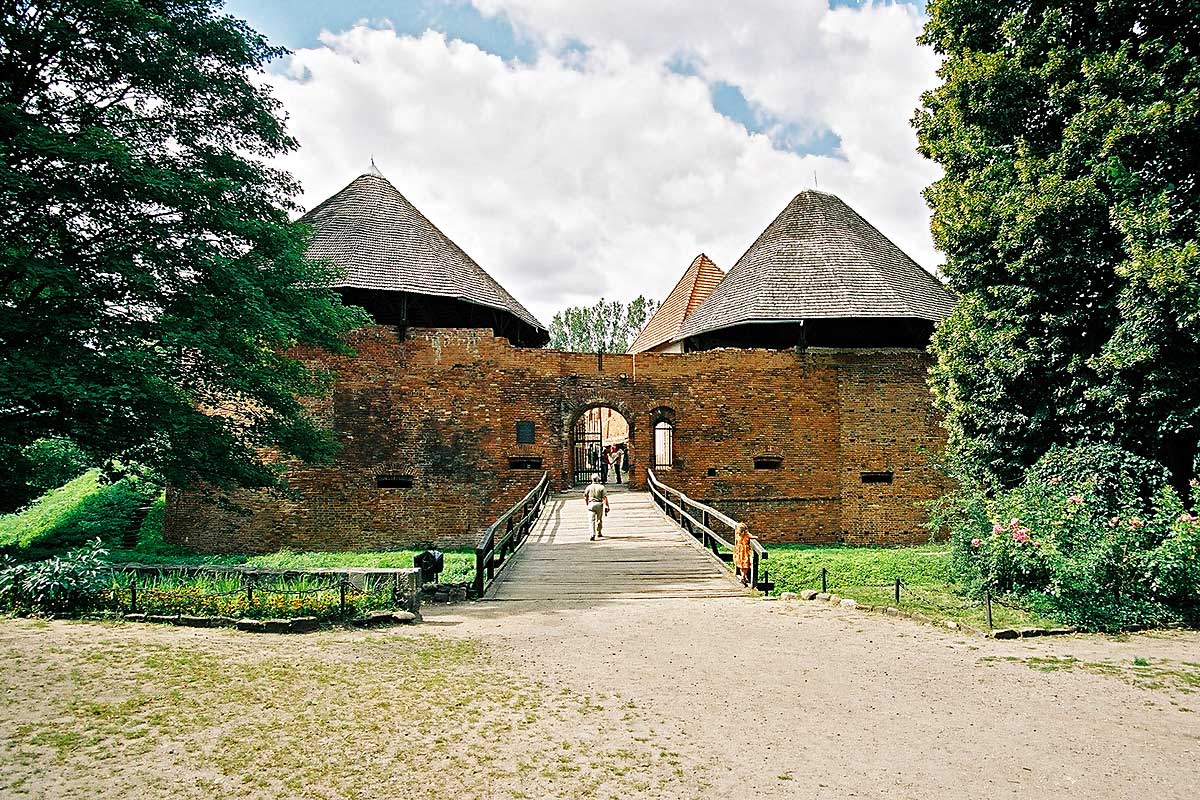
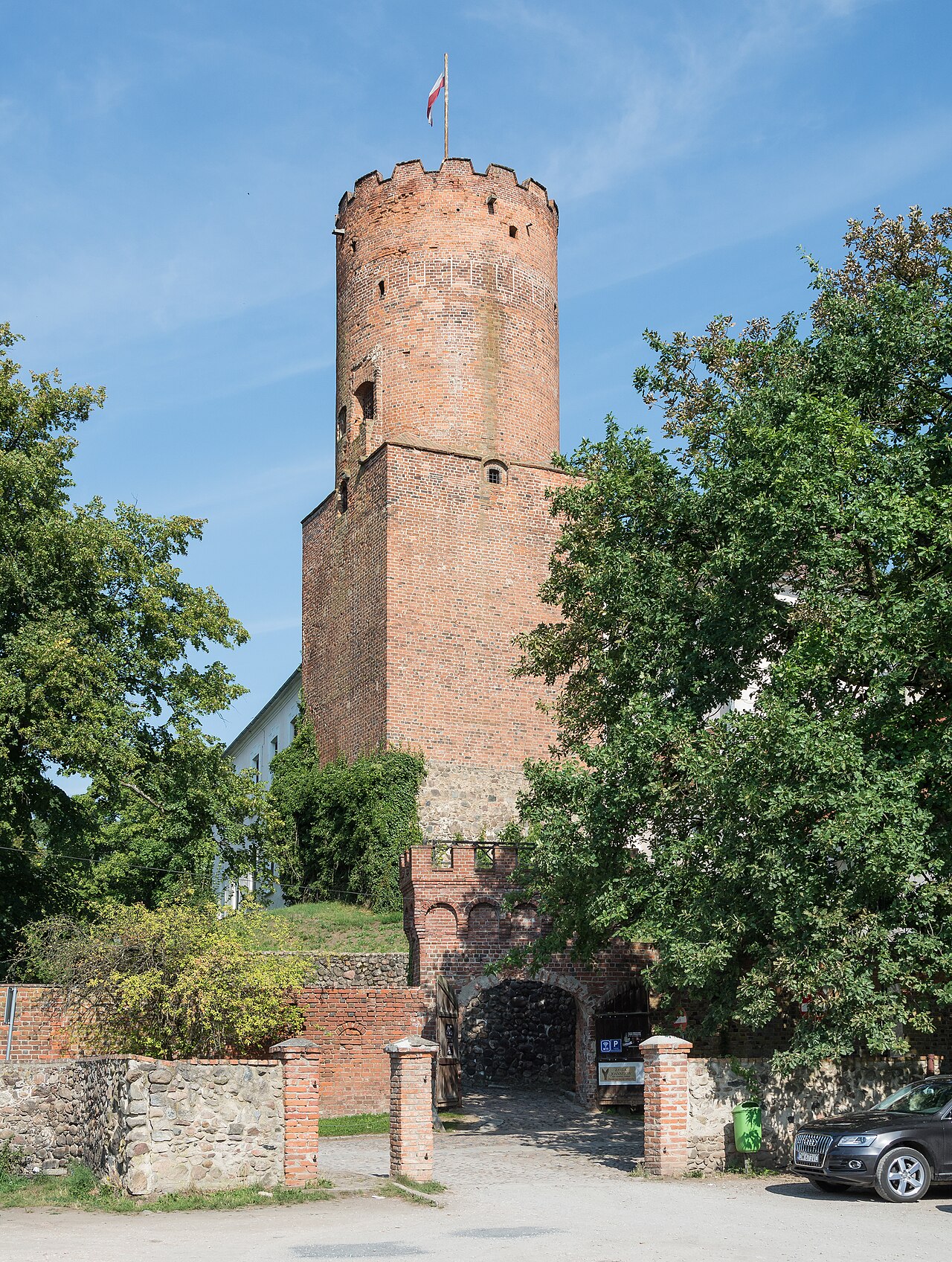
Regenwurmlager, part of the Festungsfront Oder-Warthe-Bogen (Fortified Front Oder–Warta Bend), is a remarkable example of 20th-century military engineering located near Międzyrzecz in western Poland. Constructed between 1934 and 1944 by Nazi Germany, this extensive bastioned fortress system was designed to serve as a formidable defensive line between the Oder and Warta rivers. Known also as the Międzyrzecki Rejon Umocniony (MRU) in Polish and the Ostwall (East Wall) in German, it represents one of the most technologically advanced and largest fortification complexes built during the interwar and World War II period.
Strategic importance and historical context
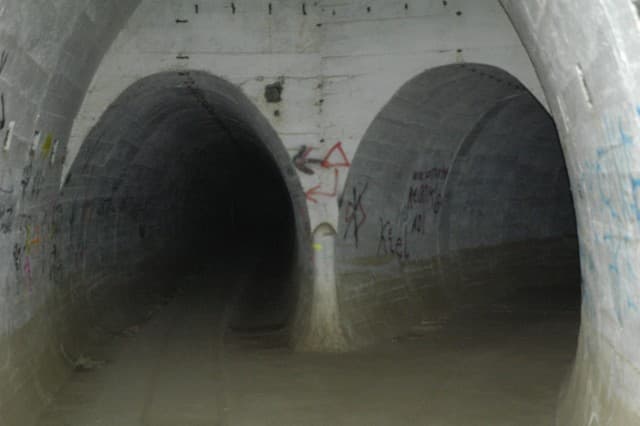
The Festungsfront Oder-Warthe-Bogen was constructed as a response to the shifting geopolitical tensions in Europe during the 1930s. Its purpose was to protect Germany's eastern borders by creating a strong defensive barrier against potential invasions from Poland and the Soviet Union. The location between the Oder and Warta rivers was strategically chosen to utilize natural geographic features for enhanced defense. The region around Międzyrzecz, known historically as Meseritz, became the focal point of this defensive line, and the fortifications there earned the nickname Regenwurmlager, or "Earthworm camp," due to the extensive underground tunnel networks resembling the winding paths of earthworms.
Architectural features and construction details
The Regenwurmlager complex consists of approximately 100 reinforced concrete defense structures, including bunkers, observation posts, artillery casemates, and infantry shelters. These fortifications are interconnected by a vast system of tunnels extending roughly 32 kilometers (20 miles) in length and reaching depths of up to 40 meters (130 feet). The tunnel network was engineered to facilitate troop movement, supply transport, and communication while providing protection from aerial bombardment and artillery fire.
Within the underground system are specialized facilities such as railway stations, workshops, engine rooms, and barracks, enabling the fortress to operate as a self-sufficient military base. The tunnels' design incorporated ventilation shafts, drainage systems, and electrical installations, reflecting advanced engineering techniques of the era. The central section of the complex begins at the southern end with the Boryszyn Loop near the village of Boryszyn (formerly Burschen) and stretches about 12 kilometers northward, encompassing a dense cluster of interconnected bunkers and tunnels.
Another notable segment is located near Pniewo (formerly Fischerhaus) within the Międzyrzecz District, which also features fortified structures and underground passages. The fortress's layout demonstrates a bastioned design, with overlapping fields of fire and multiple defensive layers intended to repel enemy advances effectively.
Ecological significance and current status
Today, the Regenwurmlager is recognized not only for its military heritage but also for its ecological importance. The underground tunnels serve as one of the largest hibernation sites for bats in Europe. According to the EUROBATS Agreement, the fortress shelters over 39,000 bats during some winters, representing at least 12 species. An additional species, the northern bat, roosts in cooler standalone bunkers not connected to the main tunnel system. This unique habitat has made the site a significant focus for conservation efforts and bat research.
Parts of the fortress complex have been preserved and are accessible to the public. Visitors can explore selected bunkers and sections of the tunnel network, offering insight into the scale and complexity of this massive fortification. The site attracts history enthusiasts, architecture scholars, and nature lovers alike, combining military history with natural preservation.
Visiting regenwurmlager
The Regenwurmlager is open to visitors seasonally, with guided tours available to explore the underground tunnels and surface fortifications. Due to the sensitive bat populations, access may be restricted during hibernation periods to protect the wildlife. Visitors are advised to wear appropriate clothing and footwear for underground exploration. The site provides educational exhibits on the historical and ecological aspects of the fortress, enhancing the visitor experience.
Accessibility and visitor facilities
The fortress is reachable from the town of Międzyrzecz, which serves as a convenient base for tours. Facilities include parking areas and informational signage. Some sections of the tunnels have been adapted with lighting and walkways to improve safety, though parts remain rugged and require careful navigation.
Nearby attractions
Visitors to Regenwurmlager can also explore the surrounding natural landscapes, including forests and river valleys that complement the fortress's defensive geography. The region offers opportunities for hiking, birdwatching, and cultural visits to nearby towns with historical sites.
Frequently asked questions (FAQ)
- How do I get to Regenwurmlager Castle?
- Regenwurmlager Castle is located in Poland, easily accessible by car or public transportation. For visitors traveling by train, the nearest station is a short bus ride away, providing convenient access to the castle grounds.
- What is the historical significance of Regenwurmlager Castle?
- Regenwurmlager Castle dates back to the 14th century and played a crucial role in the region's defense during various conflicts. Its strategic location allowed it to serve as a military stronghold, and today it stands as a testament to medieval architecture and history.
- When was Regenwurmlager Castle built?
- Construction of Regenwurmlager Castle began in the late 1300s, with significant expansions occurring in the following centuries. The castle has undergone various renovations, preserving its historical elements while adapting to modern needs.
- Can I visit Regenwurmlager Castle year-round?
- Yes, Regenwurmlager Castle is open to visitors throughout the year, although some areas may have restricted access during the winter months. It is advisable to check the official website for specific seasonal opening hours and any potential closures.
- Why is the architecture of Regenwurmlager Castle unique?
- The architecture of Regenwurmlager Castle combines Gothic and Renaissance styles, showcasing intricate stonework and impressive battlements. Its design reflects the military needs of its time while also incorporating elements of elegance, making it a fascinating subject for architecture enthusiasts.
- Is it possible to take guided tours of the castle?
- Yes, guided tours are available at Regenwurmlager Castle, providing visitors with in-depth knowledge of its history and architecture. These tours are led by knowledgeable guides who can answer questions and share interesting stories about the castle's past.
- What are the ticket prices for visiting Regenwurmlager Castle?
- Ticket prices for Regenwurmlager Castle vary depending on the type of tour you choose and whether you are a student or a senior citizen. Generally, adult tickets are reasonably priced, with discounts available for families and groups.
- What are the opening hours for Regenwurmlager Castle?
- Regenwurmlager Castle typically opens at 9 AM and closes at 6 PM during the peak tourist season. However, hours may vary in the off-season, so it is best to consult the castle's official website for the most current information.
- What are some nearby attractions to Regenwurmlager Castle?
- In addition to Regenwurmlager Castle, visitors can explore several nearby attractions, including local museums and scenic parks. The picturesque town surrounding the castle offers charming cafes and shops, enhancing your experience in the area.
Photo gallery

Photo by No machine-readable author provided. Merlin assumed (based on copyright claims).•CC BY-SA 3.0
Information
Loading map...
Visitor reviews
No reviews yet. Been here? Write the first review and help other travelers!
Write the first reviewVisited this castle? Share your experience
Your review helps other travelers and adds first-hand knowledge to our encyclopedia.