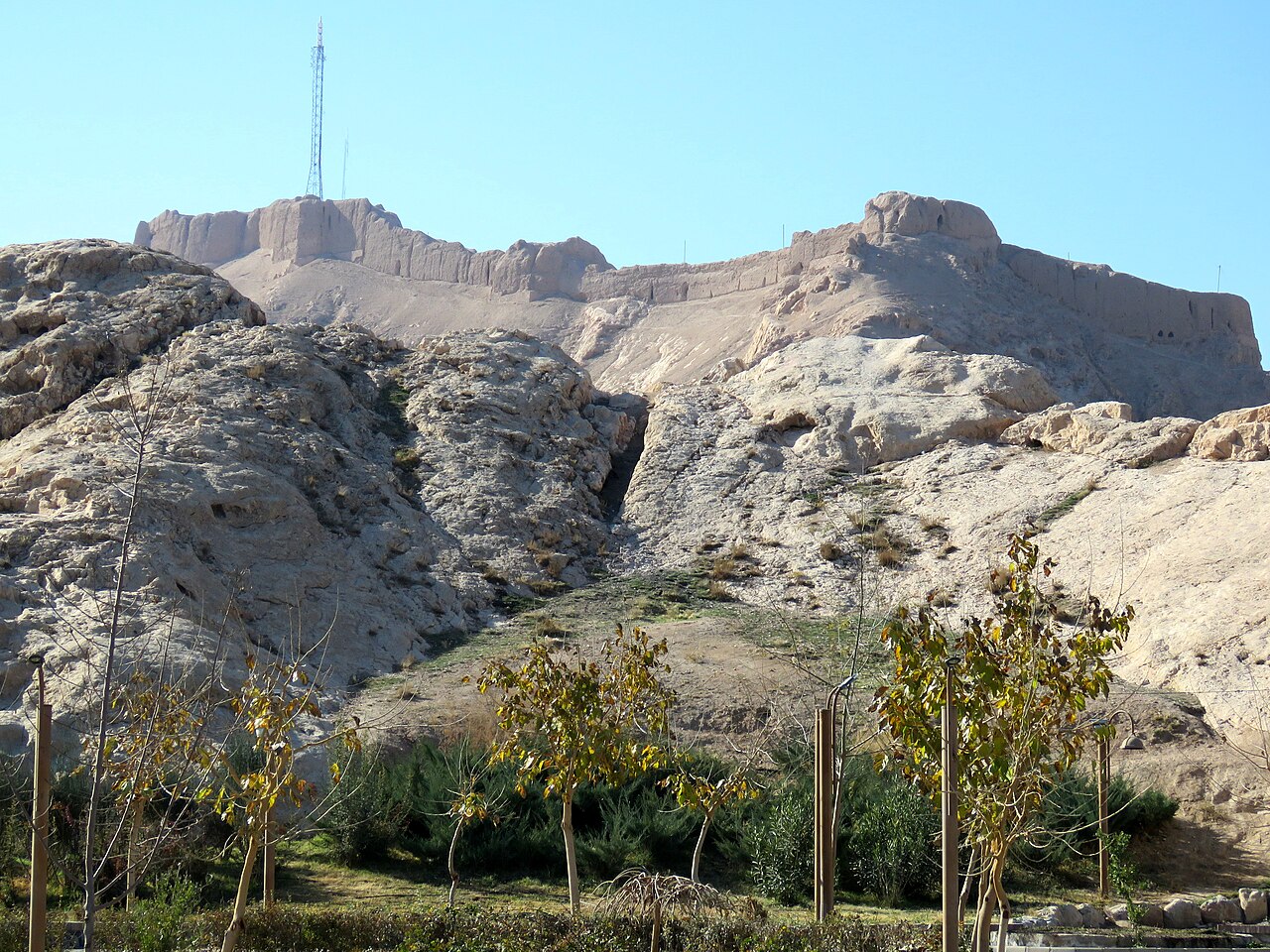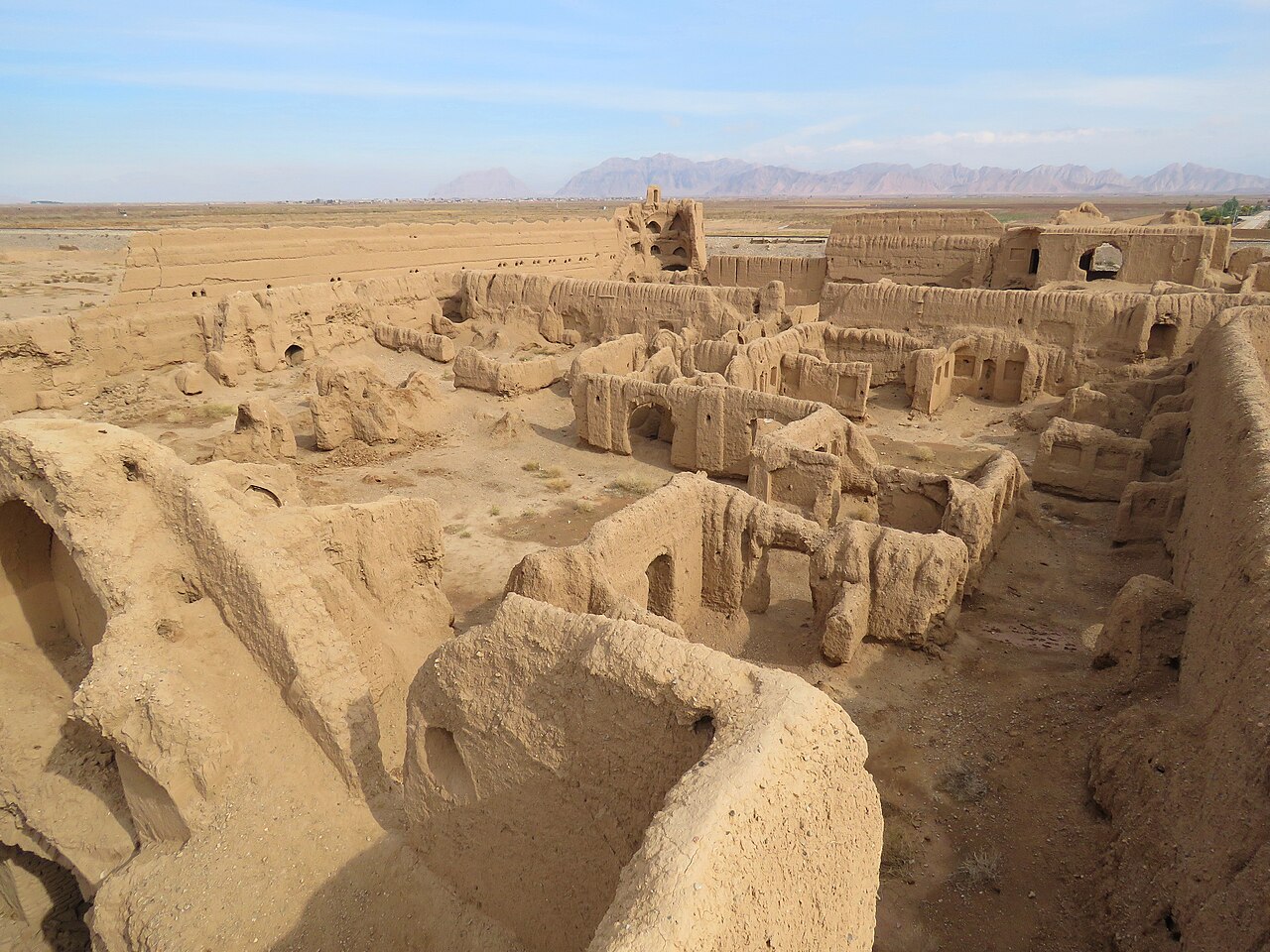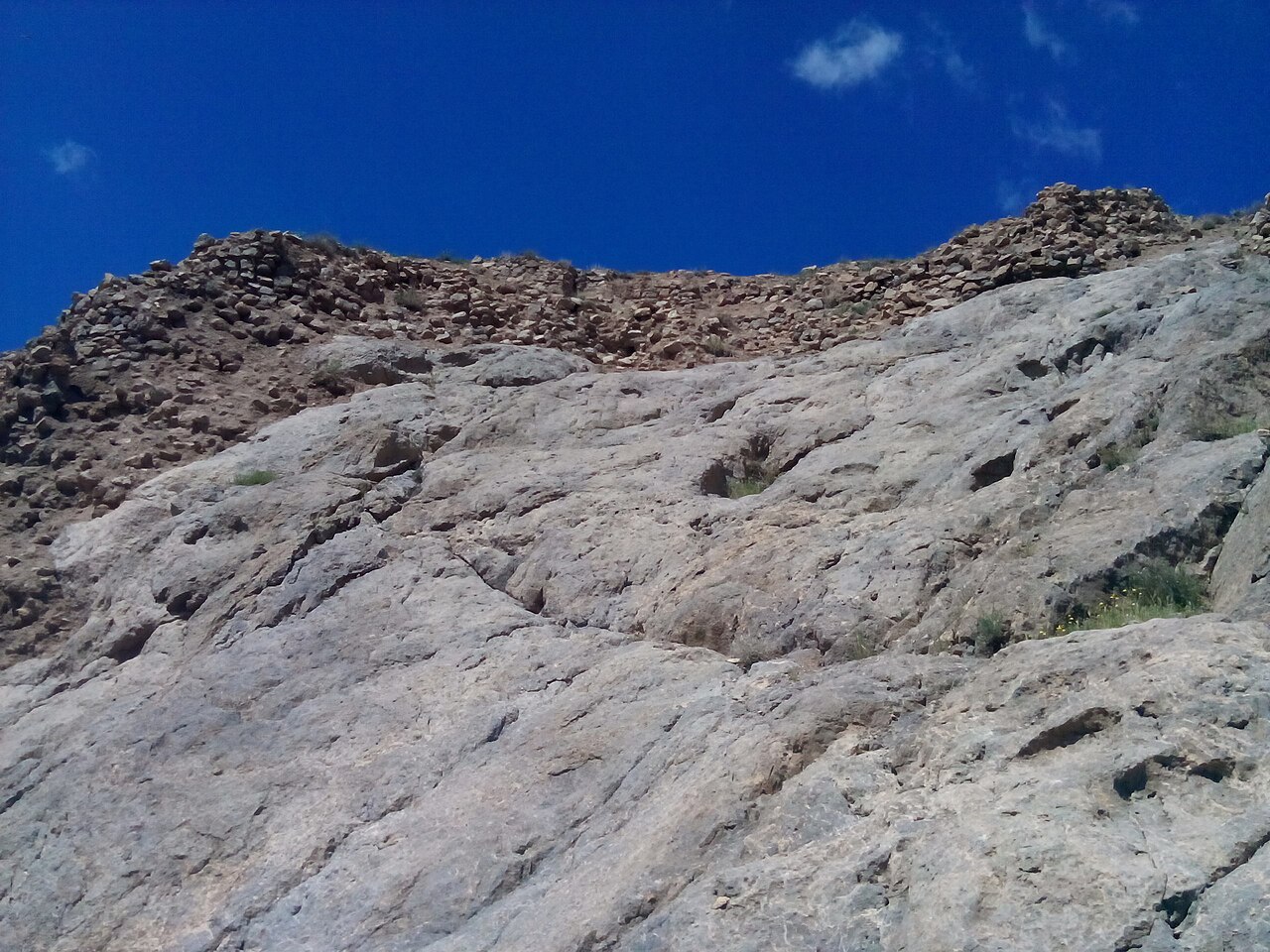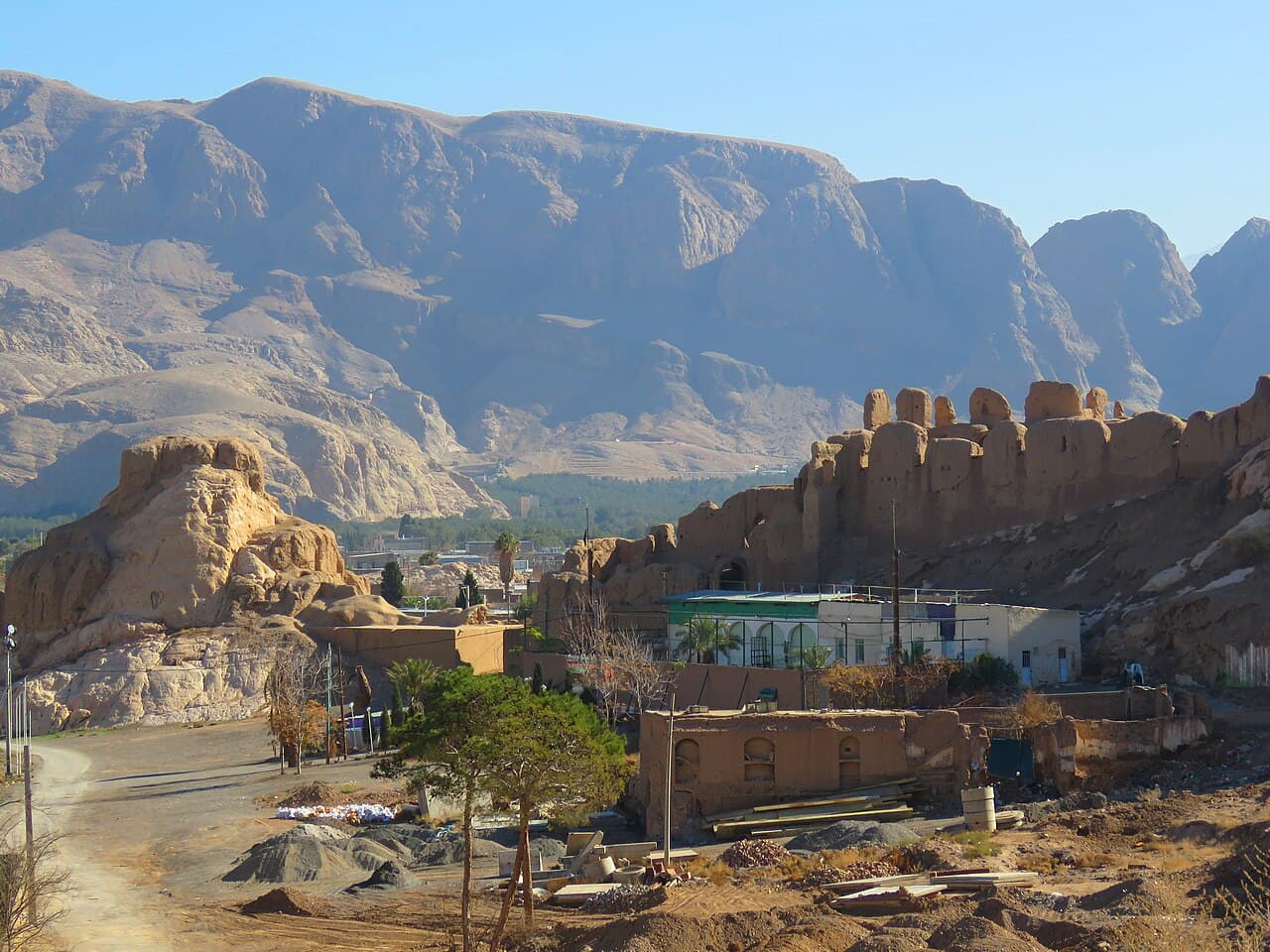
Dokhtar Castle (Qal'eh Dokhtar) in Kerman, Iran, is an ancient fortress dating back over 2,500 years to the Median period, making it one of the region's oldest surviving military structures. This castle served as a refuge for the inhabitants of Kerman during the Seljuk era, highlighting its strategic importance throughout Iranian history. Today, the castle stands as an archaeological ruin and a significant cultural heritage site within Kerman province.
Historical background and significance
The origins of Dokhtar Castle trace back to the Median dynasty, which ruled parts of Iran from approximately the 7th to the 6th century BCE. This places the castle among the earliest known fortifications in the region. Its long-standing use through subsequent periods, especially during the Seljuk period (11th-12th centuries CE), underscores its enduring military and protective role. The castle's function as a refuge during times of conflict reflects the turbulent history of Kerman and its surroundings, which were often contested by various regional powers.
Architectural features and construction
Dokhtar Castle is primarily constructed from clay and adobe, materials commonly used in ancient Iranian architecture due to their availability and insulating properties. The castle's remains include portions of a three-story main structure visible on the eastern side, although these are now partially ruined. The use of adobe has contributed to the castle's vulnerability over time, leading to its current state of decay.
Fortification elements
The castle's defensive design includes several towers incorporated into the enclosing walls, featuring both square and circular plans. These towers would have provided vantage points for surveillance and defense against attackers. The main entrance is located on the western side, where a staircase leads up to the gate. Historical evidence suggests that this entrance was once connected to the fortress by a drawbridge, enhancing its defensive capabilities by controlling access.
Layout and strategic location
While the exact city location is unspecified, Dokhtar Castle's positioning within Kerman province indicates a strategic placement likely on elevated terrain, typical of hill castles designed to oversee and protect surrounding areas. The castle's layout, with its fortified walls and towers, reflects ancient military architectural principles aimed at maximizing defense and controlling key routes.
Current condition and preservation
Today, Dokhtar Castle exists primarily as ruins, with significant portions of its original structures lost to time and environmental factors. The adobe construction has not withstood centuries of weathering, resulting in partial collapses and erosion. Despite this, the visible remains provide valuable insights into early Iranian fortification methods and the region's historical landscape.
Archaeological and cultural importance
As an archaeological site, Dokhtar Castle offers important opportunities for research into Median-era architecture and the evolution of military fortifications in Iran. It also holds cultural significance as a symbol of Kerman's historical resilience and heritage. Preservation efforts focus on stabilizing the remaining structures to prevent further deterioration and to facilitate educational and touristic engagement.
Visiting dokhtar castle
Visitors to Dokhtar Castle can explore the ruins and gain a tangible sense of ancient Iranian defensive architecture. While the site lacks extensive modern facilities, its historical ambiance and panoramic views of the surrounding landscape make it a noteworthy destination for those interested in Iran's rich past. Due to its fragile condition, visitors are advised to respect the site and adhere to any guidelines provided by local authorities.
Accessibility and best time to visit
The castle's location in Kerman province means it is most accessible from the city of Kerman, which serves as a regional hub. The best time to visit is during the cooler months, avoiding the intense summer heat typical of the region. Accessibility may be limited by the site's rugged terrain and preservation status, so visitors should prepare accordingly.
Nearby attractions and cultural context
Kerman province is rich in historical and cultural sites, including other ancient fortresses, traditional bazaars, and Persian gardens. Exploring Dokhtar Castle in conjunction with these attractions provides a broader understanding of the region's historical depth and architectural diversity.
Frequently asked questions (FAQ)
- When was Dokhtar Castle built?
- Dokhtar Castle was constructed during the Median period, approximately in the 7th to 6th century BCE, making it over 2,500 years old.
- What materials were used to build Dokhtar Castle?
- The castle was built primarily from clay and adobe, common materials in ancient Iranian architecture due to their availability and insulating properties.
- What is the current condition of Dokhtar Castle?
- Today, Dokhtar Castle remains as ruins, with significant portions of its adobe structures partially collapsed due to centuries of weathering.
- Can visitors access Dokhtar Castle?
- Visitors can explore the ruins of Dokhtar Castle, though the site has limited facilities and requires careful navigation due to its fragile condition.
- Why was Dokhtar Castle important during the Seljuk period?
- During the Seljuk period, Dokhtar Castle served as a refuge for the people of Kerman, highlighting its strategic defensive role in regional conflicts.
Photo gallery

Information
Loading map...
Visitor reviews
No reviews yet. Been here? Write the first review and help other travelers!
Write the first reviewVisited this castle? Share your experience
Your review helps other travelers and adds first-hand knowledge to our encyclopedia.