Radzyń Chełmiński Castle
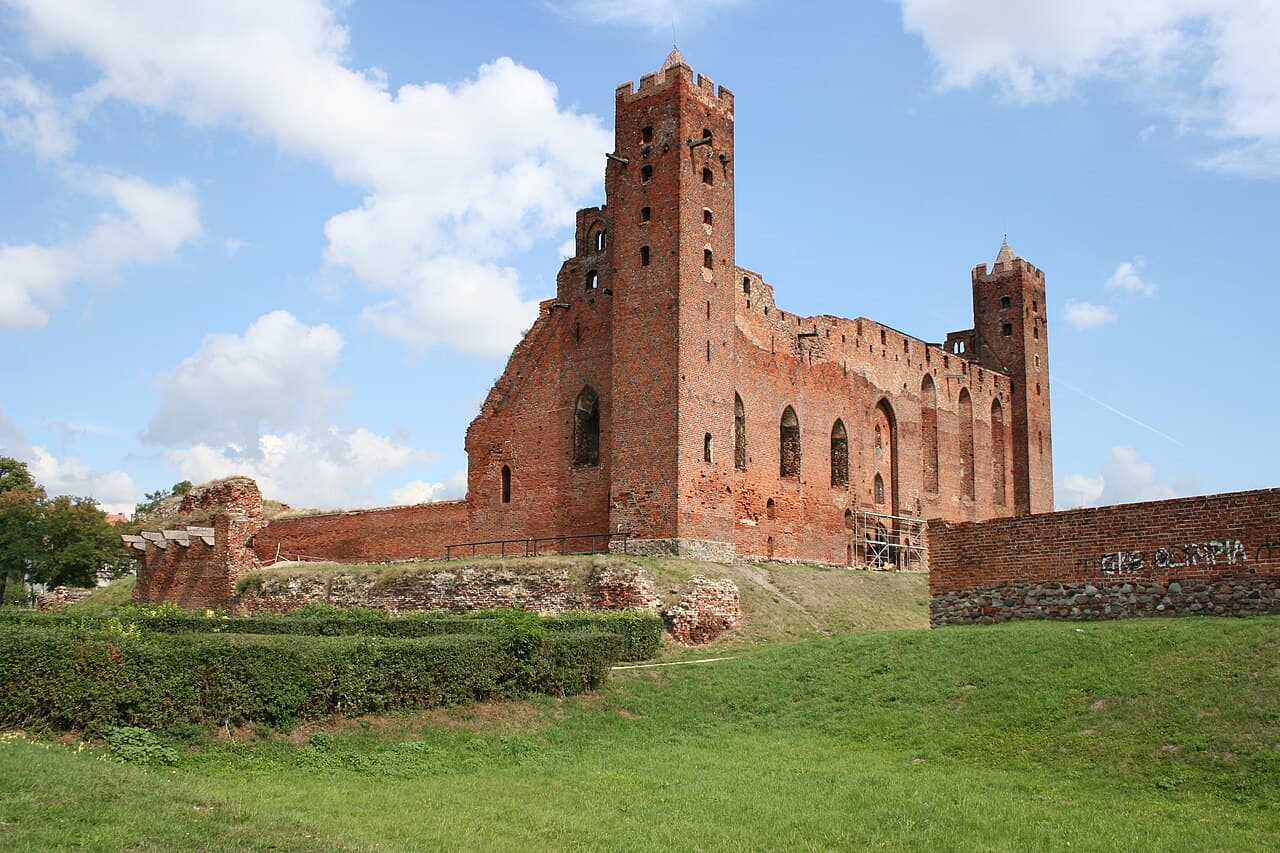
Radzyń Chełmiński Castle is a prominent example of a Brick Gothic monastery-castle built in the 13th century as the seat of the Teutonic Knights' Commandry. Located near Castle Lake (Jezioro Zamkowe) to the north of the town of Radzyń Chełmiński in Poland, this castle represents the military and religious architectural ambitions of the Teutonic Order during the High Medieval period.
Constructed primarily of brick, a hallmark of the Brick Gothic style prevalent in northern Europe, the castle was completed by 1330. Its design reflects the dual function of a fortress and a monastic residence, combining defensive features with the living quarters of the knights. The castle's layout originally included four walls enclosing a courtyard with various internal buildings, including the keep, chapels, and administrative chambers.
Architectural features and layout
The castle's architecture is notable for its use of brick masonry, which was a practical and stylistic choice in the region due to the scarcity of natural stone. The structure included thick defensive walls, battlements, and towers designed to repel attackers and provide vantage points for surveillance. The castle's keep served as the central stronghold and residence of the commandry's leader.
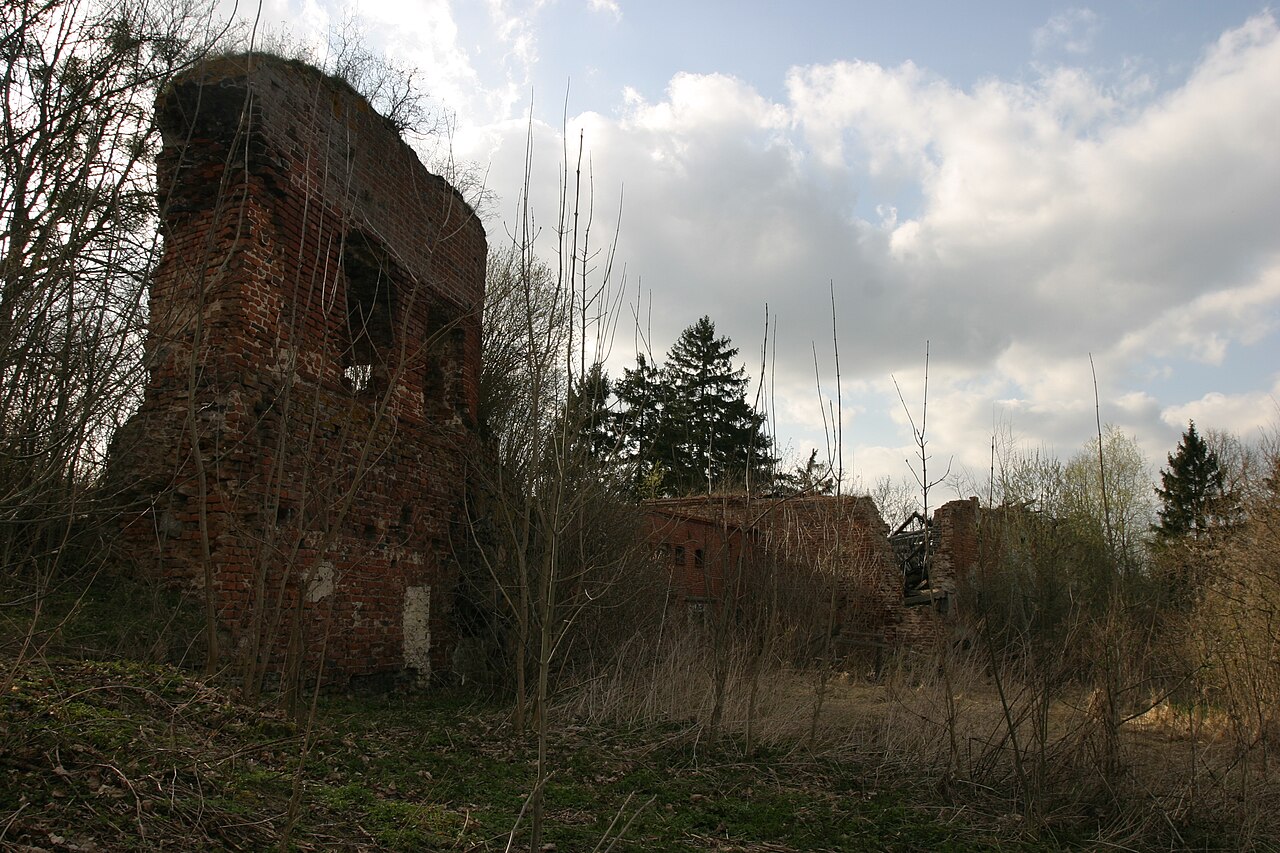
Today, three of the original four walls remain standing, alongside remnants of the internal buildings. The surviving walls exhibit characteristic Gothic arches and window openings, while the internal ruins suggest a complex arrangement of chambers and service areas. The castle's proximity to Castle Lake also provided a natural defensive barrier on one side, enhancing its strategic position.
Historical context and significance
Radzyń Chełmiński Castle was established as part of the Teutonic Order's expansion in the region during the 13th century. The Order, a Catholic military and religious organization, built a network of castles to secure their territorial claims and administer their monastic state. This castle functioned not only as a military fortress but also as a religious center and administrative hub.
Throughout its history, the castle witnessed various conflicts, including wars with the Kingdom of Poland and the Grand Duchy of Lithuania. Its strategic location made it a valuable asset in controlling the surrounding territory. However, over the centuries, the castle fell into decline, suffering damage during military engagements and neglect during periods of political change.
Current condition and preservation
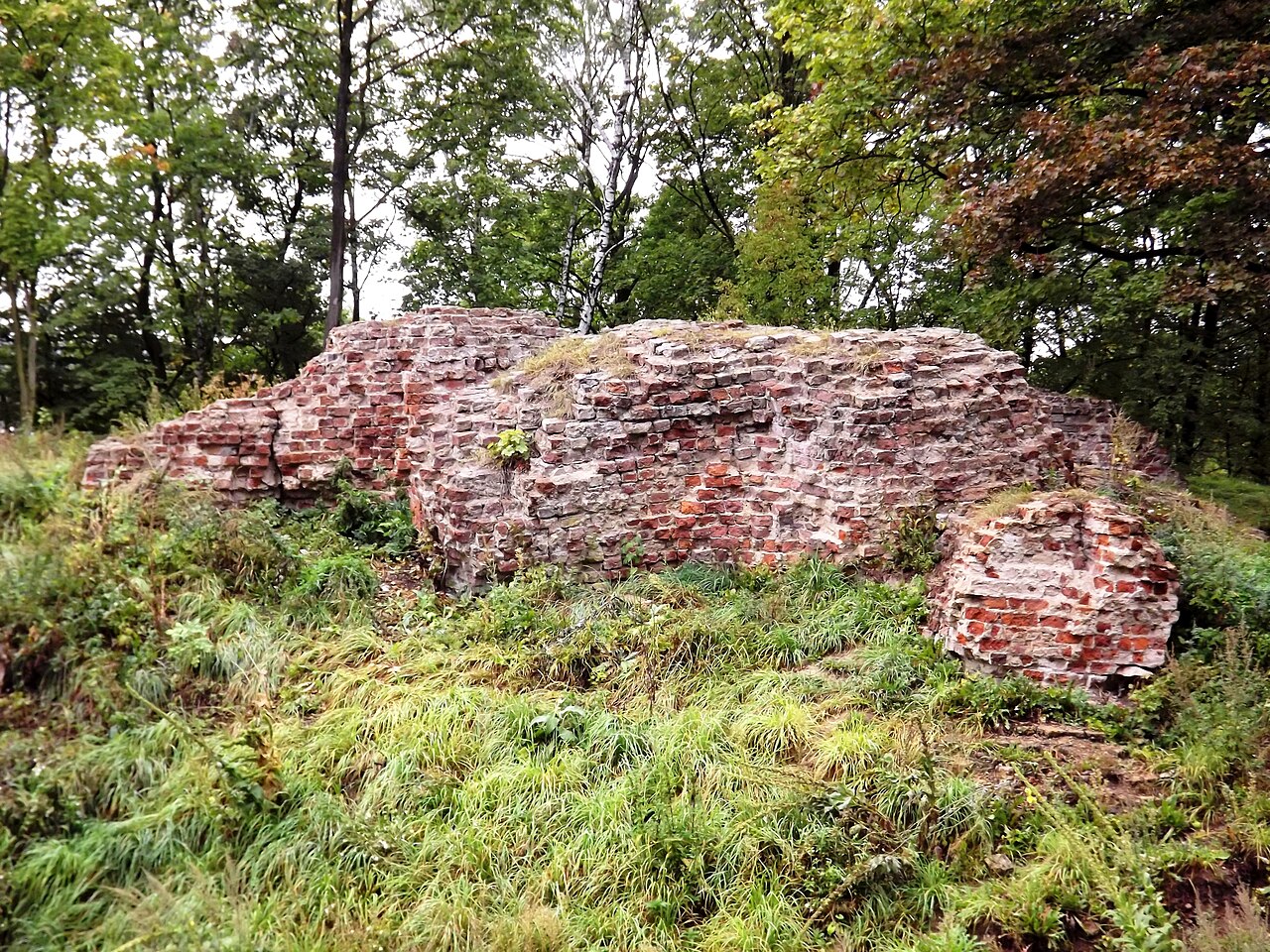
Today, Radzyń Chełmiński Castle stands as ruins, with significant portions of its walls and internal structures lost or heavily damaged. Despite this, the remaining walls and foundations provide valuable insights into High Medieval military architecture and the Brick Gothic style of the Teutonic Order.
The site is recognized as an important cultural and historical monument in Poland. Archaeological efforts have helped to document and preserve the ruins, allowing visitors to explore the remains and learn about the castle's past. Its location near Jezioro Zamkowe offers scenic views and enhances the visitor experience.
Visiting Radzyń Chełmiński Castle
Visitors to Radzyń Chełmiński Castle can explore the ruins and appreciate the scale and design of this medieval fortress. Informational signage and guided tours provide context about the castle's history, architecture, and role within the Teutonic Order's network of castles.
The castle's setting near the town of Radzyń Chełmiński and the nearby lake makes it accessible for day trips and cultural tourism. While the castle is in a ruined state, it remains a significant site for those interested in medieval history, Gothic architecture, and the legacy of the Teutonic Knights in Poland.
Frequently asked questions (FAQ)
- What is the historical significance of Radzyń Chełmiński Castle?
- Radzyń Chełmiński Castle, built in the 14th century, serves as a remarkable example of medieval defensive architecture in Poland. It was a strategic stronghold for the Teutonic Knights and has witnessed numerous historical events, making it an important site for understanding the region's past.
- When was Radzyń Chełmiński Castle constructed?
- The construction of Radzyń Chełmiński Castle began in 1330 and was completed in the late 14th century. It was designed to protect the area from invasions and to assert the power of the Teutonic Order in the region.
- Can I visit Radzyń Chełmiński Castle year-round?
- Yes, Radzyń Chełmiński Castle is open to visitors year-round; however, the opening hours may vary depending on the season. It is advisable to check the official website for the most up-to-date information before planning your visit.
- What are the opening hours for Radzyń Chełmiński Castle?
- The castle typically opens at 10 AM and closes at 6 PM during the summer months. In the winter, the hours may be reduced, so it’s best to verify the specific hours before your visit.
- Is it possible to access Radzyń Chełmiński Castle with mobility challenges?
- The castle's historical structure presents some challenges for visitors with mobility issues. While efforts have been made to improve accessibility, it is recommended to contact the site in advance to inquire about specific accommodations.
- What is the best time to visit Radzyń Chełmiński Castle?
- The best time to visit Radzyń Chełmiński Castle is during the spring and summer months when the weather is pleasant and the surrounding landscape is in bloom. This allows for an enjoyable exploration of the castle grounds and nearby areas.
- What are the ticket prices for visiting Radzyń Chełmiński Castle?
- Ticket prices for Radzyń Chełmiński Castle are generally quite affordable, with discounts available for students, seniors, and groups. It's advisable to check the castle's website for current pricing and any special promotions.
- Are there any nearby attractions to visit alongside Radzyń Chełmiński Castle?
- Yes, the castle is located near several other attractions, including the beautiful landscapes of the Vistula River valley and historic towns such as Kwidzyn and Grudziądz. These nearby sites make for a great day trip or extended visit to the region.
Photo gallery

Information
Loading map...
Visitor reviews
No reviews yet. Been here? Write the first review and help other travelers!
Write the first reviewVisited this castle? Share your experience
Your review helps other travelers and adds first-hand knowledge to our encyclopedia.