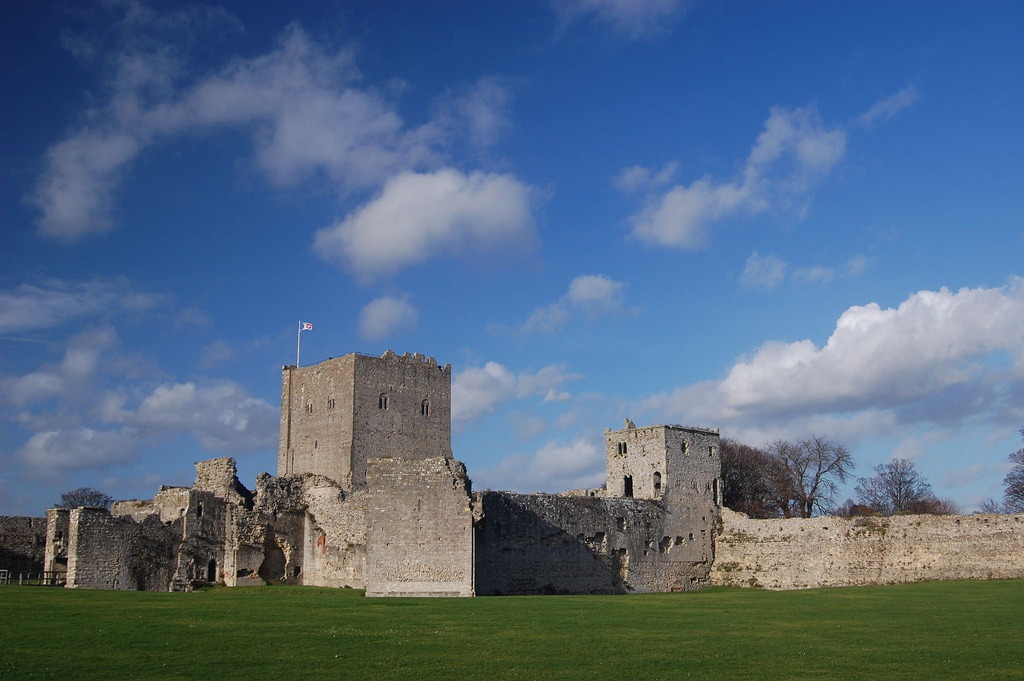
Racton Tower
Racton Tower, often referred to as Racton Ruin or simply the Monument, is a distinctive example of an 18th-century folly located in West Sussex, England. Situated just west of the small hamlet sharing its name, the tower is a prominent landmark near Monument Lane. Unlike traditional castles or fortifications, Racton Tower was never intended for defense. Instead, it was constructed as an ornamental building, embodying the aesthetic and recreational tastes of the English aristocracy during the Georgian period.
The tower was built between 1766 and 1775 by the architect Theodosius Keene under commission from George Montagu-Dunk, 2nd Earl of Halifax. This period in English history was marked by a fascination with classical and romantic architectural styles, and follies like Racton Tower were fashionable additions to large estates. The tower's purpose has been the subject of several theories. One popular belief is that it served as a summerhouse for the nearby Stansted Estate, providing a picturesque retreat amidst the countryside. Another theory suggests it functioned as a lookout tower from which the Earl could observe his merchant ships arriving at the nearby port village of Emsworth. A more personal speculation is that it was built to watch for the return of the Earl's son from a perilous voyage, adding a poignant dimension to its history.
Architectural features and design
Racton Tower stands approximately 24 meters (79 feet) high, characterized by its round tower rising from a distinctive two-storey triangular base. This base includes corner turrets that enhance its ornamental appearance rather than serving military functions. The tower's design reflects the Georgian era's fascination with classical symmetry and romantic medieval motifs, blending elegance with an air of mystery.
The tower's construction materials and details exhibit the craftsmanship typical of follies of the time, with attention to aesthetic appeal over defensive practicality. Its prominent height and location would have offered expansive views of the surrounding landscape, including the nearby coast, reinforcing its possible role as a lookout or leisure structure.
Historical context and significance
During the mid to late 18th century, English aristocrats often commissioned follies to adorn their estates, reflecting wealth and taste. George Montagu-Dunk, 2nd Earl of Halifax, was a notable political figure and colonial administrator, and his commissioning of Racton Tower fits within the period's cultural trends.
Despite its grandeur, the tower was never used for military defense or as a residence. Its abandonment over the past century has left it in a state of ruin, contributing to its enigmatic reputation. The tower's isolated location and dilapidated condition have inspired local legends and folklore.
Local legends and reputation
Racton Tower has acquired a somewhat sinister reputation over time. Up until 2009, there were reports of a few suicides occurring within the ruin, which has added to its dark aura. Additionally, local stories suggest the tower may have been a site for occult activities, and some believe it to be haunted. These tales have made it a point of intrigue for visitors interested in paranormal phenomena.
Current status and preservation
The tower is currently privately owned. Planning permission has been granted to convert the ruin into a residence, though no significant restoration work has commenced yet. Despite its ruinous state, Racton Tower remains freely accessible to the public, attracting visitors who appreciate its unique architecture and atmospheric setting.
Its condition as a ruin with visible structural elements like the corner turrets and the triangular base offers a glimpse into 18th-century folly construction. The site serves as a compelling example of how ornamental architecture can acquire layers of cultural meaning beyond its original intent.
Visiting racton tower
Visitors to Racton Tower can explore the area freely, though the ruinous condition means caution is advised. The tower's location in the peaceful countryside of West Sussex makes it a worthwhile destination for those interested in historic architecture, English heritage, and atmospheric ruins.
Nearby attractions include the historic village of Emsworth and the broader natural beauty of the South Downs National Park region, providing additional opportunities for cultural and outdoor activities.
Frequently asked questions (FAQ)
- What is the historical significance of Racton Tower?
- Racton Tower is an 18th-century folly built between 1766 and 1775 by Theodosius Keene for George Montagu-Dunk, 2nd Earl of Halifax. It reflects Georgian architectural tastes and was possibly used as a summerhouse or lookout tower.
- Can I visit Racton Tower?
- Yes, Racton Tower is currently freely accessible to the public. However, as it is a ruin, visitors should exercise caution when exploring the site.
- Why is Racton Tower considered a folly?
- Racton Tower was never built for defense or residence but as an ornamental structure typical of Georgian follies, designed for aesthetic and recreational purposes on an estate.
- Is Racton Tower haunted?
- Local legends suggest that Racton Tower may be haunted and was associated with occult activities, contributing to its eerie reputation.
- Has Racton Tower been restored?
- The tower remains in a ruinous state, with planning permission granted for conversion into a residence, but no restoration work has started yet.
Information
Architect
Theodosius Keene
Current owner
Private owner
Address
Next to Monument Ln, United Kingdom of Great Britain and Northern Ireland
Loading map...
Visitor reviews
No reviews yet. Been here? Write the first review and help other travelers!
Write the first reviewVisited this castle? Share your experience
Your review helps other travelers and adds first-hand knowledge to our encyclopedia.