Raby Castle
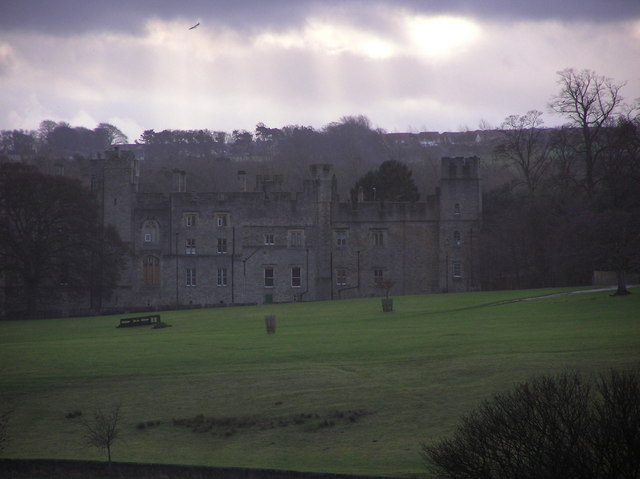
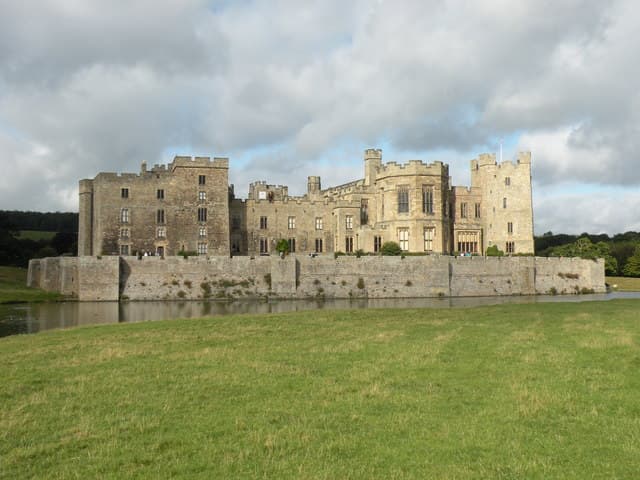
Raby Castle stands as one of England's most impressive and historically significant late medieval hill castles, located near the village of Staindrop in the county of County Durham, England. Constructed between 1367 and 1390 by the powerful Neville family, this fortress served as a symbol of their regional dominance and noble status in northern England. Its strategic hilltop position provided commanding views over the surrounding landscape, enhancing its defensive capabilities and prestige.
The neville family and the castle's medieval origins
The castle was commissioned by John Neville, 3rd Baron Neville de Raby, a key figure in the Neville lineage, which had been rising in prominence since the 13th century. The family’s influence expanded greatly during the 14th century, culminating in Ralph Neville being created the 1st Earl of Westmorland in 1397. Raby Castle became their principal seat, embodying their wealth and power.
Notably, the castle is the birthplace of Cecily Neville, Duchess of York, mother to Kings Edward IV and Richard III. This connection firmly ties Raby Castle to the royal history of England, particularly during the tumultuous Wars of the Roses era.
Architectural features and fortifications
Raby Castle is characterized by its irregular plan fortified with nine towers spaced along the curtain walls, designed primarily for defense. The walls rise approximately 10 meters above the moat, creating a formidable barrier against attackers. The moat itself, once crossed by a drawbridge, now features a stone causeway.
The main entrance is the imposing Neville Gateway, a four-storey gatehouse on the west side. It originally included three portcullises, defensive grilles whose grooves remain visible today. The gatehouse was flanked by two smaller towers added during the 17th-century renovations by the Vane family, which served decorative rather than military purposes.
The curtain walls are reinforced by angled buttress towers at intervals, and a chemin de ronde (parapet walk) runs along the top, allowing guards to patrol the perimeter. This feature is comparable to defensive walkways seen at other significant English castles, such as York Castle and Oxford.
Interior layout and key buildings
Within the walls, the buildings form a courtyard centered around the Baron’s Hall, the great hall located on the eastern side. This hall preserves much of its medieval character, providing insight into the domestic and ceremonial functions of the castle during the Middle Ages.
The medieval kitchen and the keep remain substantially intact, showcasing the castle’s original defensive and residential roles. The keep, as the main fortified tower, was a last refuge in case of siege and a symbol of lordly authority.
Later renovations and the vane family influence
In 1626, Sir Henry Vane the Elder acquired Raby Castle, beginning a period of significant transformation. The Vane family, who later became the Earls of Darlington and Dukes of Cleveland, introduced several Gothic revival architectural elements during the 17th and 18th centuries.
Among these additions are the two smaller towers flanking the main gatehouse and the enhancement of internal spaces, including the renovation of the medieval chapel. A notable 19th-century addition is the Jacobean-style drawing room designed by architect William Burn between 1843 and 1848, located within one of the towers. During this time, new roofs were also installed over the great hall and chapel, replacing earlier coverings and further shaping the castle’s architectural evolution.
Historical events and ownership changes
Raby Castle played a role in the Rising of the North in 1569, a Catholic rebellion led by Charles Neville, 6th Earl of Westmorland, supporting Mary, Queen of Scots. The rebellion’s failure led to the castle’s seizure by the Crown, which maintained control for over forty years.
The castle’s transition to the Vane family marked a shift from a purely military fortress to a stately home, reflecting changing social and political realities in post-medieval England.
Preservation and current status
Since the mid-20th century, Raby Castle has remained a private residence of the Barons Barnard. Beginning in 1964, the 11th Baron Barnard undertook extensive restoration efforts to preserve the castle’s historic fabric and maintain its structural integrity.
Today, the castle is classified as restored and stands as a remarkable example of a late medieval hill castle that has successfully integrated centuries of architectural styles and historical layers.
The estate and landscape
Surrounding the castle is a vast deer park covering approximately 200 acres, which forms part of the historic estate. This parkland reflects traditional English noble land use, providing both a hunting ground and scenic landscape that complements the castle’s imposing presence.
The extensive grounds and well-preserved architecture make Raby Castle a significant cultural and heritage landmark in northern England, attracting interest for its architectural merit and rich historical associations.
Frequently asked questions (FAQ)
- How do I get to Raby Castle?
- Raby Castle is conveniently located in County Durham, United Kingdom. You can reach it by car via the A688 road, and there are public transport options available, including buses from nearby towns.
- What is the historical significance of Raby Castle?
- Raby Castle dates back to the 14th century and is one of the best-preserved examples of medieval architecture in England. It has a rich history, having been the ancestral home of the Neville family, influential nobles during the Wars of the Roses.
- When was Raby Castle built?
- Construction of Raby Castle began in the early 14th century, with significant expansions and modifications made over the centuries. The castle was completed in its current form around the 16th century, showcasing a blend of medieval and Tudor architectural styles.
- Can I take guided tours of Raby Castle?
- Yes, Raby Castle offers guided tours that allow visitors to explore its grand interiors and learn about its fascinating history. Tours are typically available during the main opening season and can provide deeper insights into the castle’s architecture and past.
- Why is Raby Castle a popular tourist destination?
- Raby Castle attracts visitors due to its stunning architecture, beautiful grounds, and historical significance. Additionally, it offers various events and activities throughout the year, making it an engaging destination for history enthusiasts and families alike.
- Is it possible to host events at Raby Castle?
- Yes, Raby Castle provides facilities for hosting various events, including weddings, corporate functions, and private gatherings. The picturesque setting and historic ambiance make it a unique venue for special occasions.
- What are the opening hours for Raby Castle?
- Raby Castle typically opens to visitors from March to November, with specific hours that may vary by season. It is advisable to check the official website for the most up-to-date opening times before your visit.
- What are the ticket prices for Raby Castle?
- Ticket prices for Raby Castle vary depending on the age of the visitor and any special events taking place. Discounts may be available for children, seniors, and families, so be sure to check the official website for detailed pricing information.
- What is the best time to visit Raby Castle?
- The best time to visit Raby Castle is during the spring and summer months when the gardens are in full bloom and the weather is pleasant. Additionally, many special events and activities are held during this period, enhancing the visitor experience.
- Are there any nearby attractions to Raby Castle?
- Yes, there are several nearby attractions, including the picturesque town of Barnard Castle and the scenic landscapes of the Durham Dales. Visitors can also explore the nearby Bowes Museum for a unique cultural experience.
Photo gallery

Information
Website
Visit websiteSources & official resources
Verify the information above using these authoritative references.
Loading map...
Visitor reviews
No reviews yet. Been here? Write the first review and help other travelers!
Write the first reviewVisited this castle? Share your experience
Your review helps other travelers and adds first-hand knowledge to our encyclopedia.