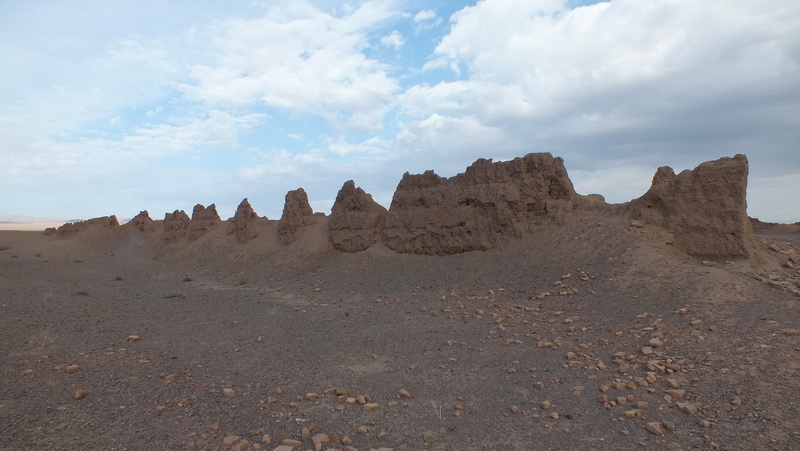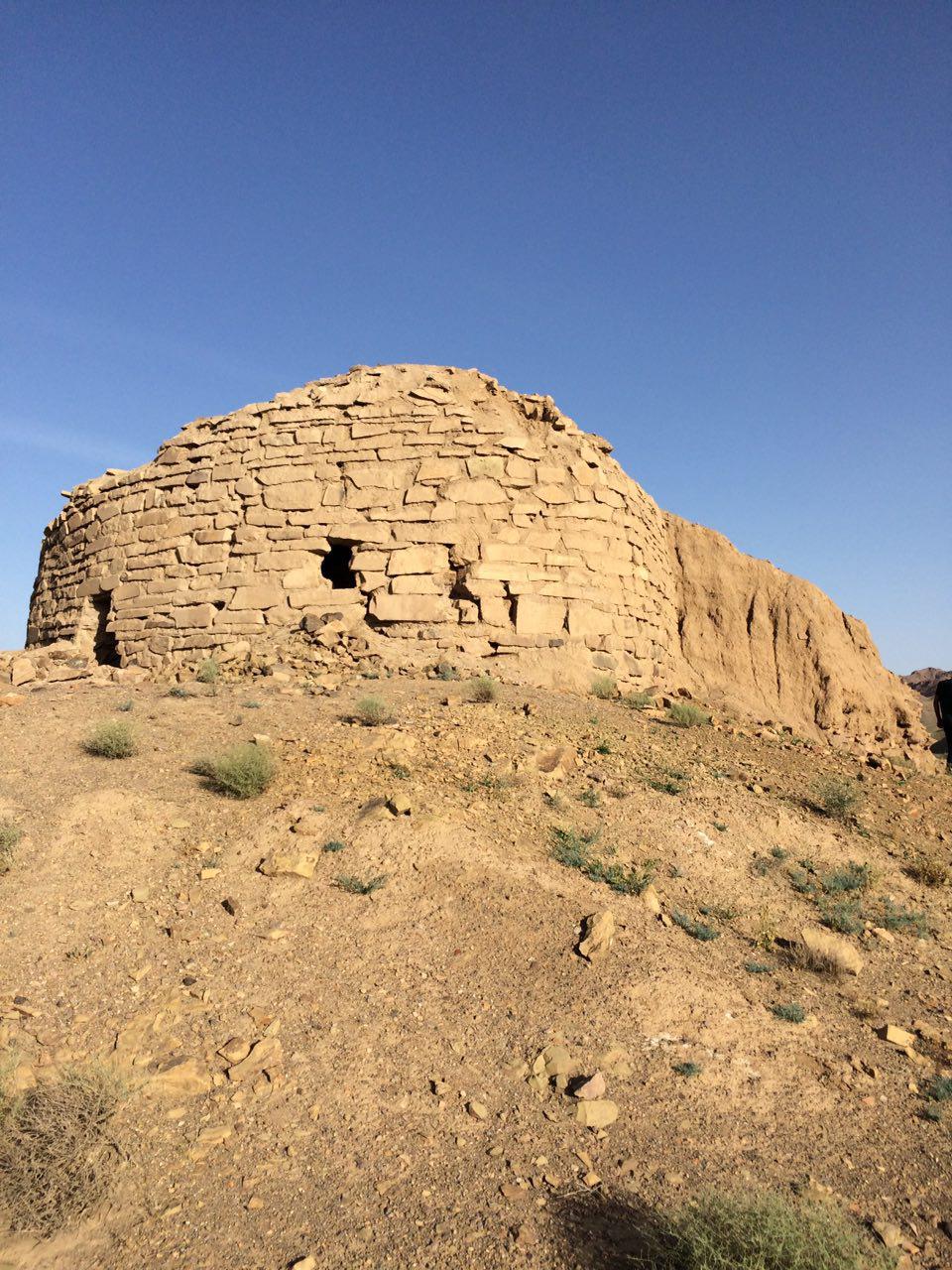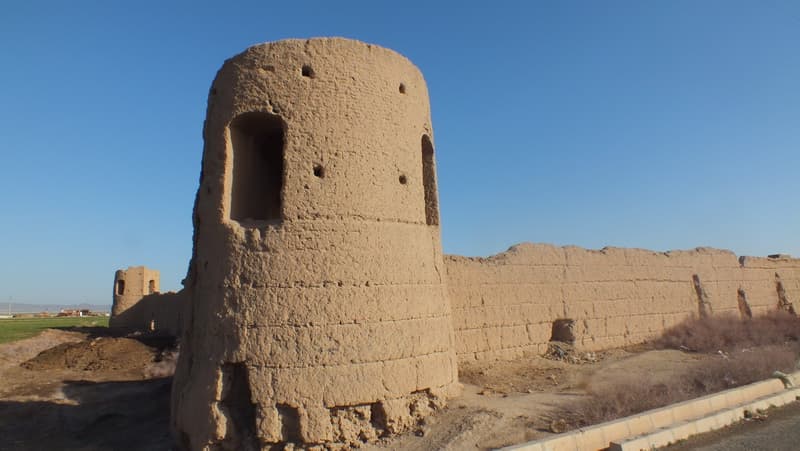
Qomrud castle (Persian: قلعه قمرود) is a significant historical fortress situated in Qom County within Qom Province, Iran. This hill castle dates back to the Safavid dynasty, a period marked by substantial architectural and military developments in Iran between the 16th and 18th centuries.
Historical context and significance
The Safavid dynasty (1501–1736) was one of the most influential ruling dynasties in Iranian history, known for establishing Twelver Shi'a Islam as the state religion and fostering a renaissance in Persian art and architecture. During this era, numerous castles and fortifications were constructed or renovated to secure important regions and trade routes. Qomrud castle served as a strategic defensive structure within Qom Province, which has historically been a vital religious and cultural center due to the city of Qom's significance as a pilgrimage site.
Architectural features and layout
As a hill castle, Qomrud castle was built on elevated terrain to maximize its defensive capabilities. This location provided natural advantages such as enhanced visibility over the surrounding landscape and increased difficulty for attackers to approach. The castle's design likely incorporated typical Safavid military architectural elements, including fortified walls, battlements, watchtowers, and possibly a central keep or donjon.
The construction materials would have primarily consisted of stone and adobe, common in the region, adapted to the local climate and available resources. Defensive features such as narrow windows or arrow slits, thick walls, and reinforced gates would have been integral to the castle's design to withstand sieges and attacks.
Defensive structures
The castle's perimeter was probably surrounded by robust walls equipped with battlements for archers and guards. Watchtowers positioned at strategic points would have allowed for early detection of enemy movements. The entrance gate was likely fortified with heavy wooden doors and possibly metal reinforcements, designed to resist forced entry.
Role and function during the Safavid era
Qomrud castle functioned as a military stronghold to protect the surrounding region and maintain control over local trade routes. Its presence would have contributed to the security of Qom Province, an area important both for its religious significance and as a corridor connecting central Iran to other parts of the empire.
The castle may have housed a garrison of soldiers responsible for monitoring the area and defending against potential invasions or banditry. Additionally, it could have served as a refuge for local populations during times of conflict.
Current condition and preservation
Today, Qomrud castle remains a historical site, although the extent of its preservation varies. Like many Safavid-era fortresses, it may be partially preserved or in ruins, reflecting centuries of exposure to natural and human-induced wear. Efforts to study and conserve the castle contribute to understanding the military architecture of the Safavid period and the historical landscape of Qom Province.
Archaeological and cultural importance
The castle is an important cultural heritage site that offers insight into the defensive strategies and architectural styles of the Safavid era. It attracts researchers and visitors interested in Iranian history and Islamic military architecture. Preservation initiatives help maintain the site for educational and touristic purposes, highlighting its role in the region's historical narrative.
Frequently asked questions (FAQ)
- What is the historical significance of Qomrud Castle?
- Qomrud Castle is a significant historical site in Qom County, Iran, dating back to the Seljuk period. It served as a defensive fortification and a royal residence, reflecting the architectural styles and military strategies of its time.
- When was Qomrud Castle built?
- Qomrud Castle was constructed in the 12th century during the Seljuk era. Its design and structure represent the advancements in castle architecture during that period, making it a key landmark in Iranian history.
- Can I visit Qomrud Castle?
- Yes, visitors are welcome to explore Qomrud Castle. However, it is advisable to check local travel guidelines and any restrictions that may be in place due to seasonal or cultural events.
- What are the opening hours for Qomrud Castle?
- Qomrud Castle is generally open to visitors from 9 AM to 5 PM daily. It's best to confirm the exact hours of operation before your visit, as they may vary depending on the season or local holidays.
- Is there an entrance fee to visit Qomrud Castle?
- Yes, there is a nominal entrance fee required to visit Qomrud Castle. The ticket prices are typically affordable, allowing visitors to enjoy this historical site without a significant financial burden.
- When is the best time to visit Qomrud Castle?
- The best time to visit Qomrud Castle is during the spring and fall when the weather is mild and pleasant. This allows for a more enjoyable exploration of the castle and its surroundings.
- How do I get to Qomrud Castle?
- Qomrud Castle is accessible by car or public transportation from Qom City. Local taxis can also provide convenient transport options for visitors looking to reach the castle directly.
- What nearby attractions should I consider when visiting Qomrud Castle?
- While visiting Qomrud Castle, you may also want to explore the nearby Qom Museum and the historic Jamkaran Mosque. These attractions offer additional insights into the rich culture and history of the region.
- Is Qomrud Castle accessible for individuals with mobility challenges?
- Qomrud Castle has some areas that may be challenging for individuals with mobility issues due to uneven terrain and steep steps. It’s advisable to assess personal mobility needs prior to visiting, as accessibility may be limited.
Photo gallery

Information
Loading map...
Visitor reviews
No reviews yet. Been here? Write the first review and help other travelers!
Write the first reviewVisited this castle? Share your experience
Your review helps other travelers and adds first-hand knowledge to our encyclopedia.