Qermez Castle (Qom County)
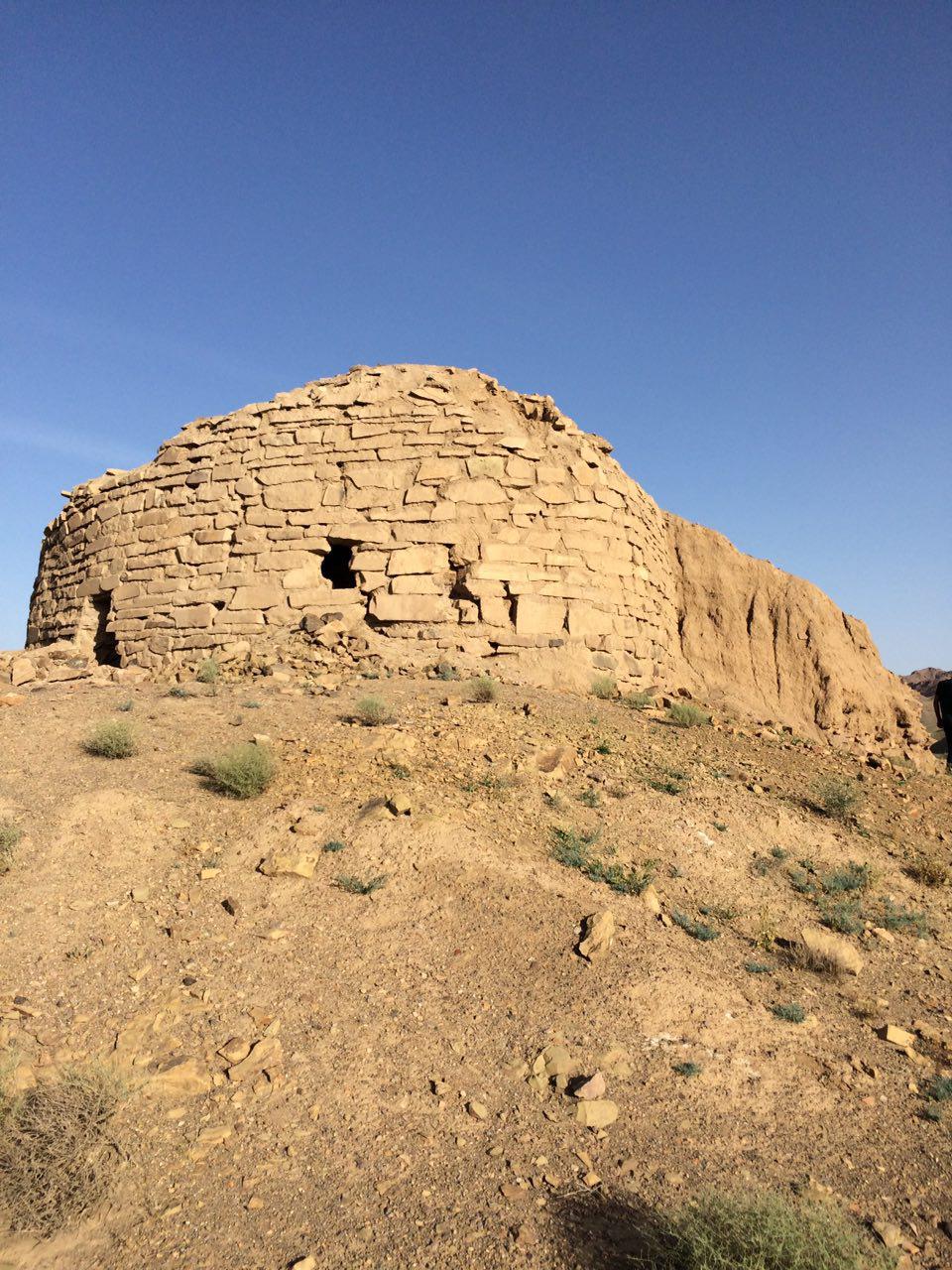
Qermez castle (Persian: قلعه قرمز) is a prominent historical fortress situated in Qom County within the Qom Province of Iran. This hill castle stands as a significant example of military architecture from the Qajar dynasty period, reflecting the defensive strategies and construction techniques employed in Iran during the 18th and 19th centuries.
Historical context and significance
The Qajar dynasty ruled Iran from the late 18th century until the early 20th century, a time marked by internal strife and external threats. Castles like Qermez castle were constructed or maintained to serve as military strongholds, administrative centers, and symbols of power. The castle's location in Qom County was strategic, overseeing important routes and providing a defensive advantage due to its elevated position.
Architectural features and construction
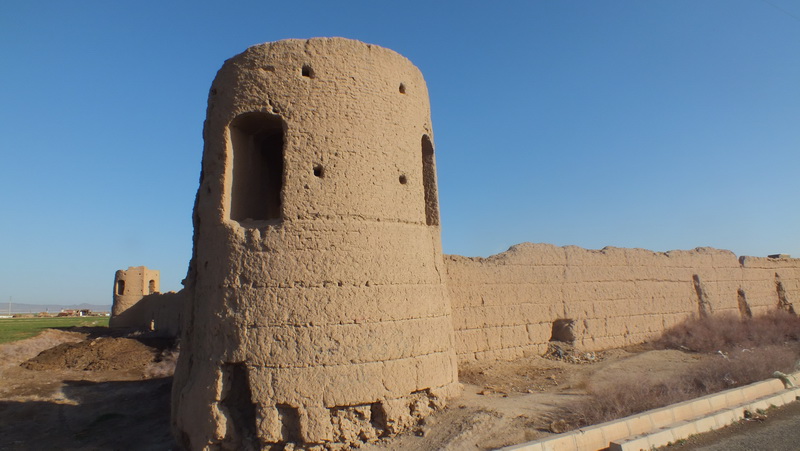
As a hill castle, Qermez castle is built atop a natural elevation, which enhances its defensive capabilities by providing a commanding view of the surrounding landscape. The castle's walls and structures were likely constructed using locally sourced stone and brick, materials typical of the period and region. The design would have included defensive walls, towers, and possibly a gatehouse to control access.
The castle's layout would have been adapted to the contours of the hill, with terraces and ramparts designed to maximize defense. Internal spaces probably included residential quarters for the garrison, storage rooms for provisions and weapons, and water cisterns to sustain inhabitants during sieges.
Preservation and current condition
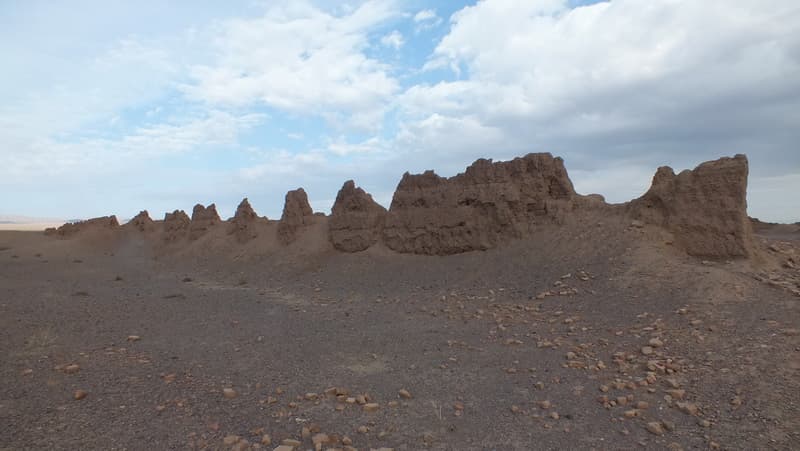
Today, Qermez castle remains a partially preserved site. While some of its walls and structural elements survive, the fortress has experienced deterioration over time due to natural weathering and lack of extensive restoration. Its ruins offer valuable insights into Qajar-era military architecture and the historical landscape of Qom Province.
Visiting and cultural importance
Although not as widely known as other Iranian castles, Qermez castle holds cultural and historical importance for the local community and scholars interested in the Qajar dynasty period. The site attracts visitors who appreciate historical architecture and the opportunity to explore a fortress that played a role in regional defense.
Access and visitor information
Access to the castle is typically on foot, requiring a climb up the hill on which it is situated. Visitors should prepare for uneven terrain and limited facilities. The site is best visited during cooler months to avoid the intense heat common in the region.
Architectural style and influences
The castle's architectural style is characteristic of Qajar military constructions, combining traditional Iranian fortress design with adaptations for the local environment. The use of robust materials and strategic placement reflects a practical approach to defense during the late medieval to early modern period in Iran.
Comparison with other regional castles
Compared to other castles in Iran, Qermez castle exemplifies the hill castle typology prevalent in the region, where elevation was a critical factor in defense. Its modest scale and functional design contrast with the more ornate palatial castles but emphasize military utility.
Frequently asked questions (FAQ)
- When was Qermez castle built?
- Qermez castle dates back to the Qajar dynasty, which ruled Iran from the late 18th to early 20th century.
- What type of castle is Qermez castle?
- Qermez castle is a hill castle, built atop an elevated site to provide strategic defensive advantages.
- Can visitors access Qermez castle easily?
- Visitors can access Qermez castle on foot, but should be prepared for a climb on uneven terrain as it is located on a hill.
- What is the architectural style of Qermez castle?
- The castle reflects the military architectural style of the Qajar dynasty, focusing on practical defense rather than ornate decoration.
- Is Qermez castle well preserved?
- Qermez castle is partially preserved, with some walls and structures remaining, but it has experienced deterioration over time.
Photo gallery

Information
Loading map...
Visitor reviews
No reviews yet. Been here? Write the first review and help other travelers!
Write the first reviewVisited this castle? Share your experience
Your review helps other travelers and adds first-hand knowledge to our encyclopedia.