Mohammadabad Mud Castle
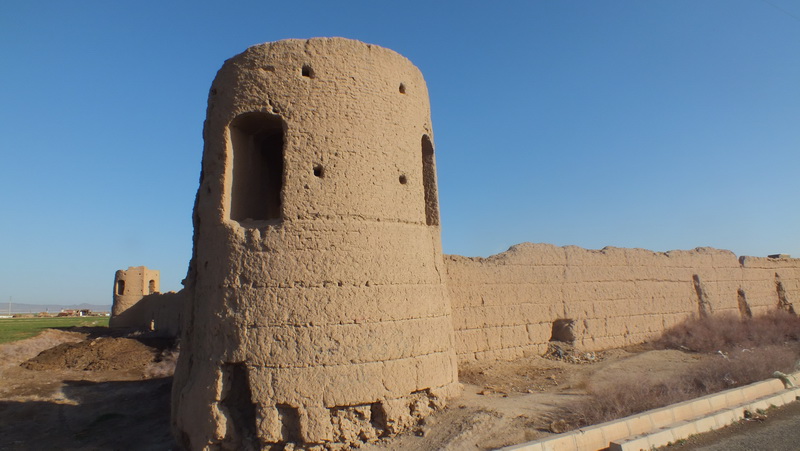
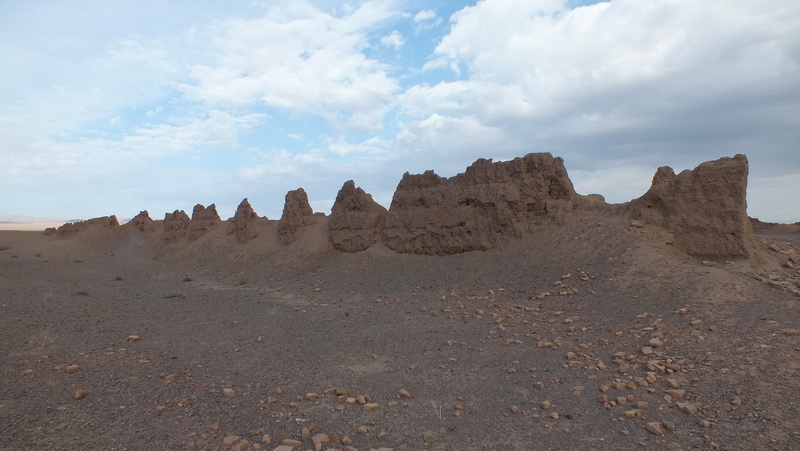
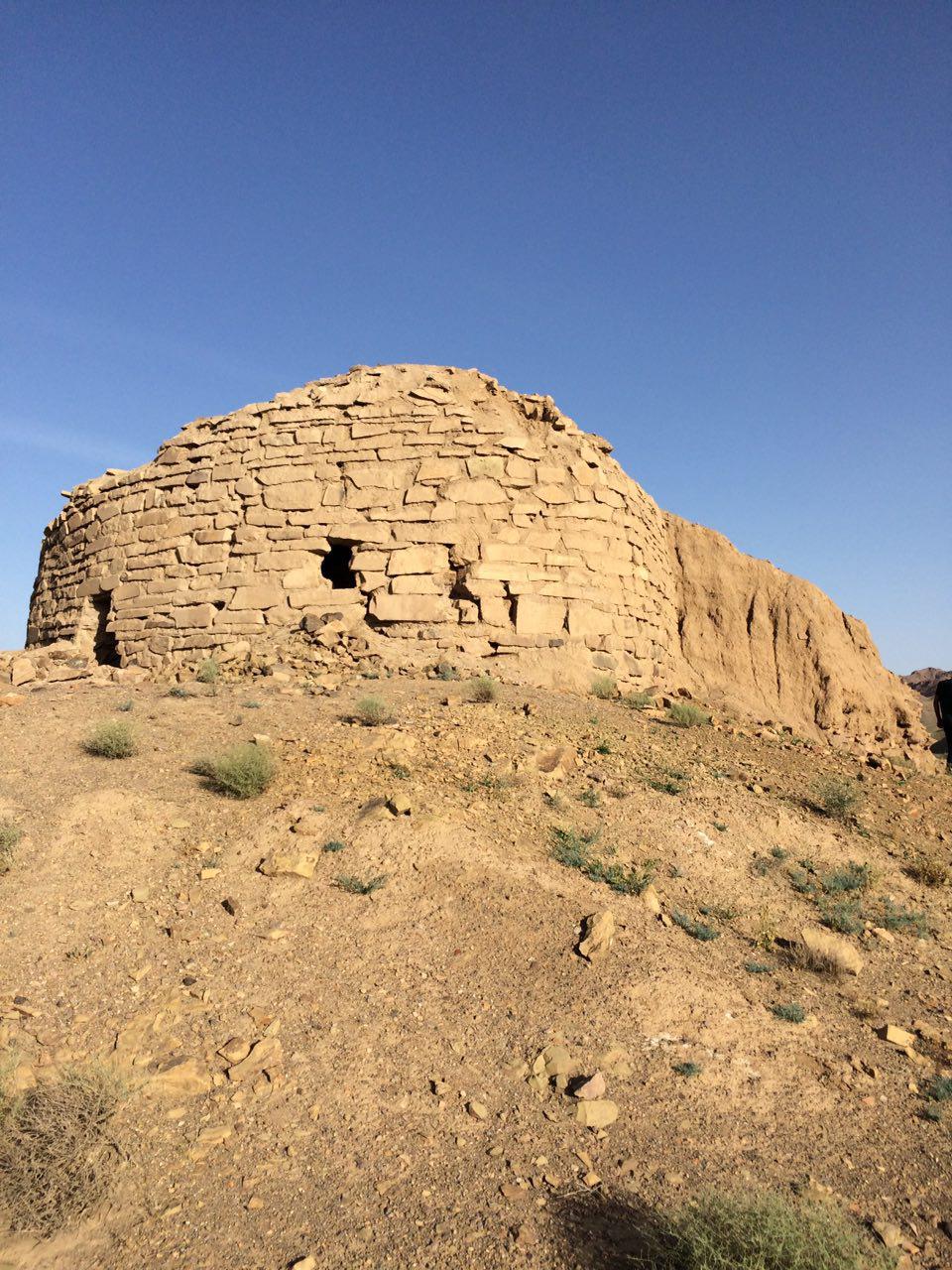
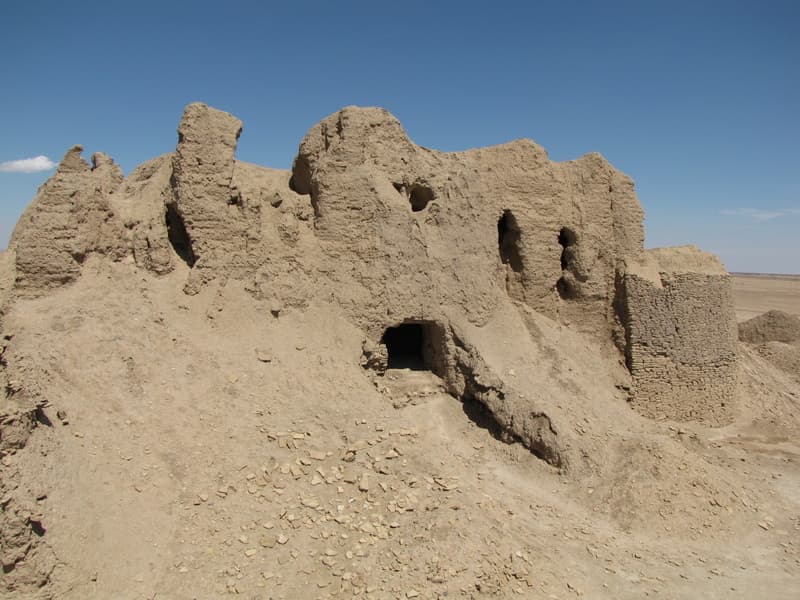
Mohammadabad Mud Castle, also known as Geli Castle (Persian: قلعه گلی), is an ancient historic fortress situated in Qom County, within Qom Province, Iran. This castle dates back to the Parthian era, making it a significant archaeological and architectural monument from the early centuries of the first millennium CE. The castle is primarily constructed from mud-brick, a common building material in the region, which has contributed to its endurance through centuries.
Historical context and significance
The Parthian Empire (247 BCE – 224 CE) was a major Iranian political and cultural power, and castles such as Mohammadabad Mud Castle played crucial roles in regional defense and administration. The castle's location in Qom Province places it strategically along important historical routes linking central Iran with other parts of the empire. This positioning likely made it a key site for controlling movement and trade, as well as serving as a military stronghold.
Given its construction during the Parthian period, the castle provides valuable insights into the military architecture and settlement patterns of that era. Its survival to the present day, despite being made primarily of mud-brick, highlights the advanced building techniques employed by Parthian builders.
Architectural features and construction
Mohammadabad Mud Castle is classified as a hill castle, indicating that it was built on elevated terrain to maximize defensive advantages. The use of mud-brick as the primary building material reflects typical construction methods in arid regions of Iran where stone was less accessible. The thick walls, likely reinforced with timber, would have provided protection against both natural erosion and military attacks.
The castle's design probably included defensive walls, towers, and possibly a central keep or citadel, although detailed archaeological surveys would be required to confirm the full extent of its layout. The mud-brick construction would have required regular maintenance, suggesting that the castle was an active site for a considerable period.
Defensive elements
As a hill castle, it would have featured natural defensive advantages such as steep slopes and commanding views over the surrounding landscape. Defensive walls with battlements and watchtowers were common features in Parthian military architecture, designed to repel invaders and provide secure observation points.
Archaeological and cultural importance
Today, Mohammadabad Mud Castle stands as an important archaeological site that offers scholars a glimpse into Parthian-era fortifications and settlement strategies. The castle's preservation, despite the fragility of mud-brick, allows for ongoing study and conservation efforts.
The site contributes to understanding the broader historical narrative of the region, including the transition from Parthian to Sasanian rule and later Islamic periods. It also enriches the cultural heritage of Qom Province, attracting interest from historians, archaeologists, and visitors interested in Iran's ancient past.
Preservation challenges
The mud-brick construction, while historically authentic, poses challenges for preservation due to vulnerability to weathering and erosion. Conservation efforts must balance maintaining the original materials with protecting the structure from further decay.
Visiting information and accessibility
While specific visitor information for Mohammadabad Mud Castle is limited, such historic sites in Iran typically require coordination with local heritage authorities for access. Visitors interested in exploring Parthian-era architecture and Iranian history may find the castle a valuable destination when traveling in Qom Province.
Exploring the castle offers a unique opportunity to experience ancient military architecture firsthand and to appreciate the ingenuity of early Iranian builders in adapting to their environment.
Frequently asked questions (FAQ)
- What is the historical significance of Mohammadabad Mud Castle?
- Mohammadabad Mud Castle dates back to the Parthian era and served as a military stronghold in Qom Province, reflecting early Iranian defensive architecture.
- Can I visit Mohammadabad Mud Castle?
- Visitor access may be limited and typically requires coordination with local heritage authorities in Qom Province. It is advisable to check in advance for visiting permissions.
- What materials were used in the construction of the castle?
- The castle was primarily constructed using mud-brick, a common building material in arid regions of Iran, which has helped preserve its structure over centuries.
- Why is Mohammadabad Mud Castle classified as a hill castle?
- It is classified as a hill castle because it was built on elevated terrain, providing strategic defensive advantages such as better visibility and natural protection.
Photo gallery

Information
Loading map...
Visitor reviews
No reviews yet. Been here? Write the first review and help other travelers!
Write the first reviewVisited this castle? Share your experience
Your review helps other travelers and adds first-hand knowledge to our encyclopedia.