Bar Bar Castle — Iran castle

Bar Bar Castle

Bar Bar castle in Ardabil province, Iran
Meshgin Shahr, Iran
Early Medieval (5th–10th c.)
Partially Preserved

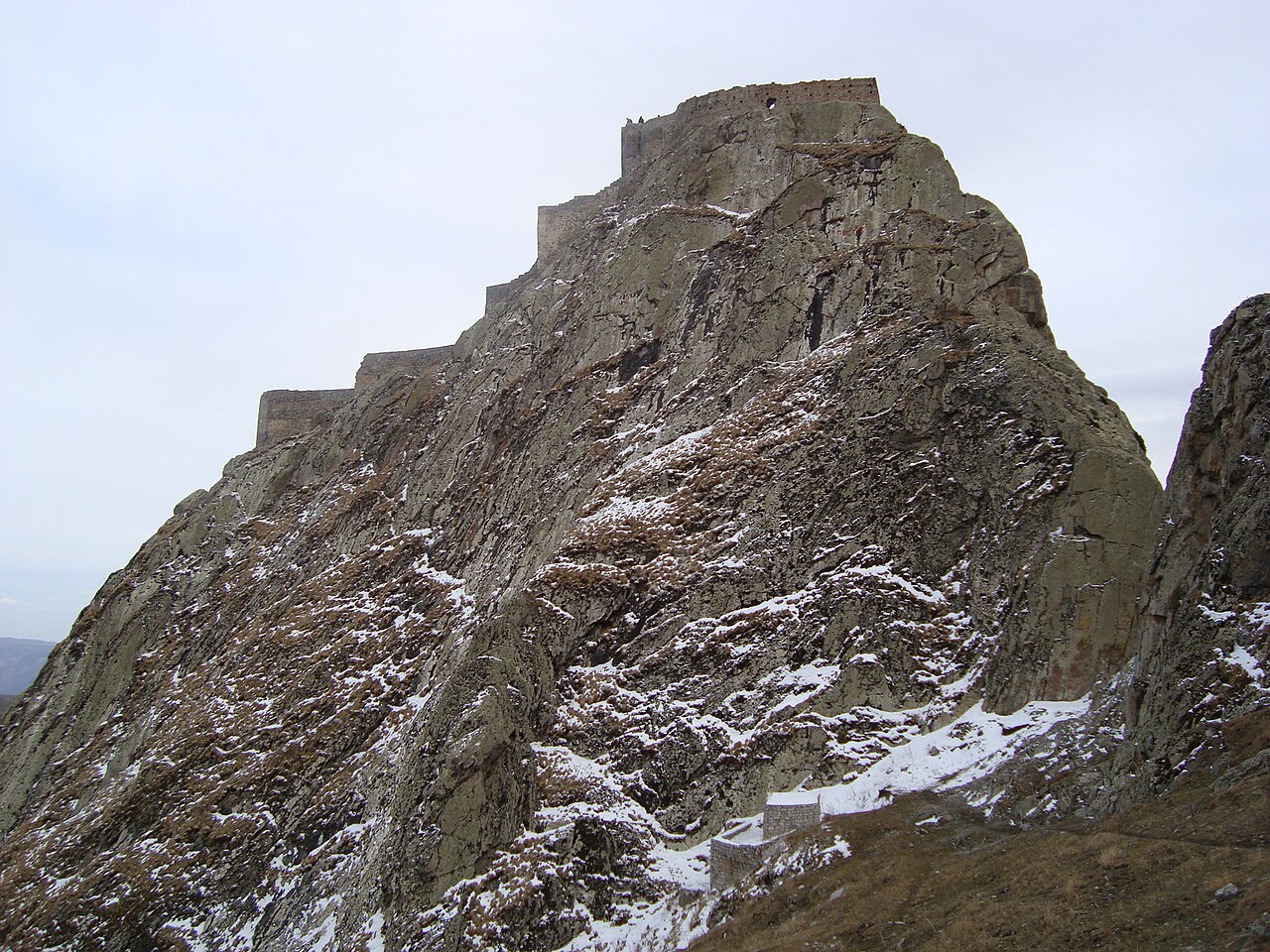
Bar Bar castle (Persian: قلعه بربر) is a significant historical hill castle situated in Meshgin Shahr County within Ardabil Province, Iran. This fortress's origins trace back to the 2nd and 3rd centuries AH (approximately the 8th to 9th centuries AD), marking it as an important relic from the early Islamic period. The castle's strategic position atop a hill provided natural defensive advantages, a common feature in fortifications of this era.

Historical context and significance

Constructed during the early medieval period, Bar Bar castle reflects the military architecture and regional defense strategies prevalent in northwestern Iran during the early centuries of Islamic rule. The castle likely served as a military stronghold and refuge against invasions and local conflicts, playing a role in controlling the surrounding territory of Ardabil, a region historically significant due to its proximity to the Caucasus and trade routes.

The castle's longevity through centuries indicates its continued use and maintenance, adapting to the changing political and military landscapes of the region. While specific historical events tied directly to Bar Bar castle are not extensively documented, its enduring presence highlights its importance in regional defense and administration.

Architectural features

Bar Bar castle exemplifies typical hill castle architecture, utilizing the natural elevation to enhance its defensive capabilities. The fortress was likely surrounded by thick stone walls, designed to withstand sieges and attacks. The remnants suggest the use of local stone materials, shaped and assembled to form robust fortifications.

The castle probably featured watchtowers and battlements along the walls, enabling defenders to monitor the surrounding landscape and repel attackers effectively. The entrance would have been fortified with a gatehouse and possibly a drawbridge or heavy wooden doors, common in castles of this period to control access.

Inside the walls, there would have been various chambers and halls serving administrative, residential, and military functions. Storage rooms for provisions and armaments, living quarters for soldiers and commanders, and possibly a cistern or water storage system to endure sieges would have been integral components.

Construction techniques

The construction reflects early medieval masonry techniques, with stone blocks carefully fitted without extensive use of mortar, relying on the weight and placement for stability. This method was typical in Iranian fortifications of the time, balancing durability with available resources.

Preservation and current condition

Today, Bar Bar castle stands as partially preserved ruins, with some sections of walls and foundational structures still visible. The site offers valuable insights into early Islamic military architecture in Iran, although it requires further archaeological study and conservation efforts to prevent further degradation.

Visitors to the site can observe the castle's layout and appreciate its strategic hilltop location, which provides panoramic views of the surrounding Ardabil landscape. The castle remains a cultural heritage site, reflecting the region's historical depth and architectural ingenuity.

Visiting Bar Bar castle

While specific visitor facilities and access details are limited, the castle's location in Meshgin Shahr County makes it accessible for those interested in historical sites and hiking. The rugged terrain and the castle's elevated position mean that visitors should be prepared for a moderately challenging ascent.

Exploring Bar Bar castle offers a unique opportunity to connect with Iran's early medieval history and to witness the enduring legacy of hilltop fortifications designed for defense and control.

Frequently asked questions (FAQ)

What is the historical significance of Bar Bar Castle?
Bar Bar Castle, located in Meshgin Shahr, is a remarkable example of Iranian military architecture from the medieval period. It served as a defensive structure and a residence for local rulers, showcasing the strategic importance of the region throughout history.
When was Bar Bar Castle built?
Bar Bar Castle is believed to have been constructed in the 12th century, during the Seljuk period. Its age contributes to its status as a significant historical monument, reflecting the architectural styles and military needs of the time.
Can I visit Bar Bar Castle year-round?
Yes, Bar Bar Castle is open to visitors throughout the year. However, it is advisable to check local weather conditions, as the best time to visit is during the spring and autumn months when temperatures are more comfortable.
What are the opening hours for Bar Bar Castle?
Bar Bar Castle typically opens daily from 9 AM to 5 PM. It is recommended to arrive early to fully explore the site and enjoy the breathtaking views from the castle.
Is it possible to access Bar Bar Castle by public transportation?
Yes, Bar Bar Castle can be reached via public transportation from Meshgin Shahr. Local buses and taxis frequently service the area, making it convenient for visitors to access the castle.
What are the ticket prices for visiting Bar Bar Castle?
The ticket prices for Bar Bar Castle are quite affordable, generally costing around 100,000 IRR for adults. Discounts may be available for students and children, making it an economical option for families and visitors.
What is the architecture style of Bar Bar Castle?
Bar Bar Castle features a blend of Persian and Islamic architectural styles, characterized by its sturdy stone walls and strategic layout. The design reflects the military needs of the era while also showcasing intricate craftsmanship typical of Iranian architecture.
Are there any nearby attractions to visit after Bar Bar Castle?
Yes, there are several nearby attractions worth exploring. Visitors can check out the stunning natural landscapes in the surrounding Meshgin Shahr area, including hot springs and other historical sites like the Arasbaran Protected Area.

Photo gallery

Bar Bar Castle
Click to view

Photo by Hmdbani•CC BY-SA 4.0

1 photo • Click any image to view in full screen

Information

Hill Castle

Loading map...

Visitor reviews

No reviews yet. Been here? Write the first review and help other travelers!

Write the first review

Visited this castle? Share your experience

Your review helps other travelers and adds first-hand knowledge to our encyclopedia.
Write a review

(5/5)

0/2000 characters

Your review will be visible after admin approval

Nearby castles

41.8 km
Qahqaheh Castle — Iran castle

Qahqaheh Castle

, Iran

Qahqaheh Castle (قلعه قهقهه) is a historic hill castle located approximately 85 kilometres from Meshginshahr in the Ardabil Province of Iran. Built during the Safavid dynasty period, this fortress is notable for its strategic mountainous location and its role as a high-security prison for political prisoners and royal captives. Historical background and significance The castle was constructed in the 16th century, a time when the Safavid dynasty was consolidating power across Persia. It served primarily as a detention site for anti-government politicians and other prisoners considered threats to the ruling regime. Most famously, Ismail II, the third king of the Safavid dynasty, was imprisoned within its walls before his death. The use of Qahqaheh Castle as a prison underscores the Safavid rulers' efforts to maintain control over their realm by isolating political adversaries in remote, defensible locations. Its mountain setting added a natural layer of security, making escape nearly impossible. Architectural features and location Qahqaheh Castle is classified as a hill castle owing to its placement atop a mountainous area, which provided a commanding view of the surrounding landscape and natural defenses against attackers. The rugged terrain and elevation made it a formidable stronghold. While detailed architectural plans are scarce, typical features of Safavid fortifications include thick stone walls, narrow windows for archers, and limited access points to enhance security. The castle's design would have reflected these defensive priorities, optimized for keeping prisoners confined rather than serving as a royal residence. Defensive structures The castle likely included fortified walls and watchtowers to monitor the surrounding area. Its remote location in the mountains functioned as a natural deterrent to escape and assault. The steep approach routes and rocky outcrops would have been integral to its defense strategy. Role during the Safavid dynasty During the Safavid era, Qahqaheh Castle's primary function was as a prison for high-profile detainees. The incarceration of Ismail II, who ruled briefly from 1576 to 1577, highlights the castle's importance in the political intrigues of the time. His imprisonment there reflects the internal power struggles within the Safavid court. The castle's isolation made it an ideal location for detaining those who posed a threat to the dynasty's stability. This included not only political rivals but also rebellious nobles and other figures deemed dangerous by the ruling elite. Current condition and cultural heritage Today, Qahqaheh Castle remains a site of historical interest, though it is in a state of ruins. Its remote location has helped preserve some of its structural elements, but extensive restoration has not been undertaken. The castle stands as a testament to the Safavid period's complex history of governance and control. The site attracts historians and tourists interested in Persian history and architecture, as well as those curious about the darker aspects of royal power and imprisonment. Visiting Qahqaheh Castle Access to the castle requires travel through mountainous terrain near Meshginshahr. Visitors should prepare for rugged conditions and limited facilities. The castle's remote position means it is less frequented than other Iranian historical sites, offering a more solitary experience. There is limited information on official visiting hours or entrance fees, so potential visitors are advised to check local resources or tour operators for the latest details.

High Medieval (11th–13th c.)
Details
66 km
Poshtab Castle — Iran castle

Poshtab Castle

, Iran

Poshtab Castle, also known as Pashtou Castle (Persian: قلعه پشتاب), is a remarkable hill castle located in the village of Poshtab within Ahar County in northwestern Iran. This ancient fortress is perched atop a natural rock formation, utilizing the rugged terrain to enhance its defensive capabilities. The castle's strategic position on a rocky outcrop with inaccessible cliffs on most sides makes it a classic example of a hill castle designed for defense and surveillance. Historical background and significance The origins of Poshtab Castle trace back to the Parthian and Sassanid periods, placing its construction roughly between the 3rd century BCE and the 7th century CE. These eras were characterized by significant developments in military architecture in the region, as the Parthians and Sassanids sought to fortify their territories against various nomadic incursions and rival empires. Poshtab Castle, like many fortifications of its time, served as a military stronghold and a refuge for local populations during times of conflict. Its proximity to the better-known Qahqaheh Castle, another Sassanid fortress, highlights the strategic network of defensive sites established across this part of Iran. This network was crucial for controlling trade routes and securing the empire's borders. Architectural features and layout The castle is notable for its integration with the natural landscape. Built directly on a large rock, the structure incorporates stairs carved into the stone and engraved cabins or chambers hewn from the rock face. These features illustrate the ingenuity of ancient builders in adapting their construction techniques to the challenging terrain. Poshtab Castle has only one known entry point, which was a common defensive feature to limit access and enhance security. The other sides are protected by steep, inaccessible cliffs, effectively serving as natural barriers against attackers. This design minimized the need for extensive man-made fortifications on those sides. The castle's internal layout likely included living quarters, storage areas, and defensive positions, although much of the detailed plan remains to be fully studied. The carved chambers suggest a multifunctional use, possibly including residential spaces and storage for provisions or weapons. Construction techniques and materials The construction of Poshtab Castle demonstrates advanced stone-working skills characteristic of the Sassanid and Parthian eras. The use of the natural rock as both foundation and building material reduced the need for transporting large quantities of stone, while also providing a solid and durable base. The carved stairs and cabins required precise craftsmanship and knowledge of the rock's properties. This method of construction also helped the castle blend into its environment, making it less conspicuous and harder to assault. Role and function through history Throughout its history, Poshtab Castle functioned primarily as a military fortress. Its location allowed it to serve as a lookout point and a defensive bastion against invading forces. The castle likely played a role in regional conflicts and the protection of local communities during turbulent periods. Given its connection to the Sassanid and Parthian empires, the castle also represents the broader historical narrative of Iranian military architecture and the empire's strategies for territorial control. Current condition and preservation Today, Poshtab Castle remains a significant archaeological site, although it is in a state of ruins. Many of the carved features and rock formations are still visible, offering valuable insights into ancient construction methods and defensive design. The castle's remote location and natural defenses have helped preserve much of its structure despite centuries of exposure. Efforts to study and preserve Poshtab Castle contribute to understanding the region's rich cultural heritage and the legacy of ancient Iranian civilizations. Visiting Poshtab Castle While the castle is not as widely known as some other Iranian fortresses, it attracts visitors interested in ancient history and architecture. Access to the site involves navigating rugged terrain, so visitors should be prepared for a challenging hike. The unique combination of natural and man-made features makes Poshtab Castle a fascinating destination for those exploring the historical landscapes of northwestern Iran. Nearby attractions Visitors to Poshtab Castle often combine their trip with a visit to nearby Qahqaheh Castle, another prominent fortress from the same historical periods. The region offers a rich tapestry of archaeological and cultural sites that illustrate the military and architectural advancements of ancient Iran.

Details
86.4 km
Babak Castle — Iran castle

Babak Castle

, Iran

Babak Castle, also known as Pāpak Fort, is a significant early medieval fortress located in the Arasbaran forests of northwestern Iran. Situated approximately 50 kilometers from Ahar and near the city of Kalibar, this mountain citadel occupies a strategic position atop a rugged peak, providing natural defense and commanding views of the surrounding landscape. The castle's remote and elevated location was crucial for its role as a stronghold during turbulent times in Iranian history. The castle is historically renowned as the bastion of Babak Khorramdin and his predecessor Javidhan, leaders of the Khurramite movement in Iranian Azerbaijan. This group fiercely resisted the Abbasid Caliphate in the 9th century, championing a syncretic religious and political cause rooted in Iranian nationalist and religious ideals. Babak Castle served as a refuge and military base during their prolonged rebellion against Abbasid rule. Architectural features and strategic location The fortress is primarily classified as archaeological ruins today, with remnants revealing its original function as a mountain stronghold. The castle's construction leveraged the natural topography, integrating steep cliffs and rocky outcrops into its defenses. Walls and fortifications were built to enhance these natural barriers, making it difficult for invading armies to capture the site. Although much of the structure has deteriorated over time, archaeological surveys have identified traces of defensive walls, watchtowers, and cisterns that supported prolonged sieges. The castle's position on a high mountain allowed control over key routes in the region, facilitating communication and movement for the Khurramite forces. Its isolation also provided a secure retreat from Abbasid military campaigns. The rugged terrain around Babak Castle contributed to its reputation as a nearly impregnable fortress during its time. Historical significance and the khurramite rebellion Babak Khorramdin emerged as a prominent leader of the Khurramites, a religious and political group that combined elements of Zoroastrianism and local Iranian traditions in opposition to the Islamic Abbasid Caliphate. The Khurramite rebellion, which lasted from approximately 816 to 837 CE, was centered in the mountainous areas of Iranian Azerbaijan, with Babak Castle as a key base. The fortress was the scene of numerous military engagements between Khurramite forces and Abbasid armies. Despite several Abbasid campaigns to subdue the rebellion, Babak Castle's defenses and the determination of its defenders prolonged the conflict. The castle ultimately fell in 837 CE when Abbasid general Afshin led a successful siege, capturing and destroying the fortress, which marked a turning point in the suppression of the Khurramite uprising. Cultural legacy and archaeological importance Today, Babak Castle stands as a symbol of resistance and Iranian cultural identity. Its ruins attract historians, archaeologists, and tourists interested in the early medieval period of Iranian history and the Khurramite movement. Excavations and studies of the site contribute valuable insights into the military architecture and social history of the region during the 9th century. The castle's enduring presence in local folklore and national memory underscores its importance beyond mere military function. It represents the struggle for autonomy and cultural preservation during a period of significant political and religious change in the Islamic world. Visiting babak castle Babak Castle is accessible by a challenging hike through mountainous terrain, reflecting its original defensive purpose. Visitors should be prepared for a physically demanding journey to reach the ruins, which are situated at a high altitude. The site offers panoramic views of the surrounding forests and valleys, making it a rewarding destination for those interested in history and nature. While the castle remains in a state of ruin, efforts to preserve and study the site continue. There are no extensive visitor facilities on site, so planning ahead with appropriate gear and local guidance is recommended.

Early Medieval (5th–10th c.)
Details