Pomoriany Castle
Pomoriany Castle (Ukrainian: Поморянський замок, Polish: Zamek w Pomorzanach) stands as a significant 16th-century noble residence ruin located in the rural settlement of Pomoriany, within the Zolochiv Raion of Lviv Oblast, Ukraine. Positioned on the bank of the Zolota Lypa River, the castle was originally built as a well-fortified structure to serve both residential and defensive purposes for the local aristocracy.
The castle's early proprietors included notable figures such as Mikołaj Świnka and Jan Sienieński, who were influential nobles during the period. The design of Pomoriany Castle reflected the typical architectural features of 16th-century fortifications in the region, combining elements of a fortified manor with defensive towers and thick walls to withstand sieges and raids.
Architectural features and original structure
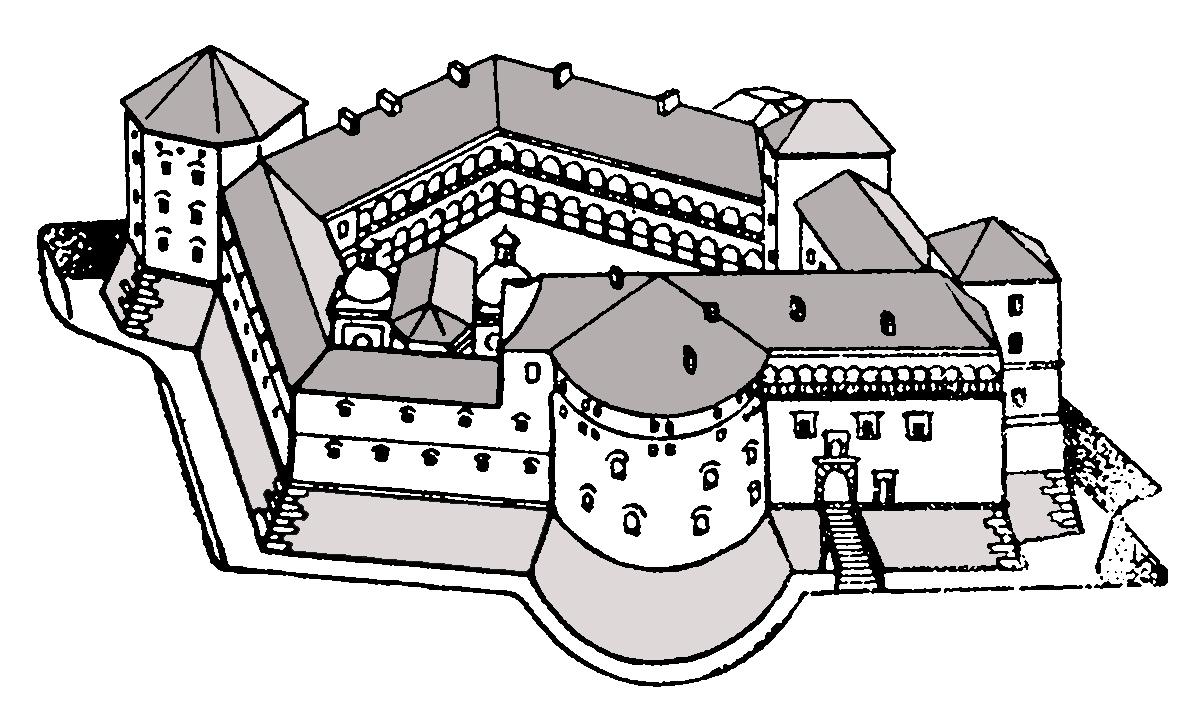
Pomoriany Castle was initially constructed with multiple defensive components including a barbican gate, three towers, and several wings that formed a compact complex. These features were characteristic of fortified noble residences of the Renaissance period in Eastern Europe, designed to provide security against frequent incursions while also serving as a symbol of status and power.
The castle’s location along the Zolota Lypa River was strategic, offering natural defense advantages and access to water. The walls were likely built of local stone and brick, materials commonly used in the region at the time, and the towers would have provided vantage points for surveillance and defense.
Historical challenges and periods of decline
Throughout its history, Pomoriany Castle endured significant damage during military conflicts. In particular, it suffered from attacks by Cossack forces and Turkish troops in 1675 and 1684. These assaults left the castle severely damaged and contributed to a period of decline.
Despite this, the castle saw a revival under the patronage of Jan III Sobieski, the King of Poland and Grand Duke of Lithuania, who invested in restoration efforts to convert Pomoriany into one of his country residences. Sobieski's involvement in the late 17th century marked an important phase in the castle's history, although his death in 1696 was followed by renewed neglect and deterioration.
Transformation in the late 18th century
A significant transformation took place in 1789 when Erasm Pruszyński undertook a modernization project to convert the dilapidated fortress into a contemporary residence. This renovation involved the demolition of key medieval defensive elements, including the barbican gate, three towers, and several wings. The changes reflected the shift in architectural priorities from military defense to residential comfort and style during the late Renaissance and early modern period.
Ownership and later use
By the 20th century, Pomoriany Castle was owned by the prominent Potocki family, a noble lineage with significant estates across Ukraine and Poland. The castle remained in their possession until 1939, the year marking the onset of World War II and the subsequent upheavals in the region.
Following the September Campaign in 1939, the castle was repurposed as a school building, adapting its historic structure for educational use. However, this phase was relatively short-lived, and by the late 1970s, the castle was abandoned and left to deteriorate further, resulting in its current state as ruins.
Current condition and heritage significance
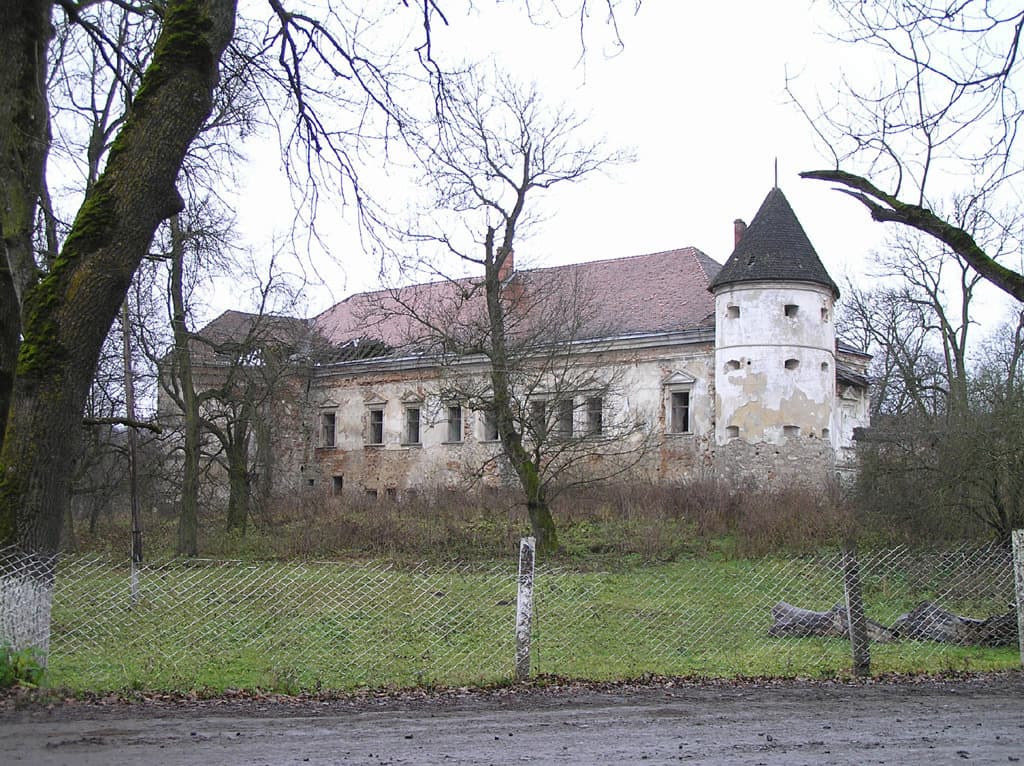
Today, Pomoriany Castle exists primarily as an archaeological ruin, with only fragments of its original structure remaining visible. The loss of its towers and defensive walls during the 18th-century renovations, combined with damage from historical conflicts and neglect, have left the castle in a partial state of preservation.
Despite this, the site holds cultural and historical importance as a representative example of a 16th-century noble fortified residence in Western Ukraine. It offers insight into the architectural evolution from medieval fortifications to early modern noble estates, as well as the turbulent history of the region marked by wars and changing political powers.
Visitor information and preservation efforts
While Pomoriany Castle is not fully restored, it remains accessible to visitors interested in the history and architecture of Ukrainian castles. The ruins provide a tangible connection to the past and are a subject of interest for historians, archaeologists, and tourists exploring the heritage of the Lviv Oblast.
Preservation efforts are limited, and the castle's condition continues to decline without significant restoration. Nonetheless, it stands as a valuable archaeological site reflecting the complex history of noble residences and military architecture in Eastern Europe.
Frequently asked questions (FAQ)
- What is the historical significance of Pomoriany Castle?
- Pomoriany Castle, built in the late 16th century, is a remarkable example of Renaissance architecture in Ukraine. It served as a stronghold for various noble families and played a crucial role in regional defense during tumultuous times.
- When was Pomoriany Castle built?
- Construction of Pomoriany Castle began in 1580 and was completed in the early 17th century. Its strategic location and robust design were intended to protect the region from invasions, making it an essential part of Ukraine's historical landscape.
- What are the opening hours for Pomoriany Castle?
- Pomoriany Castle is typically open to visitors from 10 AM to 6 PM, Tuesday through Sunday. It is advisable to check for any seasonal variations or special events that might affect these hours before planning your visit.
- Can I access Pomoriany Castle with a disability?
- While efforts have been made to improve accessibility at Pomoriany Castle, some areas may still pose challenges for visitors with disabilities due to the historical nature of the site. It is recommended to contact the castle administration in advance to inquire about specific accessibility options.
- What is the best time to visit Pomoriany Castle?
- The best time to visit Pomoriany Castle is during the spring and early autumn months when the weather is mild and pleasant. This allows visitors to enjoy the beautiful surrounding landscapes and explore the castle grounds comfortably.
- Are there any nearby attractions to Pomoriany Castle?
- Yes, visitors to Pomoriany Castle can explore several nearby attractions, including the picturesque village of Pomoriany and its surrounding natural beauty. Additionally, the city of Lviv, known for its rich culture and history, is just a short drive away.
- How much are the ticket prices for Pomoriany Castle?
- Tickets to Pomoriany Castle are generally affordable, with prices typically ranging between 20 to 50 UAH per person. Special discounts may be available for students, seniors, and groups, so it's worth checking for any promotional offers before your visit.
- Is it possible to take guided tours at Pomoriany Castle?
- Yes, guided tours are available at Pomoriany Castle, offering visitors a deeper insight into its rich history and architectural features. These tours are led by knowledgeable guides who can provide engaging stories and answer any questions you may have during your visit.
Photo gallery

Information
Loading map...
Visitor reviews
No reviews yet. Been here? Write the first review and help other travelers!
Write the first reviewVisited this castle? Share your experience
Your review helps other travelers and adds first-hand knowledge to our encyclopedia.