Pleujouse Castle
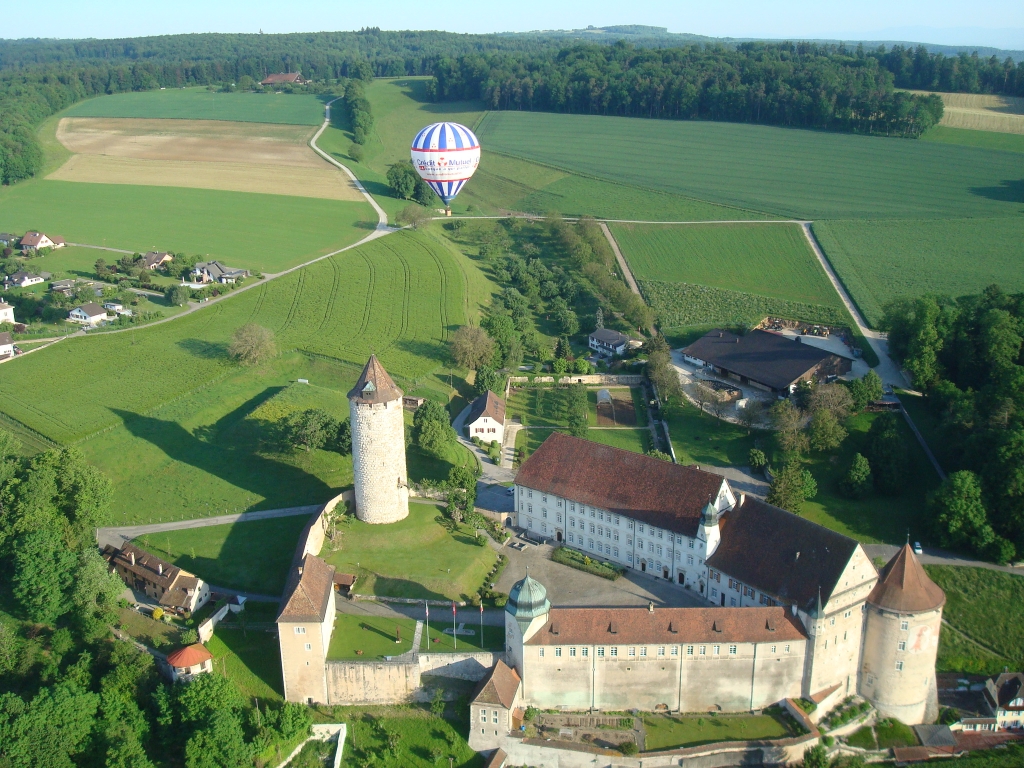
Pleujouse Castle stands as a remarkable example of a high medieval hill castle located in the municipality of Pleujouse, Switzerland. Founded around 1105, it was initially established by the noble Lutfridus family as a fortified stronghold that anchored the development of the surrounding village. The castle's strategic position on a hilltop provided commanding views over the nearby villages of Pleujouse and Fregiécourt, enabling effective surveillance and defense.
Early history and feudal ownership
The castle's origins trace back to the early 12th century when it was first mentioned in historical records. Initially built as a defensive residence, it served both military and administrative functions typical of high medieval fortifications. The castle was strengthened by its founding noble family, who used it to assert control over the surrounding lands.
From the 13th century onward, Pleujouse Castle came under the jurisdiction of the Bishopric of Basel, reflecting the intertwining of religious authority and feudal power in the region. Over the centuries, the castle passed through the hands of several noble families, including the Mörsberg family and the counts of Fribourg, Neuchâtel, and Ortenburg. Each family contributed to the castle's legacy, adapting its structure and function to the evolving political landscape.
A significant episode in the castle's history occurred in 1380 when Jean d’Ulrich d’Asuel acquired the property. His tenure was cut short by his death at the Battle of Sempach, a pivotal conflict in Swiss history. Following his death, ownership reverted to his lord, Jean de Vienne, underscoring the castle's role within the feudal hierarchies and military struggles of the late medieval period.
Decline and transformation
The 17th century marked a period of decline for Pleujouse Castle. After the death of the last Ortenburg widow around 1660, the castle was abandoned and gradually fell into disrepair. This decline mirrored broader shifts in military technology and political structures that rendered many medieval castles obsolete.
During the French Revolution, the castle was confiscated and sold as national property, a fate common to many noble estates at the time. In the 20th century, renewed interest in heritage preservation led to the acquisition of the site by the Association for the Conservation of the Château de Pleujouse (ACCP) in 1924, marking the beginning of concerted efforts to protect and restore the castle.
A devastating fire in January 1980 caused severe damage, destroying parts of the structure and valuable interior furnishings. Restoration efforts that followed aimed to stabilize and repair the castle, culminating in its adaptive reuse as a restaurant from 1988. This transformation exemplifies the modern approach to heritage sites, combining preservation with functional reuse.
Architectural features and current condition
Pleujouse Castle retains key elements characteristic of medieval fortified residences. The most prominent surviving feature is its tower, accessible by a staircase of 37 steps leading to an observation platform. This vantage point historically allowed occupants to monitor the surrounding countryside and nearby villages, emphasizing the castle's defensive purpose.
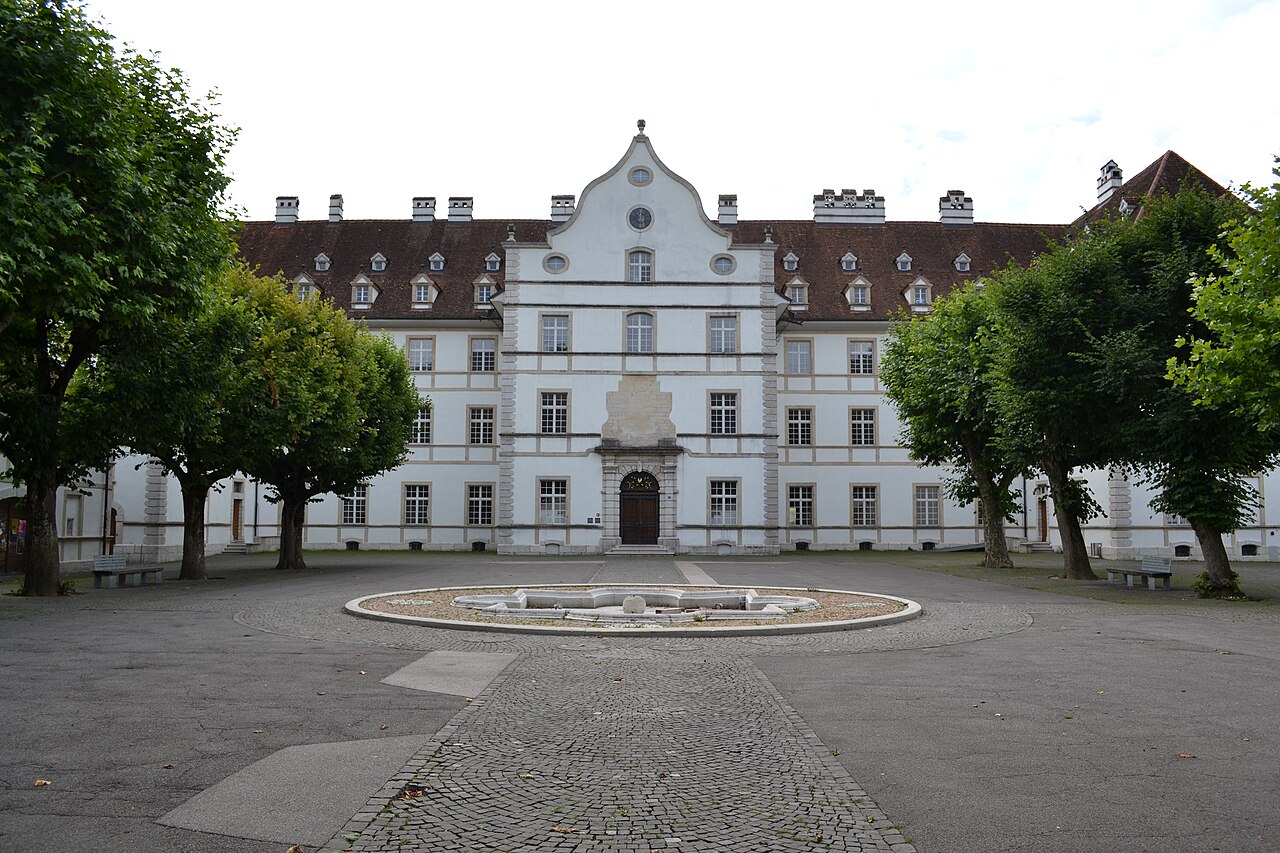
The castle's construction employs robust stone masonry, typical of the medieval period, designed to withstand military assaults and the test of time. While some sections were lost in the 1980 fire, restoration has preserved the essential structural components, maintaining the castle's imposing silhouette on the hillside.
The castle's layout and remaining structures provide valuable insight into medieval defensive architecture and feudal residential design. Its position on a hilltop, fortified walls, and elevated tower collectively underscore its role as a stronghold and administrative center.
Cultural significance and local legend
Pleujouse Castle is woven into the cultural fabric of the region through local folklore. The legend of Alie d’Asuel, known as the "White Lady," and her lover Huson de Pleujouse adds a layer of romantic tragedy to the castle's history. According to the tale, the couple was killed while fleeing the castle, and their final resting place is said to be beneath a mound marked by a wooden cross near the road between Pleujouse and Charmoille.
This legend enriches the castle's identity, connecting the physical site to intangible heritage and local memory. The story continues to captivate visitors and locals alike, enhancing the castle's allure beyond its architectural and historical significance.
Visiting pleujouse castle today
Today, Pleujouse Castle remains a visible and evocative landmark in the Swiss landscape. Its restored tower and adaptive reuse as a restaurant provide visitors with a unique opportunity to experience medieval architecture in a contemporary setting. The castle's historical depth, combined with its scenic location and cultural stories, make it a compelling destination for those interested in medieval history, architecture, and regional heritage.
Visitors can appreciate the castle's strategic hilltop position, explore the tower's observation platform, and reflect on the centuries of history embodied in its walls. The site stands as a testament to the enduring legacy of medieval fortifications and the ongoing efforts to preserve and celebrate Switzerland's cultural heritage.
Frequently asked questions (FAQ)
- What are the visiting hours for Pleujouse Castle?
- Pleujouse Castle is accessible to visitors primarily through its restaurant, which operates during regular dining hours. It is recommended to check the restaurant's schedule in advance for specific opening times.
- Is Pleujouse Castle wheelchair accessible?
- Due to its medieval architecture and hilltop location, Pleujouse Castle has limited accessibility for wheelchair users. Visitors with mobility concerns should inquire ahead for possible accommodations.
- Can I visit the observation tower at Pleujouse Castle?
- Yes, visitors can climb the staircase of 37 steps to reach the tower's observation platform, which offers panoramic views of the surrounding villages and countryside.
- What is the historical significance of Pleujouse Castle?
- Pleujouse Castle played a key role in regional feudal networks from the 12th century onward, serving as a fortified residence and administrative center under various noble families and the Bishopric of Basel.
- Are there any legends associated with Pleujouse Castle?
- Yes, the castle is linked to the local legend of Alie d’Asuel, the "White Lady," and her lover Huson de Pleujouse, whose tragic story is commemorated near the castle grounds.
Information
Website
Visit websiteSources & official resources
Verify the information above using these authoritative references.
Loading map...
Visitor reviews
No reviews yet. Been here? Write the first review and help other travelers!
Write the first reviewVisited this castle? Share your experience
Your review helps other travelers and adds first-hand knowledge to our encyclopedia.