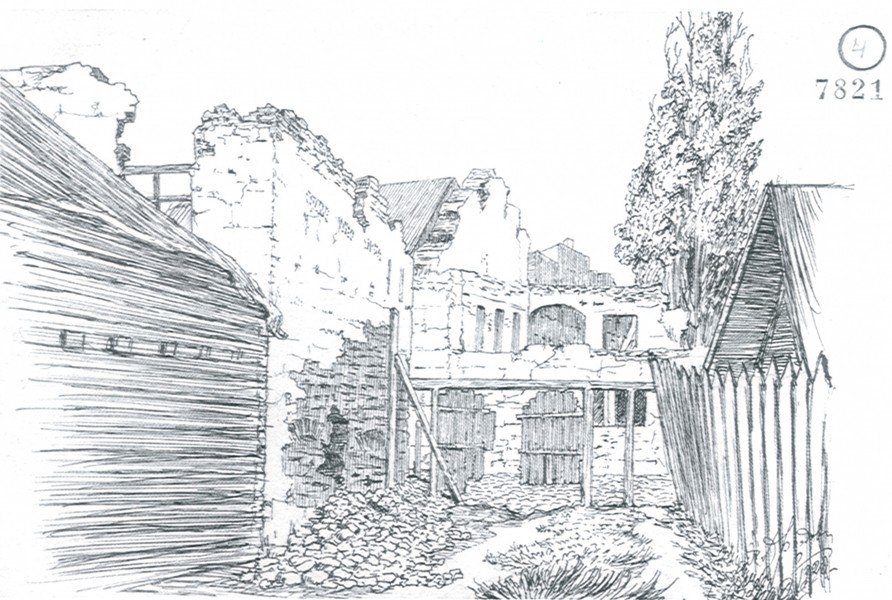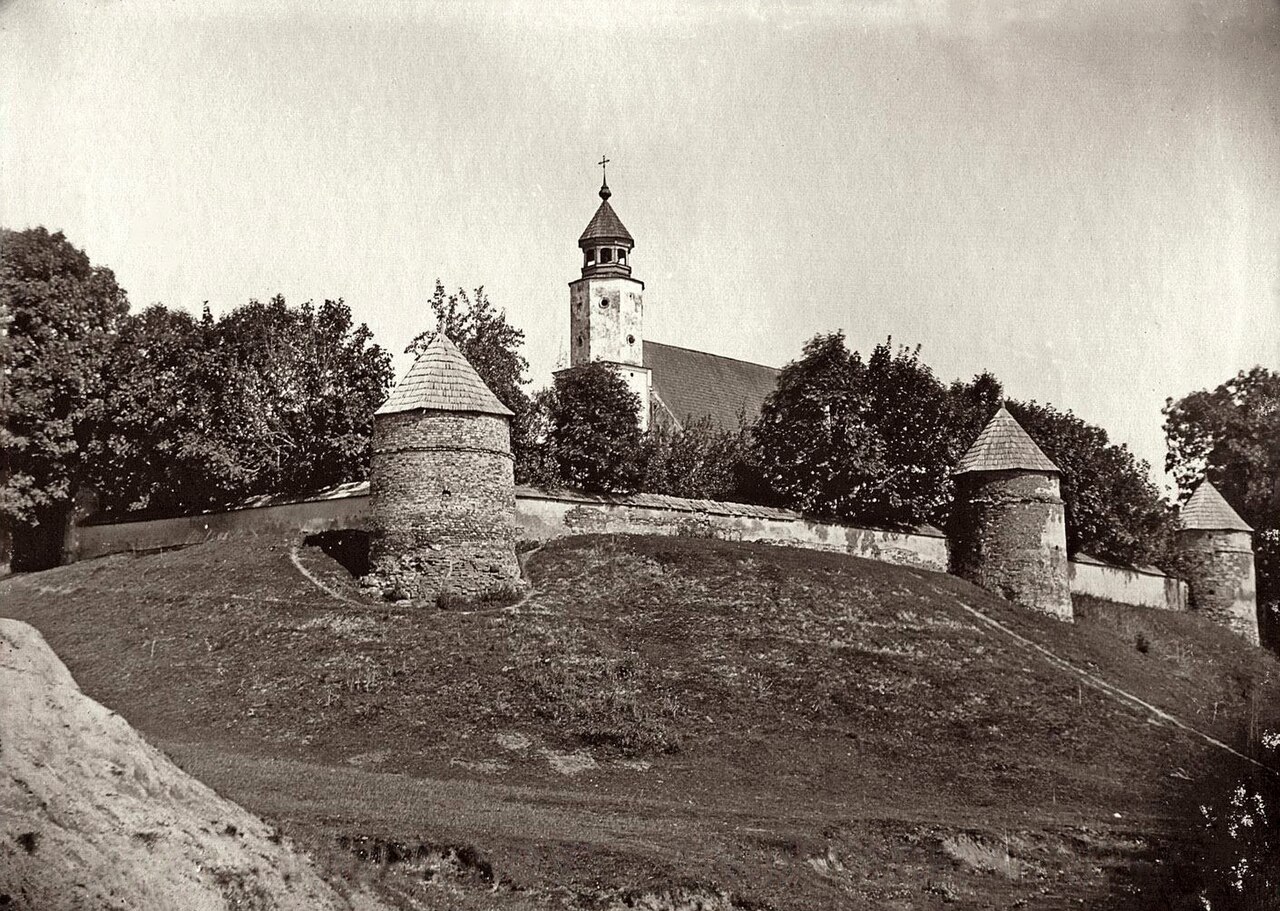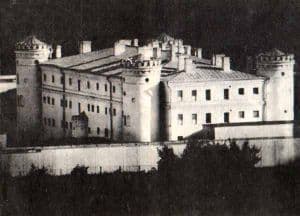
Pischalauski Castle, located in Minsk, Belarus, is a historic fortress known for its role as a prison and its distinctive architectural presence. Constructed in 1825, this castle is often referred to as the Belarusian Bastille due to its long-standing function as a detention center. The castle's design reflects the early 19th-century fortress architecture, characterized by robust construction and defensive features typical of penitentiary facilities of that era.
Historical background and significance
The castle was originally built under the guidance of the architect named Pishchala, whose name the castle bears. Its primary purpose was to serve as a prison, a role it has maintained through various political regimes and historical periods. Notably, Pischalauski Castle was the place of imprisonment for the prominent Belarusian writer Yakub Kolas from 1908 to 1911. Kolas is a significant cultural figure in Belarus, and his incarceration at the castle marks an important chapter in its history.
Architectural features and structure
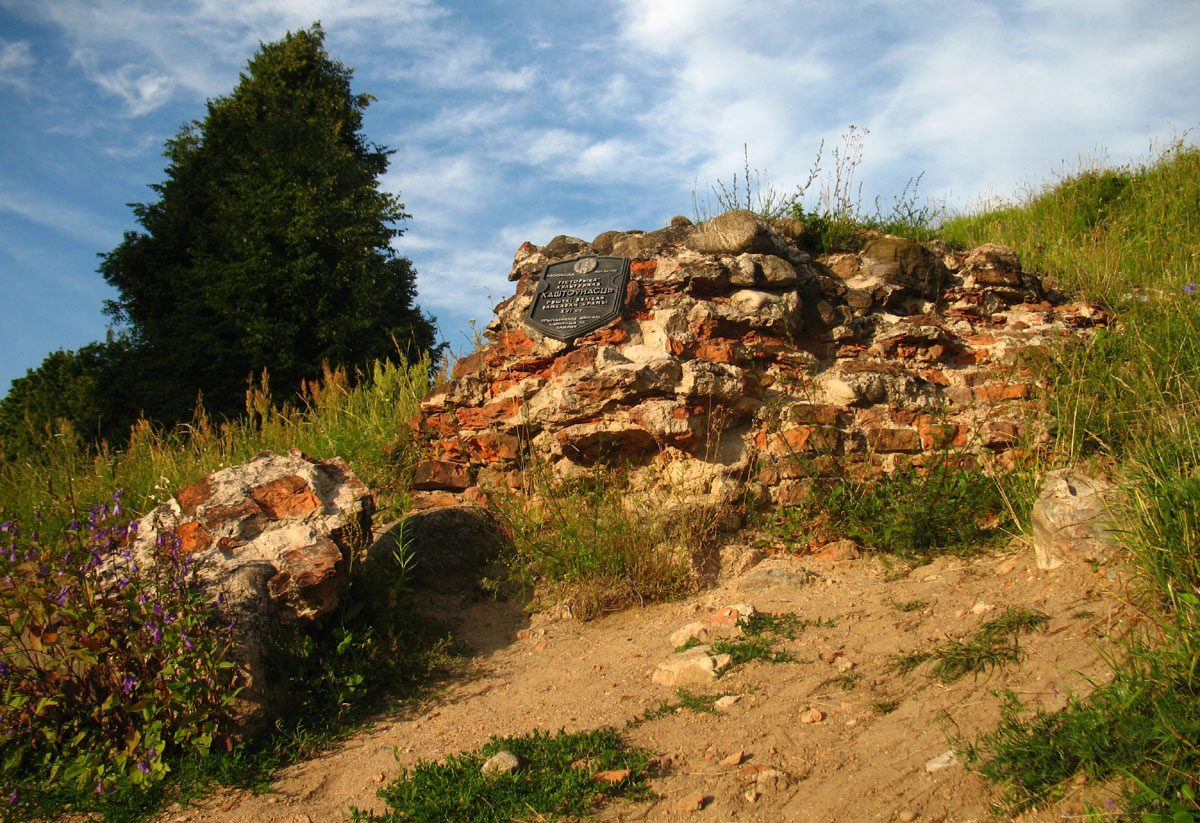
The castle is classified as a hill castle, built on elevated ground which provided strategic advantages for surveillance and defense. The structure originally featured four towers, a common element in fortress design, allowing for better control and security. Unfortunately, a portion of one of these towers collapsed in April 2008, indicating some deterioration in the castle's physical condition.
Design and layout
Pischalauski Castle exhibits characteristics of early 19th-century modern architecture adapted for penitentiary use. Its walls are thick and formidable, designed to prevent escapes and withstand external attacks. The layout includes multiple chambers and detention cells arranged around central courtyards, facilitating surveillance and control by prison staff.
Role as a detention center
Today, the castle functions as the Minsk Detention Center No. 1, also known as SIZO No. 1 or informally as Volodarka (Belarusian: Valadarka). It remains the central prison facility in Belarus, continuing its legacy as a place of incarceration. The prison's reputation and historical significance have made it a notable landmark in Minsk, with a complex history intertwined with the political and social developments of Belarus.
Notable events and usage
Throughout its history, Pischalauski Castle has held various political prisoners and dissidents, reflecting the turbulent history of the region. Its nickname, the Belarusian Bastille, underscores its symbolic role as a site of political repression and resistance. The castle's continued operation as a detention center highlights the enduring legacy of its original function.
Current condition and preservation
The castle is currently in a state of partially preserved condition, with some structural issues such as the collapse of part of a tower in 2008. Efforts to maintain and preserve the castle are ongoing, but the building faces challenges due to its age and continuous use as a prison facility. Despite these challenges, Pischalauski Castle remains a significant cultural and historical monument in Minsk.
Visitor information
Access to Pischalauski Castle is limited due to its function as an active detention center. Visitors interested in the castle's history and architecture may find information through local historical societies and museums in Minsk. The castle's exterior and surrounding area can be viewed, offering insight into its imposing structure and strategic location within the city.
Frequently asked questions (FAQ)
- What is the historical significance of Pischalauski Castle?
- Pischalauski Castle, built in the 18th century, is a notable example of Baroque architecture in Belarus. It served as a defensive structure and residence for noble families, reflecting the region's rich history and cultural heritage.
- When was Pischalauski Castle constructed?
- The construction of Pischalauski Castle began in the late 18th century and was completed in 1805. Its architecture and design were influenced by the neoclassical style, making it an important landmark in Minsk.
- What are the opening hours for Pischalauski Castle?
- Pischalauski Castle is open to visitors from 10 AM to 6 PM, Tuesday through Sunday. It is closed on Mondays, so plan your visit accordingly to ensure you can explore this historical site.
- Can I take guided tours of Pischalauski Castle?
- Yes, guided tours are available at Pischalauski Castle, providing visitors with in-depth insights into its history and architecture. It’s recommended to book your tour in advance, especially during peak tourist seasons.
- Is it possible to access Pischalauski Castle with a wheelchair?
- Pischalauski Castle has made efforts to improve accessibility for all visitors. However, due to its historical structure, some areas may still pose challenges for those with mobility impairments, so it's advisable to check ahead for specific accommodations.
- What is the best time to visit Pischalauski Castle?
- The best time to visit Pischalauski Castle is during the late spring and early autumn months when the weather is pleasant. These seasons also offer a chance to enjoy the surrounding gardens and grounds in full bloom.
- What are the ticket prices for visiting Pischalauski Castle?
- Ticket prices for Pischalauski Castle are quite affordable, typically ranging from 5 to 10 Belarusian Rubles. Discounts may be available for students and seniors, so be sure to inquire at the ticket office.
- Are there any nearby attractions to visit along with Pischalauski Castle?
- Yes, nearby attractions include the Belarusian National Arts Museum and the historic Trinity Hill area. These sites complement a visit to Pischalauski Castle, allowing you to explore more of Minsk's cultural and historical offerings.
Photo gallery

Public domain
Information
Loading map...
Visitor reviews
No reviews yet. Been here? Write the first review and help other travelers!
Write the first reviewVisited this castle? Share your experience
Your review helps other travelers and adds first-hand knowledge to our encyclopedia.