Minsk Castle
Minsk Castle (Belarusian: Мінскі замак, romanized: Minski zamak) was a significant wooden defensive fortress constructed in the mid-11th century on the right bank of the Svislach river, at its confluence with the Nyamiha river in what is now central Minsk, Belarus. This hill castle occupied a strategic position that allowed control over river routes and the surrounding territory, serving as a critical military and administrative center during the High Medieval period.
Historical context and strategic importance
The castle was established during a period when the region was part of the emerging Principality of Polotsk, one of the key East Slavic states of the time. The 11th century saw the rise of fortified settlements as centers of power and defense against raids and rival principalities. Minsk Castle was primarily a wooden fortification, typical for the era and region, designed to provide protection against invaders and to assert control over the growing settlement of Minsk.
Its location near the confluence of two rivers was not accidental; it allowed the castle to oversee river traffic and provided natural defensive barriers. Rivers also facilitated trade and communication, making the castle a hub of economic as well as military activity.
Architecture and layout
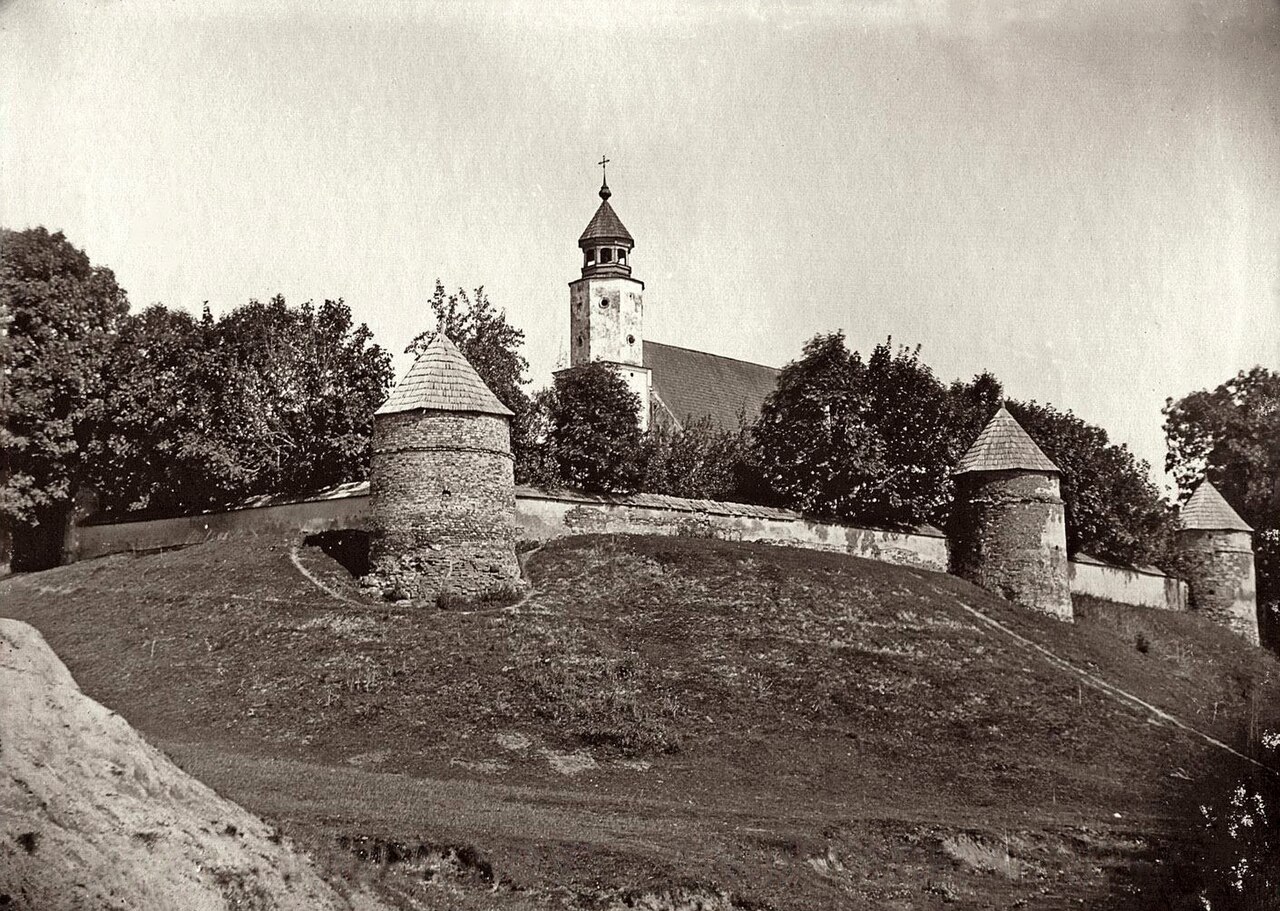
As a wooden hill castle, Minsk Castle featured earth ramparts reinforced with wooden palisades and towers. The elevated site on a hillock provided a vantage point for surveillance and defense. The castle's fortifications likely included a palisade wall encircling the main enclosure, with a gatehouse controlling access.
Inside the enclosure, there would have been residential buildings, military quarters, and possibly a chapel or religious structure serving the inhabitants. The wooden construction, while effective for the time, made the castle vulnerable to fire and decay, which contributed to its eventual destruction.
Destruction and legacy
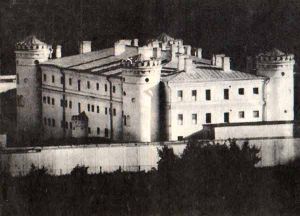
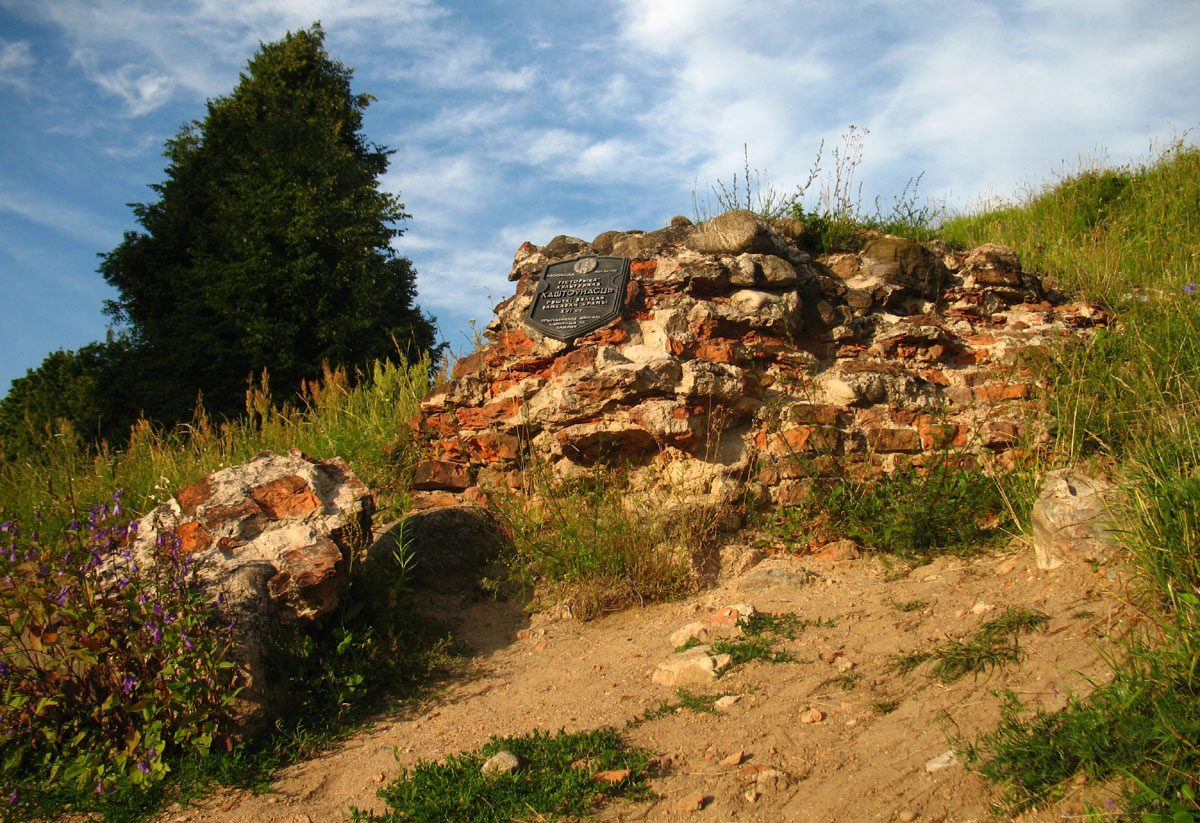
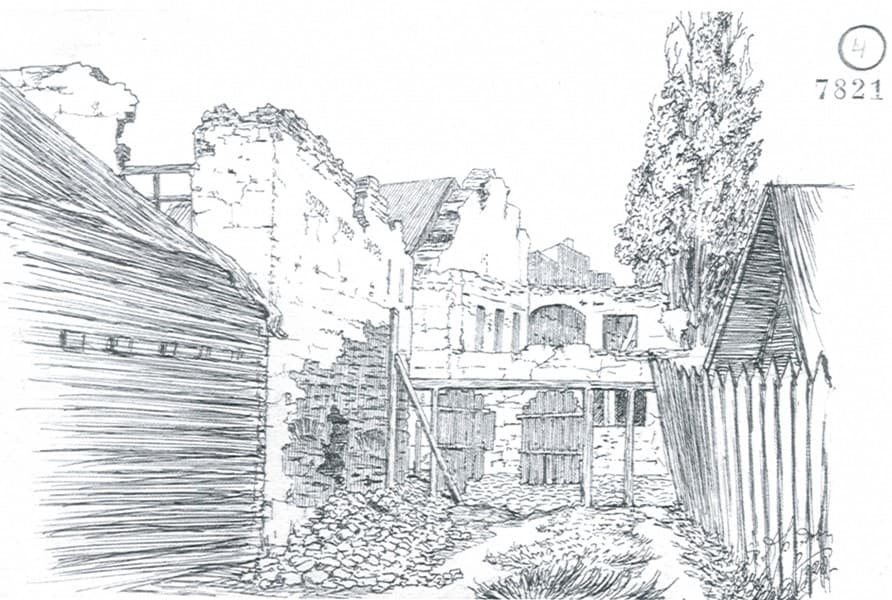
Minsk Castle was destroyed in the early 19th century, a period marked by significant political and military upheaval in the region. The wooden structures did not survive the passage of time and conflict, and by the mid-20th century, Soviet authorities had completely leveled the site, erasing visible traces of the castle.
The area once enclosed by the castle ramparts is now known as Zamczysko, a name that preserves the memory of the medieval fortress. Although no physical remains survive, Minsk Castle remains an important part of Belarusian heritage, representing the early medieval fortifications that shaped the development of Minsk as a city.
Archaeological significance and modern recognition
Archaeological investigations in the area have uncovered artifacts and earthworks that confirm the castle's historical presence. These findings contribute to understanding the early urban and military history of Minsk.
Today, the site is recognized for its historical importance, even though it lacks standing structures. Interpretive efforts and historical research continue to highlight Minsk Castle's role in the medieval landscape of Belarus.
Photo gallery

Photo by Jazep Drazdovič•Public domain
Information
Loading map...
Visitor reviews
No reviews yet. Been here? Write the first review and help other travelers!
Write the first reviewVisited this castle? Share your experience
Your review helps other travelers and adds first-hand knowledge to our encyclopedia.