Pirescoxe Castle

Pirescoxe Castle: a late medieval noble manor in Portugal
Pc Viscondes de Castelo Branco, Portugal
Late Medieval (14th–15th c.)

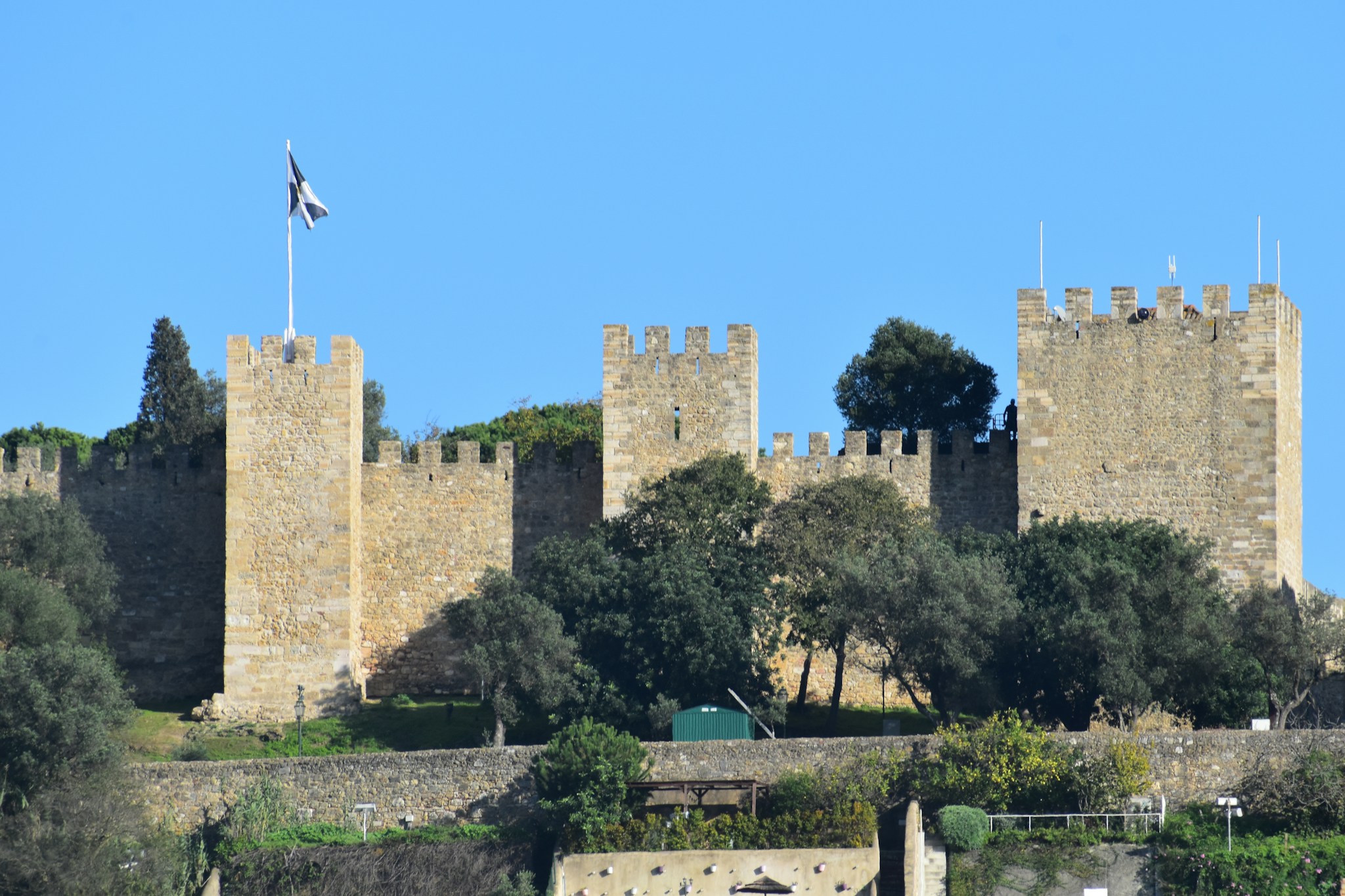
Pirescoxe Castle, or Castelo de Pirescoxe, is a remarkable example of a late medieval noble manor located in the town of Pirescoxe within the Grande Lisboa region of Portugal. Perched on a hill overlooking the Tagus River, this castle combines the aesthetics of a fortified structure with the domestic functions of a noble residence, reflecting the architectural and social trends of the 15th century in Portuguese aristocracy.

The castle's origins date back to 1442, when Nuno Vasques de Castelo Branco and his wife Joana Juzarte transformed a simple family farm into a morgadio, a type of entailed estate designed to keep property within a family lineage. This transformation involved the construction of a castellated manor house, blending defensive features with the comforts and status symbols of noble life. Although it appears militarily fortified, the castle's walls are relatively thin, indicating that its primary purpose was residential rather than defensive.

Historical context and noble lineage

Throughout the 15th and 17th centuries, Pirescoxe Castle remained in the hands of the Castelo Branco family, a noble lineage influential in Portuguese society. During the 17th century, D. Pedro de Castelo Branco da Cunha, a nobleman honored by kings João IV and Afonso VI, undertook renovations that updated the interior spaces, reflecting evolving tastes and the manor’s continued importance. However, the death of the last male heir in 1675 led to the estate's gradual abandonment and decline.

In recognition of its cultural and historical value, the castle was designated a Property of Public Interest by the Portuguese government on December 5, 1961. Later, in 2001, archaeological excavations and restoration efforts led by architect Francisco da Silva Dias and archaeologist Raquel Silva were carried out, stabilizing the ruins and enabling the site to serve as a venue for cultural events.

Architectural features and layout

Pirescoxe Castle is characterized by a rectangular plan with a compact, fortress-like appearance typical of a hill castle. The manor is surrounded by a low defensive wall topped with battlements, interrupted by three unevenly spaced square towers, each two stories tall. These towers feature machicolations supported by decorative modillions, lending the structure a distinctly medieval military aesthetic despite its residential function.

The interior is organized around a central courtyard, which provides access to the various wings of the manor. The main façade houses the principal residential block, notable for its large chimney in the noble hall, an important feature for heating and social gatherings. Adjacent wings contain bedrooms, service rooms, and a chapel, the latter retaining original vaulted ceilings visible until the early 20th century, underscoring the manor’s religious role within the household.

Behind the main living quarters, the rear section accommodated domestic spaces such as kitchens, pantries, and storage rooms, essential for the manor’s self-sufficiency and daily operations. The use of traditional 15th-century masonry techniques is evident throughout the structure, preserving its historical authenticity.

Legend and cultural significance

Local legend adds a fascinating dimension to Pirescoxe Castle’s history. It is said that the treasure of King Sebastião of Portugal, who disappeared during the Battle of Alcácer Quibir in 1578, is hidden in the castle’s cellars. King Sebastião’s mysterious fate has long been a subject of Portuguese folklore, and the connection to the Castelo Branco family—who reportedly had a member participate in the battle—adds intrigue to the site’s narrative.

Today, the castle’s ruins have been revitalized to serve as a cultural hub. The site includes an open-air auditorium, cafeteria, art gallery, and a multi-purpose room, blending heritage preservation with community engagement. These adaptations respect the archaeological integrity of the manor while providing modern amenities for visitors and locals alike.

Visiting pirescoxe castle

Pirescoxe Castle is accessible primarily during cultural events hosted by the local municipality. While regular visiting hours are not consistently established, the site offers a unique experience for those interested in Portuguese medieval architecture and noble history. The castle’s setting within a small municipal park enhances its appeal as a tranquil historical landmark.

Visitors can explore the castle’s exterior features, including the battlements and towers, and appreciate the blend of military and residential architecture. The ongoing use of the site for cultural activities ensures that Pirescoxe Castle remains a vibrant part of the community’s heritage.

Frequently asked questions (FAQ)

How do I get to Pirescoxe Castle?
Pirescoxe Castle is located in Pc Viscondes de Castelo Branco, Portugal, and can be accessed by car or public transportation. The nearest major city is Castelo Branco, from where you can take a bus or taxi to the castle. Parking is available on-site for those traveling by car.
What is the historical significance of Pirescoxe Castle?
Pirescoxe Castle dates back to the medieval period and is significant for its role in the regional defense against invasions. It showcases the architectural styles of the time and has been a witness to numerous historical events in Portugal. The castle is an important landmark reflecting the history and culture of the region.
When was Pirescoxe Castle built?
Pirescoxe Castle was constructed in the late 12th century, during the period of the Reconquista. It served as a strategic fortification for the region and was expanded in subsequent centuries to enhance its defensive capabilities. The castle's age adds to its charm and historical value.
Can I visit Pirescoxe Castle year-round?
Yes, Pirescoxe Castle is open to visitors throughout the year, although hours may vary seasonally. It's advisable to check the official website or local tourist information for the most current visiting hours and any special events. Plan your visit to enjoy the scenic views and historical insights.
Why is Pirescoxe Castle worth visiting?
Pirescoxe Castle is not only a historical monument but also offers breathtaking views of the surrounding landscape. Visitors can explore the well-preserved ruins and learn about the castle's rich history and architectural features. It provides a unique experience for history enthusiasts and casual visitors alike.
Is it possible to access all areas of the castle?
While many areas of Pirescoxe Castle are accessible to visitors, some sections may have restricted access due to preservation efforts. Guided tours are available, which can provide deeper insights into the castle's history and architecture. Always check with staff on-site for guidance on accessible areas.
What are the ticket prices for visiting Pirescoxe Castle?
Tickets for Pirescoxe Castle are reasonably priced, with discounts available for children, students, and seniors. Group rates may also be offered, making it a great destination for school trips or family outings. Check the official website for the latest pricing and any special promotions.
What is the best time to visit Pirescoxe Castle?
The best time to visit Pirescoxe Castle is during the spring and fall when the weather is mild and the surrounding scenery is particularly beautiful. Summer can be quite hot, while winter may have fewer visitors. Planning your visit during off-peak times can also enhance your experience.
Are there any nearby attractions to Pirescoxe Castle?
Yes, there are several nearby attractions, including the picturesque town of Castelo Branco and other historical sites in the region. Visitors can also explore local parks and natural reserves that offer hiking and outdoor activities. A trip to the castle can easily be combined with visits to these nearby points of interest.

Information

Hill Castle

Sources & official resources

Verify the information above using these authoritative references.

Loading map...

Visitor reviews

No reviews yet. Been here? Write the first review and help other travelers!

Write the first review

Visited this castle? Share your experience

Your review helps other travelers and adds first-hand knowledge to our encyclopedia.
Write a review

(5/5)

0/2000 characters

Your review will be visible after admin approval

Nearby castles

4.7 km
Fort of Sacavém — Portugal castle

Fort of Sacavém

Sacavém, Portugal

The Fort of Sacavém, also known historically as the Redoubt of Mount Cintra or Mount Sintra, is a significant example of a 19th-century bastioned fortress located in the town of Sacavém, within the municipality of Loures, in the Lisbon District of Portugal. Situated immediately to the north of Lisbon, this fort played an important role in the defensive network protecting the capital during a period of military modernization in the late 19th century.Construction of the fort commenced in 1875 and was completed by 1892, reflecting the strategic military architectural trends of the Modern period. The design of the fort incorporates bastioned fortification elements, which were developed to withstand the increasing power of artillery and provide overlapping fields of fire. This kind of design was typical of the era's military engineering, focusing on angular bastions and thick walls to resist bombardment.Architectural design and featuresThe Fort of Sacavém is classified as a bastioned fortress, a style characterized by projecting bastions at the corners of the fortification walls. These bastions allowed defenders to cover adjacent walls and approaches with gunfire, eliminating blind spots and enhancing the fort's defensive capabilities. The fort's layout is typically polygonal, optimizing fields of fire and minimizing vulnerable angles.Constructed primarily from stone and brick, the fort features robust curtain walls and earthworks designed to absorb artillery impact. The walls are punctuated by casemates—vaulted chambers within the walls used for housing troops, ammunition, and artillery pieces safely. The fort also includes a moat and a fortified gatehouse that controlled access to the interior.Defensive elementsThe bastions are equipped with firing platforms for artillery and small arms. The fort's defensive perimeter is reinforced with ravelins and glacis—sloping embankments designed to expose attackers to defensive fire while providing additional protection to the walls. These features reflect the influence of the Vauban-style fortifications, adapted for the artillery technology of the late 19th century.Historical context and military significanceThe fort was part of a broader effort to modernize Portugal's coastal and inland defenses in response to evolving military threats and technological advances in artillery. Its strategic location near Lisbon made it a critical component of the capital's defensive ring, intended to protect against potential invasions or bombardments.Throughout its active military use, the Fort of Sacavém served as a garrison and a stronghold, though it did not engage in major battles. Its presence contributed to the deterrence of hostile forces during periods of political instability in Portugal and Europe.Post-military use and preservationSince 2015, the fort has been repurposed to serve as the National Archive for Portugal's Directorate General of Cultural Heritage (DGPC). This adaptive reuse has preserved the fort's structural integrity while providing a valuable cultural and administrative function. The transformation into an archive highlights the fort's enduring significance as a historical monument and a symbol of Portugal's heritage.Efforts to maintain and restore the fort have ensured that its well-preserved bastioned walls and architectural features remain intact for educational and cultural purposes. Visitors can appreciate the fort's imposing structure and learn about its role in Portugal's military history.Visiting information and accessibilityThe fort is accessible to the public during designated visiting hours, which are typically aligned with the operational schedule of the National Archive. Visitors interested in military architecture and Portuguese history can explore the exterior fortifications and participate in guided tours that explain the fort's design and historical context.Its location near Lisbon makes the Fort of Sacavém an accessible destination for day trips from the capital, offering insight into 19th-century military engineering and Portugal's defensive strategies.

Modern (19th–20th c.)
Details
14.2 km
São Jorge Castle — Portugal castle

São Jorge Castle

Lisbon, Portugal

São Jorge Castle, also known as the Castle of Saint George, is a prominent historic fortress located on a commanding hilltop in the heart of Lisbon, Portugal. Overlooking the city and the Tagus River, this castle has a rich history that spans several millennia, reflecting the diverse cultures and rulers that have shaped Lisbon. It is one of the city's most iconic landmarks and a major tourist attraction, offering visitors both a glimpse into Portugal's medieval past and breathtaking panoramic views. The site of São Jorge Castle has been occupied since at least the 8th century BC, with archaeological evidence revealing human presence in the Tagus valley dating back to the 6th century BC. Before the castle's construction, the hill was used by indigenous Celtic tribes and later by Phoenicians, Greeks, and Carthaginians as a strategic outpost. The earliest fortifications were established by the Romans in the 2nd century BC, when Lisbon was known as Olisipo and later classified as a Roman municipality in 48 BC. Early fortifications and Moorish period Following the Roman era, the site came under the control of the Suebi and Visigoths. In the early Middle Ages, particularly during the 10th century, Muslim Berber forces fortified the hilltop, constructing the Cerca Moura, or "Moorish Encirclement," a defensive wall that formed the core of the castle's early fortifications. This Moorish fortification likely included walls and towers that took advantage of the hill's natural defensive features. The Christian reconquest and medieval royal palace In 1147, during the Christian Reconquista, Portuguese forces led by Afonso Henriques, the first King of Portugal, captured the castle and the city of Lisbon from the Moors after a lengthy siege. This victory was notably aided by northern European crusaders en route to the Holy Land during the Second Crusade. According to legend, the knight Martim Moniz sacrificed himself by blocking a castle door to prevent the Moors from closing it, allowing Christian forces to enter. After the conquest, the castle became a royal residence and military stronghold. When Lisbon was declared the capital of Portugal in 1255, the castle's defenses were significantly enhanced under the reigns of Kings Afonso III and Denis I. Around 1300, King Denis I transformed the Moorish alcáçova into a royal palace, adding residential quarters and fortifications. The castle complex included 11 towers, two parade grounds, a barbican, a dry moat, and an outer castle area housing a royal palace, a bishop's palace, and a chapel. The Cerca Fernandina walls Between 1373 and 1375, King Ferdinand I commissioned the construction of the Cerca Fernandina, a vast new walled enclosure that encircled Lisbon and incorporated São Jorge Castle. This wall, built by master builders João Fernandes and Vasco Brás, featured 77 towers and numerous gates, spanning approximately 5,400 meters. It replaced older Moorish walls and greatly expanded the city's defenses. Dedication to Saint George and cultural significance In the late 14th century, King John I dedicated the castle to Saint George, the warrior saint popular in both Portugal and England, reflecting his marriage to Philippa of Lancaster. The castle housed important kingdom records in the Torre do Tombo (Tower of the Archive) and served as a royal residence and administrative center. The castle also hosted a royal menagerie in the early 15th century, including Barbary lions brought from Ceuta. Later history and decline By the early 16th century, the construction of the Ribeira Palace shifted royal residence away from São Jorge Castle, leading to a gradual decline in its importance. The castle suffered damage in the 1531 earthquake and was partially rebuilt under King Sebastian in 1569, but his untimely death halted further renovations. Following the Portuguese dynastic crisis, the castle was converted into military barracks, a hospital, and a prison during the period of Spanish rule (1580–1640). After Portugal regained independence, restoration and fortification efforts resumed under architects Nicolau de Langres and Mateus do Couto, continuing into the 18th century. The castle remained a military garrison and also hosted the Casa Pia charitable institution from 1780 to 1807. In 1788, Portugal's first geodetic observatory was established atop the Torre do Observatório within the castle. Impact of the 1755 earthquake and modern restoration The devastating 1755 Lisbon earthquake caused severe damage to São Jorge Castle, destroying many buildings and leaving the site in ruins. Despite this, the castle continued to serve military functions until the mid-20th century. Extensive restorations were undertaken in the 20th century, particularly during the government of António de Oliveira Salazar, which removed later incongruous structures and partially restored medieval features. Today, São Jorge Castle is well-preserved as a historic monument and tourist attraction. Visitors can explore the castle's walls, towers, and courtyards, including the Praça d'Armas square with its cannons and a bronze statue of Afonso Henriques. The castle's battlements and towers offer spectacular views over Lisbon's historic districts, the Tagus River, and beyond. The Torre de Ulisses features a camera obscura projecting a 360-degree panorama of the city. Architectural features and layout The castle occupies Lisbon's highest hill and has a roughly square plan. Its main castle, or castelejo, is situated at the northwest corner, the highest point of the citadel. The complex includes gardens, ancillary buildings, and a large terraced square. Defensive features include a barbican on the southern and eastern sides designed to prevent siege engines from approaching the walls, as well as a partially dry moat and a stone bridge leading to the main entrance. The castle's walls and towers have been rebuilt and heightened during 20th-century restorations, which shaped much of its current medieval appearance. The long curtain wall extends downhill on the west side, ending at the Torre de São Lourenço, a tower that guarded a gate in the Cerca Fernandina walls. Visiting São Jorge Castle São Jorge Castle is open to the public for a fee and is one of Lisbon's most visited historic sites. Due to its popularity, the castle can be crowded, especially during peak tourist seasons. While the castle's interior is relatively sparse, the site offers a rich historical experience and some of the best viewpoints in Lisbon. The surrounding Alfama district, with its narrow streets and traditional cafes, adds to the visitor experience. The castle is accessible via ancient stone walls and paths that wind through the historic neighborhoods. Nearby attractions include the Lisbon Cathedral (Sé de Lisboa) and other historic sites within walking distance.

Early Medieval (5th–10th c.)
Details
15 km
Ribeira Palace — Portugal castle

Ribeira Palace

Lisbon, Portugal

Ribeira Palace (Paço da Ribeira) served as the principal royal residence of the Kings of Portugal for approximately 250 years, located in the heart of Lisbon. Commissioned by King Manuel I in the early 16th century, the palace replaced the older Royal Alcáçova of São Jorge, deemed inadequate for the evolving needs of the Portuguese monarchy during the height of the Age of Discovery. The palace's original design reflected the distinctive Manueline architectural style, a rich Portuguese late Gothic style characterized by maritime motifs, intricate ornamentation, and symbolic elements celebrating Portugal's seafaring achievements. Construction and architectural evolution The initial construction of Ribeira Palace began in the early 16th century, around the reign of King Manuel I, marking a significant shift in royal residence design. The complex was expansive, incorporating multiple wings, courtyards, and grand halls, designed to accommodate the royal family, their court, and administrative functions. Over the centuries, the palace underwent several reconstructions and stylistic modifications, evolving from its original Manueline roots to later adopt Mannerist and Baroque elements, reflecting changing tastes and the influence of European architectural trends. The palace featured notable architectural elements such as fortified walls, grand portals, elaborate facades, and richly decorated interiors. Its location along the Tagus River allowed for impressive views and convenient access to maritime routes, underscoring Portugal's naval power and global explorations during the Renaissance. Historical significance and royal use As the royal residence, Ribeira Palace was the center of Portuguese political power and court life during a period when Portugal was a leading European maritime empire. The palace witnessed numerous significant events, including royal ceremonies, diplomatic receptions, and the administration of overseas territories. It was also the residence of several notable monarchs, including King Manuel I, King João III, and King José I. The palace's role extended beyond a mere residence; it was a symbol of royal authority and Portugal's imperial ambitions. Its proximity to the river and the city center made it a focal point for both governance and cultural activities. Destruction in the 1755 earthquake and aftermath The 1755 Lisbon earthquake was a catastrophic event that devastated much of Lisbon, including Ribeira Palace. The earthquake, followed by fires and a tsunami, destroyed the palace completely, leaving only ruins. This disaster marked the end of the palace's function as a royal residence. Following the destruction, King José I, who was deeply affected by the earthquake and developed claustrophobia, chose to live in a series of pavilions in the hills of Ajuda rather than rebuild the palace. This decision led to the palace site remaining undeveloped as a royal residence. Legacy and current site Today, the site of the former Ribeira Palace is occupied by the Praça do Comércio, one of Lisbon's largest and most important public squares. The square retains the popular name Terreiro do Paço, meaning "Palace Yard," a direct reference to the palace that once stood there. The Praça do Comércio is a vibrant urban space, surrounded by neoclassical buildings and serving as a hub for commerce, tourism, and cultural events. Although the palace itself no longer exists, its historical significance remains embedded in the urban fabric and collective memory of Lisbon. Archaeological remains and cultural importance Archaeological excavations at the site have uncovered remnants of the palace's foundations and structural elements, offering insights into its original layout and construction techniques. These ruins are valuable for understanding the architectural evolution of royal residences in Portugal and the broader context of European palace architecture. Ribeira Palace is recognized as a symbol of Portugal's golden era of exploration and monarchy. Its history reflects the country's rise as a maritime power and the cultural transformations that shaped Lisbon's urban landscape.

Late Medieval (14th–15th c.)
Details