Pipo Castle
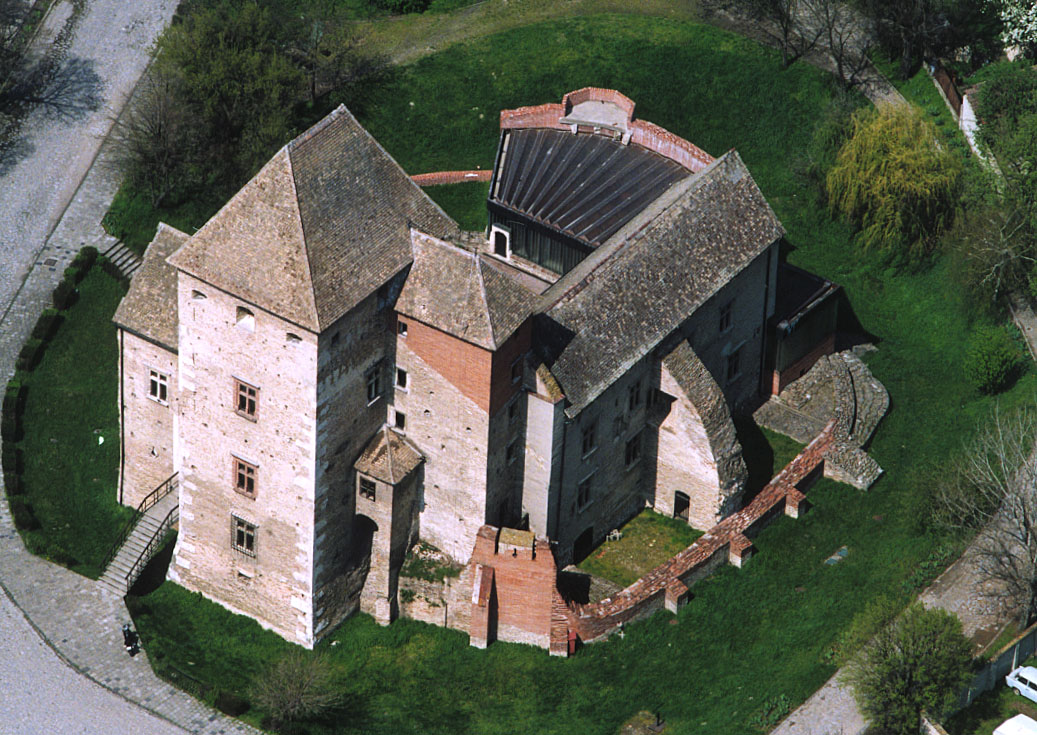
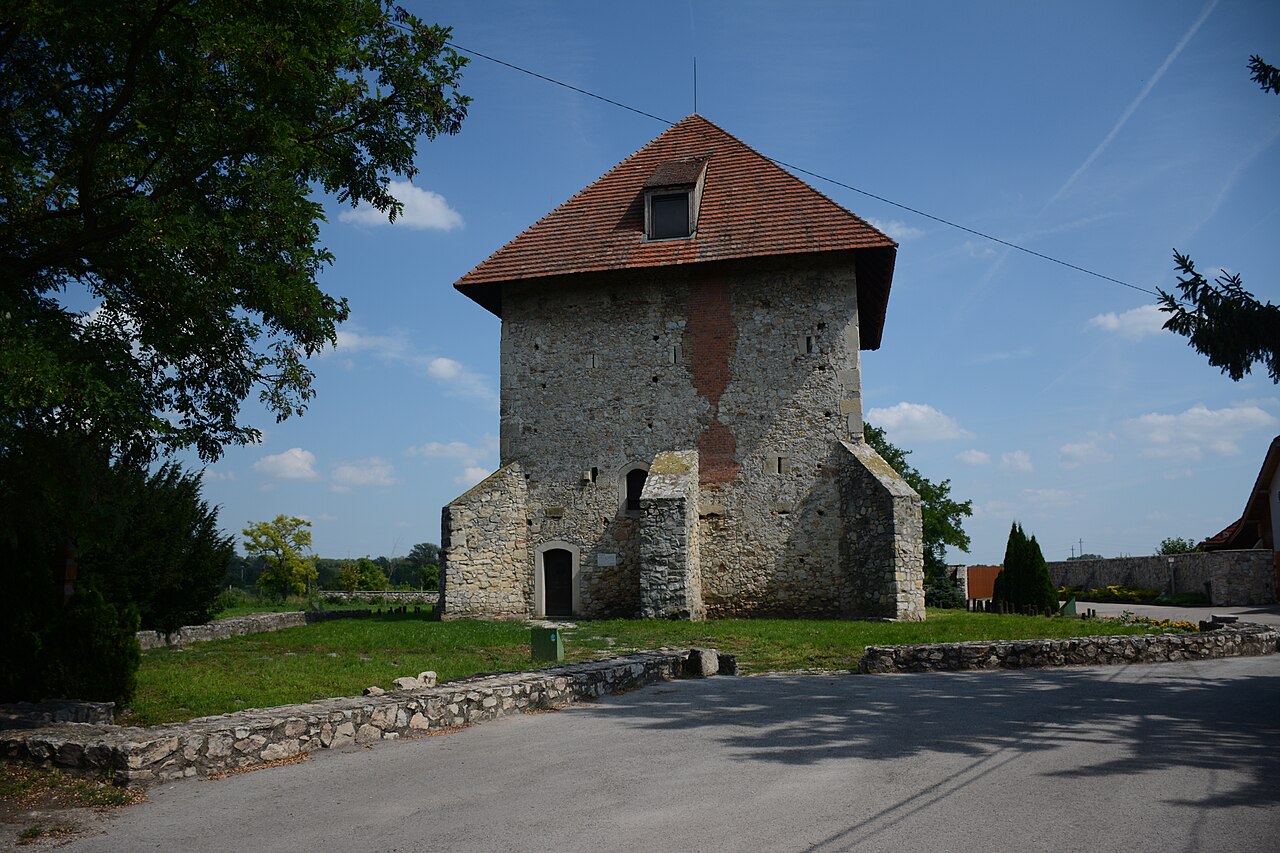
Pipo Castle in Ozora, Hungary, stands as a remarkable example of Italian Renaissance architecture in a small Hungarian village setting. Built in the 15th century for Filippo Scolari, also known as Pipo of Ozora, the castle reflects the cultural and political connections between Hungary and Italy during the late medieval period. Scolari arrived in Hungary as a merchant's clerk at the age of 13 and rose through the ranks to become a notable economist, soldier, and diplomat at the court of King Sigismund. The castle embodies his legacy and status, blending military functionality with Renaissance artistic elements.
Architectural features and artistic heritage
The castle's architecture reveals a fusion of fortified medieval structures with the emerging Renaissance style imported from Italy. Its courtyard is notable for a fountain topped with a replica of a Verrocchio putto, symbolizing the influence of Italian Renaissance sculpture. One of the castle walls features a reproduction of a Michelangelo relief, underscoring the artistic ambitions of the castle's design. The castle's chapel houses a treasured relic of St George, reflecting the religious devotion of the period and the importance of saintly protection for the castle's inhabitants.
Interior furnishings and collections
The interior of Pipo Castle contains important Renaissance furniture, fabrics, and travelling trunks that provide insight into the lifestyle and material culture of the Hungarian nobility during the 15th century. The knights' hall displays outstanding copies of works by the great masters of the Italian Renaissance, including Verrocchio, Donatello, and Michelangelo. This collection emphasizes the castle's role as a cultural bridge between Hungary and Renaissance Italy.
The castle kitchen and armory
The reconstructed Renaissance kitchen offers a detailed glimpse into the culinary practices of medieval Hungary, highlighting the roles of victuallers, cooks, and servants. Visitors can explore the tools and methods used in food preparation during the 14th and 15th centuries. The armory houses a splendid display of replica weapons from the Sigismund period, illustrating the martial aspects of the castle and the military career of Filippo Scolari.
Historical significance and cultural exhibitions
Pipo Castle is not only a monument to Renaissance art and architecture but also a repository of Hungarian literary heritage. It hosts a richly documented exhibition on Illyés Gyula, a celebrated 20th-century Hungarian poet and novelist, linking the castle's historical past with modern cultural achievements. This exhibition broadens the castle's appeal beyond architectural and historical interest to include literary and cultural tourism.
Insights into medieval life and visitor experiences
The castle provides visitors with an immersive experience of life in the 14th and 15th centuries, combining historical artifacts, reconstructed spaces, and educational displays. Guests can stay in a historic apartment within the castle, offering a unique opportunity to experience the ambiance of a Renaissance noble residence firsthand. This accommodation option enhances the visitor experience by allowing a deeper connection to the castle's history and architecture.
Location and regional context
Located in the Zala region of Hungary, Pipo Castle is situated in the town of Ozora. The castle's position reflects the strategic importance of this area during the late medieval period, serving both defensive and residential purposes. Its preservation and restoration efforts have maintained its status as a well-preserved example of Renaissance architecture within Hungary.
Preservation and current status
The castle is currently well preserved and serves as a cultural and historical museum. It provides educational programs and hosts exhibitions that celebrate both its Renaissance heritage and Hungarian history. The maintenance of the castle ensures that its architectural features and collections remain accessible to the public, contributing to Hungary's cultural tourism.
Frequently asked questions (FAQ)
- How do I get to Pipo Castle?
- Pipo Castle is located in Ozora, Hungary, and can be easily accessed by car or public transport. If you're driving, there are parking facilities nearby. The nearest train station is a short distance away, with local bus services connecting to the castle.
- What is the historical significance of Pipo Castle?
- Pipo Castle dates back to the 14th century and is an important example of medieval architecture in Hungary. It has served various purposes over the centuries, including a fortress and a noble residence, reflecting the region's rich history. The castle stands as a testament to the architectural styles and defensive needs of its time.
- When was Pipo Castle built?
- Pipo Castle was constructed in the 14th century, with its foundational work believed to have started around 1380. Over the years, it has undergone several renovations and expansions, which showcase the evolving architectural styles. This history adds depth to the castle's character and significance.
- Can I take guided tours of Pipo Castle?
- Yes, guided tours of Pipo Castle are available and highly recommended to fully appreciate its history and architecture. Knowledgeable guides offer insights into the castle's past and its role in Hungarian history. It's best to check the official website for tour schedules and availability before your visit.
- Why is Pipo Castle a popular tourist attraction?
- Pipo Castle is popular among tourists due to its stunning medieval architecture and historical significance. Visitors are drawn to its beautiful surroundings and the captivating stories that accompany its rich history. Additionally, the castle provides a glimpse into the life of Hungarian nobility during the medieval period.
- Is it possible to hold events at Pipo Castle?
- Yes, Pipo Castle offers facilities for various events, including weddings, conferences, and cultural activities. The picturesque setting and historical ambiance make it an ideal venue for special occasions. It is advisable to contact the castle administration for details on bookings and available services.
- What are the opening hours for Pipo Castle?
- Pipo Castle is typically open to visitors from 10 AM to 6 PM during the tourist season, which runs from April to October. Off-season hours may vary, so it's recommended to check the official website or contact the castle directly for the most accurate information. Planning your visit accordingly ensures you have ample time to explore the grounds.
- What are the ticket prices for entering Pipo Castle?
- The ticket prices for Pipo Castle are quite reasonable, with discounts available for students and seniors. General admission typically costs around 1500 HUF, while children under a certain age may enter for free. Be sure to check for any special promotions or family packages that may be offered during your visit.
- What is the best time to visit Pipo Castle?
- The best time to visit Pipo Castle is during the spring and early autumn months when the weather is mild and pleasant. These seasons also feature beautiful foliage and fewer crowds, allowing for a more enjoyable experience. Additionally, various events and festivals may occur during these times, enhancing your visit.
- Are there nearby attractions to visit while at Pipo Castle?
- Yes, there are several nearby attractions worth exploring, such as the charming village of Ozora and local vineyards. Visitors can also enjoy scenic walks in the surrounding countryside and visit other historical sites in the region. Combining your visit to Pipo Castle with these attractions makes for a fulfilling day trip.
Information
Loading map...
Visitor reviews
No reviews yet. Been here? Write the first review and help other travelers!
Write the first reviewVisited this castle? Share your experience
Your review helps other travelers and adds first-hand knowledge to our encyclopedia.