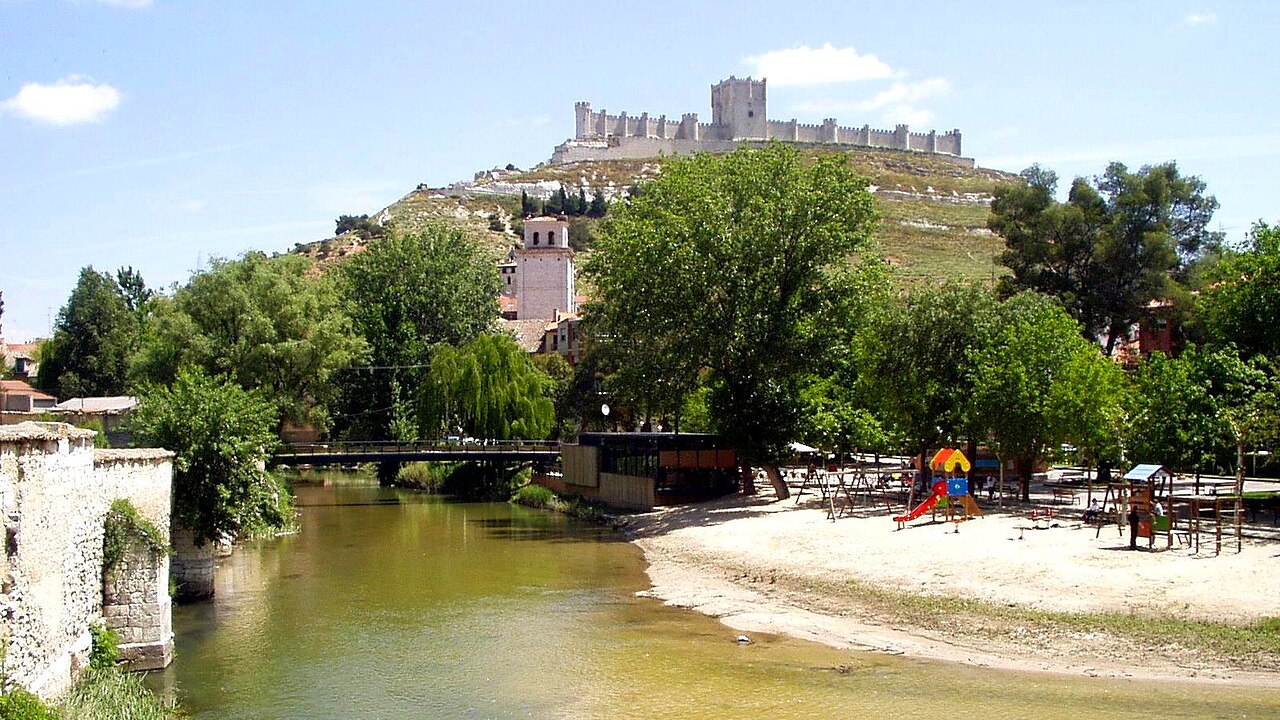
Pintia is an ancient city of the Vaccaei, located near Padilla de Duero in the province of Valladolid, central Spain. The site represents one of the most significant archaeological ruins from the pre-Roman and Roman periods in the Iberian Peninsula, offering valuable insights into the culture and history of the Vaccean people.
The Vacceans and their territory
The Vaccaei, also known as Vacceans, were an early Celtic society that settled in the fertile valleys between the Duero and Pisuerga rivers. Their territory encompassed much of what is now the provinces of Valladolid, Palencia, and parts of Zamora, Segovia, and Ávila. The Vaccaei established several important city-states, including Pallantia (modern Palencia) and Pintia, which operated with a degree of political independence while maintaining close cultural and economic ties.
Historical significance of pintia
Pintia played a strategic role during the Roman conquest of Hispania. The Vaccaei allied with the Arevaci of Numancia during the famous Roman siege of Numancia in the 2nd century BCE. Following the fall of Numancia, Roman forces targeted the Vaccaei cities in retribution. Pintia was besieged and destroyed by the Romans, marking the end of the Vaccean culture, language, and religious practices in the region.
Archaeological discoveries and site layout
The archaeological zone of Pintia is divided into three main areas: the city of Las Quintanas, the necropolis of Las Ruedas, and the potter's district of Carralaceña. Excavations at Las Quintanas have revealed evidence of a devastating fire that destroyed the city. After this event, the Visigoths established a necropolis nearby, indicating continued occupation and reuse of the site.
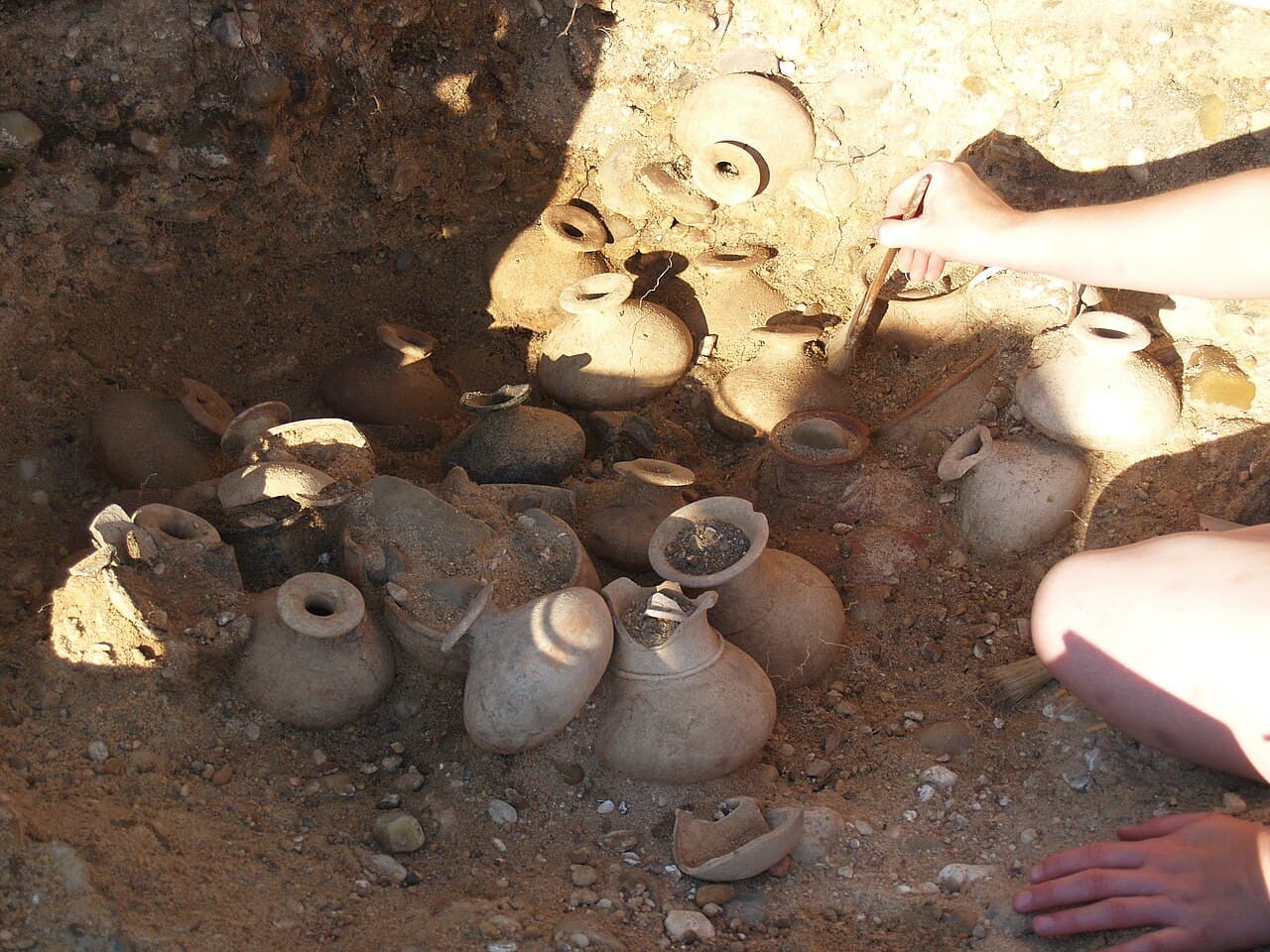
The necropolis of Las Ruedas has yielded richly furnished burials, including those of elderly soldiers, providing important information about the funerary customs and social structure of the Vaccaei. The nearby artisan district of Carralaceña contains unique ceramic kilns, notable for their large production output. These kilns were located across the Duero river from the main city, possibly to reduce the risk of fire damage to the urban area.
Challenges in preservation and excavation
Unfortunately, part of the ancient town was damaged due to vineyard planting, which occurred because of limited support for archaeological projects. Despite these challenges, the University of Valladolid currently oversees the recovery and study of Pintia, working to protect and understand this important cultural heritage site.
Current archaeological activities and public access
The necropolis at Pintia is actively excavated each summer by international field school students under the supervision of the University of Valladolid and the Federico Wattenberg Center of Vaccean Studies, with facilitation by ArchaeoSpain. This ongoing work continues to uncover valuable artifacts and deepen knowledge of Vaccean society.
While the site is recognized for its archaeological importance, the potter's district kilns are not currently open to the public due to lack of tourism infrastructure investment by regional authorities. Visitors interested in the history of Pintia can explore the broader archaeological area and learn about the Vaccean civilization through guided tours and educational programs organized by local institutions.
Architectural and cultural insights from pintia
The remains at Pintia provide a rare glimpse into the urban planning and craftsmanship of a pre-Roman Celtic city in the Iberian Peninsula. The city's layout, with its distinct residential, funerary, and industrial zones, reflects a sophisticated social organization. The rich burials found in the necropolis reveal a society with hierarchical structures and warrior elites.
The ceramic production in Carralaceña highlights the technical skills and economic activities of the Vaccaei, emphasizing their role in regional trade networks. The destruction layers and Visigothic necropolis also illustrate the site's long-term occupation and adaptation through various historical periods.
Frequently asked questions (FAQ)
- How do I visit the archaeological site of Pintia?
- The archaeological site of Pintia near Padilla de Duero can be visited through guided tours arranged by local cultural institutions. It is recommended to check with the University of Valladolid or local tourism offices for current visiting options and schedules.
- What is the historical significance of Pintia?
- Pintia was a major city of the Vaccean people and played a key role during the Roman conquest of Hispania. Its destruction by the Romans marked the end of the Vaccean culture and provides important archaeological insights into pre-Roman Iberian societies.
- When was Pintia destroyed?
- Pintia was destroyed during the Roman conquest of the Iberian Peninsula in the 2nd century BCE, following the siege of Numancia and Roman campaigns against the Vacceans.
- Can I see the Vaccean necropolis at Pintia?
- Yes, the necropolis of Las Ruedas at Pintia is part of the archaeological site and can be visited during guided tours. It contains richly furnished burials that shed light on Vaccean funerary practices.
- Is the potter's district of Carralaceña accessible to visitors?
- Currently, the potter's district of Carralaceña is not open to the public due to lack of tourism infrastructure and investment by regional authorities.
- Who manages the archaeological excavations at Pintia?
- The University of Valladolid oversees the archaeological excavations at Pintia, working with international students and research institutions to study and preserve the site.
Photo gallery

Photo by Libertykitty•Public domain
Information
Current owner
University of Valladolid
Loading map...
Visitor reviews
No reviews yet. Been here? Write the first review and help other travelers!
Write the first reviewVisited this castle? Share your experience
Your review helps other travelers and adds first-hand knowledge to our encyclopedia.