Curiel de Duero Castle

Curiel de Duero Castle
Curiel de Duero, Spain
Early Medieval (5th–10th c.)

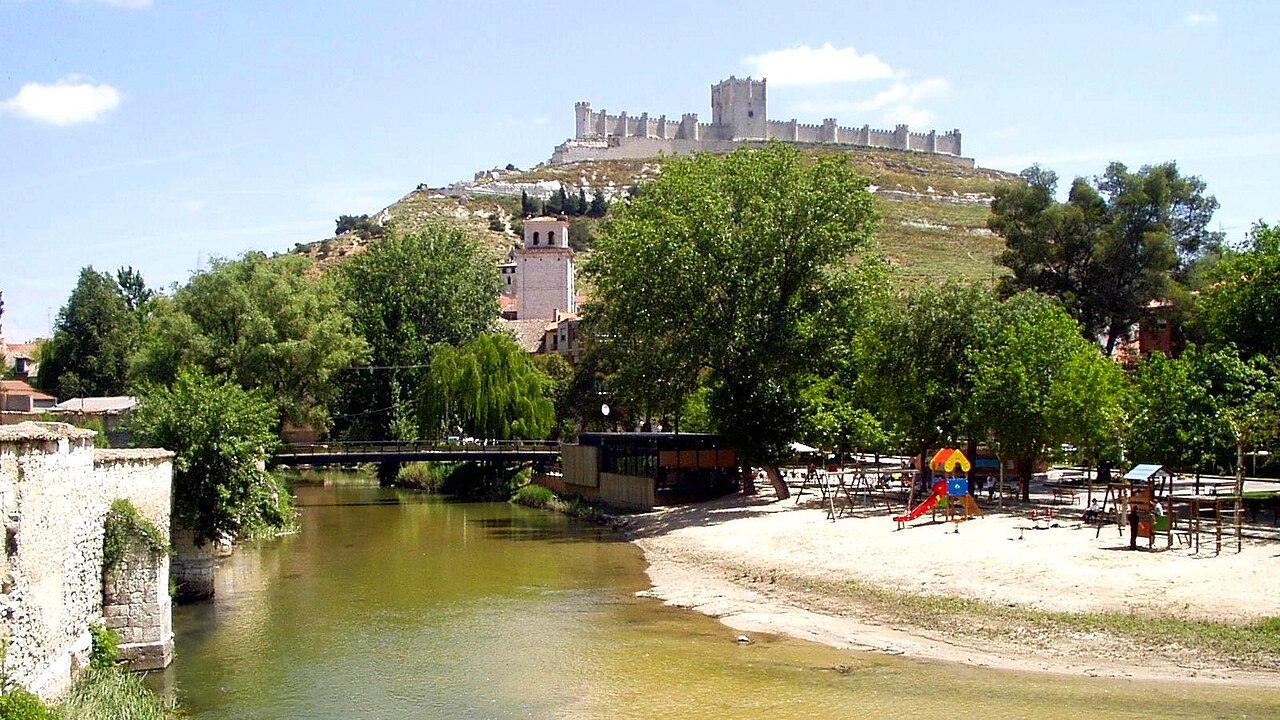
Curiel de Duero Castle is a historic fortress located in the town of Curiel de Duero in Spain. Its origins trace back to a strategic site with fortifications dating from Roman times, indicating the long-standing military importance of this location. The castle as it stands today was constructed and developed primarily between the 7th and 11th centuries, spanning the Early Medieval period. This era was marked by the transition from late antiquity to the medieval feudal system, during which fortifications like Curiel de Duero played a crucial role in regional defense and control.

Historical context and origins

The site of Curiel de Duero Castle was originally fortified during Roman rule, taking advantage of the natural terrain to establish a defensive position. After the fall of the Roman Empire, the location retained its military significance through the Visigothic period and into the early phases of the Reconquista. The castle's initial medieval construction began in the 7th century, with subsequent expansions and modifications continuing until the 11th century. This long construction period reflects the evolving defensive needs and architectural styles of the early Middle Ages in the Iberian Peninsula.

Architectural features and layout

The castle's architecture is characteristic of Early Medieval fortifications, featuring robust stone walls designed to withstand sieges and attacks. While much of the original structure was lost or deteriorated over centuries, the key elements included defensive walls, a , and a that would have housed various ancillary buildings. The castle's elevated position provided commanding views over the surrounding landscape, essential for early warning and defense.

Defensive structures

The walls and battlements were constructed with thick stone masonry, typical of the period's military architecture. Defensive features likely included narrow arrow slits and possibly a or ditch to hinder attackers. The castle's design prioritized functionality and durability over ornamental elements, reflecting the turbulent times during which it was built.

Decline and restoration

By the beginning of the 21st century, Curiel de Duero Castle had fallen into a state of ruin, its medieval structures heavily damaged by centuries of neglect and natural decay. Recognizing its cultural and historical value, a hotel company initiated an extensive restoration project in 2003. This effort aimed to preserve as much of the original fabric as possible while adapting the site for modern use.

Restoration process and current use

The restoration, completed in 2006, transformed the castle into a hotel with 24 rooms. The project balanced conservation with hospitality, allowing visitors to experience the castle's medieval ambiance alongside contemporary comforts. The adaptive reuse of Curiel de Duero Castle as a hotel has helped ensure its preservation and introduced the site to a wider audience interested in historical architecture and cultural tourism.

Significance and visitor experience

Curiel de Duero Castle stands as a notable example of an Early Medieval fortress in Spain that has been successfully repurposed for modern use. Its long history, from Roman origins through medieval development and recent restoration, offers insights into the region's military and architectural evolution. Visitors today can explore the castle's historic spaces, enjoy panoramic views of the surrounding countryside, and appreciate the blend of ancient structure with contemporary amenities.

Frequently asked questions (FAQ)

How do I get to Curiel de Duero Castle?
Curiel de Duero Castle is located in the picturesque village of Curiel de Duero, Spain. You can reach it by car from major cities like Valladolid, which is approximately 60 km away. Public transportation options are limited, so driving or taking a taxi is recommended for convenience.
What is the historical significance of Curiel de Duero Castle?
Curiel de Duero Castle dates back to the 15th century and played a crucial role in the defense of the region during various conflicts. It is a testament to the military architecture of the time and has witnessed many historical events. The castle's rich history makes it a fascinating site for visitors interested in Spain's medieval past.
When was Curiel de Duero Castle built?
The construction of Curiel de Duero Castle began in the late 14th century and continued into the 15th century. It was built to protect the area from invasions and to serve as a noble residence. Over the centuries, it has undergone various restorations to preserve its historical integrity.
Can I enter Curiel de Duero Castle?
Yes, visitors can enter Curiel de Duero Castle and explore its impressive structure and surrounding grounds. Guided tours are often available, providing insights into the castle's architecture and history. Be sure to check for any specific visiting hours or restrictions before your visit.
Why is Curiel de Duero Castle a popular tourist attraction?
Curiel de Duero Castle is popular due to its stunning architecture and rich historical background, making it an ideal destination for history buffs and architecture enthusiasts. The panoramic views of the surrounding countryside add to its allure, offering visitors a picturesque experience. Additionally, its close proximity to other cultural sites enhances its appeal.
Is it possible to take guided tours of the castle?
Yes, guided tours of Curiel de Duero Castle are available, allowing visitors to learn more about its history and architectural features. These tours are usually conducted by knowledgeable guides who can provide in-depth information. It's advisable to book in advance, especially during peak tourist seasons.
What are the opening hours for Curiel de Duero Castle?
Curiel de Duero Castle is typically open to visitors from Tuesday to Sunday, with varying hours depending on the season. It is closed on Mondays and during certain holidays. Always check the official website or local tourism information for the most current opening hours before your visit.
What is the best time to visit Curiel de Duero Castle?
The best time to visit Curiel de Duero Castle is during the spring and fall months when the weather is mild and pleasant for exploring. Summer can be quite hot, while winter may bring colder temperatures. Visiting during off-peak times can also help you avoid larger crowds.
Are there any nearby attractions to visit?
Yes, there are several nearby attractions to explore, including the charming village of Curiel de Duero itself and the surrounding wineries of the Ribera del Duero region. Other historical sites in the area, such as castles and churches, provide additional opportunities for cultural exploration. Plan a day trip to fully enjoy the rich heritage of the region.
What are the ticket prices for visiting the castle?
Ticket prices for Curiel de Duero Castle are generally affordable, with discounts available for children, seniors, and groups. Special rates may apply during certain events or holidays. It's best to check the castle's official website for the most accurate and up-to-date pricing information before your visit.

Information

Sources & official resources

Verify the information above using these authoritative references.

Loading map...

Visitor reviews

No reviews yet. Been here? Write the first review and help other travelers!

Write the first review

Visited this castle? Share your experience

Your review helps other travelers and adds first-hand knowledge to our encyclopedia.

Write a review

(5/5)

0/2000 characters

Your review will be visible after admin approval

Nearby castles

0.2 km

Palacio de los Zúñiga

Curiel de Duero, Spain

The Palacio de los Zúñiga stands prominently in the municipality of Curiel de Duero, Spain, as a significant example of a fortified noble residence with a complex history spanning several centuries. Established by the influential Zúñiga family, this palace served not only as a home for the aristocracy but also as a crucial center of local governance and judicial authority. Its role as the Palacio de Justicia Mayor during the late medieval period underscores its importance in the administration of justice for Curiel and its surrounding territories. Situated strategically on a hilltop, the palace is part of a larger network of fortifications that include the nearby Castillo de Curiel and the Castillo del Llano. The latter was completed in 1410 by Diego López de Zúñiga, the founder of the House of Zúñiga, highlighting the family's long-standing territorial and military influence. This network of castles and palaces reinforced the region's defensive capabilities and the nobility's control over the area. Historical significance and noble lineage The Zúñiga family played a pivotal role in the political and social landscape of the region. The palace's function as a judicial seat continued until the early 19th century, ending with the abolition of the Old Regime after 1812. This marked a significant shift in Spain's political structure, as feudal and monarchical judicial privileges were dismantled. The palace also served as a prison for notable detainees, including the sons of King Pedro I of Castile, the English nobleman John Hastings, 2nd Earl of Pembroke, and James IV of Mallorca. These imprisonments reflect the palace's dual role in governance and control during periods of political tension and conflict. Architectural features and defensive design The Palacio de los Zúñiga is characterized by a rectangular floor plan fortified with substantial towers at each corner, emphasizing its defensive purpose. The construction predominantly uses ashlar stone masonry, especially visible in the main entrance, which features a pointed Gothic arch crafted from precisely cut voussoirs. This entrance not only served a functional role but also symbolized the palace's status and authority. The palace originally enclosed a central courtyard surrounded by octagonal columns, a distinctive architectural detail that combined elegance with structural support. Above the main doorway projects a prominent defensive structure approximately thirty-five feet high, equipped with six openings and narrow slits designed for archers' arrows. This feature likely functioned as a barbican, allowing defenders to pour boiling water or drop stones on attackers during sieges. Adjacent to the palace stood the Rollo de Justicia, or Justice Pillory, a stone symbol of local judicial authority. Although only the stone steps remain today, this structure once served as a public emblem of law and order in Curiel de Duero. Interior and artistic elements While the interior of the palace has suffered significant deterioration, with much of its original decoration lost or removed, historical records indicate it once contained ornate plasterwork and distinctive wooden coffered ceilings. Unfortunately, many of these decorative elements were stripped away during the early 20th century and dispersed to various locations, including the National Archaeological Museum in Madrid, the Alcázar of Segovia, and private collections as far as California, USA. This dispersal reflects the challenges in preserving noble residences amid changing social and economic circumstances. Legend and cultural heritage A notable legend associated with the palace involves chains said to have been captured from the tent of Miramamolín, the Arab leader defeated at the Battle of Las Navas de Tolosa in 1212. According to tradition, these chains were seized by Christian knights during this decisive battle of the Reconquista and later displayed at the palace. This artifact symbolized the Christian victories over Muslim forces and underscored the palace's connection to broader historical narratives of medieval Spain. Preservation and current condition Today, the Palacio de los Zúñiga stands as a partially preserved monument, with its façade and two adjacent towers remaining largely intact. These surviving elements offer valuable insight into the palace's architectural character and historical significance. The palace's location near the Castillo de Curiel, perched on a high promontory, and its association with the Castillo del Llano highlight its role within a broader defensive and noble complex that shaped the region's history. Despite the loss of much of its interior decoration and the dispersal of its artistic treasures, the palace continues to attract interest for its architectural features and its role in the history of Spanish nobility and justice. Its combination of Gothic architectural elements, strategic defensive structures, and historical function as a judicial center make it a noteworthy site in the study of medieval and early modern Spanish castles and palaces.

Late Medieval (14th–15th c.)
Details
5 km
Peñafiel Castle — Spain castle

Peñafiel Castle

Calle Derecha al Coso, Spain

Peñafiel Castle stands as a monumental fortress perched atop a narrow rocky hill in the town of Peñafiel, within the Valladolid province of Spain. This late medieval hill castle is renowned for its distinctive elongated shape, often likened to a great ship, stretching approximately 210 meters in length and only 35 meters wide. Its strategic location overlooking the vast plains and river valleys of the Duero, Duratón, and Botijas rivers underlines its historical importance as a defensive stronghold controlling key routes through the region. The castle's origins trace back to an earlier fortress established during the 9th and 10th centuries, when it served as a pivotal point of defense between Christian and Moorish forces. Historical records mention fortifications on this site as early as 943 during the reign of Ramiro II of León. The fortress was seized by the Muslim leader Almanzor in 983, only to be reclaimed by Count Sancho García of Castile in 1008. According to legend, upon conquering the site, Sancho García planted his lance atop the hill and declared, "Ésta será la Peña Fiel de Castilla!" or "This will be Castile's Faithful Rock!"—a phrase that gave the castle its enduring name. Historical significance and political role Throughout the medieval period, Peñafiel Castle played a crucial role in the turbulent conflicts between Christian kingdoms and Muslim territories. In the 12th century, it was a contested stronghold during disputes involving Alfonso I of Aragon and Queen Urraca of Castile, further emphasizing its strategic value. The castle also formed part of the lordship of Peñafiel, held by influential figures such as King Alfonso X and Don Juan Manuel, a prominent medieval writer and nobleman. Don Juan Manuel, one of the wealthiest lords of Castile and a grandson-in-law of King Ferdinand III, was instrumental in the castle's reconstruction during the early 14th century. His contributions ensured the castle's military resilience and residential functionality, reflecting the dual nature of medieval fortresses as both defensive bastions and noble residences. The castle's ownership shifted over time, passing from royal hands to the powerful Girón family in the 15th century. Pedro Téllez Girón, Master of the Order of Calatrava, rebuilt the castle in the distinctive Valladolid school architectural style, which is characterized by imposing keeps and adaptation to the natural terrain. The Girón family maintained control until the 19th century, during which the castle served variously as a palace and a prison. Architectural features and layout Peñafiel Castle's architecture is uniquely adapted to the elongated crest of the hill on which it stands. The fortress is enclosed by two main defensive walls. The outer curtain wall is smooth and unadorned, featuring a single gate flanked by two round towers. Inside lies the inner enclosure, protected by 28 to 30 closely spaced circular towers connected by crenellated walls with a walkway for defenders. The centerpiece of the castle is its imposing rectangular keep, or torre del homenaje, measuring approximately 14.5 by 20 meters at its base and rising 34 meters high. This keep is crowned by eight cylindrical turrets, equipped with machicolations and battlements, serving both defensive and symbolic purposes. The keep's entrance originally featured a drawbridge, now lost, and inside it contains two vaulted floors connected by a spiral staircase leading to a roof terrace offering panoramic views of the surrounding vineyards and landscape. The castle's interior is divided into two main courtyards. The northern courtyard housed cisterns and storage rooms essential for sustaining the garrison during sieges. The southern courtyard contained stables and living quarters for soldiers and officers. Today, the southern courtyard hosts the Provincial Wine Museum, inaugurated in 1999, which celebrates the region's rich viticultural heritage and attracts over 100,000 visitors annually. Defensive adaptations and materials Constructed primarily from Campaspero limestone, quarried locally and still in use today, the castle's walls and towers were reinforced over centuries to withstand evolving military technologies. Modifications included the addition of an inner moat and strengthening of the northern tower to support artillery defenses. The castle's design reflects a blend of functionality and symbolism, with heraldic shields of the Girón family prominently displayed on the keep, marking their long-standing influence. Later history and restorations In the 19th century, Peñafiel Castle experienced occupation by French troops during the Peninsular War, followed by use as a prison and military post during the Spanish Civil War in the 20th century. Its historical and architectural significance was formally recognized when it was declared a National Monument in 1917. Extensive restoration work was undertaken between 1966 and 1973 to preserve the castle's structural integrity and historical features. More recent renovations completed in 2024 focused on restoring the perimeter battlement walkway and the northern courtyard, ensuring the castle remains a well-preserved example of medieval military architecture. Visitor experience and cultural significance Today, Peñafiel Castle is a major cultural landmark and a symbol of the Ribera del Duero wine region. Visitors can explore the castle only through guided tours, which are currently offered exclusively in Spanish. The castle's museum provides an immersive experience into the local wine culture, complementing the fortress's historical narrative. The castle's unique elongated form, robust defensive structures, and commanding position overlooking the river valleys make it a fascinating study in medieval fortification adapted to challenging topography. Its connection to prominent historical figures and its role in regional conflicts enrich its cultural heritage, making Peñafiel Castle a must-visit destination for enthusiasts of history, architecture, and wine tourism alike.

Late Medieval (14th–15th c.)
Details
6.3 km
Pintia — Spain castle

Pintia

Padilla de Duero, Spain

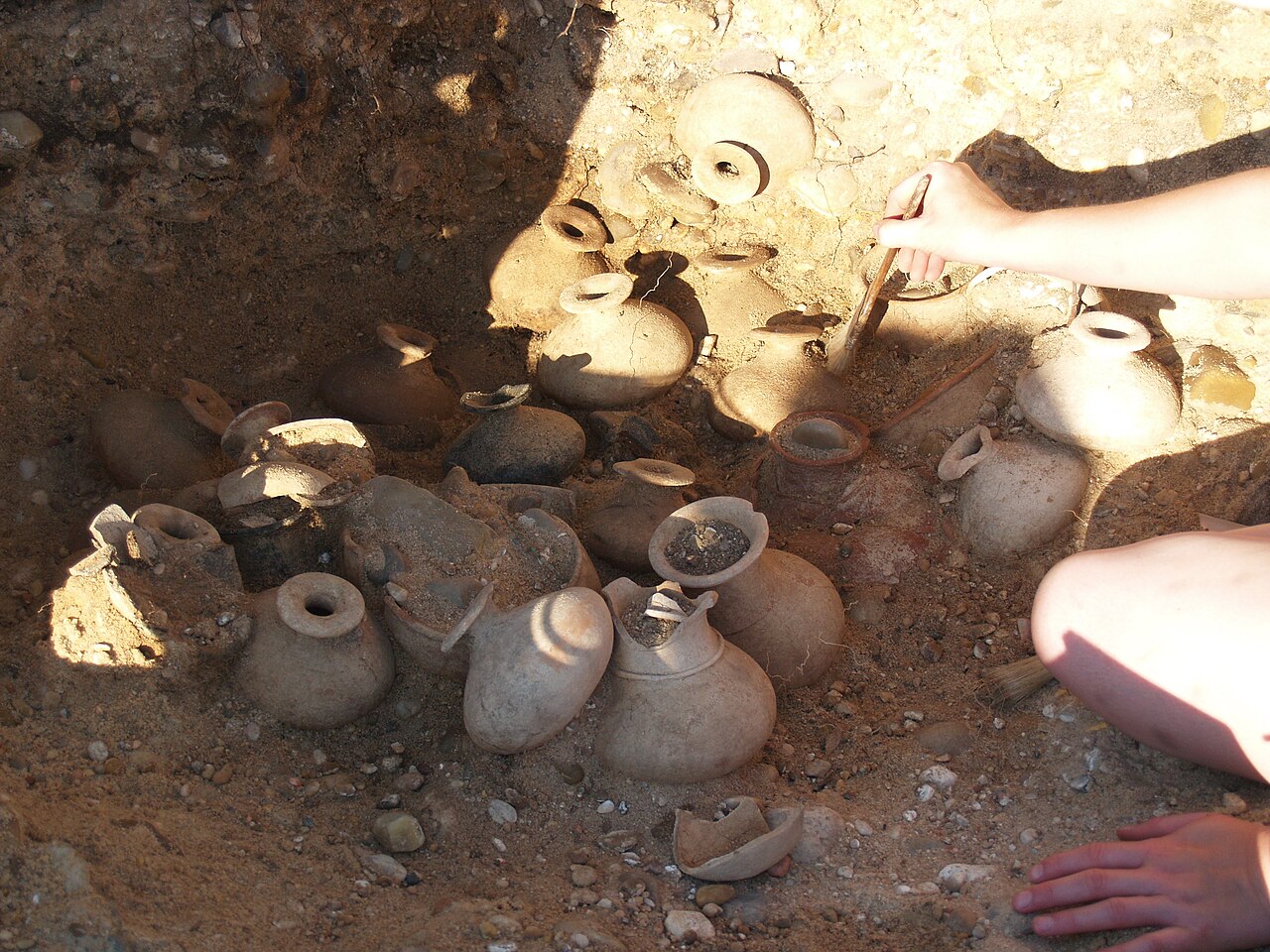
Pintia is an ancient city of the Vaccaei, located near Padilla de Duero in the province of Valladolid, central Spain. The site represents one of the most significant archaeological ruins from the pre-Roman and Roman periods in the Iberian Peninsula, offering valuable insights into the culture and history of the Vaccean people. The Vacceans and their territory The Vaccaei, also known as Vacceans, were an early Celtic society that settled in the fertile valleys between the Duero and Pisuerga rivers. Their territory encompassed much of what is now the provinces of Valladolid, Palencia, and parts of Zamora, Segovia, and Ávila. The Vaccaei established several important city-states, including Pallantia (modern Palencia) and Pintia, which operated with a degree of political independence while maintaining close cultural and economic ties. Historical significance of pintia Pintia played a strategic role during the Roman conquest of Hispania. The Vaccaei allied with the Arevaci of Numancia during the famous Roman siege of Numancia in the 2nd century BCE. Following the fall of Numancia, Roman forces targeted the Vaccaei cities in retribution. Pintia was besieged and destroyed by the Romans, marking the end of the Vaccean culture, language, and religious practices in the region. Archaeological discoveries and site layout The archaeological zone of Pintia is divided into three main areas: the city of Las Quintanas, the necropolis of Las Ruedas, and the potter's district of Carralaceña. Excavations at Las Quintanas have revealed evidence of a devastating fire that destroyed the city. After this event, the Visigoths established a necropolis nearby, indicating continued occupation and reuse of the site. The necropolis of Las Ruedas has yielded richly furnished burials, including those of elderly soldiers, providing important information about the funerary customs and social structure of the Vaccaei. The nearby artisan district of Carralaceña contains unique ceramic kilns, notable for their large production output. These kilns were located across the Duero river from the main city, possibly to reduce the risk of fire damage to the urban area. Challenges in preservation and excavation Unfortunately, part of the ancient town was damaged due to vineyard planting, which occurred because of limited support for archaeological projects. Despite these challenges, the University of Valladolid currently oversees the recovery and study of Pintia, working to protect and understand this important cultural heritage site. Current archaeological activities and public access The necropolis at Pintia is actively excavated each summer by international field school students under the supervision of the University of Valladolid and the Federico Wattenberg Center of Vaccean Studies, with facilitation by ArchaeoSpain. This ongoing work continues to uncover valuable artifacts and deepen knowledge of Vaccean society. While the site is recognized for its archaeological importance, the potter's district kilns are not currently open to the public due to lack of tourism infrastructure investment by regional authorities. Visitors interested in the history of Pintia can explore the broader archaeological area and learn about the Vaccean civilization through guided tours and educational programs organized by local institutions. Architectural and cultural insights from pintia The remains at Pintia provide a rare glimpse into the urban planning and craftsmanship of a pre-Roman Celtic city in the Iberian Peninsula. The city's layout, with its distinct residential, funerary, and industrial zones, reflects a sophisticated social organization. The rich burials found in the necropolis reveal a society with hierarchical structures and warrior elites. The ceramic production in Carralaceña highlights the technical skills and economic activities of the Vaccaei, emphasizing their role in regional trade networks. The destruction layers and Visigothic necropolis also illustrate the site's long-term occupation and adaptation through various historical periods.

High Medieval (11th–13th c.)
Details