Pidzamochok Castle
Pidzamochok Castle (Ukrainian: Підзамочківський замок, romanized: Pidzamochkivs'kyi zamok) stands as a significant Renaissance-era fortress ruin located in Pidzamochok, within the Chortkiv Raion of Ternopil Oblast, Ukraine. Founded around 1600 by Jan Zbożny (Tworowski-Buczacki), the castle was originally constructed as a defensive stronghold by the Tworowski-Buchacki family. Its strategic location and robust design reflect the military architectural trends of the late 16th century in this region of Eastern Europe.
Historical context and ownership
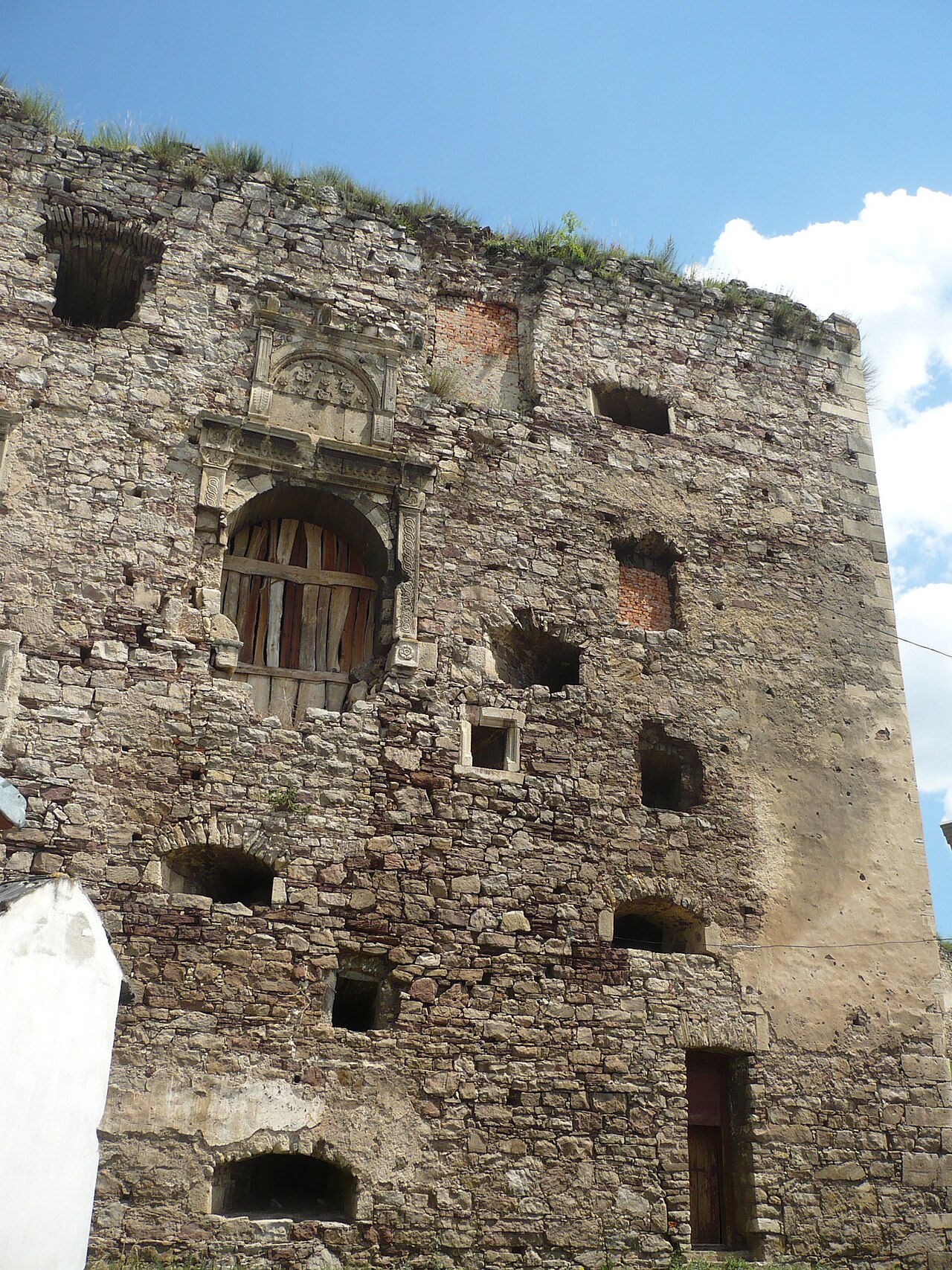
The castle's initial construction was part of a broader effort by noble families to fortify their holdings during a turbulent period marked by frequent conflicts and shifting borders. The Tworowski-Buchacki family established the castle to assert control and provide protection against invasions and local unrest. In the 16th and 17th centuries, the fortress underwent significant rebuilding and enhancements under the ownership of the Potocki-Movile family, who remodeled the structure in the Renaissance architectural style. This transformation included the addition of more refined defensive features and aesthetic elements typical of Renaissance fortifications, blending military utility with stylistic advancements.
Architectural features and design
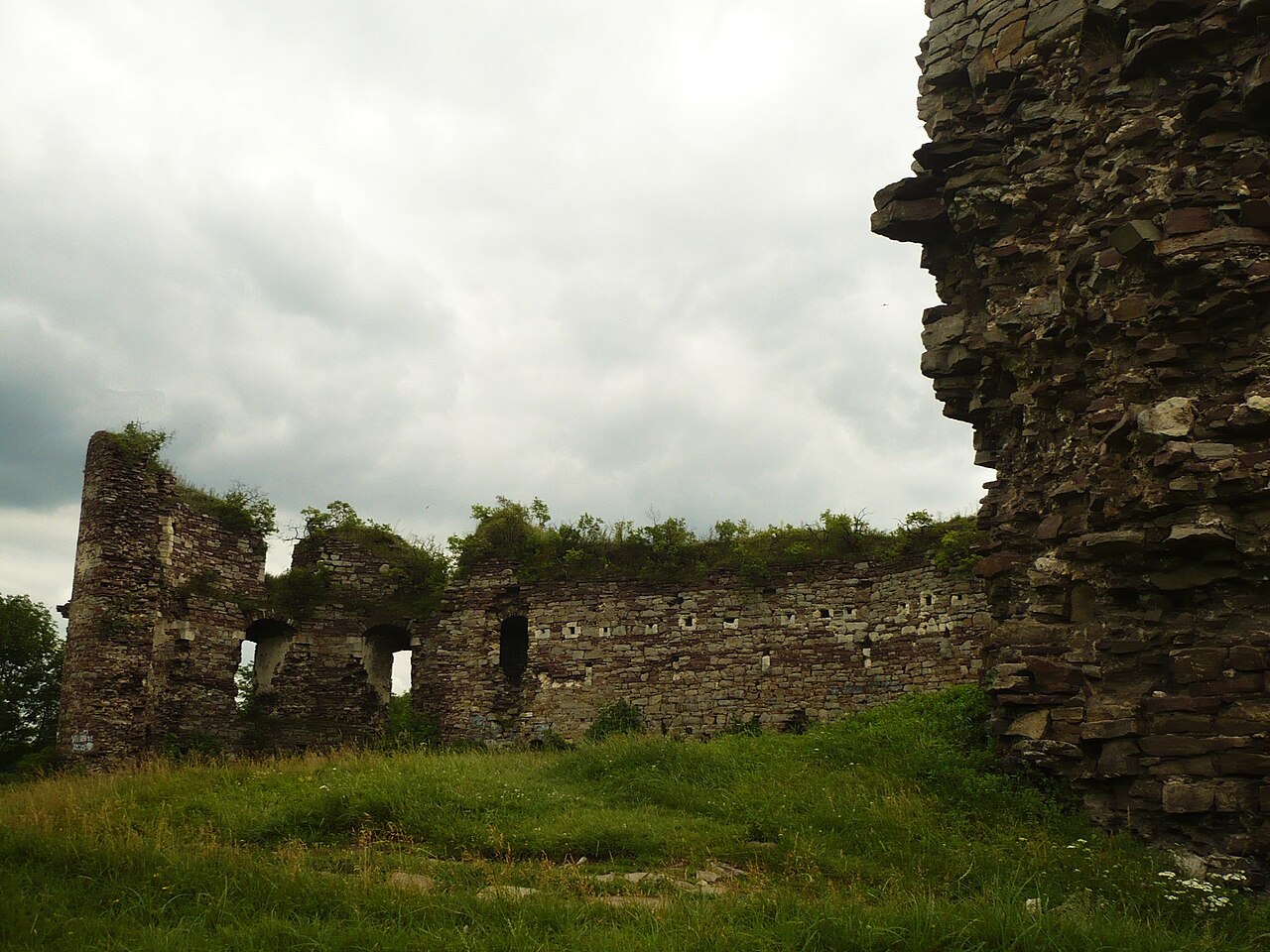
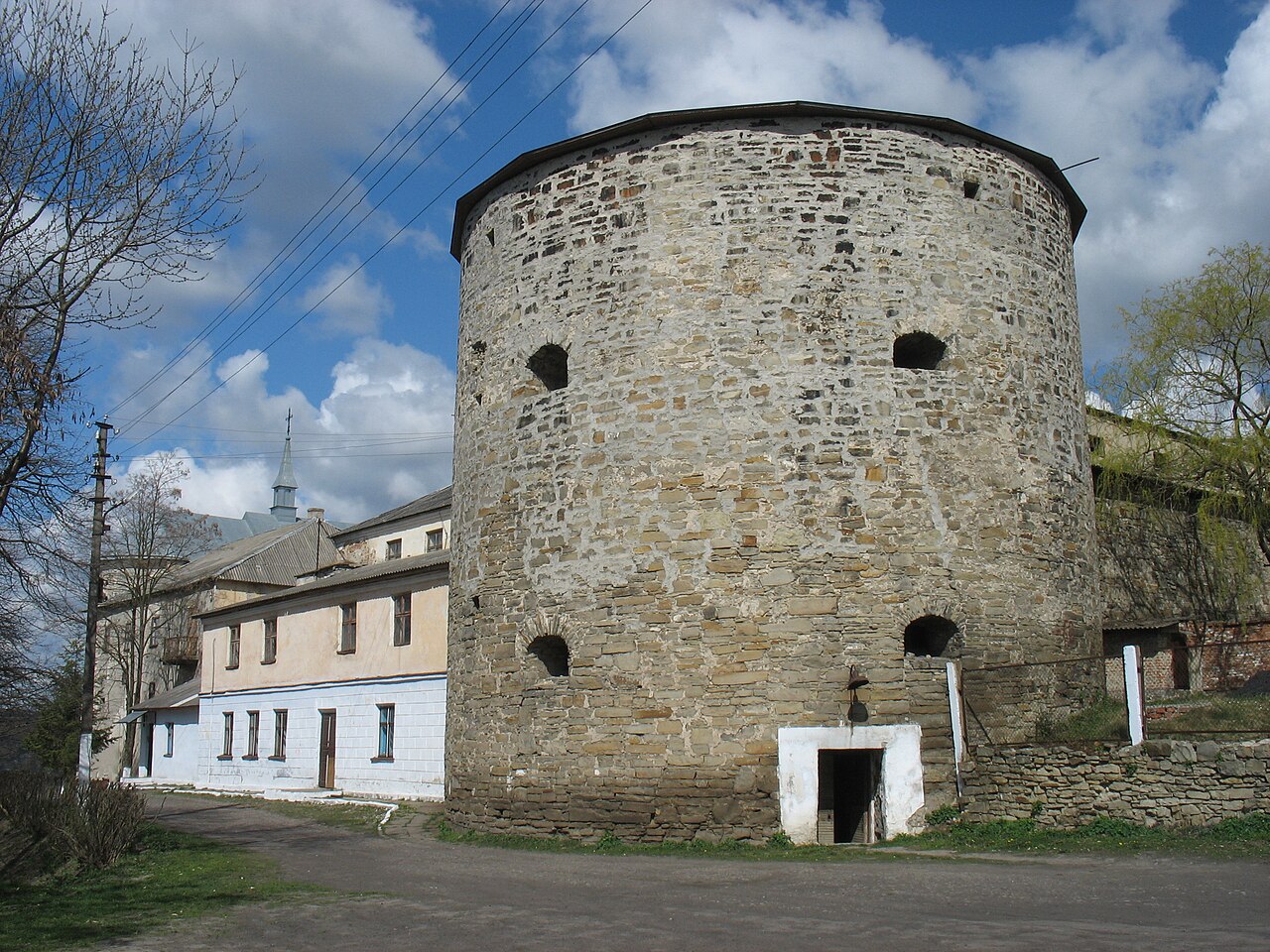
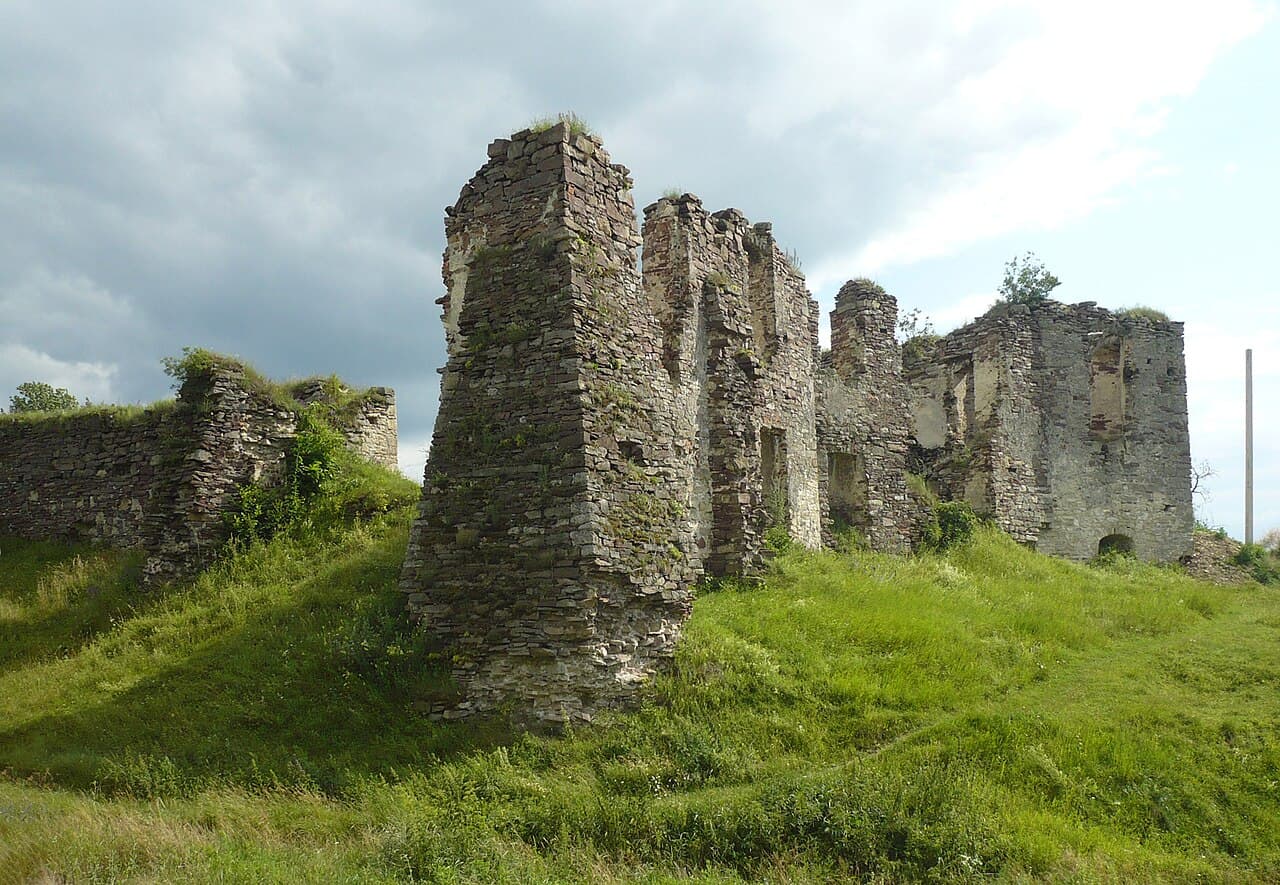
The castle was designed primarily as a defensive structure, featuring thick stone walls, battlements, and fortified towers that provided vantage points for surveillance and defense. The Renaissance rebuilding introduced elements such as symmetrical layouts, decorative stonework, and possibly embrasures adapted for artillery use, reflecting the evolving nature of military architecture during this period. Although much of the castle now lies in ruins, archaeological studies and remaining structures reveal the complexity of its original design, including a central courtyard and residential quarters for the noble inhabitants.
Defensive elements
Key defensive components included robust curtain walls and corner towers, which allowed defenders to monitor and repel attackers effectively. The castle's position in the landscape was selected for its natural defensive advantages, possibly on elevated ground or near water features that could serve as natural barriers.
Residential and functional spaces
Inside the walls, the castle contained living quarters, storage rooms, and possibly a chapel, serving both military and domestic functions. The layout was typical of Renaissance castles that balanced fortification needs with the requirements of noble residence and administration.
Military history and decline
Pidzamochok Castle saw several military engagements, notably during the late 17th century when it was attacked and destroyed by Ottoman forces. This event marked the beginning of the castle's decline as a military stronghold. Following its destruction, the castle was abandoned and fell into disrepair over the ensuing centuries.
During the 19th century, when the region was part of the Austrian Partition after the partitions of Poland, the castle suffered further degradation. It was partially demolished to reclaim building materials, a common fate for many abandoned fortresses, which contributed to its current ruined state.
Modern status and preservation
Today, Pidzamochok Castle exists as an archaeological ruin and is recognized as a cultural heritage site within the Castles of Ternopil Oblast National Reserve. The ruins attract tourists interested in the history and architecture of the region. Preservation efforts focus on maintaining the remaining structures and providing educational information to visitors about the castle's historical significance and architectural features.
Visitors to the site can explore the remnants of the castle walls, towers, and the layout of the former fortress, gaining insight into the defensive strategies and noble lifestyles of the Renaissance period in Ukraine.
Visitor information and cultural significance
The castle is accessible to the public, offering a glimpse into the past military and residential architecture of the region. Its ruins serve as a tangible connection to the turbulent history of Eastern Europe during the Renaissance and the shifting powers that influenced the area.
As part of the national reserve, the castle is managed with an emphasis on conservation and education, ensuring that its legacy endures for future generations to study and appreciate.
Frequently asked questions (FAQ)
- What is the historical significance of Pidzamochok Castle?
- Pidzamochok Castle is a remarkable example of medieval architecture in Ukraine, showcasing the region's rich history. Built in the 14th century, it played a crucial role in local defense against invasions and reflects the artistic styles of its time.
- When was Pidzamochok Castle built?
- Pidzamochok Castle was constructed in the 14th century, during a period when many fortifications were established to protect against external threats. Its construction marks an important era in Ukraine's medieval history.
- Is it possible to visit Pidzamochok Castle?
- Yes, Pidzamochok Castle is open to visitors and offers a glimpse into its storied past. The castle's grounds are accessible, and guided tours are often available to enhance your experience.
- What are the opening hours for Pidzamochok Castle?
- Pidzamochok Castle typically opens to visitors from 9 AM to 6 PM, but hours may vary by season or special events. It is advisable to check the official website or contact local tourism offices for the most current information.
- Can I purchase tickets in advance for Pidzamochok Castle?
- Yes, tickets for Pidzamochok Castle can often be purchased in advance, either online or at local tourism offices. This can save you time and ensure you have a spot during peak visiting hours.
- What is the best time to visit Pidzamochok Castle?
- The best time to visit Pidzamochok Castle is during the spring and early autumn months when the weather is mild and the views are spectacular. Additionally, visiting during these periods allows you to enjoy the surrounding landscapes in full bloom.
- Are there nearby attractions to Pidzamochok Castle?
- Yes, there are several nearby attractions, including beautiful natural parks and other historical sites that complement a visit to Pidzamochok Castle. Exploring the surrounding area can enrich your understanding of the region's history and culture.
- How do I get to Pidzamochok Castle?
- Pidzamochok Castle is accessible by car and public transport, with local buses and taxis available for visitors. Detailed directions can be found on the castle's website, ensuring an easy journey to this historic site.
- Is the castle accessible for individuals with mobility challenges?
- Accessibility at Pidzamochok Castle may be limited due to its historical nature and terrain. It is recommended to contact the castle's administration in advance to inquire about specific accommodations for visitors with mobility challenges.
Photo gallery

Information
Loading map...
Visitor reviews
No reviews yet. Been here? Write the first review and help other travelers!
Write the first reviewVisited this castle? Share your experience
Your review helps other travelers and adds first-hand knowledge to our encyclopedia.