Petrés Castle — Spain castle

Petrés Castle

Petrés Castle: a late medieval hill castle in Spain
Late Medieval (14th–15th c.)
Well Preserved

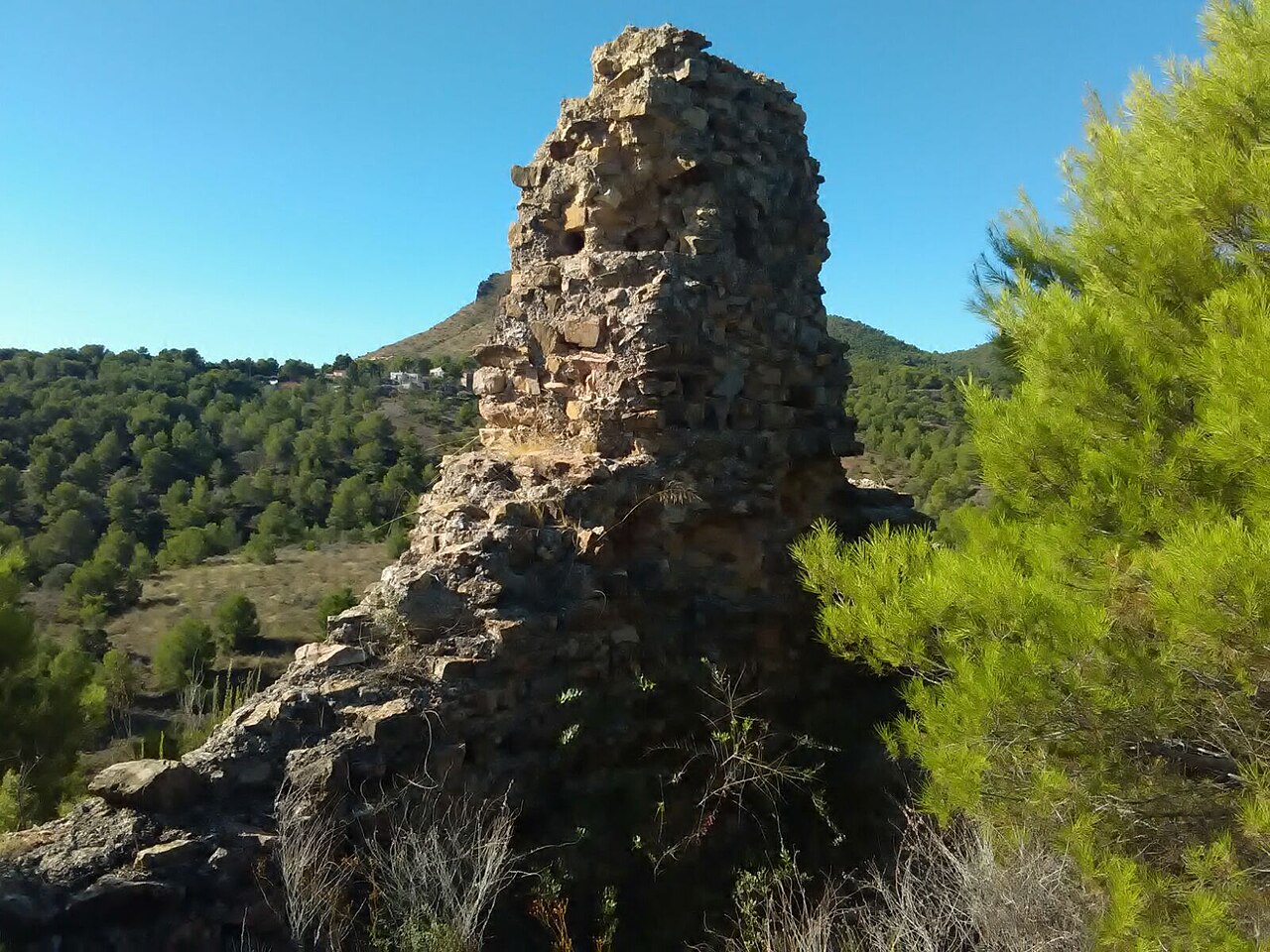
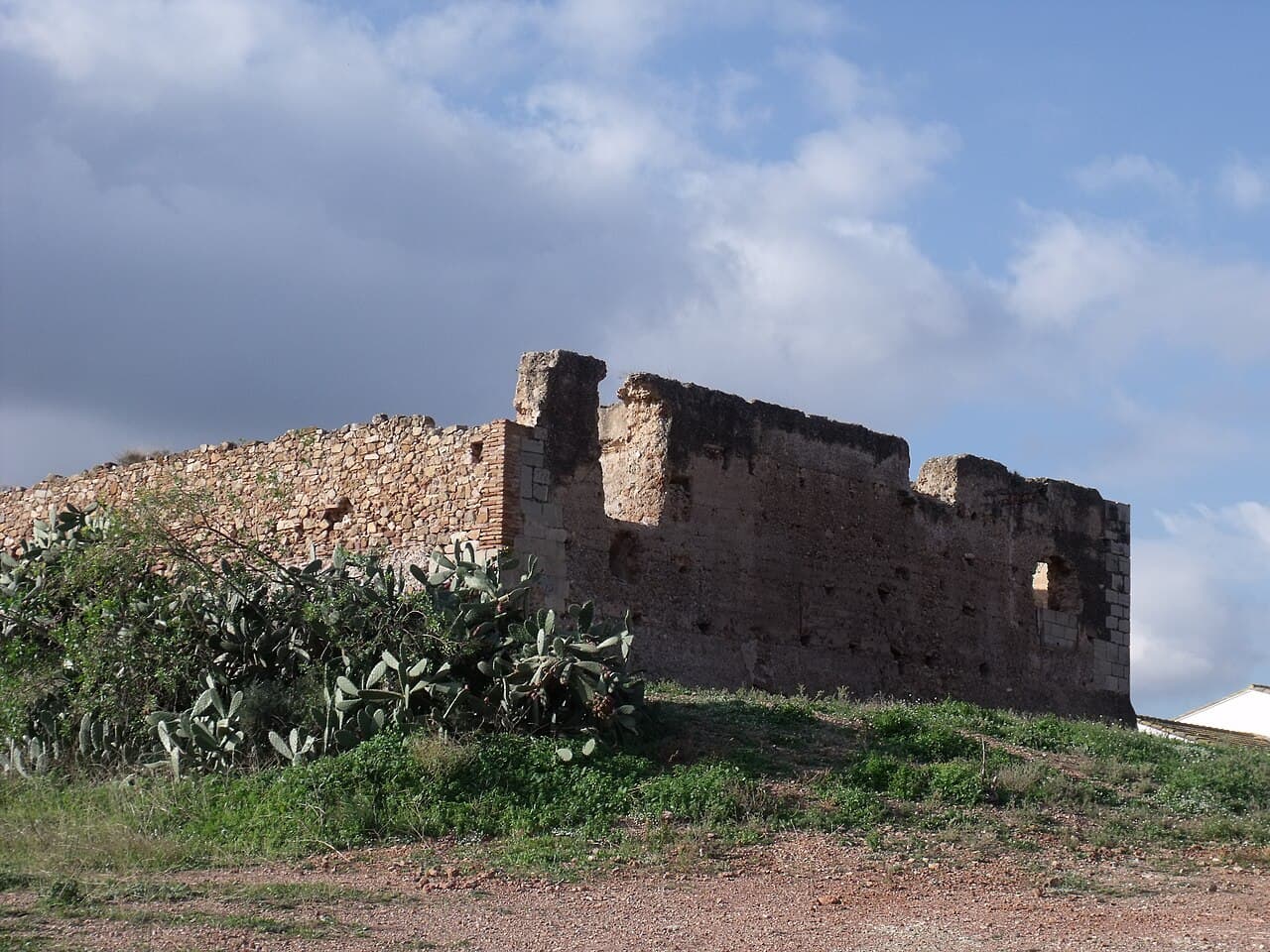
Petrés Castle is a notable example of a late medieval hill castle located in Spain, dating back to the 14th century. Its strategic position atop a hill provided a commanding view of the surrounding landscape, which was essential for defense and surveillance during the turbulent medieval period. The castle's construction reflects the military architectural practices of the time, designed to withstand sieges and control important routes.

Historical context and significance

Constructed during the late medieval period, Petrés Castle was part of the broader network of fortifications that dotted the Iberian Peninsula. This era was marked by frequent conflicts, including territorial disputes and the Reconquista efforts, which influenced the design and function of castles like Petrés. The castle served both as a military stronghold and a symbol of feudal power in the region.

Architectural features and layout

The castle is characterized by its typical hill castle layout, utilizing the natural elevation for defense. Its walls are robust, constructed from local stone, and feature battlements that provided protection for defenders. The keep or main tower would have been the last line of defense, likely positioned at the highest point of the site. Surrounding the keep, the curtain walls enclosed the inner courtyard, which housed essential facilities such as storage rooms, living quarters, and possibly a chapel.

Defensive structures

Petrés Castle's design includes towers placed at strategic points along the walls to allow for flanking fire against attackers. The entrance was probably fortified with a gatehouse and possibly a drawbridge, common features in castles of this period to control access and enhance security. The use of a moat or natural defensive barriers would have further complicated any assault.

Materials and construction techniques

The builders used locally sourced stone, which was typical for castles in the region, ensuring both durability and integration with the natural environment. The masonry work reflects the construction techniques of the 14th century, with thick walls designed to resist battering and projectiles. The interior spaces were likely functional rather than ornate, prioritizing defense and practicality.

Role in regional history

Throughout its history, Petrés Castle played a role in the defense of its territory and the control of trade routes. Its presence would have been a deterrent to invaders and a base for local lords to administer their lands. The castle's location in Spain places it within a rich historical tapestry of medieval warfare and political change, though specific recorded events tied to Petrés Castle are limited.

Current condition and preservation

Today, Petrés Castle remains a well-preserved example of medieval military architecture. While some sections may have undergone restoration to stabilize the structure, much of the original stonework and layout are intact. The castle is accessible to visitors interested in medieval history and architecture, offering insight into the defensive strategies of the late medieval period.

Visiting information

Visitors to Petrés Castle can explore the site and appreciate its historical significance and architectural features. The castle's hilltop location provides panoramic views of the surrounding countryside, enhancing the experience. While specific visitor facilities and opening hours may vary, it is advisable to check local tourism resources for the most current information.

Frequently asked questions (FAQ)

How do I get to Petrés Castle?
Petrés Castle is located just a short drive from the city of Valencia, making it easily accessible by car. Public transportation options are also available, including buses that connect nearby towns to the castle. Additionally, guided tours often provide transportation as part of their service.
What is the historical significance of Petrés Castle?
Petrés Castle dates back to the 13th century and played a crucial role in the defense of the region during the Reconquista. It showcases a blend of Moorish and medieval architectural styles, reflecting the cultural influences of the time. The castle is not only a historical monument but also a symbol of local heritage.
When was Petrés Castle last renovated?
Petrés Castle has undergone several renovations over the years, with the most recent major restoration completed in the early 2000s. These efforts were aimed at preserving its structure and making it safe for visitors. This restoration has helped to maintain the castle's historical integrity while enhancing its accessibility.
Can I take guided tours of the castle?
Yes, guided tours of Petrés Castle are available, providing visitors with in-depth information about its history and architecture. These tours often include access to areas that may not be open to the public during self-guided visits. It's advisable to book in advance during peak tourist seasons.
Why is Petrés Castle considered an architectural gem?
Petrés Castle features a unique combination of Gothic and Moorish architectural elements, which is relatively rare in Spanish castles. Its robust defensive walls, intricate stonework, and panoramic views of the surrounding landscape make it a fascinating site for architecture enthusiasts. The castle's design reflects the strategic importance it held in the past.
Is it possible to visit Petrés Castle year-round?
Yes, Petrés Castle is open to visitors throughout the year, although specific opening hours may vary by season. It is best to check the castle's official website for the most current information regarding hours and any potential closures. Visiting in the off-peak months can provide a more tranquil experience.
What are the ticket prices for visiting Petrés Castle?
Ticket prices for Petrés Castle are generally affordable, with discounts available for students and seniors. Children under a certain age may enter for free, making it an accessible option for families. Be sure to check for any special promotions or group rates that may apply.
What is the best time to visit Petrés Castle?
The best time to visit Petrés Castle is during the spring and fall months when the weather is mild and pleasant for exploring. Summer can be quite hot, while winter may bring cooler temperatures. Additionally, visiting during off-peak times can help you avoid larger crowds and enhance your experience.
Are there any nearby attractions to visit after exploring the castle?
Yes, there are several nearby attractions worth visiting, including the charming village of Petrés and beautiful hiking trails in the surrounding area. The city of Valencia, with its rich culture and vibrant atmosphere, is also just a short drive away. These options make it easy to plan a full day of exploration.

Photo gallery

Petrés Castle
Click to view

Photo by B25es•CC BY-SA 3.0

1 photo • Click any image to view in full screen

Information

Hill Castle

Loading map...

Visitor reviews

No reviews yet. Been here? Write the first review and help other travelers!

Write the first review

Visited this castle? Share your experience

Your review helps other travelers and adds first-hand knowledge to our encyclopedia.
Write a review

(5/5)

0/2000 characters

Your review will be visible after admin approval

Nearby castles

2.7 km
Sagunto Castle — Spain castle

Sagunto Castle

Sagunto, Spain

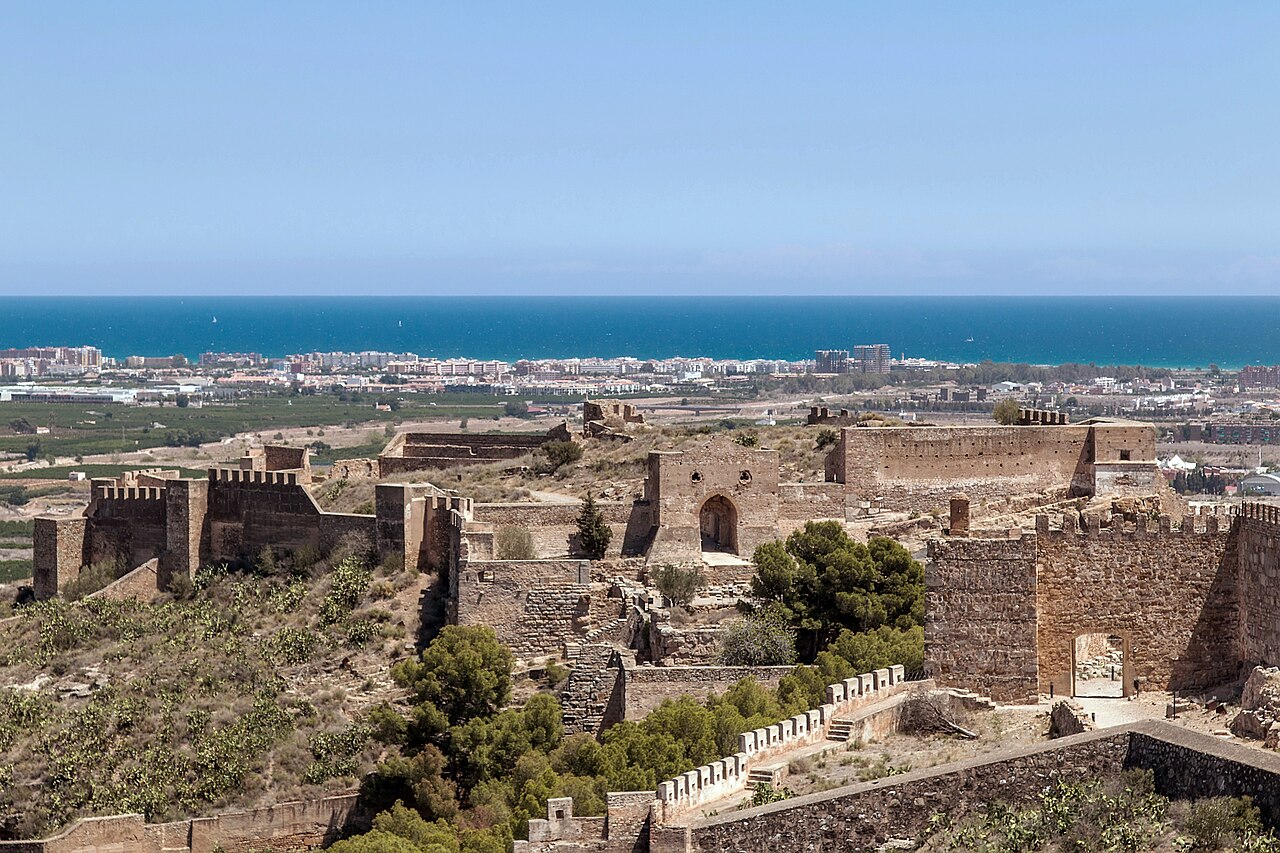
Sagunto Castle is a prominent hilltop fortress overlooking the town of Sagunto near Valencia, Spain. Its history spans over two millennia, encompassing significant Iberian, Roman, Islamic, and medieval remains. The castle's strategic location atop a flat-topped hill rising 172 meters above sea level provided commanding views of the Mediterranean coast and the surrounding landscape, making it a crucial military and administrative center throughout its long history. The ancient origins and Roman development The site of Sagunto Castle was originally settled by the Iberians, who called it Arse. This early settlement dates back to the early 1st millennium BC. The extensive Iberian defensive walls on the eastern side of the castle, dating from the early 4th century BC, are among the oldest surviving fortifications on the site. These walls enclosed a territory larger than the current castle footprint, highlighting the area's importance in prehistoric times. The settlement gained wider historical significance during the Second Punic War when the Carthaginian general Hannibal attacked Sagunto in 219 BC. This assault triggered the war between Rome and Carthage. The Romans recaptured the city in 214 BC, renaming it Saguntum or Saguntinum and elevating it to the status of a Roman municipium. Between approximately 175 and 100 BC, the Romans undertook major construction projects on the hilltop, including the building of a temple (capitolium) and a large water cistern. These structures later became part of an imperial forum established in the 1st century AD. The forum, measuring roughly 60 by 36.5 meters, was the city's civic heart. Adjacent to it, the basilica served as a large rectangular hall for public and judicial functions, while rows of tabernae (shops) lined the eastern edge of the forum, indicating a bustling urban center. A complex building near the forum's northeast is thought to have been the curia or a temple dedicated to Augustus, reflecting the administrative and religious significance of the site. Further Roman cultural life is evidenced by the remains of a Roman theatre on the northwestern slope, about 50 meters below the forum. This theatre highlights the city's role as a center of entertainment and social gathering during Roman times. Islamic period fortifications and medieval history Following the decline of Roman authority, Sagunto fell under Islamic control during the early medieval period. The castle was known as Murbĩtar or Morvedre during this time. The Islamic rulers constructed most of the outer walls and the Albacar section, a fortified enclosure within the castle complex. These fortifications were designed to defend the regions of Catalonia and Valencia from external threats. The castle's defensive system was further enhanced with a curtain wall descending from the hilltop to connect with the town's outer fortifications. The construction techniques used during this period included layers of adobe (sun-dried mud bricks) mixed with small stones packed between large masonry blocks, demonstrating a blend of building traditions. El Cid, the famed Castilian nobleman and military leader, occupied Sagunto Castle from 1098 to 1102, a period marked by conflict between Christian and Muslim forces in the Iberian Peninsula. The castle was eventually incorporated into the Kingdom of Valencia by King Jaume I in 1238 during the Christian Reconquista. Despite Christian political control, the local population remained largely Muslim for some time. By 1328, a Jewish community had also developed near the castle, evidenced by the establishment of a Jewish cemetery close to the walls. This coexistence of cultures reflects the complex social fabric of medieval Sagunto. In the 14th century, King Peter IV of Aragon undertook significant efforts to reinforce the castle's fortifications. However, the fortress remained contested; in 1363, it was captured by King Peter of Castile after a siege, illustrating the turbulent political landscape of medieval Spain. Renaissance and early modern military adaptations In 1562, King Philip II commissioned the military engineer Juan Bautista Antonelli to upgrade Sagunto Castle's defenses. Antonelli's work divided the fortress into seven distinct plazas, each serving specific military functions to improve the castle's defensive coordination. These plazas include the Plaza de Armas, Plaza de Almenara, Plaza de San Fernando, and the smaller Plaza del Refectorio, which features vaulted arcades that once served as dining halls. The castle's fortifications were adapted to accommodate evolving military technology, including artillery, which necessitated stronger walls and bastions. The division into plazas allowed for better troop deployment and defense management during sieges. During the War of Spanish Succession in the early 18th century, Sagunto Castle briefly changed hands between the Archduke of Austria and King Philip V of Spain. The castle's strategic importance persisted through this conflict, reflecting its continued military relevance. Napoleonic era and 19th-century military significance In 1811, during the Peninsular War, French forces under General Suchet laid siege to Sagunto Castle. Although initially defended by Brigadier Andriani, the fortress ultimately fell to the French. After their victory, the French repaired and strengthened the castle's defenses, incorporating contemporary military engineering techniques. The castle's walls and bastions visible today include modifications from this period, demonstrating adaptations to the demands of 19th-century warfare. The layered construction reflects centuries of military evolution, from Iberian stone walls to Napoleonic bastions. Archaeological excavations and preservation Interest in Sagunto Castle's archaeological heritage began in the early 20th century. In 1932, Manuel González Simancas conducted detailed excavations focusing on the Roman foundations, uncovering significant remains of the forum, basilica, temple, and cistern. Further excavations in 1975 and 1992 revealed additional Roman and medieval structures, enhancing understanding of the site's multi-period occupation. The discovery of the Roman tower on the northern flank, dating to the early 2nd century BC, provided insight into the castle's defensive evolution, as it was later incorporated into medieval and Napoleonic fortifications. Today, Sagunto Castle is protected as a National Monument since 1931. The visible ruins primarily reflect the Muslim citadel with later Christian and French modifications. The castle remains a significant cultural and historical landmark, illustrating the complex layers of Spanish history through its architecture and archaeological remains.

Early Medieval (5th–10th c.)
Details
2.9 km
Castell del Piló — Spain castle

Castell del Piló

, Spain

Castell del Piló is an archaeological site located in Spain, representing the remains of a medieval fortress. Though the exact city or town of its location is not well documented, the castle stands as a significant example of medieval military architecture in the region.Historical context and significanceThe castle dates back to the medieval period, serving as a defensive stronghold during times of territorial conflicts and local power struggles. Its origins likely trace to the High medieval era, a time when fortifications were essential for controlling strategic routes and protecting local populations.While detailed historical records about Castell del Piló are scarce, its ruins offer valuable insights into the defensive strategies and architectural techniques employed during the medieval period in Spain. The castle’s location would have been chosen for its tactical advantage, possibly on elevated ground or near important trade or military routes.Architectural features and layoutThe remains of Castell del Piló include fragments of defensive walls, foundations of towers, and sections of the castle’s perimeter fortifications. These ruins suggest a typical medieval fortress layout designed to withstand sieges and attacks.Key architectural elements likely included a keep or donjon, serving as the last line of defense and residence for the lord or commander. Surrounding the keep, curtain walls with battlements would have provided protection for archers and defenders.The castle’s construction utilized locally sourced stone, characteristic of medieval fortifications in the region, and the masonry techniques reflect the practical military architecture of the time, focusing on durability and defense.Current condition and preservationToday, Castell del Piló exists in a state classified as ruins. The site has not undergone significant restoration, leaving the castle largely as an archaeological site. This condition allows for the study of its original construction methods and layout but limits visitor access to some extent due to safety concerns.Preservation efforts, if any, are minimal, focusing on protecting the remaining structures from further decay. The castle’s ruins contribute to the cultural heritage of the region, attracting historians, archaeologists, and visitors interested in medieval fortifications.Visiting and cultural importanceAs an archaeological ruin, Castell del Piló offers a glimpse into Spain’s medieval past. Visitors can explore the site to appreciate the remnants of its defensive architecture and imagine the historical context in which it operated.The castle’s location, although not precisely known, is part of Spain’s rich tapestry of medieval fortresses that illustrate the country’s complex history of territorial defense and feudal power structures.While facilities and visitor amenities may be limited due to its ruinous state, the site remains an important point of interest for those studying medieval military architecture and Spanish history.

Details
6.1 km

Castillo de Beselga

Estivella, Spain

The Castillo de Beselga stands prominently on the northern slope of Monte Garbí, near the town of Estivella in Spain. This hill castle is a remarkable example of the region's layered history, showcasing architectural and cultural influences from both the Almohad Muslim period and later Christian Reconquista eras. Originally established as a modest fortress and watchtower, it played a crucial role in the military defense network alongside the nearby Castillo de Morvedre, overseeing and protecting the surrounding settlements from strategic vantage points. Historical context is key to understanding the castle's evolution. The site was initially constructed by Muslim builders during the Almohad period, reflecting the architectural techniques and defensive needs of that era. Following the Christian reconquest of the region, the castle's ownership and function transformed significantly. The earliest documented Christian lord was the knight Adam de Paterna in 1248, as recorded in the medieval "Libro del Repartiment." Over subsequent centuries, the castle passed through the hands of notable figures such as Roger de Lauria in 1292 and Guillem de Colom in 1374. Influential families like the Sanfeliú and Monsoriu clans also held the castle, with Gracián Monsoriu undertaking significant construction in 1449 to adapt the fortress to changing military and residential demands. Medieval transformations and military significance By the early 16th century, the castle faced turbulent times. In 1506, under the ownership of Jaime de Aguilar, the castle suffered major damage when it was deliberately demolished to prevent its use by the agermanados, rebels involved in the War of the Germanías. This conflict marked a turning point, leading to the castle's decline as a military stronghold. Despite this, the Monsoriu family regained possession and played a role in the repopulation efforts after the expulsion of the Moriscos in 1610, reflecting the castle's ongoing importance within the region's socio-political landscape. Throughout its history, the castle was part of the jurisdiction of Morvedre (modern-day Sagunto) until 1535. It functioned not only as a defensive fortress but also as a noble residence and administrative center, illustrating the multifaceted role castles played in medieval and early modern Spain. However, after the extensive damage in the early 16th century and the depopulation of the nearby village in the 19th century, the castle fell into ruin. By the modern era, it had transitioned from a military and noble seat to a site used for summer homes, indicating a shift in its cultural and functional significance. Architectural features and layout The Castillo de Beselga is characterized by its elongated layout, oriented from east to west, which closely follows the natural contours of the hillside. This adaptation to the terrain results in a stretched form that maximizes defensive advantage while accommodating the slope. The castle's construction materials and techniques reveal a blend of Muslim and later Christian building traditions, showcasing the site's complex history. The western tower At the western end of the castle stands a prominent rectangular tower, measuring approximately 7.10 by 7.30 meters, with walls exceeding one meter in thickness. This tower was constructed using the tapia technique, involving rammed earth compacted in layers, a method typical of Muslim military architecture in the region. Stone is used sparingly, primarily in the internal staircases and supporting arches. The tower rises three stories, each pierced by windows, and is topped by a terrace offering panoramic views of the surrounding landscape. Originally, access to the tower was via a removable ladder, a defensive feature that could be withdrawn to prevent enemy entry. The lowest level likely served as a cistern (or aljibe), used for water storage and reconstructed during the Christian period. The middle floor provided living quarters, while the upper floor functioned as a lookout station with defensive loopholes on all sides, allowing surveillance and protection. The castle-palace complex Adjacent to the tower is a castle-palace built at the end of the 15th century during the Christian era. This rectangular building measures about 22.5 meters in length and nearly 8 meters in width, rising two stories with an accessible rooftop terrace. The northern façade features a main entrance framed by a semicircular arch composed of large, precisely cut voussoirs, each nearly 65 centimeters high. Above the doorway are two large Gothic twin windows, adding architectural distinction and elegance. The interior of the palace reflects a blend of defensive and residential functions. The lower floor is covered by semicircular vaults running north to south, providing structural strength. The upper floor employs wooden beam ceilings, a traditional technique known as viguery. Small windows on the top level and attached battlements along the castle walls integrate fortification elements with comfortable living spaces. This combination underscores the castle's evolution from a purely military fortress to a noble residence emphasizing status and comfort. Modern preservation and cultural significance By the 19th century, the castle had fallen into ruin due to depopulation and the decline of its strategic importance. However, in the 21st century, efforts have been made to preserve and stabilize the remaining structures. In 2004, consolidation work was carried out on the tower, followed by masonry repairs and improved access in 2011. These interventions aim to protect the castle's historical fabric and promote its cultural heritage. Today, Castillo de Beselga is valued not only as a historic military site but also as a symbol of the region's rich cultural tapestry, reflecting the complex interplay between Muslim and Christian influences in medieval Spain. Its architectural features, layered history, and scenic hillside location make it a significant landmark for visitors interested in history, architecture, and Spanish heritage.

High Medieval (11th–13th c.)
Details