Petrel Castle
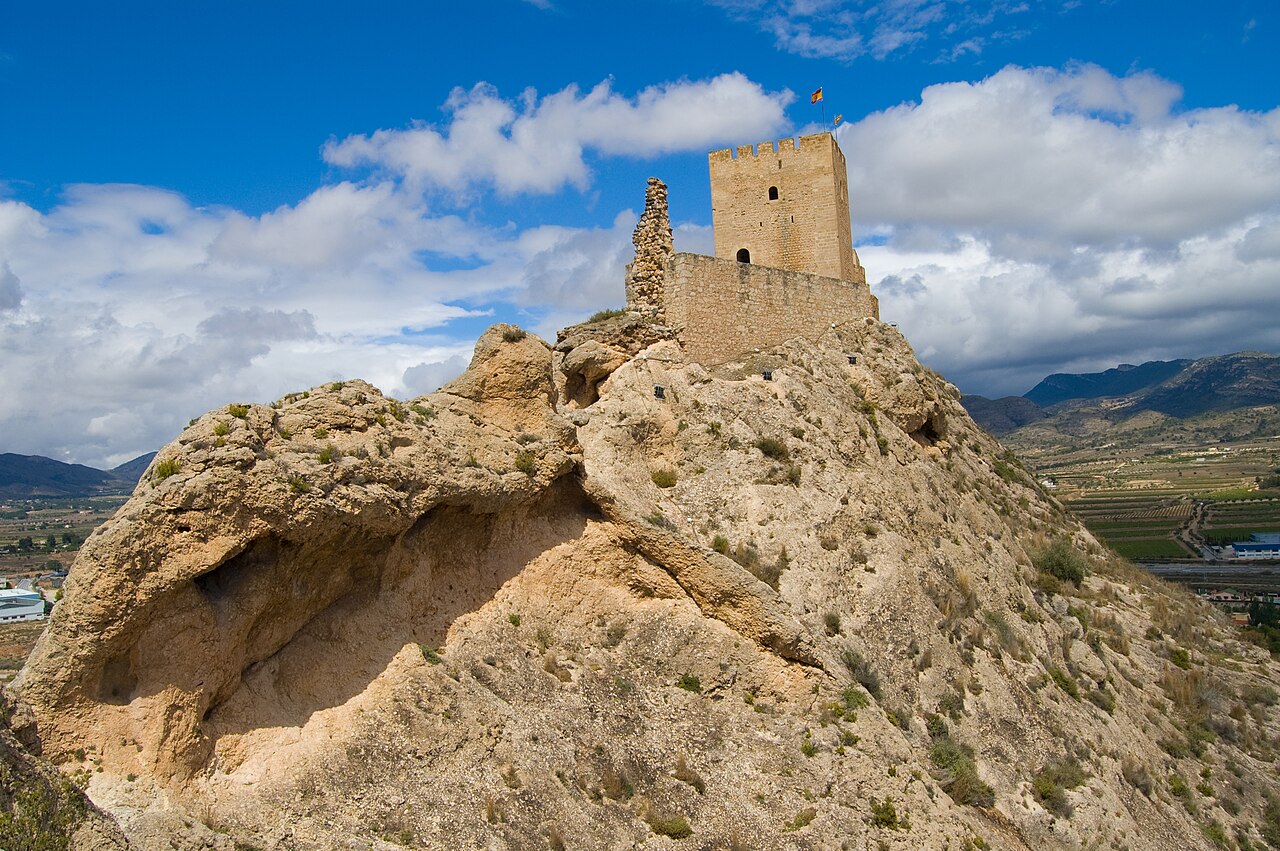
Petrel Castle, located in Petrer, Spain, is a remarkable example of a hill castle with origins tracing back to the 12th century, built during the high medieval period. This fortress was initially constructed by the Arabs and later captured by Christian forces, reflecting the turbulent history of the Iberian Peninsula during the Reconquista. Its strategic location atop a mountain approximately 500 meters above sea level allowed it to dominate the surrounding Vinalopó valley and control a vital passage between the Castilian plateau and the Mediterranean coast.
Historical significance and military role
The castle's origins likely rest on the foundations of an earlier watchtower, a common practice for fortifications in this region. It served as a key military and administrative site throughout the high medieval period. The fortress played a pivotal role during the conflicts between Muslim and Christian forces, notably during the Morisco revolts in 1265, when it was seized by Morisco rebels. The recovery of the castle by King Alfonso X of Castile with aid from Jaime I of Aragón restored Christian control and underscored its importance in regional power struggles.
Architectural features and construction techniques
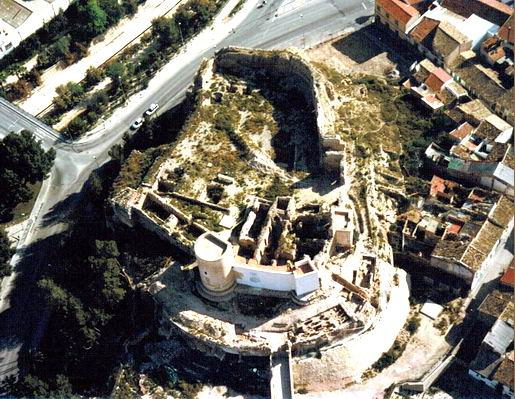
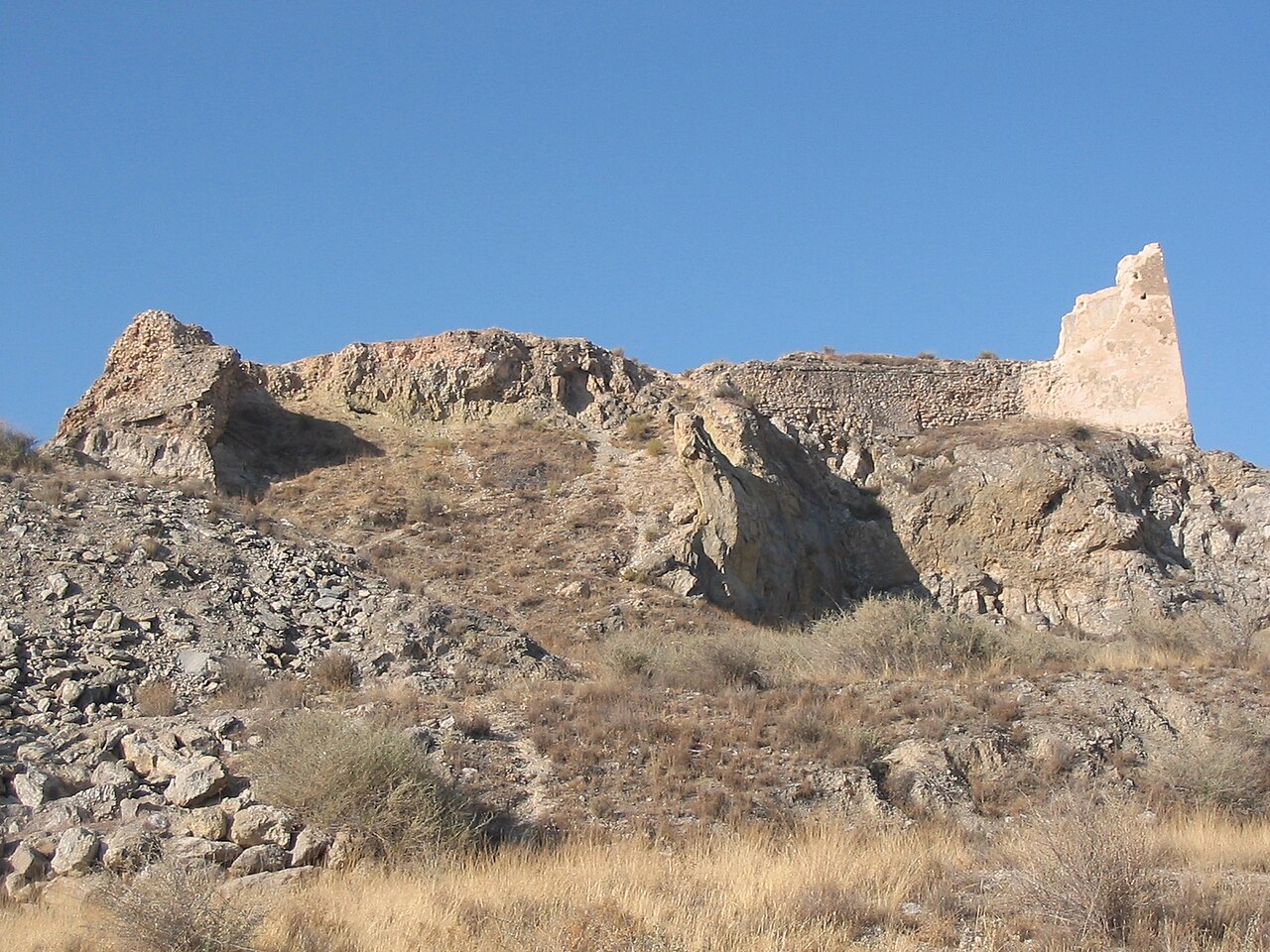
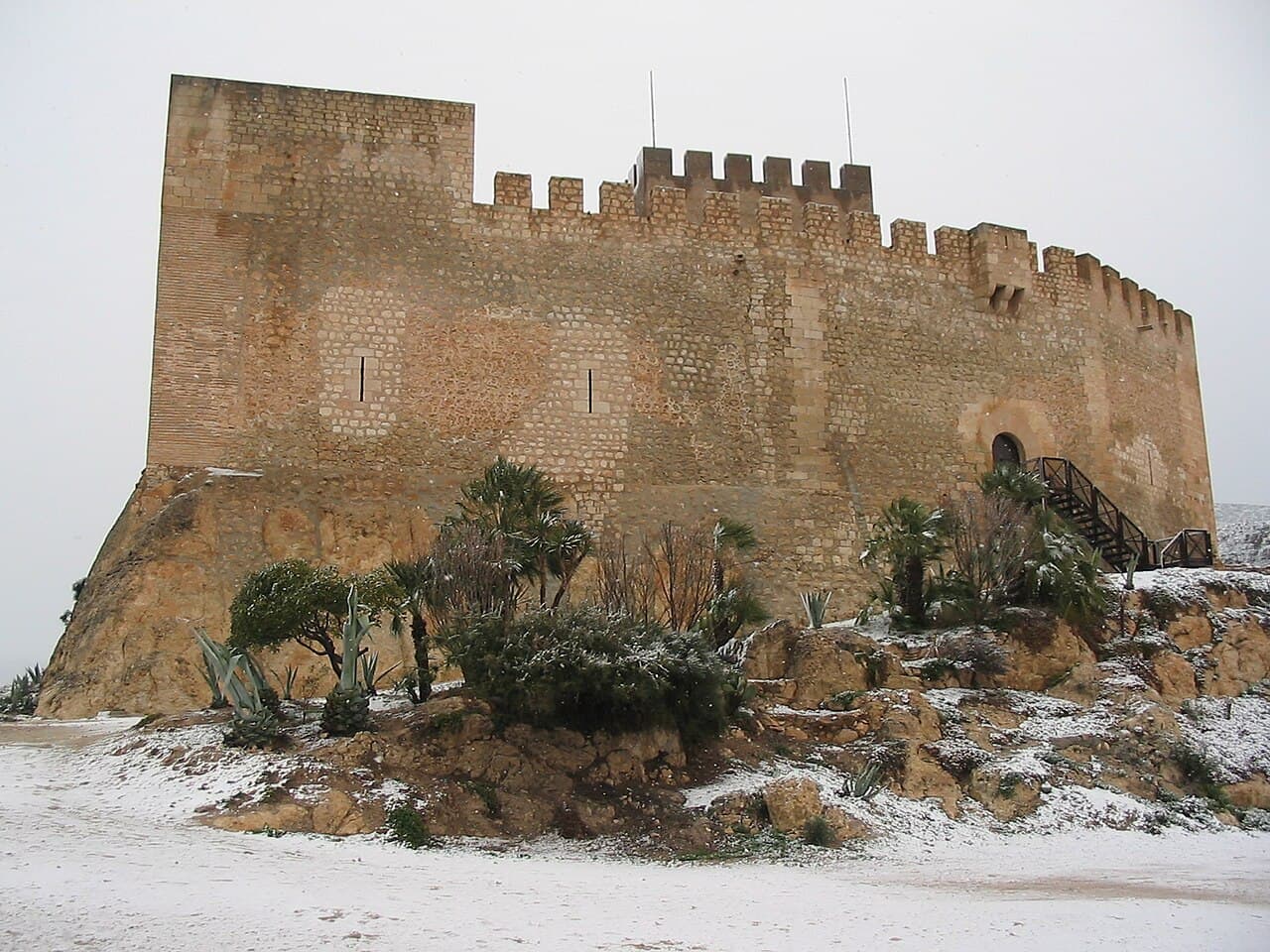
Petrel Castle is constructed on an irregular polygonal plan, adapted to the contours of the hilltop site. The fortress is primarily built from masonry with finely cut ashlar stones reinforcing the corners, a technique that enhanced the structural stability of the walls. The outer defenses include two large sections of rammed earth walls (known locally as tapial), a traditional method involving compacted soil within wooden frameworks. These walls are separated by a central tower and flanked by turrets, providing layered defensive capabilities.
The battlements feature crenellations, allowing defenders to shield themselves while observing or attacking invaders. The castle’s most prominent architectural element is its large square keep, or tower of homage, which rises two floors above ground and includes a basement originally designed as a cistern for water storage during the Islamic period. This basement was later repurposed as a prison, illustrating the adaptive reuse of castle spaces over time.
Interior spaces and cultural uses
Within the castle, a notable vaulted hall survives, historically used for social and administrative functions. Today, this hall hosts exhibitions, musical performances, and civil wedding ceremonies, maintaining the castle’s role as a cultural hub for the community. The preservation of these interior spaces allows visitors to experience the castle’s historical atmosphere alongside its architectural grandeur.
Restoration and preservation efforts
After centuries of varied use and partial deterioration, Petrel Castle underwent significant restoration in 1982, which stabilized and conserved its key architectural features. Further conservation work in 2010 enhanced its condition, ensuring the fortress remains a well-preserved example of medieval military architecture. In recognition of its cultural and historical value, the castle was declared a Bien de Interés Cultural in 1983, a designation that protects it as a monument of national heritage in Spain.
Visitor experience and significance today
Today, visitors to Petrel Castle can explore its imposing walls, towers, and interior halls while enjoying panoramic views of the Vinalopó valley. The castle’s adaptation for cultural events and exhibitions enriches its appeal, offering a dynamic link between its medieval past and contemporary community life. Its combination of Islamic military architecture and later Christian modifications provides a tangible narrative of the region’s complex history.
Overall, Petrel Castle stands as a testament to the strategic, architectural, and cultural developments of medieval Spain, making it a significant landmark for historians, architects, and visitors alike.
Frequently asked questions (FAQ)
- How do I get to Petrel Castle?
- Petrel Castle is located in the town of Petrer, Spain. You can reach it easily by car or public transport, with several bus routes connecting Petrer to nearby cities. There is also parking available near the castle for those driving.
- What is the historical significance of Petrel Castle?
- Petrel Castle, built in the 13th century, is a key example of medieval military architecture in the region. It played a crucial role in the defense against invasions during the Reconquista and has witnessed numerous historical events over the centuries.
- When was Petrel Castle built?
- The construction of Petrel Castle began in the 13th century, specifically around the year 1240. It was built during the period of the Reconquista, showcasing the architectural styles of that era, which blend both Christian and Moorish influences.
- Can I visit Petrel Castle year-round?
- Yes, Petrel Castle is open to visitors throughout the year. However, the best time to visit is during the spring and fall when the weather is mild, making it more enjoyable to explore the castle and its surrounding grounds.
- Why is the architecture of Petrel Castle noteworthy?
- The architecture of Petrel Castle is noteworthy due to its blend of Gothic and Moorish styles, which reflect the cultural influences of its time. The castle features impressive stone walls, towers, and a unique layout that enhances its historical character.
- Is it possible to take guided tours of Petrel Castle?
- Yes, guided tours are available for visitors who wish to learn more about the history and architecture of Petrel Castle. These tours often include access to parts of the castle that are not open to the general public, providing a deeper insight into its significance.
- What are the opening hours for Petrel Castle?
- Petrel Castle is typically open to visitors from 10 AM to 6 PM, with extended hours during the summer months. It's advisable to check in advance for any seasonal variations or special events that might affect these hours.
- What are the ticket prices for Petrel Castle?
- Admission to Petrel Castle is generally affordable, with ticket prices around €3 for adults and reduced rates for students and seniors. Children under a certain age may enter for free, making it a great destination for families.
- Are there any nearby attractions to visit while at Petrel Castle?
- Yes, there are several nearby attractions, including the historic town center of Petrer, which features charming streets and local shops. Additionally, the Castle of Elda is just a short drive away, making it a perfect day trip for history enthusiasts.
Photo gallery

Public domain
Information
Website
Visit websiteSources & official resources
Verify the information above using these authoritative references.
Loading map...
Visitor reviews
No reviews yet. Been here? Write the first review and help other travelers!
Write the first reviewVisited this castle? Share your experience
Your review helps other travelers and adds first-hand knowledge to our encyclopedia.