Elda Castle
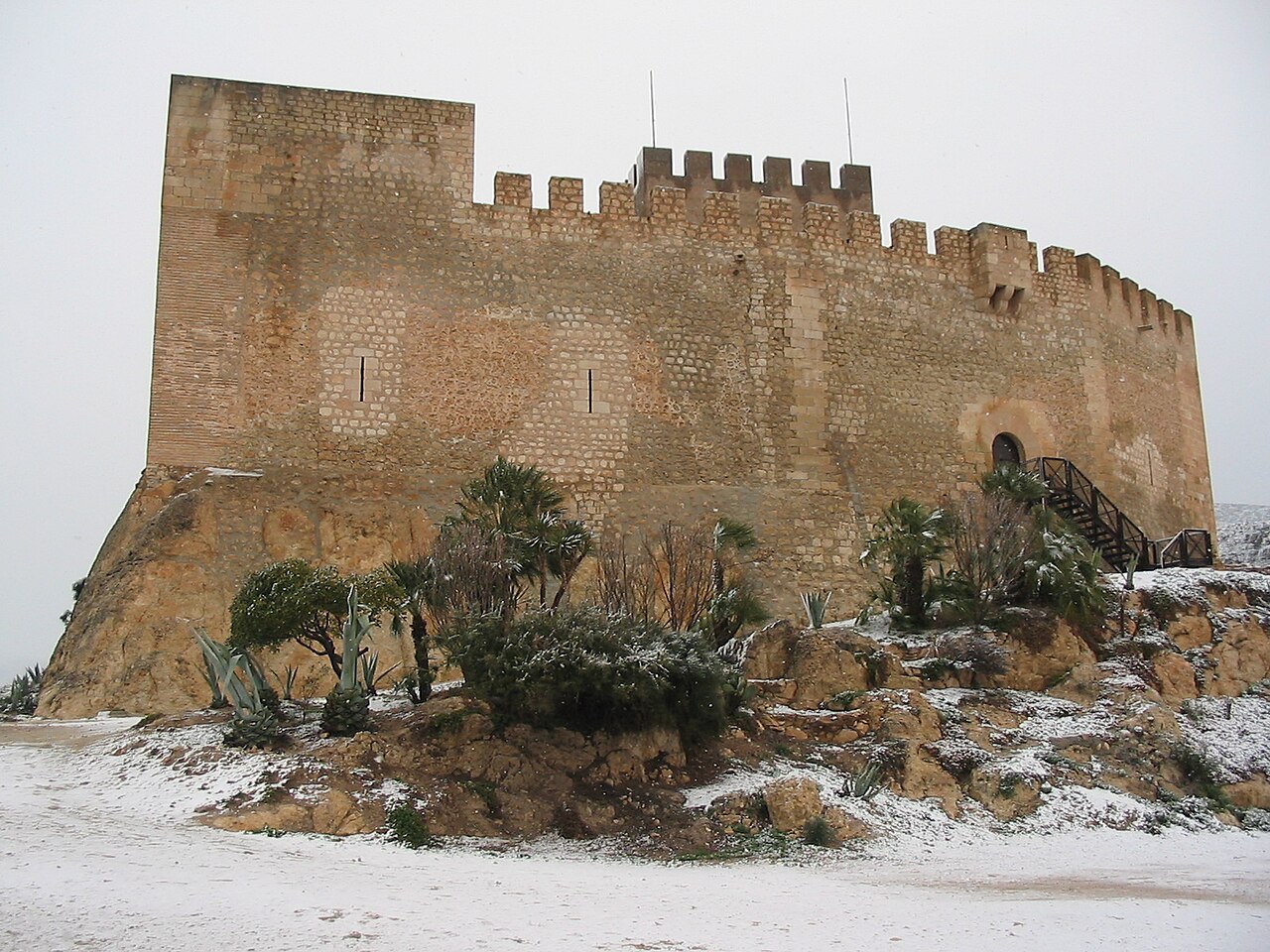
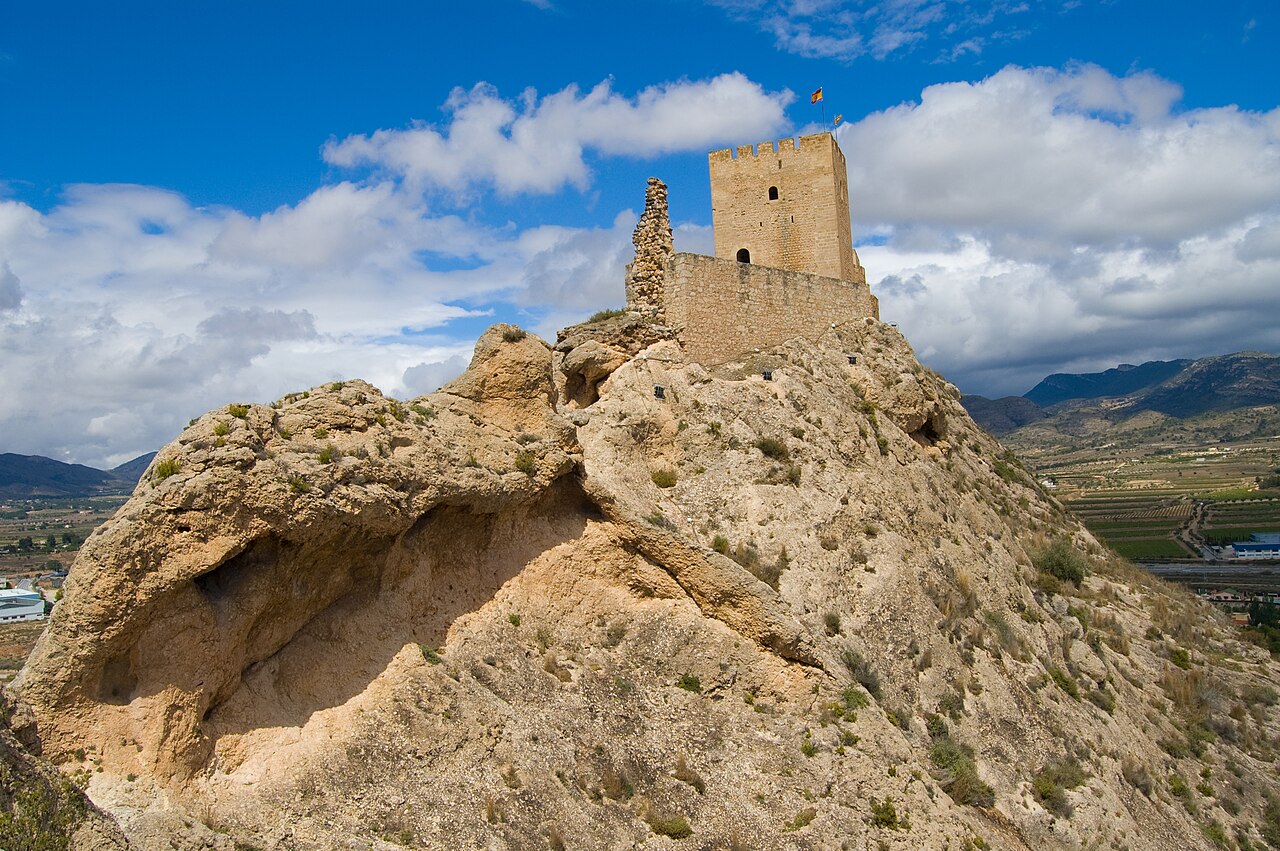
Elda Castle is a historic hill castle located in the town of Elda, in the province of Alicante, Spain. Constructed around 1172 by the Almohads, it originally served as a strategic military fortress during the High Medieval period. The castle’s position atop a hill provided commanding views of the surrounding landscape, a typical feature of hill castles designed for defense and control.
Origins and Almohad construction
The castle was built during the Almohad dynasty’s rule in the Iberian Peninsula, a period marked by significant military and architectural activity. The initial construction focused on robust defensive features, including thick stone walls and a fortified perimeter to withstand sieges. The castle’s layout was typical of Islamic military architecture of the time, emphasizing functionality and defense.
Expansion after the Christian Reconquista
Following the Christian Reconquista in the 13th century, Elda Castle underwent substantial enlargement and modification. The castle was adapted to suit the needs of its new Christian rulers, who enhanced its fortifications and added new structures. These changes reflected the evolving military technologies and architectural styles of the late medieval period, including the addition of towers and improved battlements to better defend against artillery and infantry assaults.
13th and 14th century modifications
During the 13th and 14th centuries, the castle’s walls were reinforced and extended, and additional defensive elements such as crenellations and arrow slits were incorporated. These adaptations were crucial for maintaining the castle’s strategic importance in the region, as it served as a military stronghold controlling key routes and protecting the surrounding territories.
Transformation into a residential castle by the Coloma family
In the 16th and 17th centuries, the castle transitioned from a purely military fortress to a more residential role under the ownership of the Coloma family. This period saw the introduction of architectural elements aimed at comfort and status rather than solely defense. Modifications included the addition of living quarters, larger windows, and decorative features typical of the Renaissance and early Baroque periods. Despite these changes, the castle retained much of its medieval character.
Decline and current condition
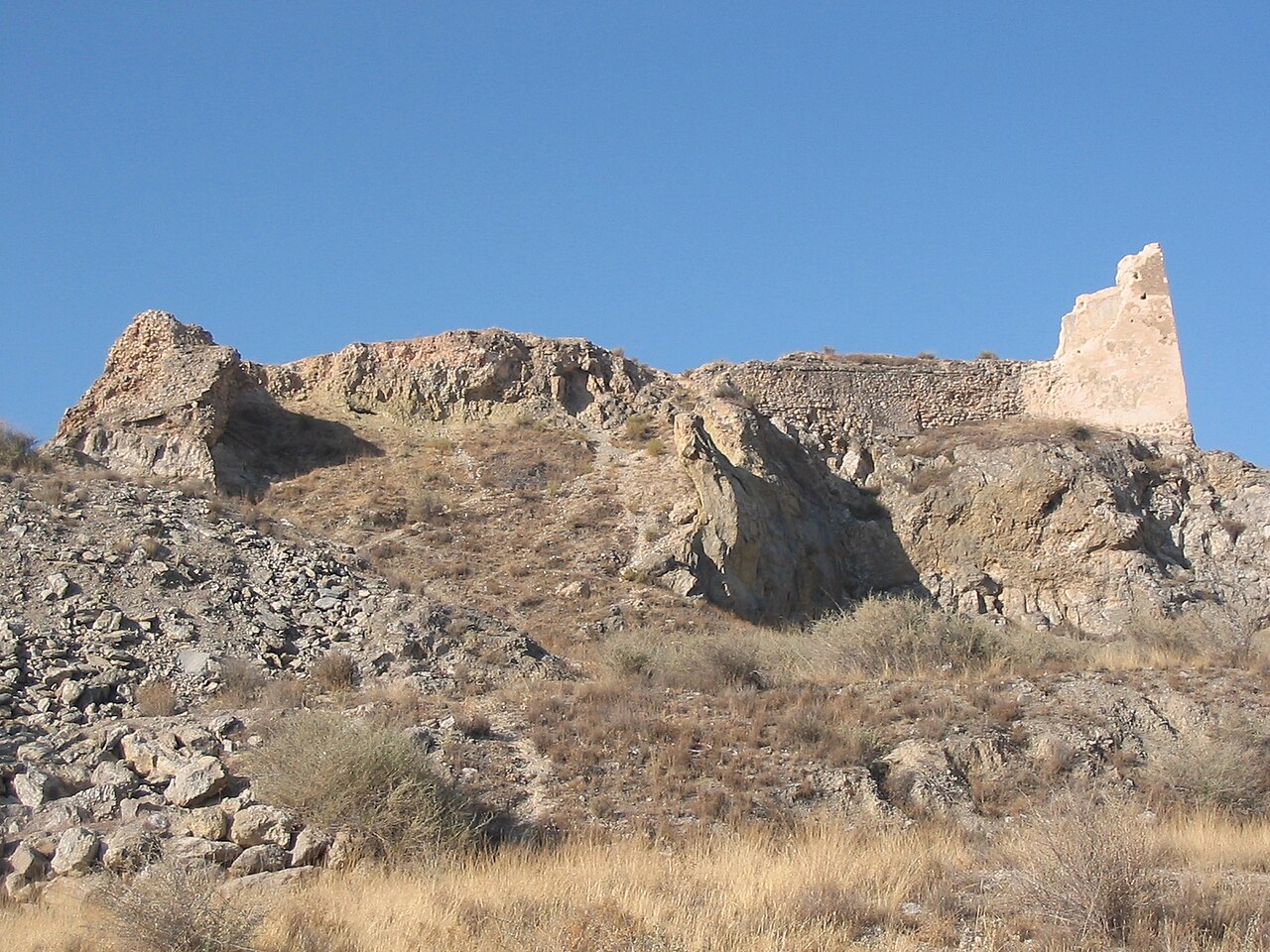
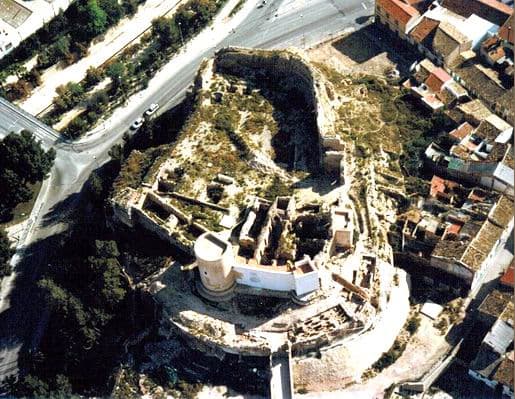
After the 17th century, Elda Castle gradually fell into disuse and was abandoned. Over the centuries, it suffered from neglect and the ravages of time, leading to its current state as ruins. Today, the remains of the castle stand as a testament to its layered history, offering insight into the military and residential architecture of different historical periods.
Architectural remains and features
Visitors to the site can observe the surviving sections of the castle’s walls, portions of towers, and remnants of residential buildings. The layout still reveals the castle’s original defensive purpose, with thick stone walls and elevated position. The ruins also reflect the various phases of construction and adaptation, from Almohad military design to Renaissance residential modifications.
Historical significance and cultural heritage
Elda Castle is an important cultural landmark in the Alicante region, symbolizing the complex history of conquest, defense, and aristocratic residence in medieval and early modern Spain. Its ruins attract historians, archaeologists, and visitors interested in the evolution of castle architecture and the historical narratives of the Iberian Peninsula.
Access and tourism
The castle is accessible to the public, though facilities are limited due to its ruined state. It provides panoramic views of the surrounding landscape and the town of Elda, making it a popular spot for hiking and historical tourism. Preservation efforts focus on stabilizing the ruins and promoting awareness of the site’s heritage value.
Frequently asked questions (FAQ)
- When was Elda Castle originally built?
- Elda Castle was originally built around 1172 by the Almohads during the High Medieval period.
- What architectural styles are visible in Elda Castle?
- The castle features a mix of Almohad military architecture from its original construction and later Christian medieval and Renaissance modifications.
- Is Elda Castle open to visitors?
- Yes, Elda Castle is accessible to the public as a historic ruin, offering panoramic views and a glimpse into its layered history.
- What led to the castle's decline?
- After the 17th century, Elda Castle was gradually abandoned and left to decay, resulting in its current ruined condition.
- What is the significance of the Coloma family in the castle's history?
- The Coloma family transformed the castle into a residential estate during the 16th and 17th centuries, adding Renaissance and early Baroque features.
Photo gallery

Photo by user:JMPerez•Attribution
Information
Loading map...
Visitor reviews
No reviews yet. Been here? Write the first review and help other travelers!
Write the first reviewVisited this castle? Share your experience
Your review helps other travelers and adds first-hand knowledge to our encyclopedia.