Petersberg Citadel
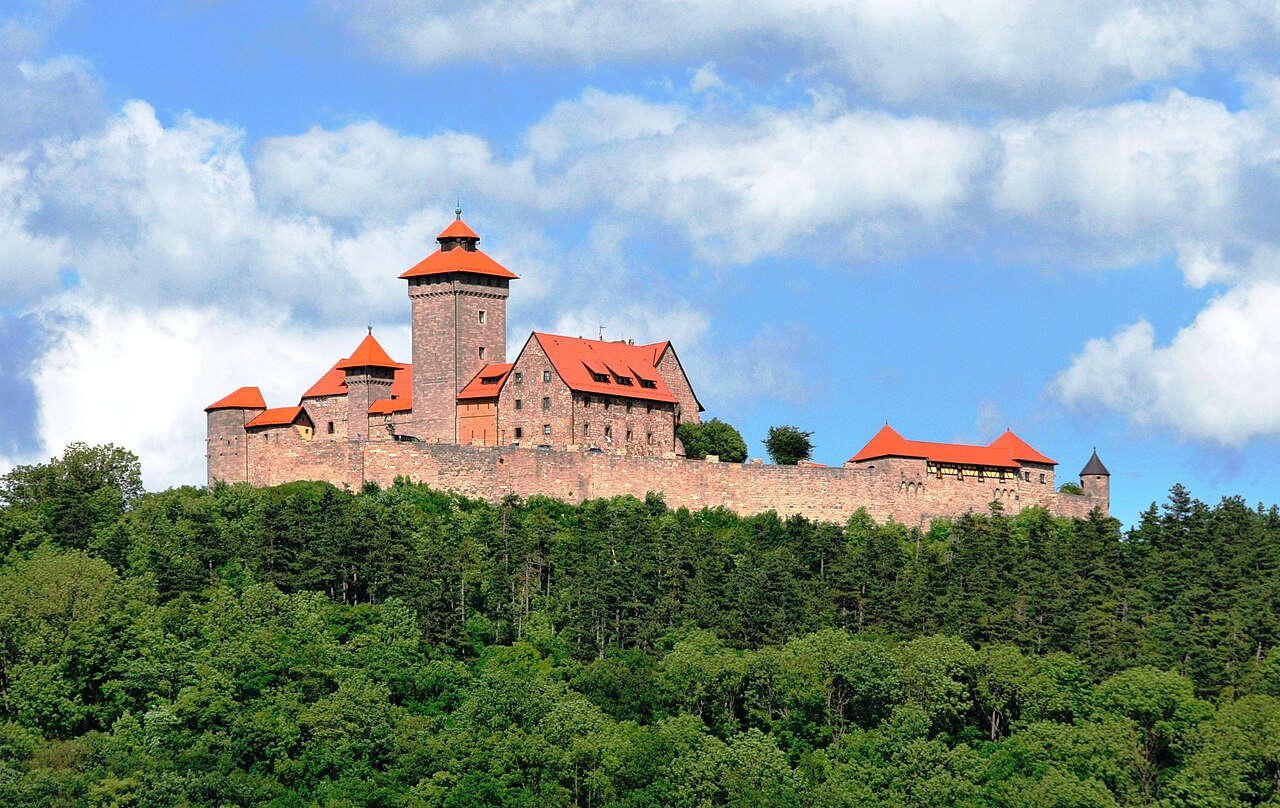
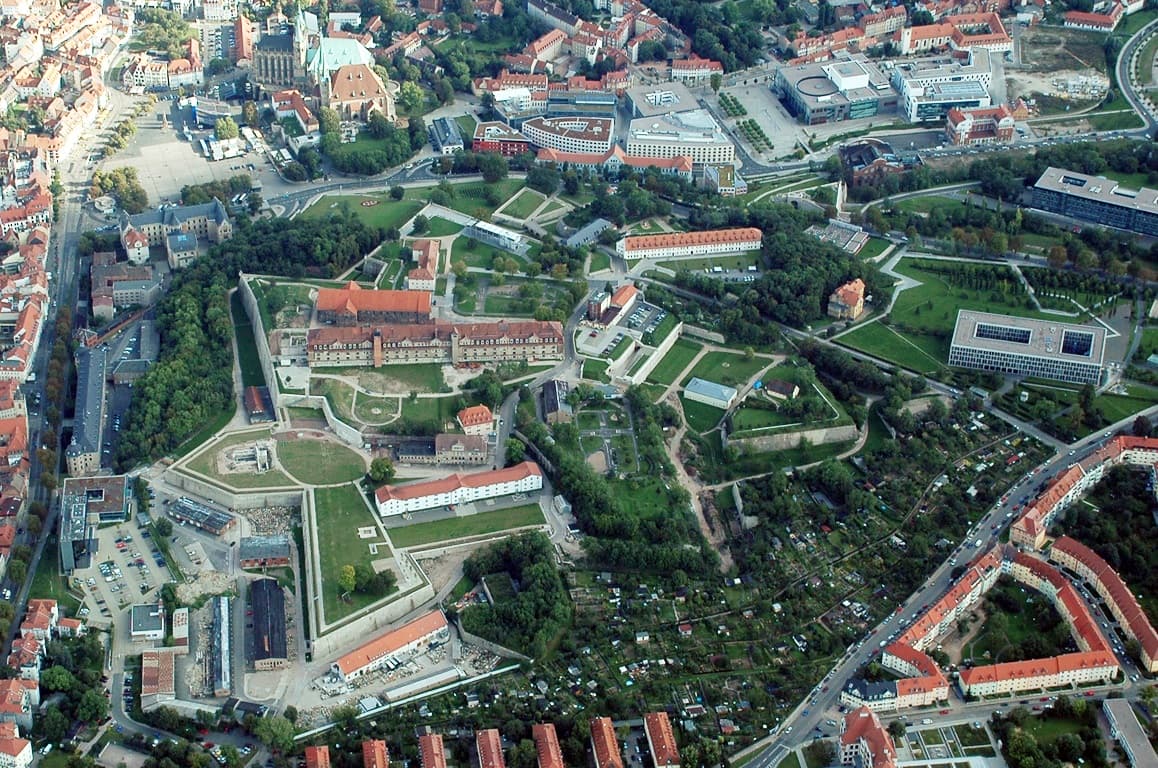
Petersberg Citadel (German: Zitadelle Petersberg) is a prominent 17th-century bastioned fortress located on the Petersberg hill in Erfurt, central Germany. It stands as one of the largest and best-preserved town fortresses in Europe, covering an area of approximately 36 hectares and enclosed by over two kilometres of stone walls. This extensive fortification reflects the military architectural advancements of the Renaissance period and the Baroque era, combining strategic design with imposing scale to defend the city and control the surrounding region.
Historical background and strategic importance
The construction of Petersberg Citadel began in 1665 under the governance of the Electorate of Mainz, a significant ecclesiastical principality within the Holy Roman Empire. The site was originally occupied by a medieval Benedictine monastery dating back to the 12th century, remnants of which influenced the early phases of the fortress's development. The citadel's location on a hill provided a commanding vantage point over Erfurt and the surrounding landscape, making it a critical military asset through multiple regimes.
Over the centuries, Erfurt and the citadel came under the control of various powers including Sweden, Prussia, Napoleonic France, the German Empire, Nazi Germany, and the Soviet Union during the post-World War II occupation. Each of these regimes contributed to the fortress’s evolution, adapting its defenses to contemporary military needs and technologies.
Architectural features and fortification design
The Petersberg Citadel is a prime example of a bastioned fortress, a style that emerged in the Renaissance and was widely adopted in the Baroque period to counter advances in artillery. Its design includes angular bastions projecting outward from the curtain walls, enabling defenders to cover adjacent walls with overlapping fields of fire, minimizing blind spots. The fortress’s extensive stone walls and deep moats enhanced its defensive capabilities.
The fortress complex contains numerous military buildings such as barracks, powder magazines, and storage facilities. The former lower barracks (Untere Kaserne) now serve a civilian function as the archive for the Stasi Records Agency, illustrating the adaptive reuse of historic military architecture.
One of the citadel’s notable features is its network of underground passageways, which provided protected movement for troops and supplies during sieges. These tunnels are accessible to visitors today and offer insight into the fortress’s operational logistics. The fortress bakery, built in 1832, has been restored to working order, demonstrating the daily life aspects of the garrison.
Napoleonic era and later military use
During the Napoleonic occupation from 1806 to 1814, the citadel was known by its French name, Citadelle Petersberg. Napoleon Bonaparte visited Erfurt multiple times, and the fortress underwent further development to strengthen its defenses. Despite these efforts, parts of the citadel sustained damage during the 1813 Battle of Erfurt, reflecting the turbulent military conflicts of the Napoleonic Wars.
Following the Napoleonic period, the fortress remained in military use through the Prussian era, the German Empire, the Nazi regime, and the Soviet occupation after World War II. It was actively used for military purposes until 1963, marking nearly three centuries of continuous strategic importance.
Restoration and public access since reunification
Since the German reunification in 1990, Petersberg Citadel has undergone extensive restoration to preserve its historical and architectural integrity. The site is now open to the public as a historic monument and cultural venue. Visitors can explore the fortress’s vast courtyards, ramparts, and underground tunnels, gaining a comprehensive understanding of its military architecture and history.
The citadel also hosts various cultural events and exhibitions, integrating its heritage into contemporary community life. Its preservation contributes to Erfurt’s rich historical landscape and serves as a tangible link to the city’s multifaceted past.
Relationship with cyriaksburg citadel
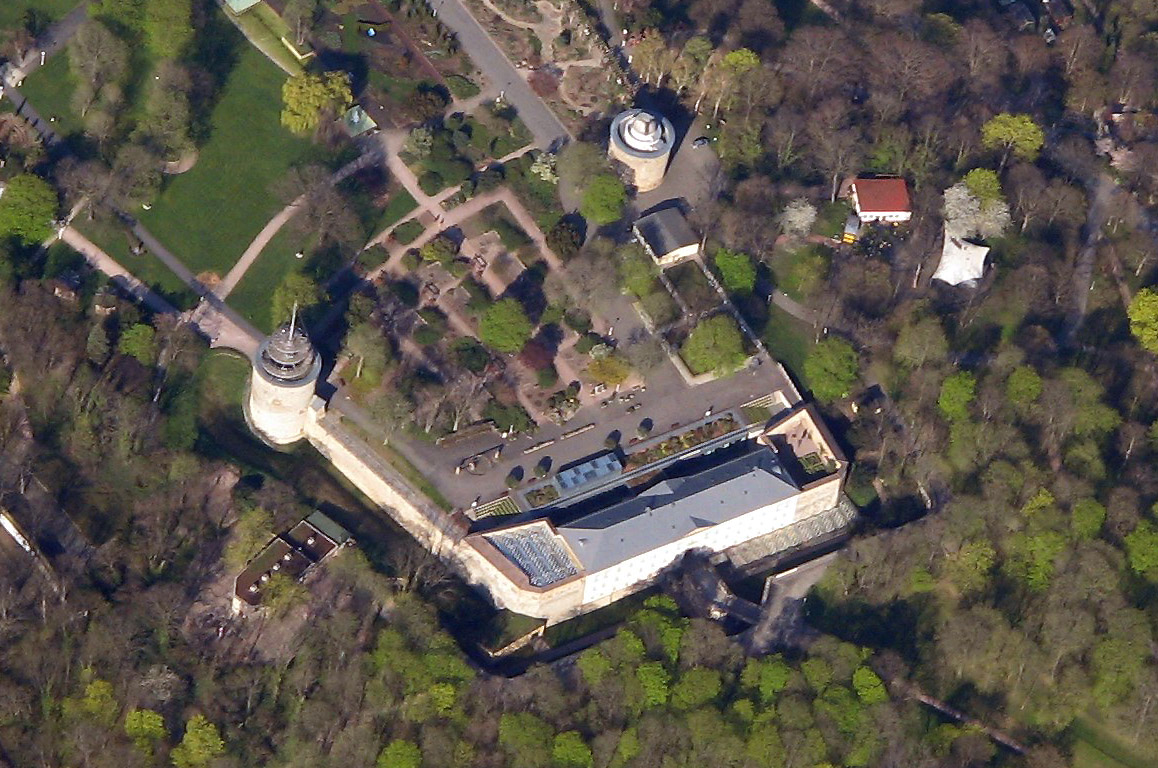
In addition to Petersberg Citadel, Erfurt is home to the smaller Cyriaksburg Citadel located to the south-west of the city center. Dating from 1480, this fortress now houses the German Horticulture Museum. During the Napoleonic period, a hidden trench was constructed to connect the two citadels, providing a secret defensive link. Remnants of this trench remain visible at Cyriaksburg Citadel, illustrating the strategic integration of Erfurt’s fortifications.
Frequently asked questions (FAQ)
- When was Petersberg Citadel built and by whom?
- Petersberg Citadel was constructed beginning in 1665 under the Electorate of Mainz, on the site of a 12th-century Benedictine monastery.
- What architectural style characterizes Petersberg Citadel?
- The citadel is a bastioned fortress reflecting Renaissance and Baroque military architectural styles, designed to resist artillery attacks.
- Can visitors explore the underground passages?
- Yes, the extensive maze of underground tunnels is open to visitors, offering insight into the fortress's defensive operations.
- What role did Napoleon play in the history of the citadel?
- Napoleon occupied Erfurt from 1806 to 1814, visited the citadel multiple times, and oversaw its further development during the Napoleonic Wars.
- Is Petersberg Citadel still used for military purposes?
- No, the fortress was in military use until 1963 and has been preserved as a historic site open to the public since German reunification.
- How can I visit Petersberg Citadel?
- The citadel is open to the public year-round with guided tours available; check local tourism websites for current opening hours and ticket prices.
Photo gallery

Information
Loading map...
Visitor reviews
No reviews yet. Been here? Write the first review and help other travelers!
Write the first reviewVisited this castle? Share your experience
Your review helps other travelers and adds first-hand knowledge to our encyclopedia.