The Perpétuo Defensive Fort is a notable example of 18th-century military architecture located in Brazil. As a bastioned fortress, it was constructed during the post-Renaissance period to serve as a strategic defense installation. This type of fortification was designed to withstand artillery attacks and provide overlapping fields of fire, characteristic of the bastion system that became widespread in the early modern era.
Historical context and strategic importance
During the 18th century, Brazil was a key territory within the Portuguese Empire, requiring robust fortifications to protect its coastal and inland regions from foreign invasions and internal conflicts. The Perpétuo Defensive Fort was part of a network of fortresses aimed at securing vital trade routes and settlements. Its construction reflects the military engineering principles of the time, which emphasized angled bastions and thick walls to deflect cannon fire.
Architectural features and design
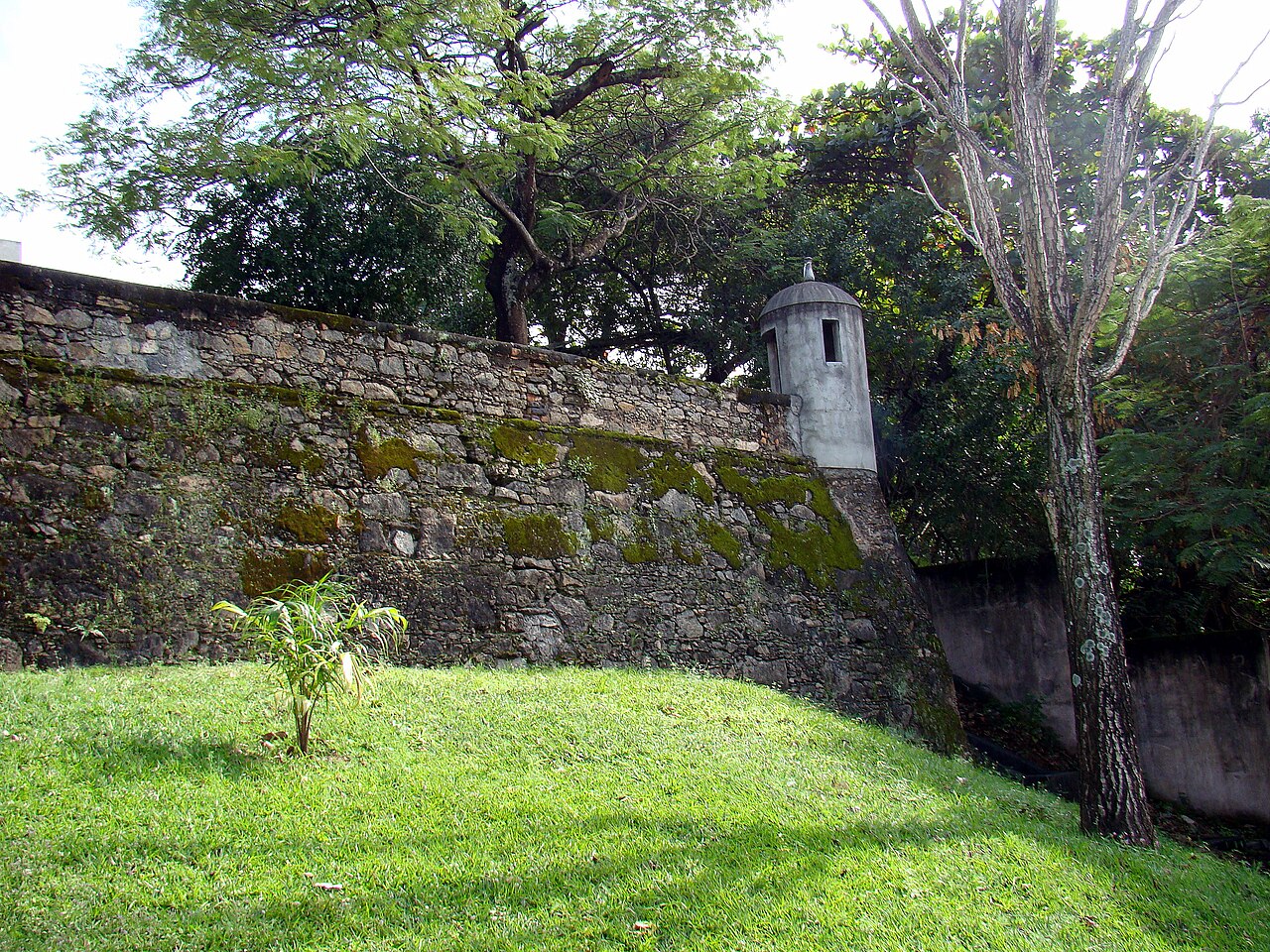
The fort exemplifies the bastioned fortress typology, characterized by its star-shaped layout with bastions projecting outward from the curtain walls. This design allowed defenders to cover adjacent walls with crossfire, eliminating blind spots. The walls were typically constructed with stone and earthworks to absorb and resist artillery impacts.
Key architectural elements include:
- Bastions: Angular projections at the corners of the fortress, enabling enfilading fire along the walls.
- Curtain walls: Thick defensive walls connecting the bastions, built to withstand prolonged siege artillery.
- Moats and ditches: Defensive trenches surrounding the fort to hinder enemy approach.
- Casemates and artillery platforms: Protected gun emplacements designed for mounting cannons.
- Gates and drawbridges: Controlled access points fortified against assault.
Construction techniques and materials
The fort was built using locally sourced stone and lime mortar, common in colonial Brazilian fortifications. Earthworks supplemented stone walls to enhance resilience against cannon fire. The construction methods reflect the adaptation of European military engineering to the Brazilian environment and available materials.
Preservation and current status
The Perpétuo Defensive Fort remains a significant historical monument, though its condition varies depending on conservation efforts. As a post-Renaissance bastioned fortress, it provides valuable insights into the military strategies and architectural innovations of the 18th century. Preservation initiatives aim to maintain its structural integrity and promote its cultural heritage value.
Visiting information and cultural significance
Visitors to the fort can explore its imposing bastions, walls, and defensive structures, gaining an understanding of colonial military architecture. The site often serves as a cultural landmark, illustrating Brazil's colonial past and the evolution of fortification design. Educational programs and guided tours help contextualize the fort's role within the broader history of the region.
Frequently asked questions (FAQ)
- How do I get to Perpétuo Defensive Fort?
- Perpétuo Defensive Fort is located in Brazil and is accessible via major highways. Visitors can reach the fort by car or public transport, with various local bus services operating in the area. It is advisable to check local transport schedules for the most convenient routes.
- What is the historical significance of Perpétuo Defensive Fort?
- Perpétuo Defensive Fort was built in the 17th century to protect the coastline from invasions. It played a crucial role in Brazil's colonial defense strategy and is a testament to the military architecture of the time. Today, it stands as a symbol of Brazil's rich history and heritage.
- When was Perpétuo Defensive Fort built?
- The construction of Perpétuo Defensive Fort began in 1663 and was completed in the late 17th century. It was strategically positioned to guard against maritime threats during the colonial period. This historical context adds to its allure as a tourist destination.
- Can I visit Perpétuo Defensive Fort year-round?
- Yes, Perpétuo Defensive Fort is open to visitors throughout the year. However, it is recommended to check for any special events or maintenance closures that may affect visiting hours before planning your trip. Enjoying the fort during the off-peak season can provide a more tranquil experience.
- Why is the architecture of Perpétuo Defensive Fort noteworthy?
- The architecture of Perpétuo Defensive Fort showcases a blend of military and colonial styles, typical of 17th-century fortifications. Its robust walls and strategic layout reflect the defensive needs of the era, making it an interesting study for architecture enthusiasts. The fort's design has remained largely intact, allowing visitors to appreciate its historical context.
- Is it possible to take guided tours of Perpétuo Defensive Fort?
- Yes, guided tours are available at Perpétuo Defensive Fort, enhancing your visit with in-depth historical insights. Knowledgeable guides share fascinating stories and details about the fort's significance and architecture. Check the fort's official website for tour schedules and availability.
- What are the ticket prices for visiting Perpétuo Defensive Fort?
- Ticket prices for Perpétuo Defensive Fort are generally affordable, with discounts often available for students and seniors. Children under a certain age may enter for free. It is best to check the official website for the most current pricing and any special promotions.
- What are the opening hours of Perpétuo Defensive Fort?
- Perpétuo Defensive Fort typically opens daily from 9 AM to 5 PM, but hours may vary on holidays or for special events. It's advisable to confirm the current opening hours before your visit to avoid any inconvenience. Early visits can help you enjoy the fort with fewer crowds.
- What nearby attractions should I consider visiting?
- In addition to Perpétuo Defensive Fort, visitors can explore beautiful nearby beaches and local museums that highlight Brazil's history. The area is rich in culture, offering various activities such as hiking and local cuisine tasting. Planning a full day can enhance your experience of the region.
Photo gallery

Information
Loading map...
Visitor reviews
No reviews yet. Been here? Write the first review and help other travelers!
Write the first reviewVisited this castle? Share your experience
Your review helps other travelers and adds first-hand knowledge to our encyclopedia.