Forte do Pontal da Cruz
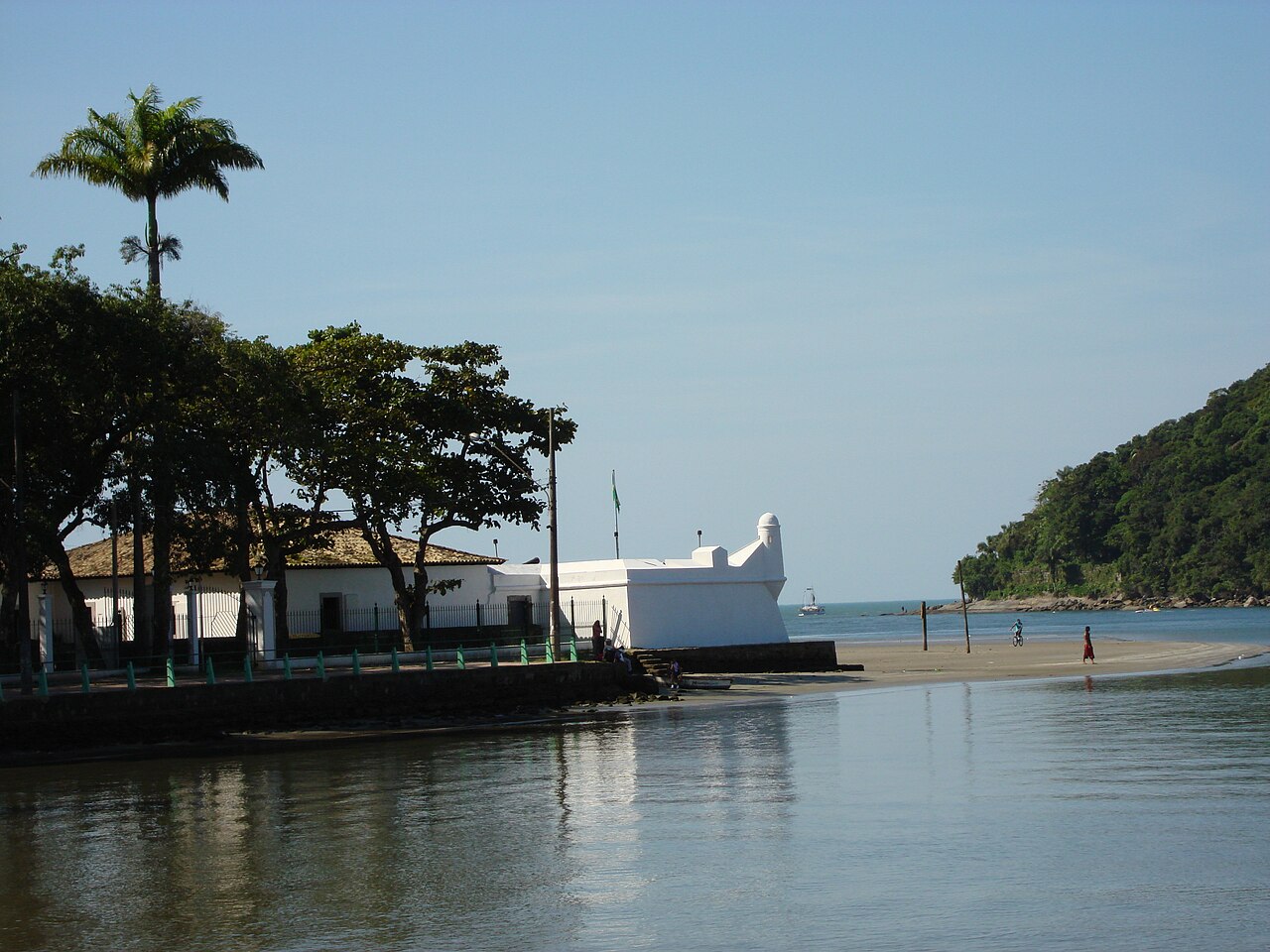
Forte do Pontal da Cruz is a historic bastioned fortress located along the Brazilian coastline, constructed primarily for coastal defense. Its strategic position allowed it to guard important maritime approaches and protect the surrounding region from naval threats during its active period. The fortress exemplifies the military architectural principles of bastioned fortifications, which were designed to provide overlapping fields of fire and resist artillery attacks effectively.
Architectural design and fortifications
The fortress features a typical bastioned layout, characterized by angular bastions projecting from the curtain walls. These bastions allowed defenders to cover adjacent walls with cannon and musket fire, eliminating blind spots and enhancing the fort's defensive capabilities. The walls were constructed using robust masonry techniques suitable for withstanding bombardment, incorporating thick stonework and earthworks to absorb artillery impacts.
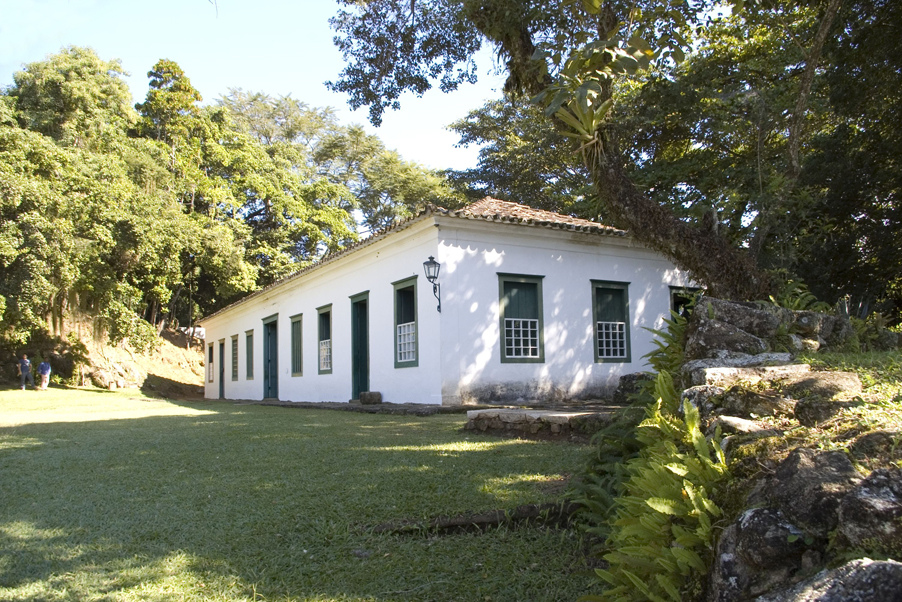
The design reflects the influence of European military engineering, particularly the principles developed during the Renaissance and early modern periods when bastioned fortresses became widespread. The fortress likely includes features such as a moat or ditch, ramparts, and a glacis to provide additional layers of defense against attackers. Internal structures would have included barracks, storage rooms for munitions, and command facilities.
Historical context and significance
While specific construction dates and architects of Forte do Pontal da Cruz are not well-documented, bastioned fortresses in Brazil were commonly built between the 16th and 18th centuries during the colonial period. These fortifications were essential for protecting Portuguese colonial interests against rival European powers and pirates. The fortress would have played a role in regional defense networks, guarding key harbors or river mouths.
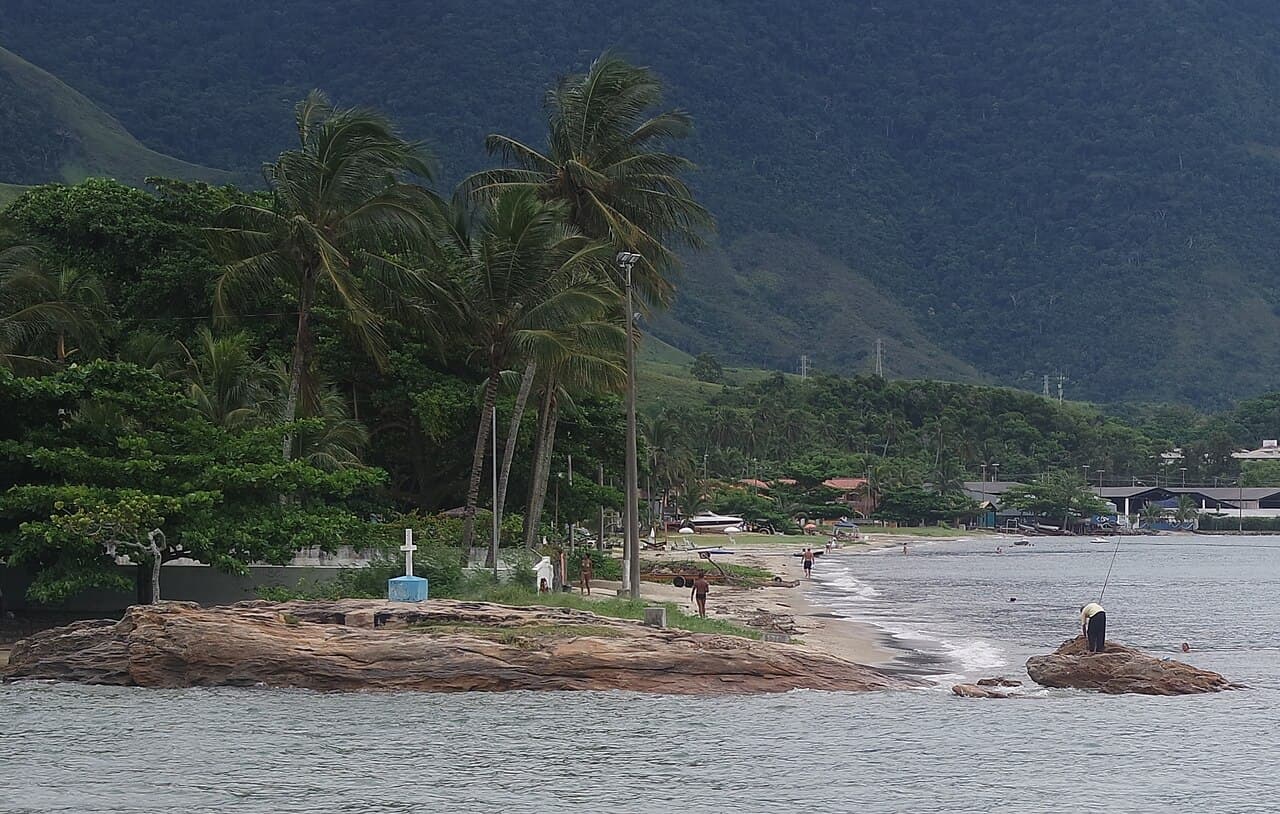
The location of the fortress along the coast underscores its role in maritime security, controlling access to important waterways and settlements. Its presence reflects the broader geopolitical struggles in South America during the colonial era, including conflicts between Portugal, Spain, and other European nations.
Current condition and preservation
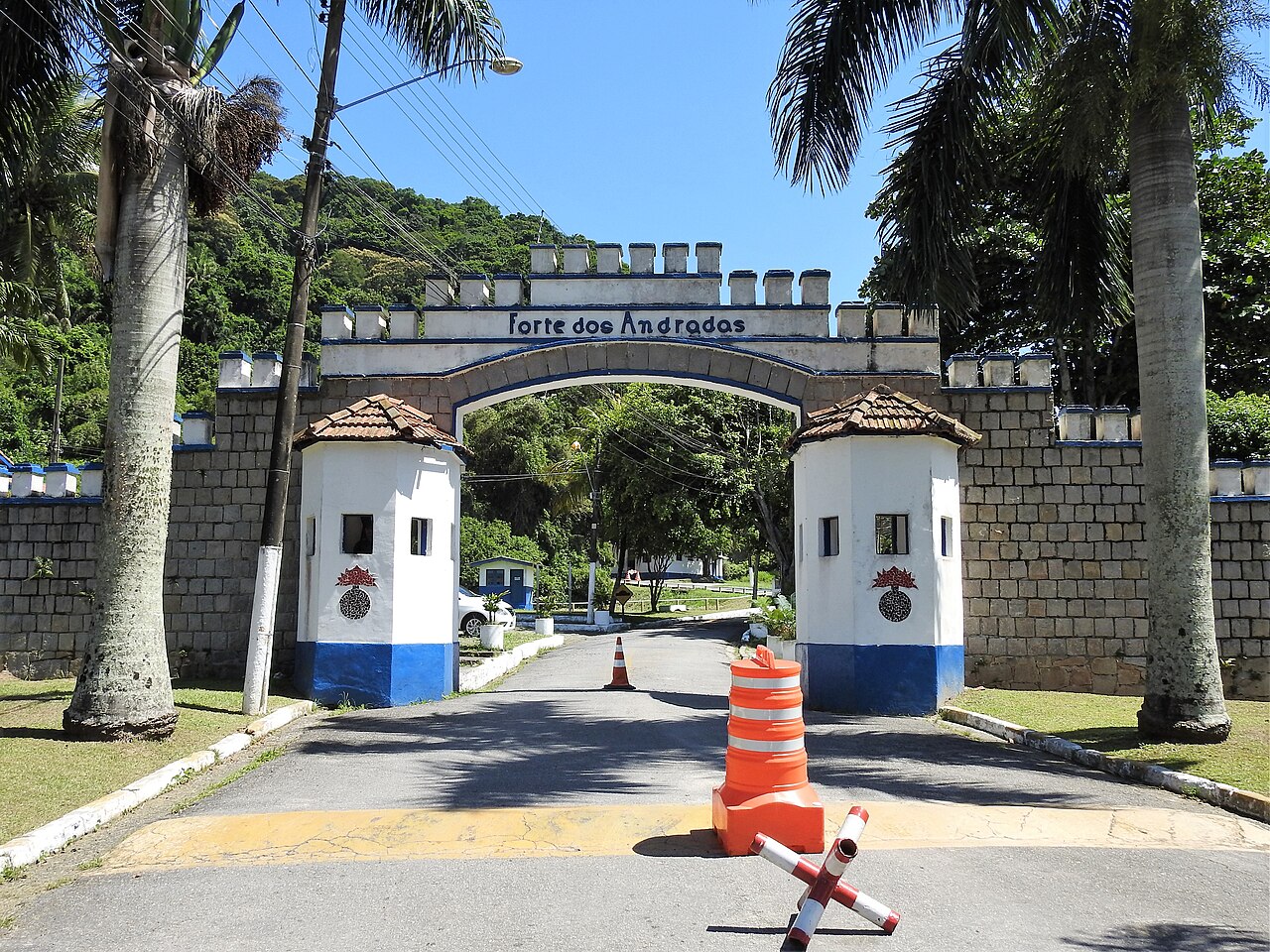
The current physical condition of Forte do Pontal da Cruz is generally described as partially preserved. Some sections of the walls and bastions remain intact, providing valuable insights into the fortress's original layout and construction methods. Preservation efforts may have been undertaken to stabilize the ruins and prevent further deterioration, though the site is not fully restored.
The fortress remains an important cultural heritage site, attracting visitors interested in military history and colonial architecture. Its ruins serve as a tangible connection to Brazil's colonial past and the defensive strategies employed during that period.
Visiting information and accessibility
Visitors to Forte do Pontal da Cruz can explore the remaining structures and appreciate the fortress's strategic coastal setting. While detailed visitor facilities and opening hours may vary, the site offers an opportunity to learn about bastioned fortifications and colonial military architecture in Brazil. Access to the fortress may be subject to local regulations, and visitors are encouraged to respect preservation guidelines.
Architectural and historical legacy
Forte do Pontal da Cruz stands as a representative example of the bastioned fortresses that shaped colonial defense systems in Brazil. Its architectural features demonstrate the adaptation of European military engineering principles to the South American context. The fortress contributes to understanding the historical dynamics of colonial power, maritime defense, and the evolution of fortification design in the region.
Frequently asked questions (FAQ)
- What is the historical significance of Forte do Pontal da Cruz?
- Forte do Pontal da Cruz played a key role in coastal defense during Brazil's colonial period, protecting maritime routes and settlements from naval threats.
- Can I visit Forte do Pontal da Cruz?
- Yes, visitors can explore the partially preserved ruins of Forte do Pontal da Cruz, though facilities and access details may vary locally.
- What architectural features define Forte do Pontal da Cruz?
- The fortress is characterized by its bastioned layout with angled bastions, thick masonry walls, and defensive earthworks typical of colonial-era fortifications.
- When was Forte do Pontal da Cruz built?
- While the exact construction date is unclear, it likely dates from the 16th to 18th centuries during the colonial era of Brazil.
- Why were bastioned fortresses like Forte do Pontal da Cruz important?
- Bastioned fortresses provided enhanced defense against artillery and allowed overlapping fields of fire, crucial for protecting strategic coastal locations.
Photo gallery

Information
Loading map...
Visitor reviews
No reviews yet. Been here? Write the first review and help other travelers!
Write the first reviewVisited this castle? Share your experience
Your review helps other travelers and adds first-hand knowledge to our encyclopedia.