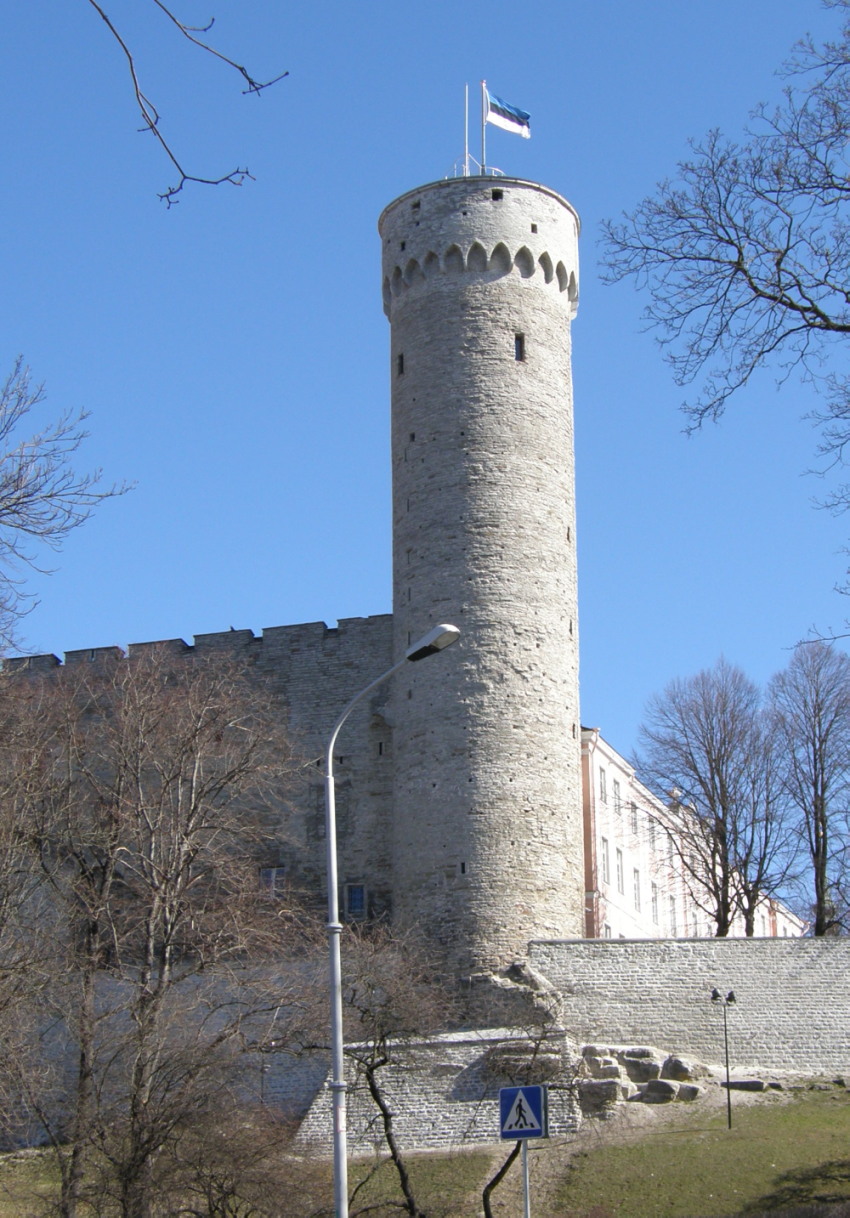
Paldiski Fortress
Paldiski Fortress stands on the northern coast of Estonia, guarding the deep and sheltered Paldiski Bay on the Baltic Sea. Its origins trace back to the early 17th century when Swedish conquerors established a sea fortress called Rågövik ("Rye Island Bay") to control this strategically important maritime location. The fortress was part of Sweden's efforts to secure naval dominance in the Baltic region during the post-medieval period.
In the early 18th century, following the Great Northern War, the fortress and surrounding area came under Russian control. Peter the Great envisioned Paldiski as a major military port to support the expanding Russian navy. Beginning in 1716, construction commenced on an ambitious naval base, including a massive mole intended to shelter the entire Russian fleet. The project relied heavily on thousands of convicts for labor, reflecting the scale and urgency of the undertaking. However, the mole, planned to stretch nearly two kilometers, was never fully completed. The portion that was built suffered significant damage from autumn storms, limiting the fortress's effectiveness as a naval harbor.
Historical development and military significance
By 1762, under the reign of Catherine II, the fortress was renamed from Rogerwiek to Baltiyskiy Port (Baltic Port), a name reflecting its strategic role in Russia's naval ambitions. The Estonian adaptation of the name, Paldiski, was officially adopted in 1933. Throughout the 18th and 19th centuries, Paldiski remained an important military installation, although its prominence fluctuated with the changing tides of Baltic geopolitics.
Role in the Soviet era
During the Cold War, Paldiski's strategic importance was renewed when it became a center for the Soviet Navy's nuclear submarine training. From 1962, the site housed two land-based nuclear reactors used for submarine crew training, making it the largest such facility in the Soviet Union. The presence of nuclear technology and the scale of operations meant that the city and fortress were heavily restricted, surrounded by barbed wire and guarded security zones. At its peak, Paldiski employed around 16,000 personnel involved in naval and nuclear operations.
The closure of the Soviet military presence began after Estonia regained independence. The last Russian warship departed in August 1994, and Russia formally handed over control of the nuclear reactor facilities in September 1995. Since then, Paldiski has been transitioning from a closed military site to a civilian town, with ongoing efforts to manage and remediate the legacy of its nuclear past.
Architectural and structural features
Paldiski Fortress was designed primarily as a water fortress, taking advantage of the natural bay and surrounding cliffs. The original 17th-century Swedish fortifications included stone walls, bastions, and defensive batteries positioned to guard the harbor entrance. The Russian expansions in the 18th century introduced extensive harbor infrastructure, including the ambitious mole, quays, and docks intended for large naval vessels.
The fortress complex also included military barracks, storage facilities, and workshops to support naval operations. Although much of the original fortress has been altered or damaged over time, remnants of the defensive walls and harbor installations remain visible. The Soviet-era additions, such as the nuclear training reactors and associated buildings, represent a significant layer of 20th-century military architecture, contrasting with the older maritime fortifications.
Geographical and strategic location
Paldiski's position on the northwestern coast of Estonia provided a natural deep-water harbor protected from the harsh Baltic weather by the surrounding landforms. This made it an ideal location for a naval base capable of sheltering large fleets. The fortress's location also allowed control over maritime traffic in the Gulf of Finland and access to the Baltic Sea, a critical factor in regional naval strategy for Sweden, Russia, and later the Soviet Union.
Legacy and current status
Today, Paldiski Fortress is recognized for its layered history reflecting Swedish, Russian, and Soviet military influences. While the fortress itself is not fully intact, the site offers valuable insights into the evolution of Baltic naval defense architecture from the 17th century onward. The town of Paldiski has been redeveloping since the departure of the Soviet military, with efforts to preserve historical structures alongside new civilian uses.
The nuclear legacy of the Soviet period has necessitated environmental cleanup and safety measures. Paldiski's transformation from a closed military town to an open community marks a significant chapter in Estonia's post-Soviet history. Visitors interested in military history and Cold War heritage find Paldiski a unique destination illustrating the intersection of maritime, military, and nuclear history in the Baltic region.
Frequently asked questions (FAQ)
- What is the historical significance of Paldiski Fortress?
- Paldiski Fortress, built in the 19th century, served as a strategic naval base for the Russian Empire. Its location on the Baltic Sea made it crucial for military operations, and it later played a significant role during the Soviet era. Today, the fortress stands as a monument to Estonia's military history and architectural heritage.
- When is the best time to visit Paldiski Fortress?
- The best time to visit Paldiski Fortress is during the late spring and early summer months, from May to August, when the weather is mild and conducive for exploration. This period also allows you to enjoy the surrounding natural beauty and local events. However, visiting in autumn can provide a unique experience with stunning fall foliage.
- Can I access the fortress grounds freely?
- Yes, visitors can access the grounds of Paldiski Fortress without any entry fee. However, certain areas may have restricted access for safety reasons. It's recommended to check local guidelines before your visit to ensure a safe and enjoyable experience.
- What are the opening hours for Paldiski Fortress?
- Paldiski Fortress is open to visitors year-round, but specific hours may vary depending on the season. Generally, the fortress is accessible during daylight hours, and it is advisable to plan your visit accordingly. Check local resources or visitor centers for any updates on opening times.
- Is it possible to take guided tours of Paldiski Fortress?
- Yes, guided tours are available for those interested in a more in-depth exploration of Paldiski Fortress. These tours often include historical insights and stories about the fortress's significance. It's recommended to book in advance, especially during peak tourist seasons.
- What are the nearby attractions to Paldiski Fortress?
- Nearby attractions include the beautiful Pakri Lighthouse and the stunning cliffs along the coastline, which offer scenic views and hiking opportunities. Additionally, Paldiski town itself has several historical sites and museums worth exploring. Visitors can easily spend a whole day discovering the area's rich history and natural beauty.
- How much are the ticket prices to visit Paldiski Fortress?
- There is no charge for entry to Paldiski Fortress, making it an accessible destination for all visitors. Some guided tours may have fees associated with them, so it's best to inquire in advance if you are interested in those options. Enjoying the fortress grounds is free of charge.
- Is the fortress accessible for visitors with mobility challenges?
- Paldiski Fortress has some areas that may be challenging for visitors with mobility issues due to uneven terrain and steep pathways. However, efforts have been made to improve accessibility in certain sections. It's advisable to contact local tourism offices for specific accessibility information and recommendations before your visit.
Information
Website
Visit websiteSources & official resources
Verify the information above using these authoritative references.
Loading map...
Visitor reviews
No reviews yet. Been here? Write the first review and help other travelers!
Write the first reviewVisited this castle? Share your experience
Your review helps other travelers and adds first-hand knowledge to our encyclopedia.