Palace of the Kings of Majorca
The Palace of the Kings of Majorca stands prominently in Perpignan, France, as a significant monument of medieval royal architecture and history. Constructed in the late 13th century by the rulers of the Kingdom of Majorca, this palace served as the political and administrative heart of the kingdom, embodying the sovereignty and cultural identity of the Majorcan dynasty. The palace's strategic location on the Puig del rei hill south of Perpignan, within the city’s expanded fortifications, replaced the earlier castle of the Counts of Roussillon and symbolized the autonomy of the kingdom established by King James II of Majorca following the partition of the Aragonese crown in 1262.
The Kingdom of Majorca, created as a distinct realm encompassing the Balearic Islands (except Minorca), the counties of Roussillon and Cerdanya, and the lordship of Montpellier, was ruled from this palace until the mid-14th century. The reign of the Majorcan dynasty ended with the death of King James III in 1349, after which the kingdom was reincorporated into the Crown of Aragon. The palace’s importance declined as it became secondary to other royal residences of the Aragonese Catalan monarchs.
Architectural design and layout
The palace is a fortified Gothic complex constructed on a roughly square plan measuring about 60 meters on each side. It features three large courtyards, each approximately 60 meters square, which were designed to separate and emphasize the building’s administrative, residential, and ceremonial functions. These courtyards are enclosed by strong defensive walls that connect to the city fortifications, with surviving segments visible today in the palace gardens.
Surrounding the palace was once a moat that enhanced its defenses, while the outer walls were crowned with a battlemented parapet and a chemin de ronde (a walkway for guards). The fortress wall is punctuated by eight towers, including the main tower known as the Torre Major, which houses the palace’s chapels. The western entrance was accessed by a wooden bridge, likely a drawbridge, leading first to a barbican—an outer defensive gateway—and then through a gate protected by a portcullis and machicolations, defensive features allowing defenders to repel attackers from above.
Interior halls and chapels
The palace’s courtyards contained several grand halls designated for specific functions: the Palais Blanc in the west likely served as the throne room; the Salle des Timbres to the north functioned as the council chamber; the Salle de Majorque to the south was used for parliamentary and judicial proceedings; and the eastern courtyard housed the royal living quarters along with two chapels, Sainte-Madeleine below and Sainte-Croix above.
The architectural style of the palace is a distinctive blend of Western Gothic and Mudéjar influences, reflecting the cultural exchanges between Christian and Islamic traditions in the Mediterranean. This fusion is especially evident in the chapels, where Gothic structural forms are combined with decorative elements such as the pink marble portal of the Sainte-Croix chapel, inspired by the Sainte-Chapelle in Paris. The chapel’s polychrome frieze bears an inscription in Kufic Arabic script, including the word "Allah," highlighting the integration of Islamic artistic motifs into the Christian royal residence.
Construction materials and craftsmanship
The palace was built using a variety of materials sourced from nearby quarries, demonstrating advanced craftsmanship and regional resource utilization. The structural and decorative components such as loggias, staircases, doors, windows, and towers were crafted from finely carved stones including ochre stone from Les Fonts, blue stone from Baixas, sandstone, red marble from Vilafranca de Conflent, and white and blue marble from Céret. The main walls were constructed from pebbles and bricks bonded with lime mortar and coated with plaster painted to imitate cut stone blocks, blending functional fortification with aesthetic appeal.
Inside, the palace’s austere exterior contrasts with richly decorated interiors featuring multicolored painted decorations and intricately detailed wooden beam galleries, underscoring the palace’s dual role as a fortress and a refined royal residence.
Historical significance and later modifications
Following the Majorcan dynasty’s fall, the palace’s military role increased. In the 16th century, under the reigns of Charles V and Philip II of Spain, the palace was incorporated into a newly constructed star-shaped citadel designed to strengthen Perpignan’s defenses near the French border. This six-pointed fortress reflected Renaissance military architecture and was further enhanced by the famous military engineer Vauban in 1680, who integrated the palace into a comprehensive defensive system that remains visible today.
The palace also played a notable diplomatic and religious role during the Western Schism, hosting a significant 1415 meeting between Emperor Sigismund and Antipope Benedict XIII. This event underscored the palace’s importance beyond military and administrative functions.
After the Treaty of the Pyrenees in 1659, which transferred Roussillon to France, the palace became known as the donjon or keep of the citadel and served as the residence for the military garrison’s command staff, marking its continued strategic importance.
Preservation and public access
The Palace of the Kings of Majorca was officially listed as a historic monument in 1875, recognizing its cultural and architectural value. Restoration efforts began during and after World War II, helping to preserve this unique example of medieval royal architecture. Since entering public ownership in 1958, the palace has been maintained and studied as an important heritage site, attracting visitors interested in medieval history, Gothic architecture, and the complex history of the Kingdom of Majorca.
Today, visitors can explore the palace’s courtyards, towers, and chapels, appreciating its blend of fortified Gothic design with Mediterranean artistic influences. The surviving defensive walls and elements of the star-shaped citadel provide insight into the evolution of military architecture from the Middle Ages through the Renaissance and beyond.
Frequently asked questions (FAQ)
- What is the historical significance of the Palace of the Kings of Majorca?
- The Palace of the Kings of Majorca, built in the 13th century, served as a royal residence for the kings of Majorca. It is a remarkable example of medieval architecture and reflects the political importance of the region during the Catalan-Aragonese empire.
- When was the Palace of the Kings of Majorca built?
- Construction of the Palace began in 1276 and was completed in 1309. It was intended to serve as a fortress and a residence, showcasing the power and wealth of the Majorcan monarchy.
- What are the opening hours for visiting the Palace of the Kings of Majorca?
- The Palace is typically open to visitors from 9:30 AM to 6:30 PM, with extended hours during the summer months. It is advisable to check the official website for any seasonal changes or special holiday hours before your visit.
- Can I purchase tickets in advance for the Palace of the Kings of Majorca?
- Yes, tickets can be purchased in advance online through the official site. This is highly recommended, especially during peak tourist season, to avoid long queues and ensure your entry.
- Is it possible to explore the Palace of the Kings of Majorca with children?
- Absolutely! The Palace is family-friendly and offers a fascinating glimpse into history that children can enjoy. There are also educational materials available to help engage younger visitors during their exploration.
- What is the best time to visit the Palace of the Kings of Majorca?
- The best time to visit is during the spring and fall when the weather is mild and the tourist crowds are smaller. This allows for a more enjoyable and leisurely experience as you explore the castle grounds and its stunning architecture.
- Are there any nearby attractions to visit while in Perpignan?
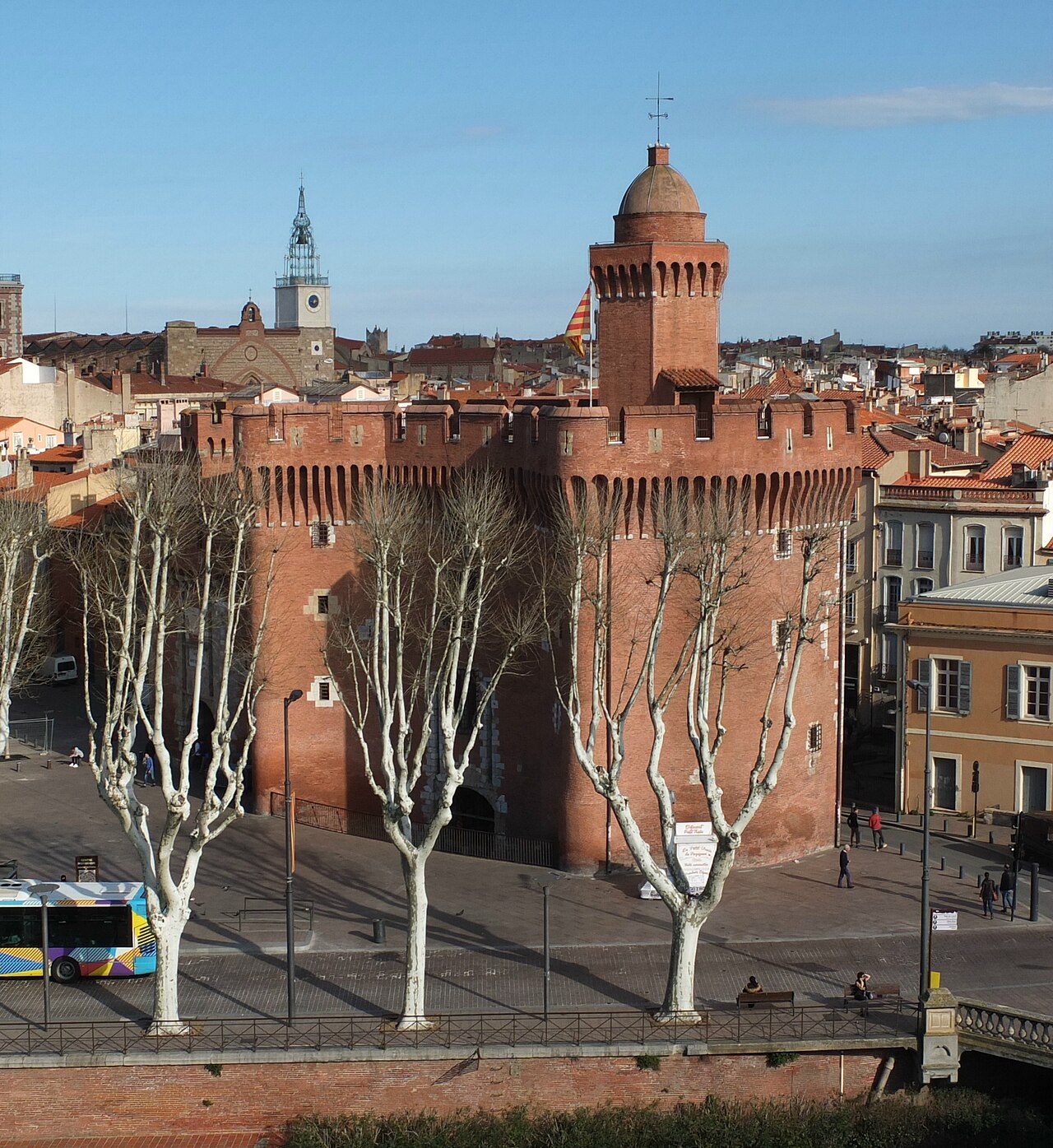
- Yes, while in Perpignan, you can also visit the historic Le Castillet, the Palace of the Kings of Majorca's impressive surroundings, and the beautiful Saint-Jean Cathedral. These sites offer a rich insight into the culture and history of the region.
- How do I get to the Palace of the Kings of Majorca?
- The Palace is conveniently located just a short walk from the city center of Perpignan. Visitors can easily reach it by foot, or public transportation options, including buses and taxis, are available for those coming from farther away.
- What architectural features can I expect to see at the Palace of the Kings of Majorca?
- The Palace features a blend of Gothic and Romanesque architectural styles, characterized by its impressive towers, fortified walls, and beautiful courtyards. The intricate details and grand scale of the palace truly showcase the craftsmanship of the era.
Information
Website
Visit websiteSources & official resources
Verify the information above using these authoritative references.
Loading map...
Visitor reviews
No reviews yet. Been here? Write the first review and help other travelers!
Write the first reviewVisited this castle? Share your experience
Your review helps other travelers and adds first-hand knowledge to our encyclopedia.