Palace of Ganja Khans
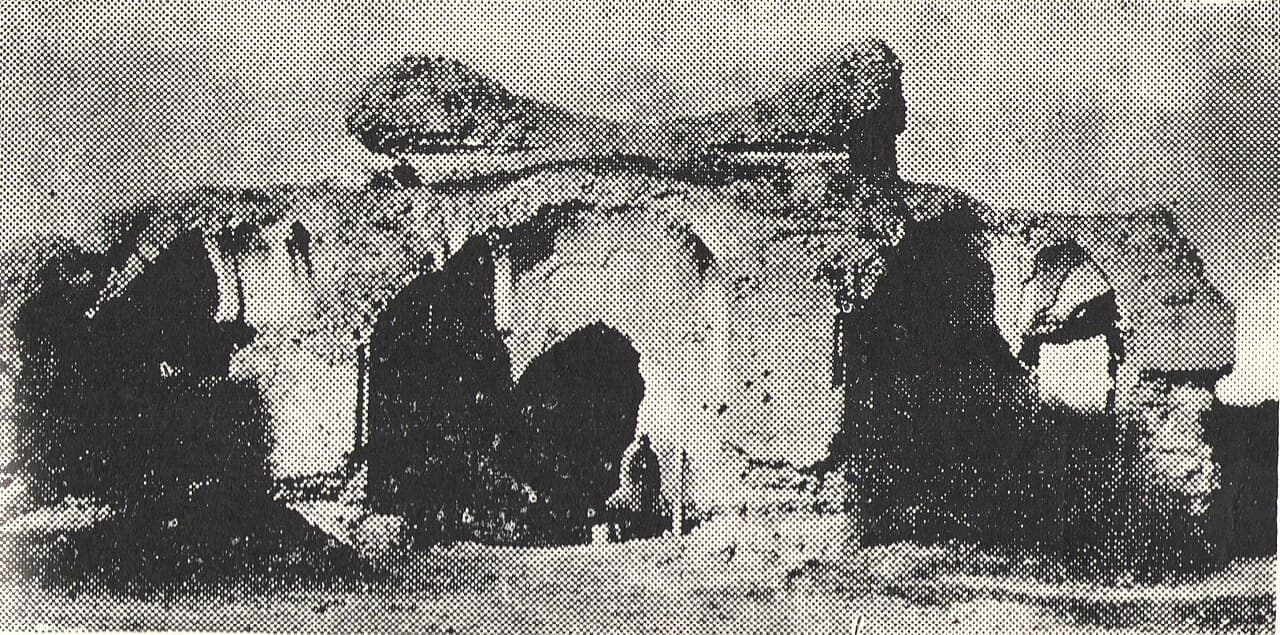
The Palace of Ganja Khans served as the residence of Javad Khan, the last ruler of the Ganja Khanate. Situated in the heart of Ganja city, Azerbaijan, the palace was located to the west of the historic Juma Mosque. This palace played a significant role during the late 18th and early 19th centuries as the seat of power for the khanate's rulers.
Historical significance of the palace
The palace was a symbol of the political and cultural authority of the Ganja Khanate, which existed as a semi-independent principality during a turbulent period marked by regional conflicts and the expanding influence of the Russian Empire. Javad Khan was the last khan to rule before the khanate was absorbed into the Russian Empire in the early 19th century. The palace was not only a residence but also a center of governance and administration for the khanate.
Architectural features and layout
Although detailed architectural plans and descriptions of the palace are scarce due to its demolition, it is known that the palace complex included several key elements typical of Caucasian khanate palaces. These likely included defensive walls, courtyards, and residential quarters for the ruling family and their retinue. The palace was designed to reflect the power and status of the khan while also providing security against potential sieges.
Location and surroundings
The palace stood prominently in the center of Ganja, adjacent to the Juma Mosque, one of the city's most important religious landmarks. This proximity underscored the close relationship between political and religious authority in the khanate. The palace's location within the urban fabric of Ganja made it a focal point of the city.
Demolition and current state
The palace ruins were demolished in 1974, a decision that erased much of the physical heritage of the Ganja Khanate's ruling dynasty. Today, the site is occupied by the Baku Cinema, a modern structure that replaced the historic palace complex. Despite the loss of the palace, the memory of Javad Khan and the khanate is preserved through the nearby mausoleum dedicated to the last ruler.
Legacy of Javad Khan and the palace
Javad Khan is remembered as a significant historical figure in Azerbaijani history, symbolizing resistance against imperial conquest. The palace, while no longer standing, remains an important cultural and historical reference point for the city of Ganja and the broader region. Efforts to commemorate the khanate's heritage continue through monuments and historical research.
Preservation and archaeological interest
Although the physical structure of the palace no longer exists, the site and its history continue to attract interest from historians and archaeologists studying the Ganja Khanate period. The ruins, before demolition, offered insights into the architectural styles and urban planning of the time, contributing to the understanding of Caucasian khanate palaces.
Visiting the site today
Visitors to Ganja can explore the area around the former palace site, including the Juma Mosque and the mausoleum of Javad Khan. While the palace itself no longer stands, these nearby landmarks provide context and a tangible connection to the history of the khanate and its last ruler.
Frequently asked questions (FAQ)
- What is the historical importance of the Palace of Ganja Khans?
- The Palace of Ganja Khans was the residence of Javad Khan, the last ruler of the Ganja Khanate, serving as a political and administrative center during the late 18th and early 19th centuries.
- Can I visit the Palace of Ganja Khans today?
- The original palace was demolished in 1974 and replaced by the Baku Cinema. However, visitors can see the nearby mausoleum of Javad Khan and explore the surrounding historic area in Ganja.
- Where was the Palace of Ganja Khans located?
- The palace was located in the center of Ganja city, to the west of the Juma Mosque, a significant religious site in the city.
- Are there any remains of the Palace of Ganja Khans?
- The palace ruins were demolished in 1974, so no physical remains exist today. Historical records and the nearby mausoleum preserve its memory.
- Why was the Palace of Ganja Khans demolished?
- The ruins were demolished in 1974 to make way for modern development, specifically the construction of the Baku Cinema on the site.
Photo gallery

Photo by Unknown authorUnknown author•Public domain
Information
Loading map...
Visitor reviews
No reviews yet. Been here? Write the first review and help other travelers!
Write the first reviewVisited this castle? Share your experience
Your review helps other travelers and adds first-hand knowledge to our encyclopedia.