Ganja Fortress (Azerbaijani: Gəncə qalası, Persian: قلعه گنجه) is a historic bastioned fortress located in the city of Ganja, Azerbaijan. Constructed in the 16th century during the Renaissance period, the fortress exemplifies military architectural techniques of the time, particularly the use of bastions for enhanced defense against artillery.
Historical background and strategic importance
The fortress was built as a key defensive structure to protect the city of Ganja, which has long been a significant urban center in the region. Its location near the Ganja River provided natural defense advantages and facilitated control over important trade routes. The fortress played a crucial role in the military history of Azerbaijan, witnessing numerous conflicts and sieges over several centuries.
Architectural features and layout
Ganja Fortress is characterized by its bastioned design, a style that emerged in response to the increasing use of gunpowder artillery in warfare. The bastions allowed defenders to cover adjacent walls with crossfire, reducing blind spots and strengthening the fortress's defensive capabilities.
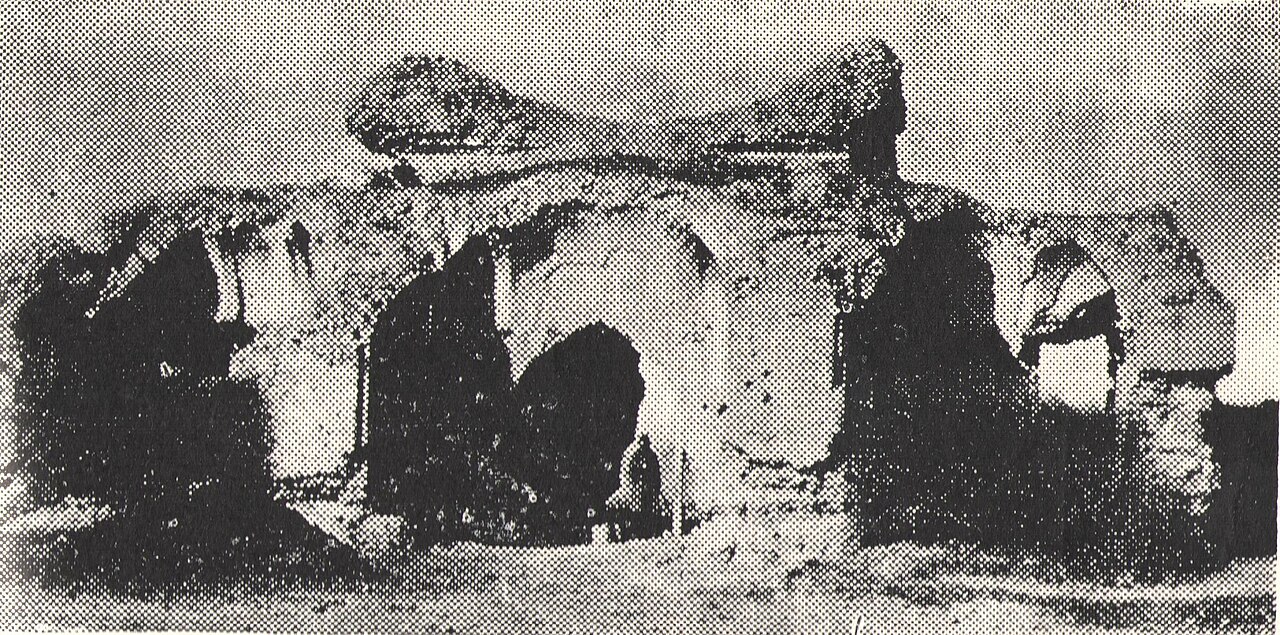
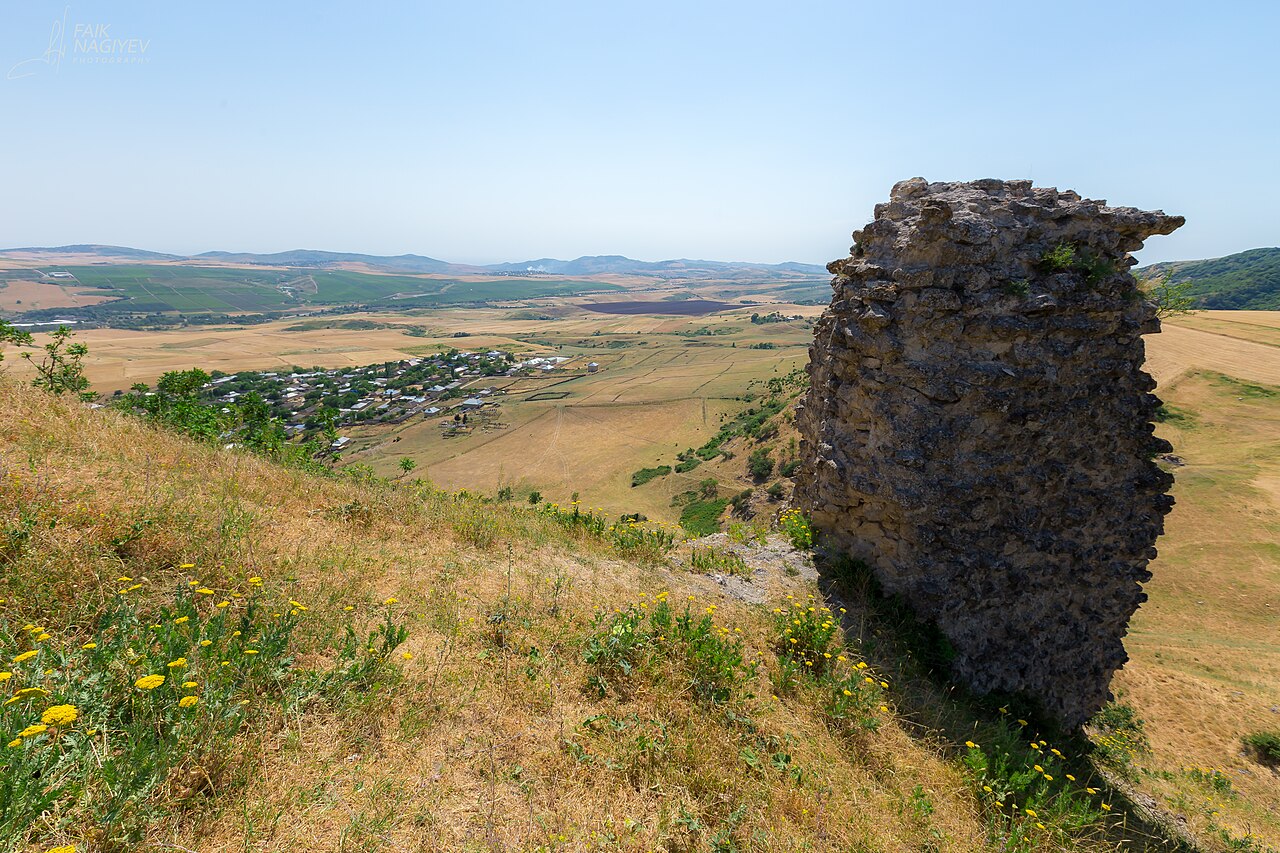
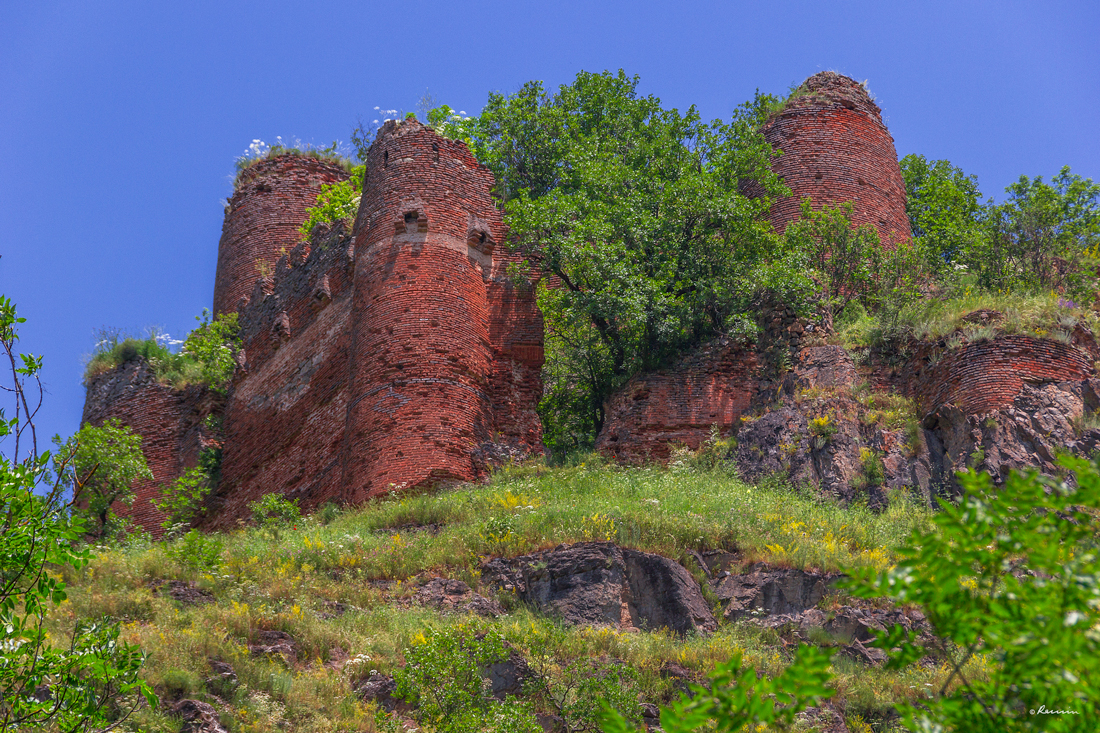
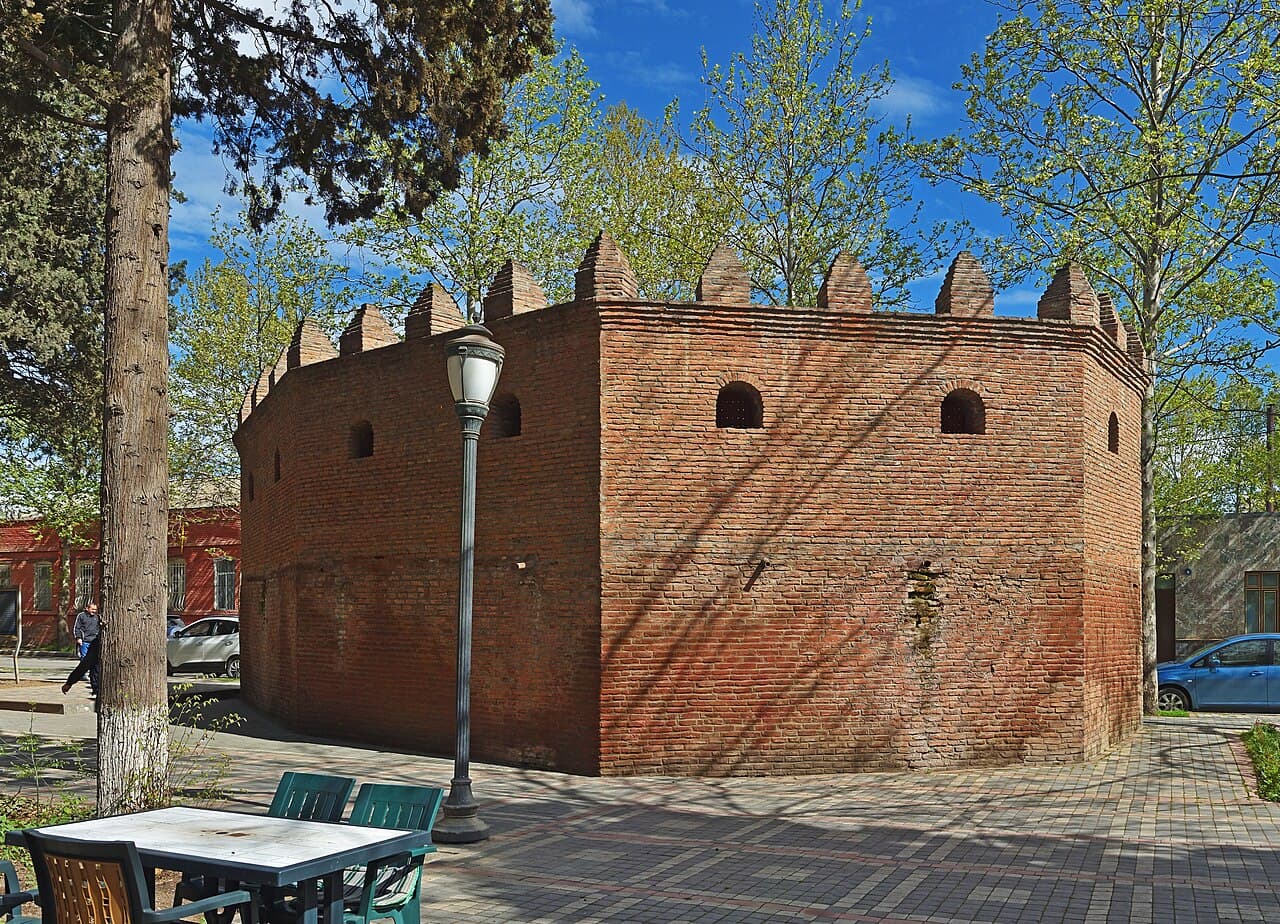
The fortress walls were constructed using robust stone masonry, designed to withstand cannon fire. Although much of the original structure has not survived intact, significant remains of the fortress walls can still be seen today. These remnants are located within the Khan's Garden, the oldest park in Ganja, as well as at the city entrance along the river, marking the historical boundary of the fortified area.
Defensive elements
The fortress included multiple bastions positioned at strategic points along the walls, enabling effective defense against attackers. The walls were likely complemented by a moat or other water defenses, given the fortress's proximity to the river, although specific details about such features are limited.
Preservation and current condition
Today, Ganja Fortress is partially preserved, with visible wall sections that serve as a tangible connection to the city's past. The ruins within Khan's Garden have become an important cultural and historical site for both locals and visitors, highlighting the city's rich heritage.
Efforts to maintain and protect the remaining structures contribute to the understanding of Azerbaijan's military architecture during the Renaissance and provide insight into the region's historical urban development.
Cultural significance and tourism
The fortress is a notable landmark in Ganja, attracting tourists interested in history and architecture. Its location in the oldest city park makes it accessible for visitors who can explore the ruins while enjoying the surrounding green space.
As a symbol of Ganja's resilience and strategic importance, the fortress remains a subject of study for historians and architects specializing in fortifications of the Renaissance era.
Frequently asked questions (FAQ)
- How do I get to Ganja Fortress?
- Ganja Fortress is located in the city of Ganja, Azerbaijan, making it easily accessible by public transportation and private vehicles. You can take a taxi or a local bus from the city center, which is just a short distance away from the fortress.
- What is the historical significance of Ganja Fortress?
- Ganja Fortress, also known as the Nizami Ganjavi Mausoleum, dates back to the 12th century and is a symbol of the rich history of the region. It has served as a defensive structure throughout various periods and is closely associated with the famous Persian poet Nizami Ganjavi.
- When was Ganja Fortress built?
- The construction of Ganja Fortress began in the 12th century, during the reign of the Shirvanshahs. Over the centuries, it has been expanded and renovated, reflecting various architectural styles and historical influences.
- Can I visit Ganja Fortress year-round?
- Yes, Ganja Fortress is open to visitors year-round, allowing you to explore its historical and architectural beauty at any time. However, the best time to visit is during the spring and fall when the weather is mild and pleasant.
- Why is Ganja Fortress a popular tourist attraction?
- Ganja Fortress attracts visitors due to its impressive architecture, rich history, and stunning views of the surrounding area. It is not only a historical site but also a great spot for photography and enjoying the natural beauty of Ganja.
- Is it possible to enter the fortress grounds?
- Yes, visitors can enter the fortress grounds and explore its various sections, including the towers and walls. There may be a small entrance fee, so be sure to check the latest ticket prices before your visit.
- What are the opening hours for Ganja Fortress?
- Ganja Fortress typically opens at 9 AM and closes at 6 PM, but it's advisable to check for any seasonal changes in hours. Make sure to plan your visit accordingly to fully enjoy the site.
- Are there any nearby attractions to visit?
- Yes, nearby attractions include the Nizami Ganjavi Mausoleum and the Javad Khan Street, which offers a glimpse into Ganja's vibrant culture. You can also explore local parks and markets that enhance your experience of this beautiful city.
Photo gallery

Information
Loading map...
Visitor reviews
No reviews yet. Been here? Write the first review and help other travelers!
Write the first reviewVisited this castle? Share your experience
Your review helps other travelers and adds first-hand knowledge to our encyclopedia.