Paide Castle
Paide Castle, located in Paide, Estonia, is a significant example of a high medieval hill castle constructed in the mid-13th century. Its origins date back to 1265 when construction began under the direction of Konrad von Mandern, a prominent figure in the region's medieval military architecture. This castle was built as part of the broader network of fortifications established by the Livonian Order to consolidate control over the territory during the High Middle Ages.
The architectural design and features of Paide Castle
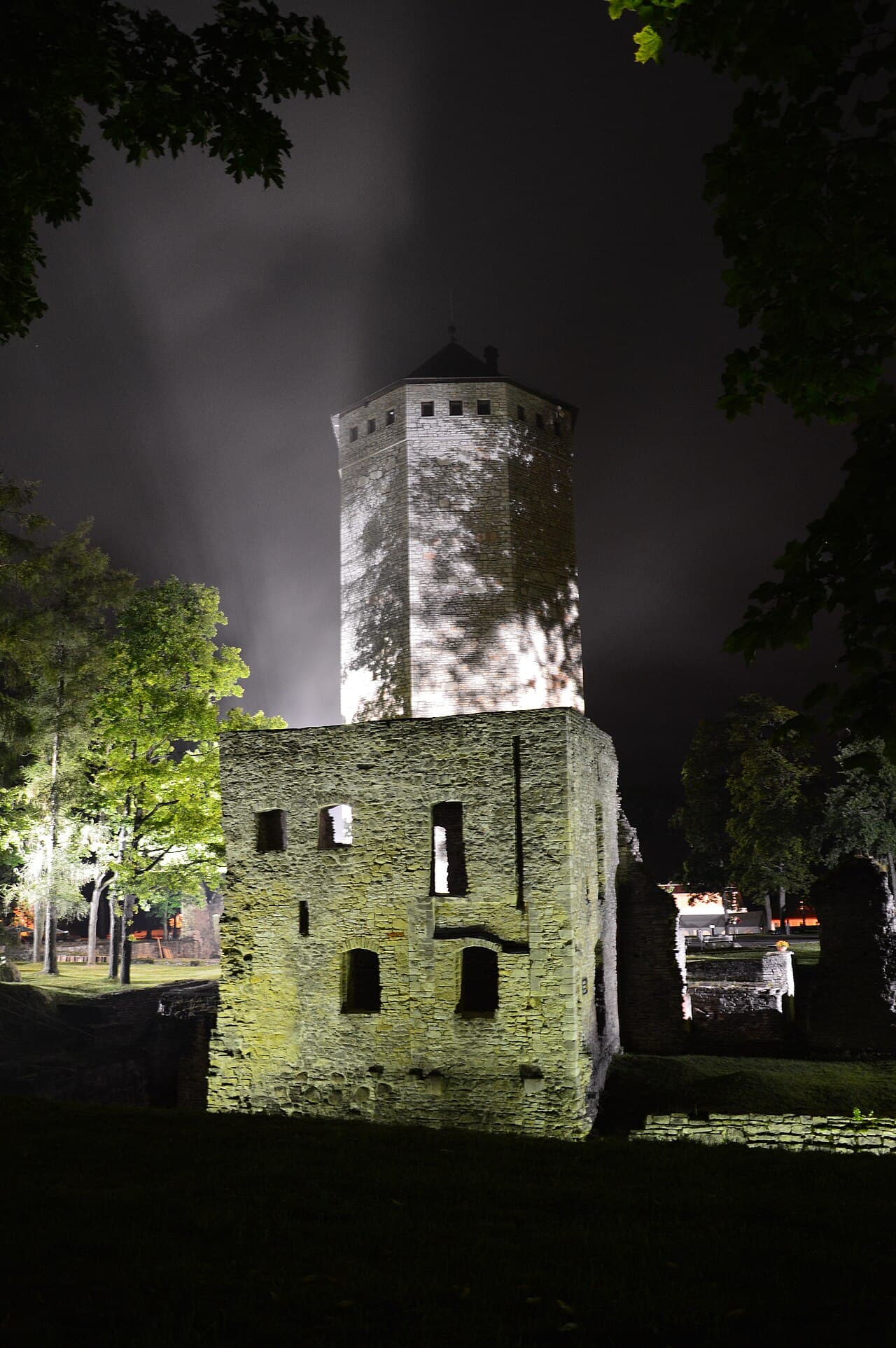
The castle's most distinctive architectural element is the octagonal tower known as Tall Hermann. This tower rises to a height of over 30 meters and features walls approximately 3 meters thick, reflecting the defensive priorities of the period. The octagonal design was relatively uncommon and provided enhanced structural strength and defensive advantages. The tower served both as a lookout and a last refuge during sieges.
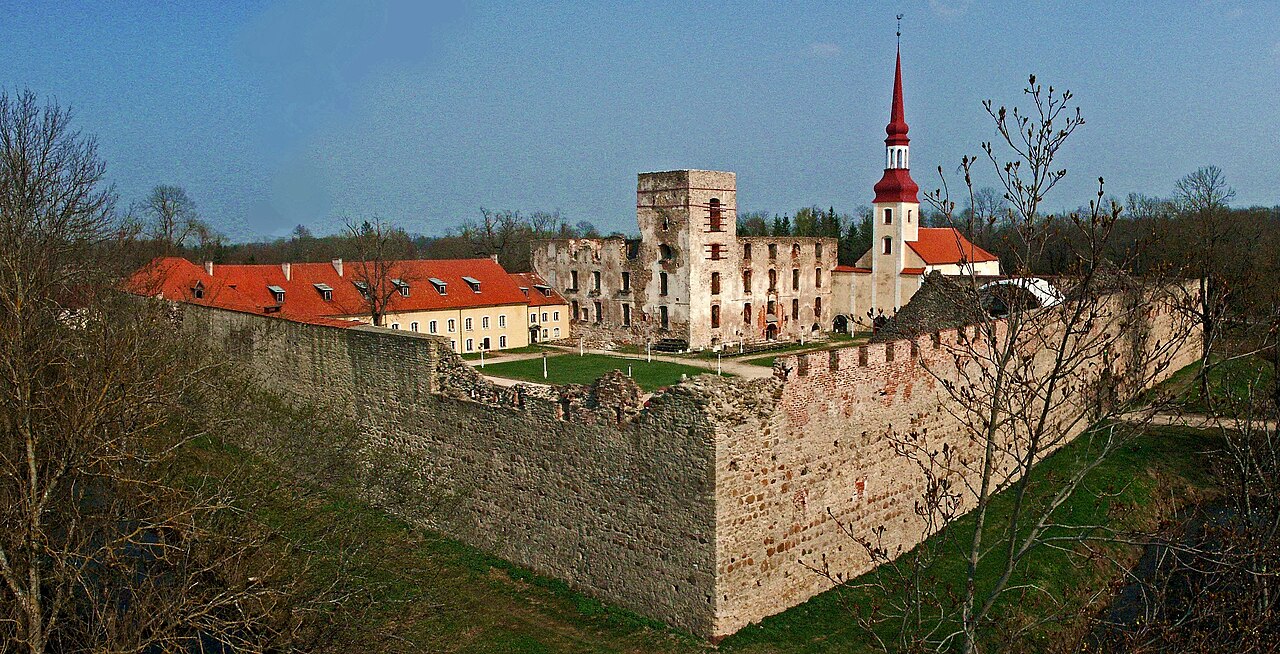
Paide Castle was strategically positioned on a hill, a typical feature of hill castles, which provided natural defensive benefits by dominating the surrounding landscape. The castle complex included thick ramparts and other fortifications designed to withstand prolonged attacks.
Historical significance during the Livonian War
During the Livonian War (1558–1583), Paide Castle was a focal point of military conflict. The castle endured several sieges by Russian forces attempting to expand their influence into the Baltic region. Despite repeated attacks, the fortress held out until 1573, when the Russians finally breached its defenses. Control of the castle changed hands multiple times in the ensuing years, reflecting the turbulent political and military landscape of the time.
Eventually, in 1608, the castle came under Swedish control. The Swedes maintained the fortress for several decades before officially removing Paide from the list of active castles in 1638, marking the end of its primary military function.
Later history and preservation efforts
In the late 19th century, efforts were made to conserve the remaining structures of Paide Castle, including the rampart tower and other ruins. These conservation activities aimed to preserve the site as a cultural and historical monument. In 1913, a park was established on the castle hill, integrating the historic ruins into a public green space.
During World War II, specifically in 1941, the rampart tower was destroyed by Soviet soldiers. This tower had become a symbol not only of Paide but also of the broader Järva County region. The destruction marked a significant loss for local heritage.
In 1993, to commemorate the 650th anniversary of the St. George's Night Uprising, the tower was restored. Today, the restored tower houses a museum that offers visitors insights into the castle's history, architecture, and the region's medieval past.
Architectural and cultural importance today
Paide Castle remains an important cultural landmark in Estonia. Its octagonal Tall Hermann tower is a rare architectural feature among medieval fortifications in the Baltic region. The castle's history reflects the complex military and political struggles of the High Middle Ages and the Livonian War. The site attracts visitors interested in medieval architecture, military history, and Estonian heritage.
The castle's museum and the surrounding park provide educational and recreational opportunities, linking the medieval past with contemporary cultural life in Paide. The preservation and restoration efforts underscore the value placed on maintaining historical monuments as tangible connections to the region's past.
Frequently asked questions (FAQ)
- When was Paide Castle built and by whom?
- Paide Castle was built starting in 1265 under the leadership of Konrad von Mandern, a key figure in the Livonian Order's military expansion.
- What is unique about the architecture of Paide Castle?
- The castle features an octagonal tower called Tall Hermann, over 30 meters tall with walls about 3 meters thick, which is a rare design among medieval fortifications.
- What role did Paide Castle play during the Livonian War?
- Paide Castle was repeatedly besieged by Russian forces during the Livonian War and changed hands multiple times before coming under Swedish control in 1608.
- Is Paide Castle open to visitors today?
- Yes, the restored Tall Hermann tower houses a museum that is open to visitors, offering insights into the castle's history and medieval life.
- What happened to Paide Castle during World War II?
- In 1941, Soviet soldiers destroyed the rampart tower, which was a symbol of Paide and Järva County, but it was later restored in 1993.
- Are there any parks or recreational areas around Paide Castle?
- A park was planted on the castle hill in 1913, providing a green space that complements the historic ruins and museum.
Photo gallery

Information
Loading map...
Visitor reviews
No reviews yet. Been here? Write the first review and help other travelers!
Write the first reviewVisited this castle? Share your experience
Your review helps other travelers and adds first-hand knowledge to our encyclopedia.