Oulu Castle
Oulu Castle (Finnish: Oulun linna, Swedish: Uleåborgs slott) is a historically significant fortress located on an island in the delta of the Oulu River in Finland. Constructed initially in 1590, it served as a strategic stronghold for Swedish military forces during their conflicts with Russian Karelia. The castle's location on the river delta was chosen for its defensive advantages and control over river traffic, which was crucial during the turbulent Renaissance period in Northern Europe.
The original castle was primarily built using wood and earth walls, a common practice in fortifications of that era in the region due to the abundant timber resources and the relative speed of construction. However, archaeological and historical sources suggest that an earlier medieval fortification existed at the same site, possibly dating back to the late 14th century. The Russian Sophia First Chronicle records an unsuccessful attempt by Novgorod forces to capture a newly built fortress in the Oulu River delta in 1377, indicating the site's longstanding military importance.
Medieval origins and early history
While the exact details of the medieval castle are not fully documented, it is believed that the initial fortification was a wooden structure, typical of the medieval fortresses in the region. This early castle likely served as a defensive outpost against incursions from the east, particularly from Novgorod and later Russian forces. The castle's strategic position at the river delta allowed control over maritime and riverine routes, which were vital for trade and military movements.
The renaissance rebuilding under king charles ix
In 1605, King Charles IX of Sweden ordered a significant reconstruction of Oulu Castle. This rebuilding effort was part of a broader strategy to strengthen Sweden's eastern defenses during ongoing conflicts with Russia. The king's decree mandated the demolition of the old wooden structures and the construction of a more robust defensive rampart around the island. This new fortification included earthworks and fire shelters designed to withstand artillery attacks, reflecting the evolving military architecture of the Renaissance era.
The rebuilt castle featured a fortified wall encircling the island, enhancing its defensive capabilities. Despite these improvements, the castle remained predominantly constructed from wood and earth, which, while effective in certain respects, left it vulnerable to fire and siege damage.
Damage, destruction, and later uses
Oulu Castle suffered significant damage during the Great Northern War when Russian forces set fire to its wooden parts in 1715. This attack severely compromised the castle's defensive function. The final destruction occurred on 31 July 1793, when a lightning strike ignited the castle's gunpowder magazine, causing a massive explosion that almost completely destroyed the remaining structures.
Despite the destruction, parts of the castle's powder magazine survived. In 1875, the Oulu School of Sea Captains constructed an observatory on the site, incorporating wooden structures atop the remaining stone magazine. This building was designed by architect Wolmar Westling. Since 1912, the site has functioned as a cafeteria, which also hosts a small exhibition detailing the castle's history, preserving its cultural heritage.
Architectural features and layout
Oulu Castle's original design was typical of hill castles adapted to a river delta environment. The fortification utilized the natural island terrain to enhance defense, surrounded by water and supplemented with earth ramparts and wooden palisades. The castle included fire shelters integrated into the ramparts, which were innovative for the time, providing protection against artillery fire.
The castle's layout was compact, with the main defensive walls enclosing the island's perimeter. The use of wood and earth rather than stone was a practical choice given the region's resources and the urgency of military needs during the late 16th and early 17th centuries. However, this also meant the castle was less durable than stone fortresses, contributing to its eventual ruin.
Cultural and historical significance
Oulu Castle stands as a testament to the military and political struggles in Northern Europe during the Renaissance period. Its history reflects the shifting borders and conflicts between Sweden and Russia, particularly in the contested region of Karelia. The castle's ruins on Linnansaari Island are an important cultural heritage site in Oulu, Finland, offering insight into early modern fortification techniques and regional history.
The castle's transformation from a military fortress to a site of education and public gathering, with the observatory and cafeteria, illustrates the adaptive reuse of historic sites. The small exhibition on the castle's history helps preserve the memory of the site's strategic importance and architectural evolution.
Visiting oulu castle today
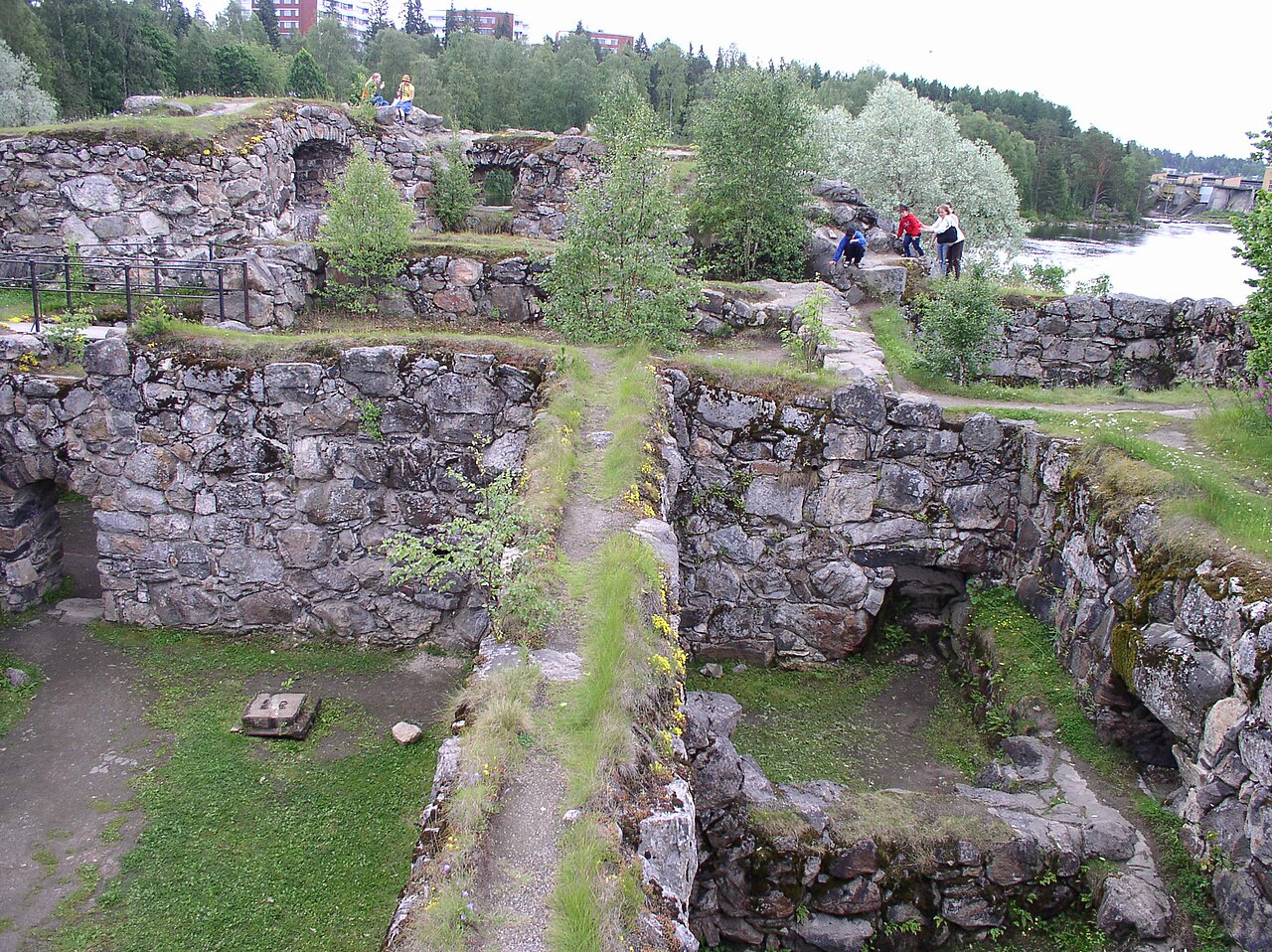
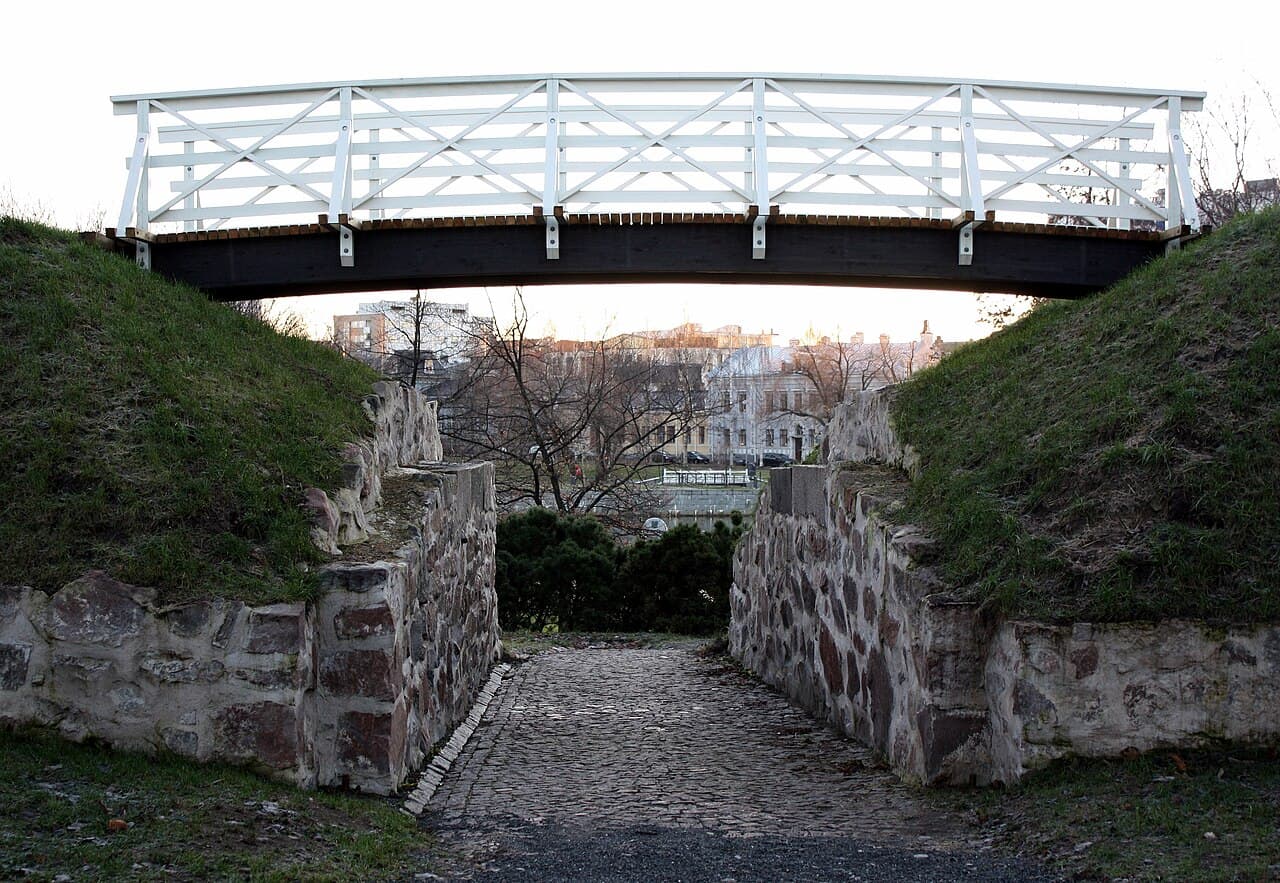
Today, visitors to Oulu can explore the castle ruins on Linnansaari Island, where the remnants of the earthworks and the powder magazine remain visible. The site provides a unique glimpse into the Renaissance military architecture adapted for a river delta setting. The cafeteria housed in the former observatory offers refreshments and historical context through its exhibition, making it a popular destination for both tourists and locals interested in Finnish history.
Oulu Castle's location in the city center and its connection to the Oulu River make it accessible and significant as a cultural landmark. The site is often included in heritage tours and educational programs, emphasizing its role in the region's past conflicts and defense strategies.

Information
Loading map...
Visitor reviews
No reviews yet. Been here? Write the first review and help other travelers!
Write the first reviewVisited this castle? Share your experience
Your review helps other travelers and adds first-hand knowledge to our encyclopedia.