Oud Poelgeest
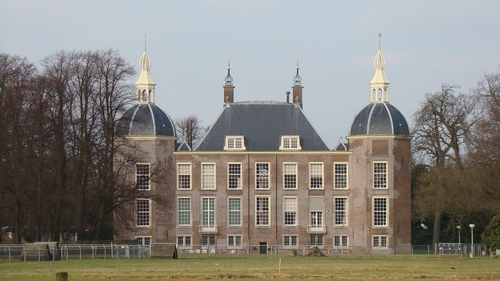
Oud Poelgeest castle is a notable example of a 17th-century Renaissance hill castle located in Oegstgeest, just north of the historic city of Leiden in the Netherlands. This castle is historically significant as the former residence of Herman Boerhaave (1668–1738), a renowned Dutch humanist, physician, and scientist who gained European fame for his contributions to medicine and science during the early modern period.
Historical background and significance
Constructed in the early 1600s, Oud Poelgeest embodies the architectural and cultural values of the Dutch Renaissance era. The castle was originally built as a country estate and manor house, reflecting the wealth and status of its owners during a period when the Dutch Republic was flourishing economically and culturally. Its association with Herman Boerhaave adds to its historical importance, as Boerhaave was a leading figure in the advancement of medical education and practice in Europe.
Architectural features and layout
The castle is classified as a hill castle, which means it was strategically constructed on elevated ground to provide defensive advantages and commanding views of the surrounding landscape. The Renaissance style is evident in the castle's symmetrical design, orderly proportions, and use of classical architectural elements such as pilasters and decorative gables.
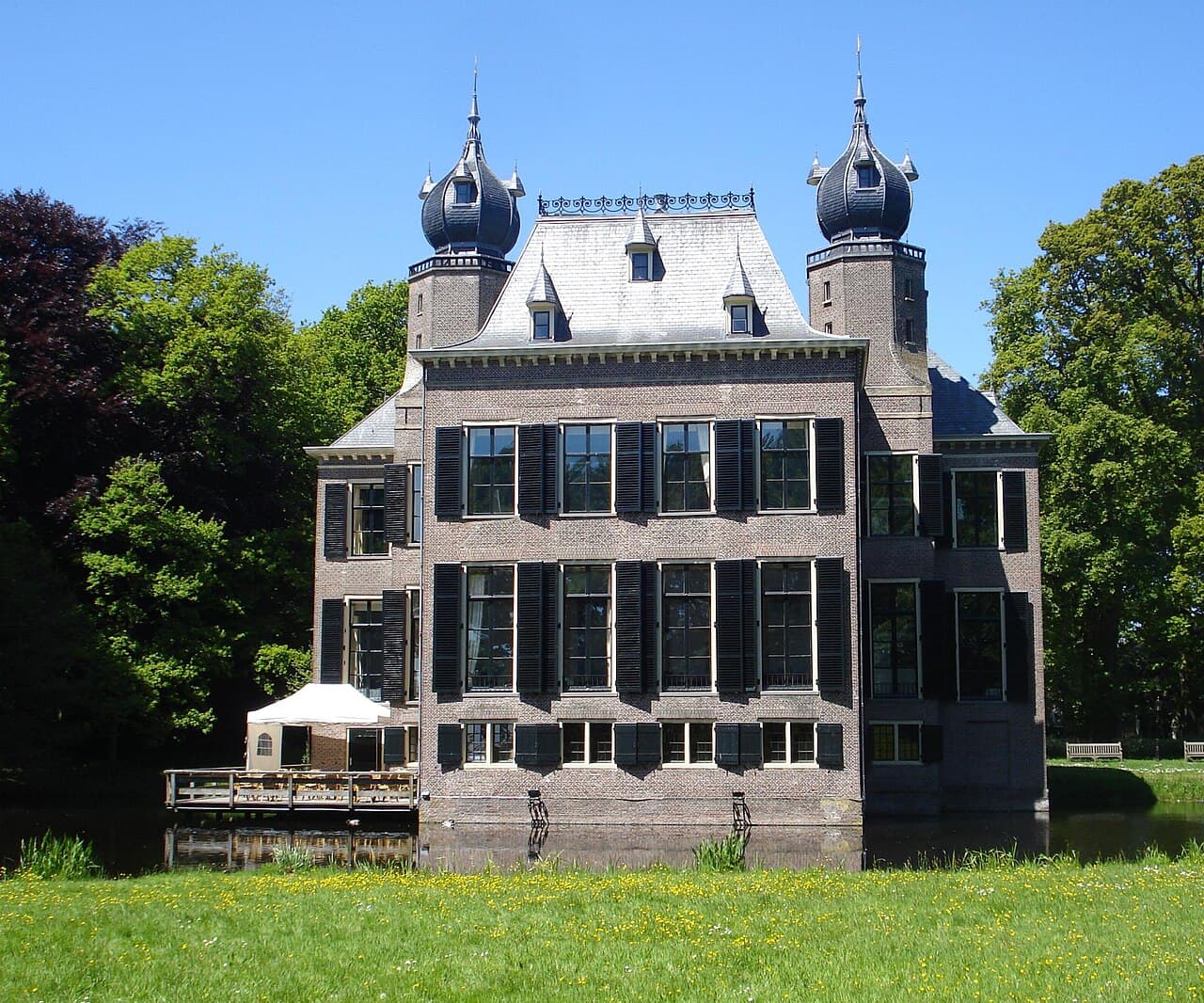
Oud Poelgeest features a central building flanked by wings, with a moat or water features that were typical of Dutch castles of the period. The castle's façades are adorned with brickwork patterns and stone details that highlight the craftsmanship of the era. Inside, the castle contains spacious halls and chambers that would have served both residential and administrative functions.
Defensive and aesthetic elements
While primarily built as a residence, the castle incorporates defensive features characteristic of the period, including thick walls and limited access points. The elevated site and surrounding water bodies also contributed to its defensibility. At the same time, the castle's aesthetic qualities, such as ornamental stonework and carefully designed gardens, reflect the Renaissance ideals of harmony and beauty.
Herman Boerhaave and Oud Poelgeest
Herman Boerhaave lived at Oud Poelgeest during the early 18th century. He was a pioneering figure in the medical sciences, known for his innovative teaching methods and clinical practice. Boerhaave's residence at the castle symbolizes the intersection of scientific progress and aristocratic life in the Dutch Golden Age.
Boerhaave's work in anatomy, chemistry, and physiology laid the groundwork for modern medical education. His presence at Oud Poelgeest attracted scholars and students, making the castle a center of intellectual activity during his lifetime.
Preservation and current status
Today, Oud Poelgeest remains a well-preserved example of a Renaissance hill castle in the Netherlands. It retains much of its original architectural character and continues to be an important cultural landmark in the region. The castle is privately owned and not generally open to the public, but it can be viewed from nearby public areas and walking paths.
Efforts to maintain the castle have focused on preserving its historic fabric and landscape setting, ensuring that Oud Poelgeest remains a visible reminder of the region's rich architectural and scientific heritage.
Location and surroundings
Situated in the province of South Holland, Oegstgeest is a town with close ties to the city of Leiden, known for its university and historical significance. The castle's location north of Leiden places it within a landscape dotted with waterways, parks, and other historic estates, contributing to its picturesque setting.
The surrounding area offers opportunities for visitors to explore Dutch Renaissance heritage, nature walks, and the cultural history of the Dutch Golden Age.
Photo gallery

Information
Loading map...
Visitor reviews
No reviews yet. Been here? Write the first review and help other travelers!
Write the first reviewVisited this castle? Share your experience
Your review helps other travelers and adds first-hand knowledge to our encyclopedia.