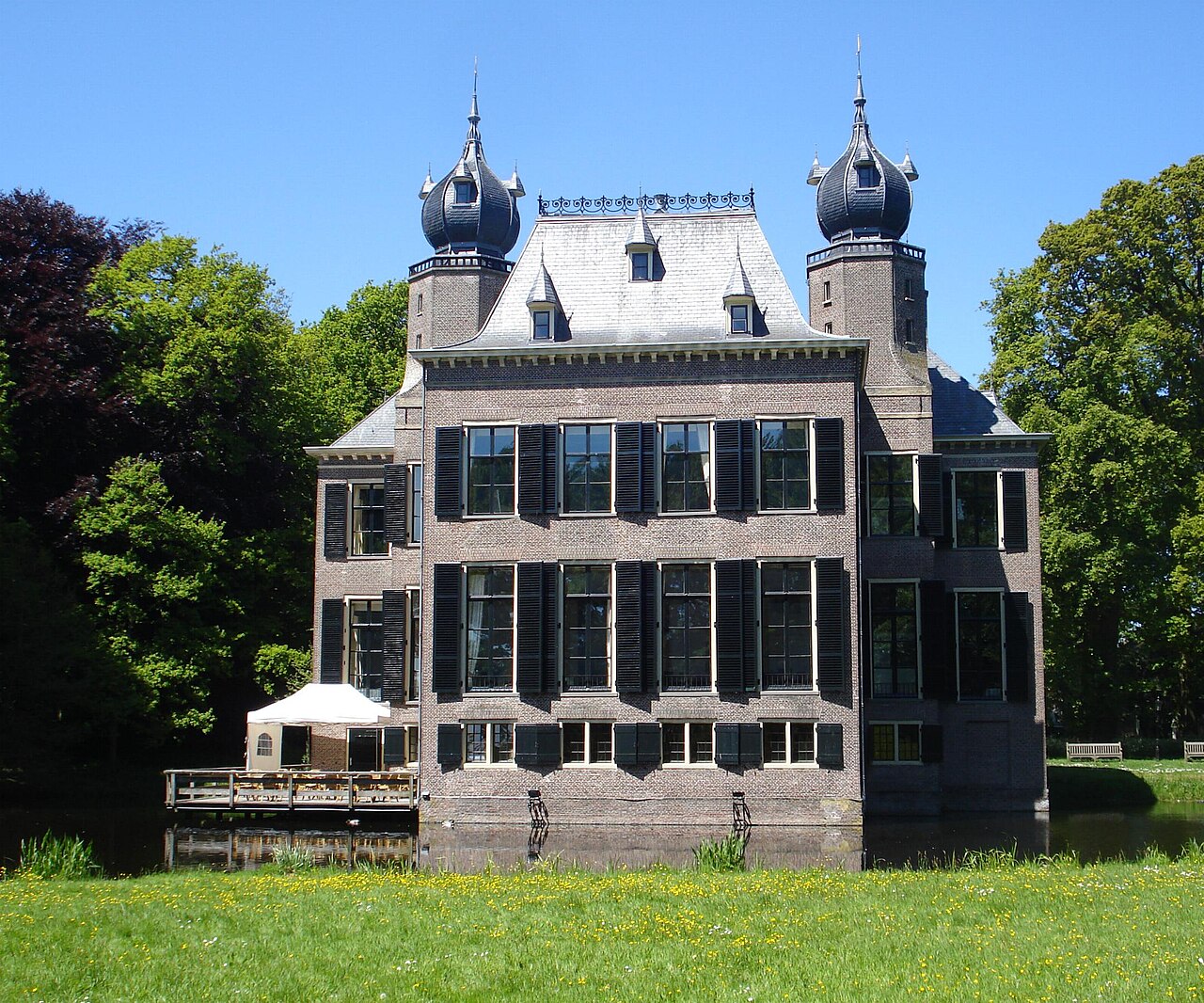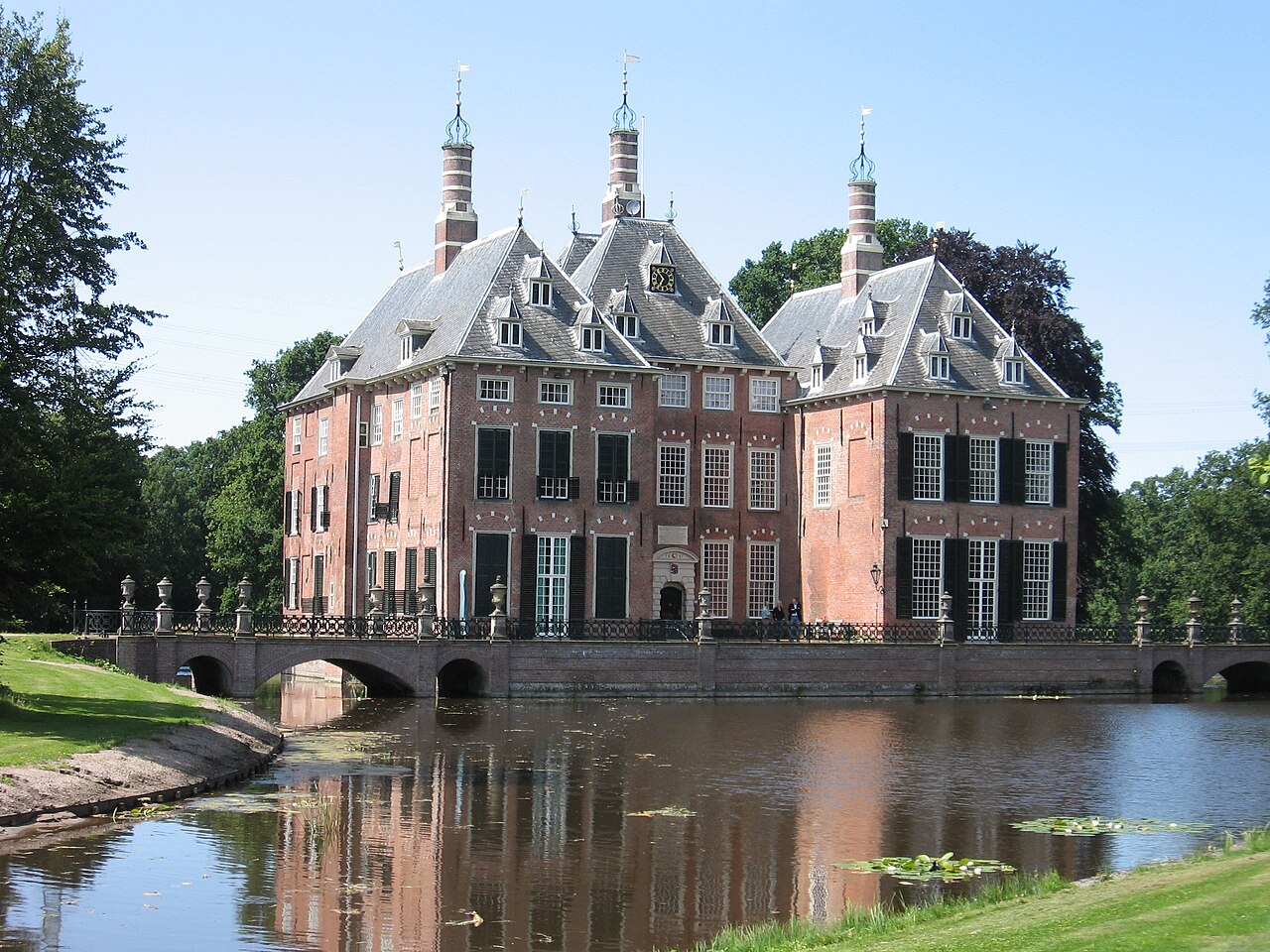
Kasteel Endegeest
Kasteel Endegeest is a historic hill castle located in the Netherlands, dating back to the 14th century. As a late medieval fortress, it represents the architectural and defensive styles prevalent in the region during this period. The castle was originally constructed as a fortified manor house, designed to serve both residential and defensive purposes.
Historical background and significance
The origins of Kasteel Endegeest trace back to the late Middle Ages, a time when many such castles were established across Europe to assert control over local lands and provide protection against rival factions. The castle's location on a raised artificial hill, known as a motte, gave it a strategic advantage, allowing defenders to monitor the surrounding landscape and deter attackers.
Throughout its history, Kasteel Endegeest has undergone various modifications and expansions, reflecting changing architectural tastes and defensive needs. While initially focused on military utility, the castle gradually evolved into a more comfortable noble residence, incorporating elements of Renaissance style during later renovations.
Architectural features and layout
Defensive structures
The castle's primary defensive feature is its elevated position on a hill, which is typical for hill castles in the region. This elevation was often artificially enhanced to create a motte, surrounded by a moat or water defenses. Although the exact details of the moat at Endegeest are not extensively documented, water defenses were common in Dutch castles due to the low-lying terrain.
Thick curtain walls and fortified gatehouses would have been key components of the castle's defense system. These walls protected the inner courtyard and residential buildings from assault. The castle likely featured battlements and arrow slits to enable defenders to repel attackers while remaining protected.
Residential and service buildings
Inside the castle walls, the main residential building or keep served as the noble family's living quarters. This structure would have included a great hall used for dining and gatherings, private chambers, and service rooms such as kitchens and storage areas. The castle complex also contained auxiliary buildings like stables and workshops necessary for daily life and estate management.
Later developments and preservation
Over the centuries, Kasteel Endegeest experienced periods of decline and restoration. The original medieval fortifications were adapted to meet the needs of peaceful residence rather than military defense. Some Renaissance architectural details were added, softening the fortress-like appearance.
Today, the castle is recognized for its cultural and historical value. It has been preserved as a heritage site, with efforts made to maintain its structural integrity and historical character. The castle remains a significant example of late medieval Dutch castle architecture, illustrating the transition from fortress to noble residence.
Visiting Kasteel Endegeest
While Kasteel Endegeest is primarily a private property, it occasionally opens to the public for guided tours and cultural events. Visitors can appreciate the castle's architectural features and the surrounding landscape, which reflects the strategic considerations of medieval castle builders in the Netherlands.
Nearby attractions
The castle is situated in a region rich with other historical sites and natural beauty, making it an interesting destination for those exploring Dutch history and heritage. Nearby towns offer additional cultural experiences, including museums, traditional Dutch architecture, and scenic waterways.
Architectural style and classification
Kasteel Endegeest is classified as a hill castle due to its elevated position and defensive design. Its construction period places it firmly in the late medieval era, with architectural elements typical of the time, including robust stone walls and defensive towers.
The castle's style reflects the practical needs of the period, focusing on fortification and defense, but also incorporates residential comforts as the role of castles evolved during the Renaissance. Although primarily medieval in character, later additions may show Renaissance influences.
Frequently asked questions (FAQ)
- When was Kasteel Endegeest built?
- Kasteel Endegeest was built in the 14th century during the late medieval period, reflecting the architectural styles and defensive needs of that time.
- What type of castle is Kasteel Endegeest?
- Kasteel Endegeest is classified as a hill castle, characterized by its elevated position that provided strategic defense advantages.
- Can visitors tour Kasteel Endegeest?
- While primarily private, Kasteel Endegeest occasionally opens for guided tours and cultural events, allowing visitors to explore its historic architecture.
- What architectural styles are present at Kasteel Endegeest?
- The castle mainly exhibits late medieval architectural features with some later Renaissance influences reflecting its evolution from fortress to noble residence.
- Where is Kasteel Endegeest located?
- Kasteel Endegeest is located in the South Holland region of the Netherlands, situated on an artificial hill typical of Dutch hill castles.
Photo gallery

Photo by Arch•Public domain
Information
Loading map...
Visitor reviews
No reviews yet. Been here? Write the first review and help other travelers!
Write the first reviewVisited this castle? Share your experience
Your review helps other travelers and adds first-hand knowledge to our encyclopedia.