Chufut-Kale, located in the Crimean Mountains near Bakhchysarai, Ukraine, is a remarkable example of a medieval city-fortress that has survived in a state of ruins. This fortress is a significant cultural monument for the Crimean Karaites, a distinct ethnic and religious community with deep historical roots in the region. The fortress lies approximately 3 kilometers east of Bakhchysarai, the historic capital of the Crimean Khanate.
The name Chufut-Kale derives from the Crimean Tatar and Turkish languages, meaning "Jewish Fortress" (çufut/çıfıt meaning Jew, and qale/kale meaning fortress). However, the Crimean Karaites themselves refer to the site simply as "Fortress," emphasizing its role as a historic center of their community. In the Middle Ages, the fortress was also known as Qırq Yer or "Place of Forty," and among the Karaites, it was called Sela' ha-Yehudim (Hebrew for "Rock of the Jews").
Historical background and cultural significance
Chufut-Kale was established in the 6th century during the Early Medieval period. It served as a fortified settlement that played a crucial role in the defense and administration of the region. Over the centuries, it became a refuge and a cultural hub for the Crimean Karaites, a Turkic-speaking Jewish sect with unique religious traditions distinct from Rabbinic Judaism.
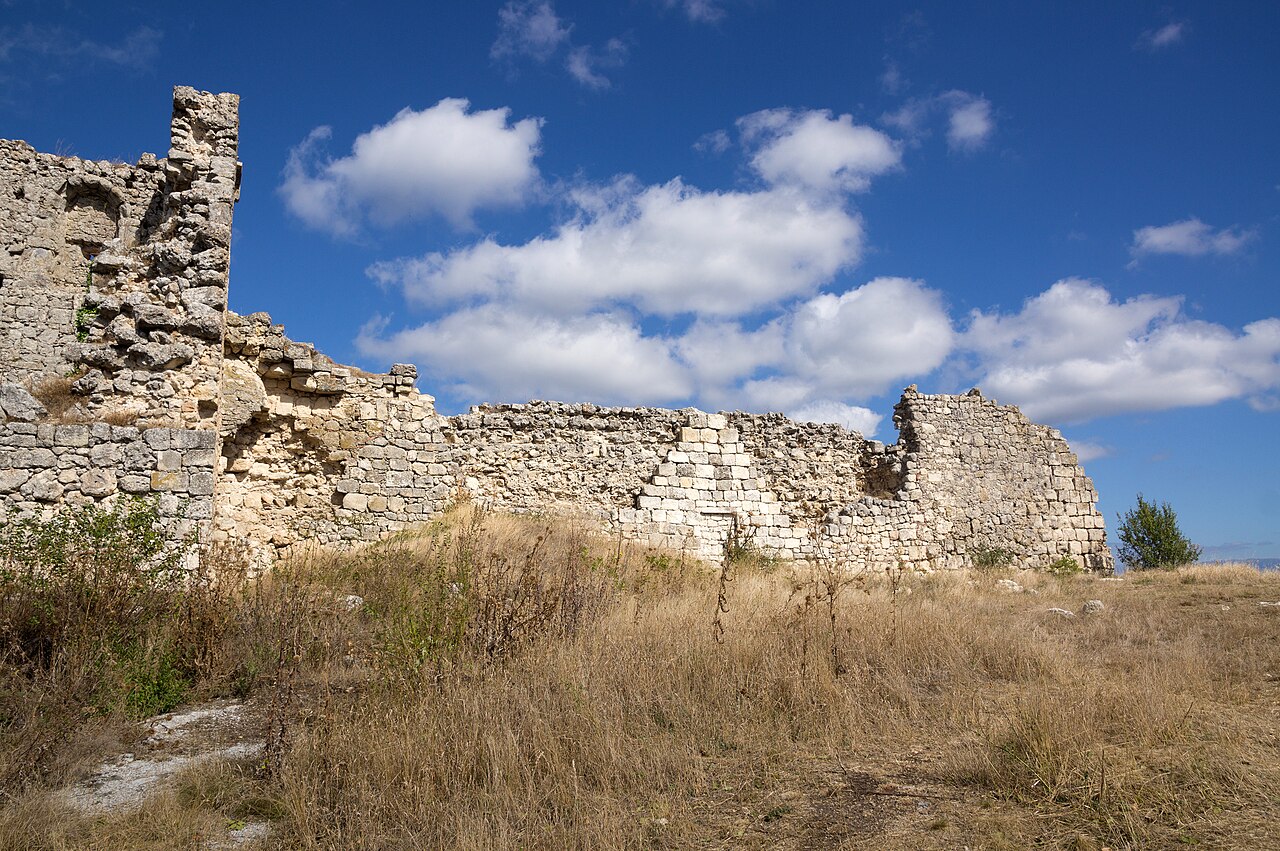
The fortress's strategic location on a plateau in the Crimean Mountains provided natural defenses, with steep cliffs on most sides, making it difficult to assault. This geographic advantage was supplemented by man-made fortifications, including thick defensive walls and gates that controlled access to the settlement.
Architectural features and layout
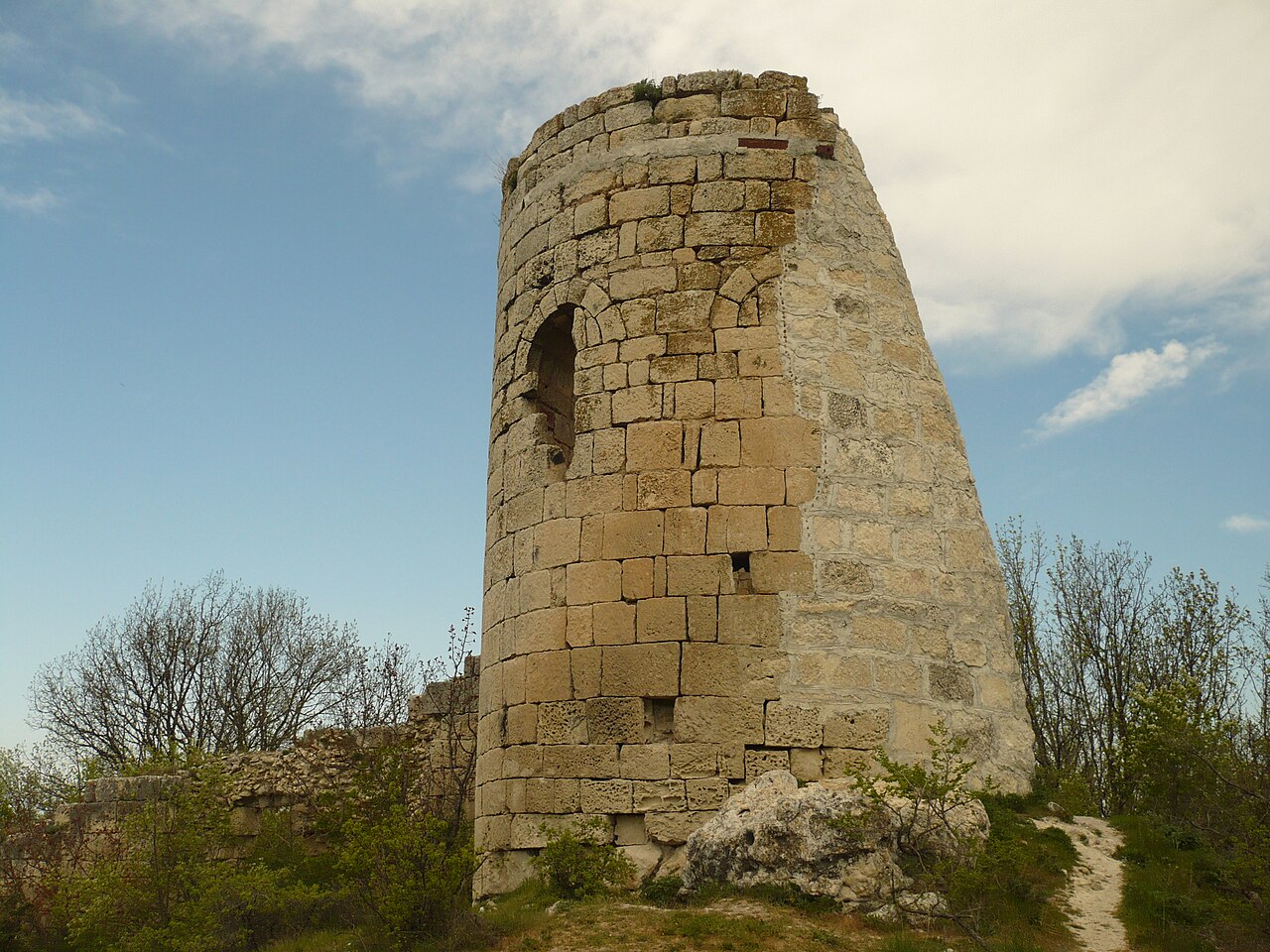
The remains of Chufut-Kale reveal a complex layout typical of a medieval fortress adapted to its mountainous terrain. The fortress includes remnants of residential quarters, defensive walls, towers, and gates. The architecture reflects the practical needs of defense combined with the living requirements of its inhabitants.
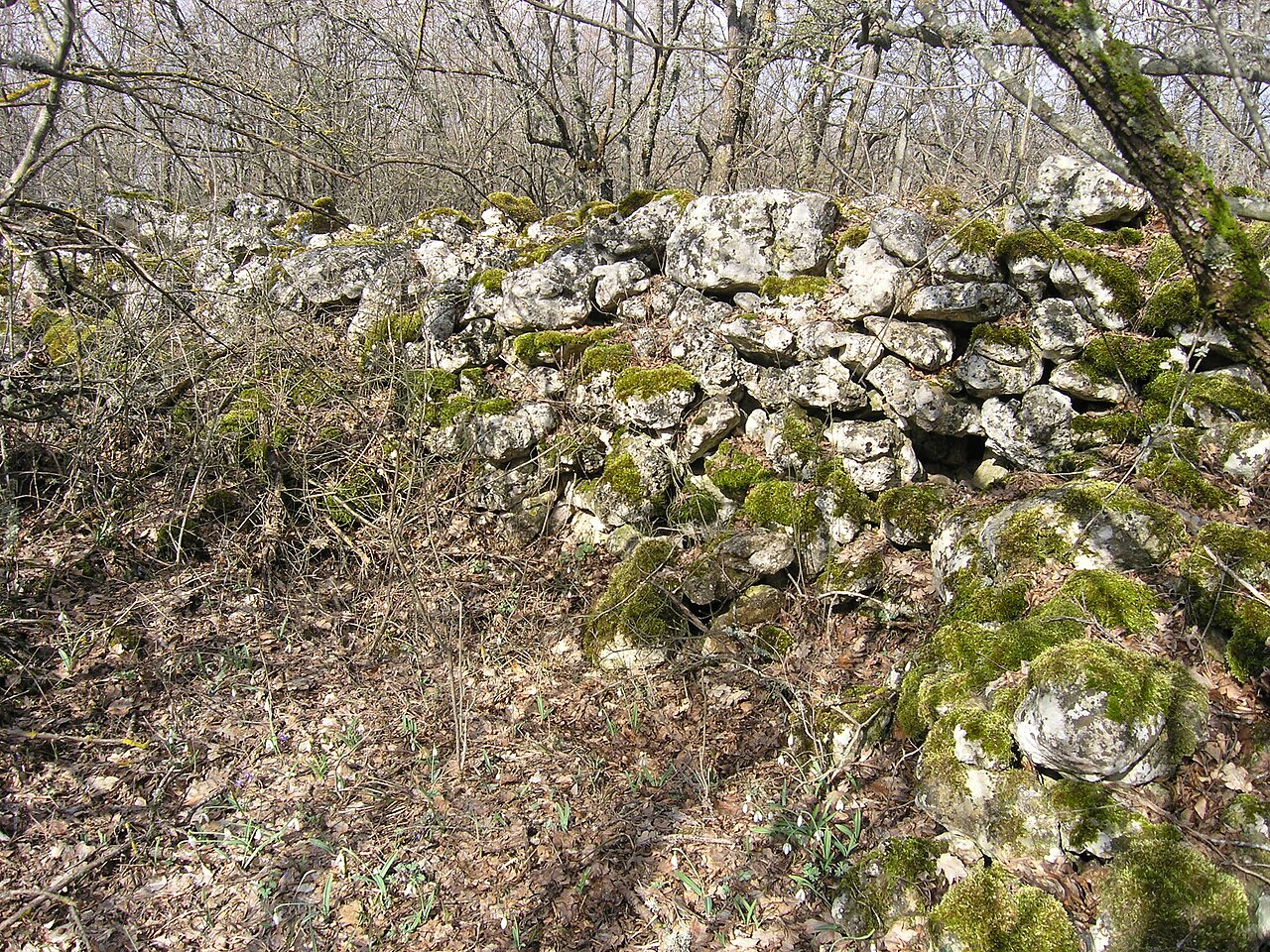
The settlement was built with local limestone, which has weathered over time but still shows the craftsmanship of its builders. The defensive walls were constructed to follow the natural contours of the plateau, enhancing their effectiveness. Several towers served as lookout points and strongholds in case of attack.
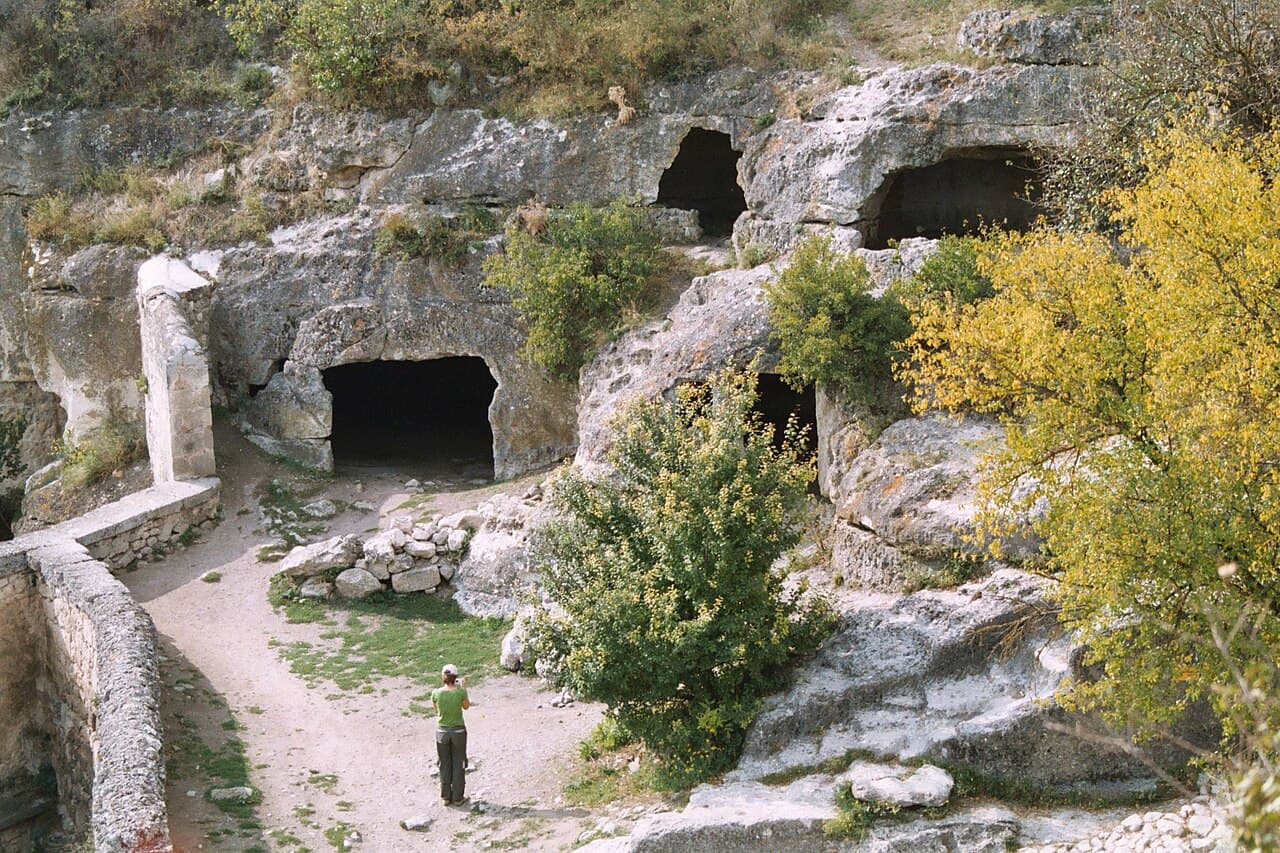
Within the fortress, there were public buildings and houses arranged around courtyards, with narrow streets winding through the settlement. Archaeological excavations have uncovered artifacts that shed light on the daily life, trade, and religious practices of its residents.
The fortress in the medieval period
During the Middle Ages, Chufut-Kale was a thriving center for the Crimean Karaites. It was not only a defensive stronghold but also a cultural and religious center. The fortress housed synagogues and community buildings that served the spiritual and social needs of its inhabitants.
The fortress's name, "Jewish Fortress," reflects the significant presence of the Karaite community, which maintained its traditions despite pressures from neighboring powers. The fortress was part of a network of settlements that helped preserve the unique identity of the Crimean Karaites.
Decline and current condition
Over time, Chufut-Kale lost its strategic importance and was gradually abandoned. The fortress suffered from natural decay and the effects of various conflicts in the region. Today, it stands as archaeological ruins, with many structures partially preserved or in a state of ruin.
Despite its ruined condition, Chufut-Kale remains a vital cultural heritage site. It attracts visitors interested in medieval history, architecture, and the unique heritage of the Crimean Karaites. The site offers insight into the defensive architecture of the Early Medieval period and the social history of a minority community in Crimea.
Visiting Chufut-Kale
Visitors to Chufut-Kale can explore the remains of the fortress and enjoy panoramic views of the surrounding Crimean Mountains and the nearby city of Bakhchysarai. The site is accessible by road and is a popular destination for those interested in history and archaeology.
Interpretive signs and guided tours provide information about the fortress's history, architecture, and the life of the Crimean Karaites. The site is protected as a national monument, ensuring its preservation for future generations.
Frequently asked questions (FAQ)
- What is the historical significance of Chufut-Kale?
- Chufut-Kale is a medieval fortress located in Ukraine that dates back to the 6th century. It played a crucial role in the defense of the region and served as a significant settlement for the Crimean Karaites during the Middle Ages.
- When was Chufut-Kale built?
- Chufut-Kale was constructed in the 6th century and has undergone various modifications throughout its history. Its strategic position and robust architecture have made it a notable example of medieval fortifications in the region.
- Can I visit Chufut-Kale year-round?
- Yes, Chufut-Kale is open to visitors throughout the year, but the best time to visit is during the spring and autumn months when the weather is mild. Winter visits may present challenges due to snow and ice, while summer can be quite hot.
- What are the opening hours for Chufut-Kale?
- Chufut-Kale typically opens to visitors from 9:00 AM to 6:00 PM. However, it's advisable to check local listings for any seasonal changes in hours or special events that might affect access.
- Is it possible to access Chufut-Kale by public transport?
- Yes, Chufut-Kale can be accessed by public transport from nearby cities, though it may require a combination of bus and walking. Many visitors also opt for guided tours that include transportation to ensure a smooth visit.
- What are the ticket prices for Chufut-Kale?
- Ticket prices for Chufut-Kale are generally affordable, with discounts available for students and seniors. It’s best to check the official website or local tourist information for the most current pricing and any available packages.
- What nearby attractions should I visit while in the area?
- While visiting Chufut-Kale, you can also explore the nearby Bakhchisaray Palace, a stunning example of Crimean Tatar architecture, and the picturesque landscapes of the surrounding region. These attractions complement the history and beauty of Chufut-Kale, making for a full day of exploration.
- How do I get the best views at Chufut-Kale?
- To get the best views at Chufut-Kale, it is recommended to hike up to the higher vantage points within the fortress. These areas offer breathtaking panoramas of the surrounding valleys and the historical landscape, perfect for photography enthusiasts.
Photo gallery

Photo by Peter Ashton (en:User:Fax62machine)•Public domain
Information
Loading map...
Visitor reviews
No reviews yet. Been here? Write the first review and help other travelers!
Write the first reviewVisited this castle? Share your experience
Your review helps other travelers and adds first-hand knowledge to our encyclopedia.