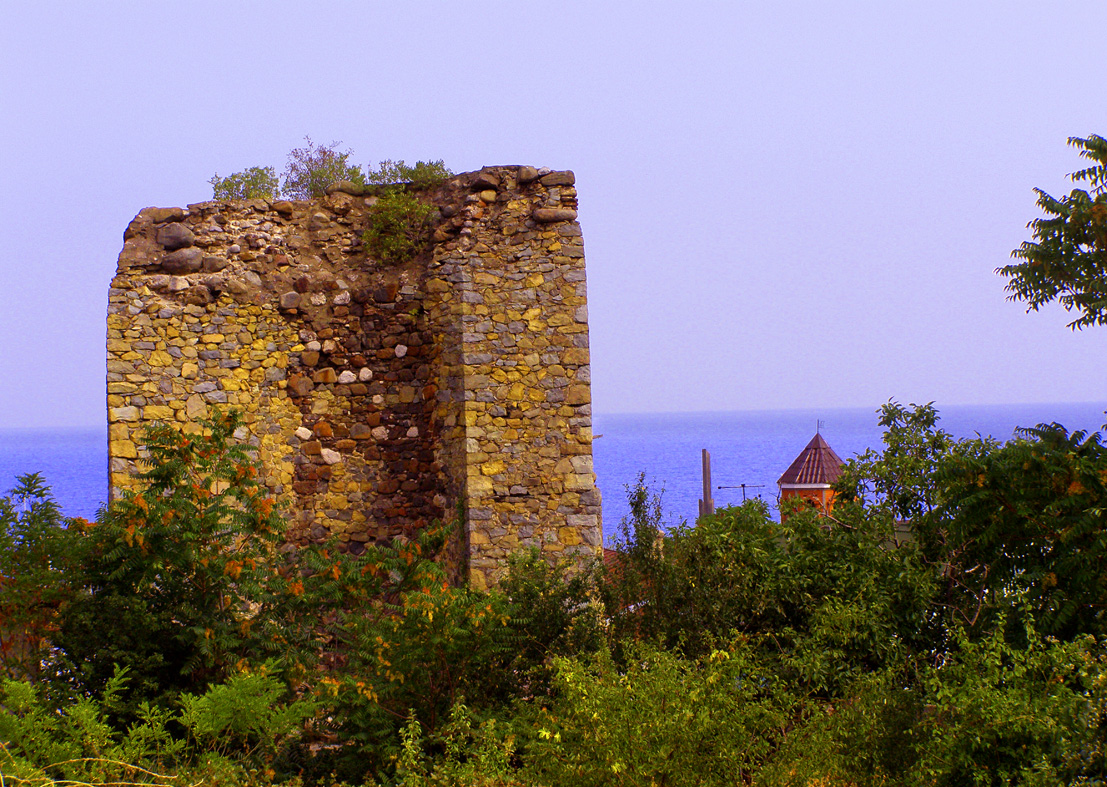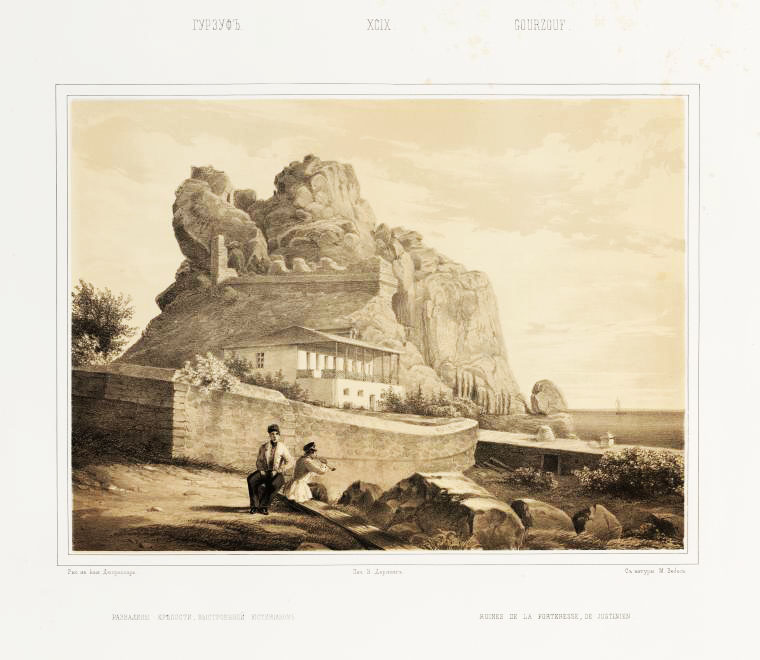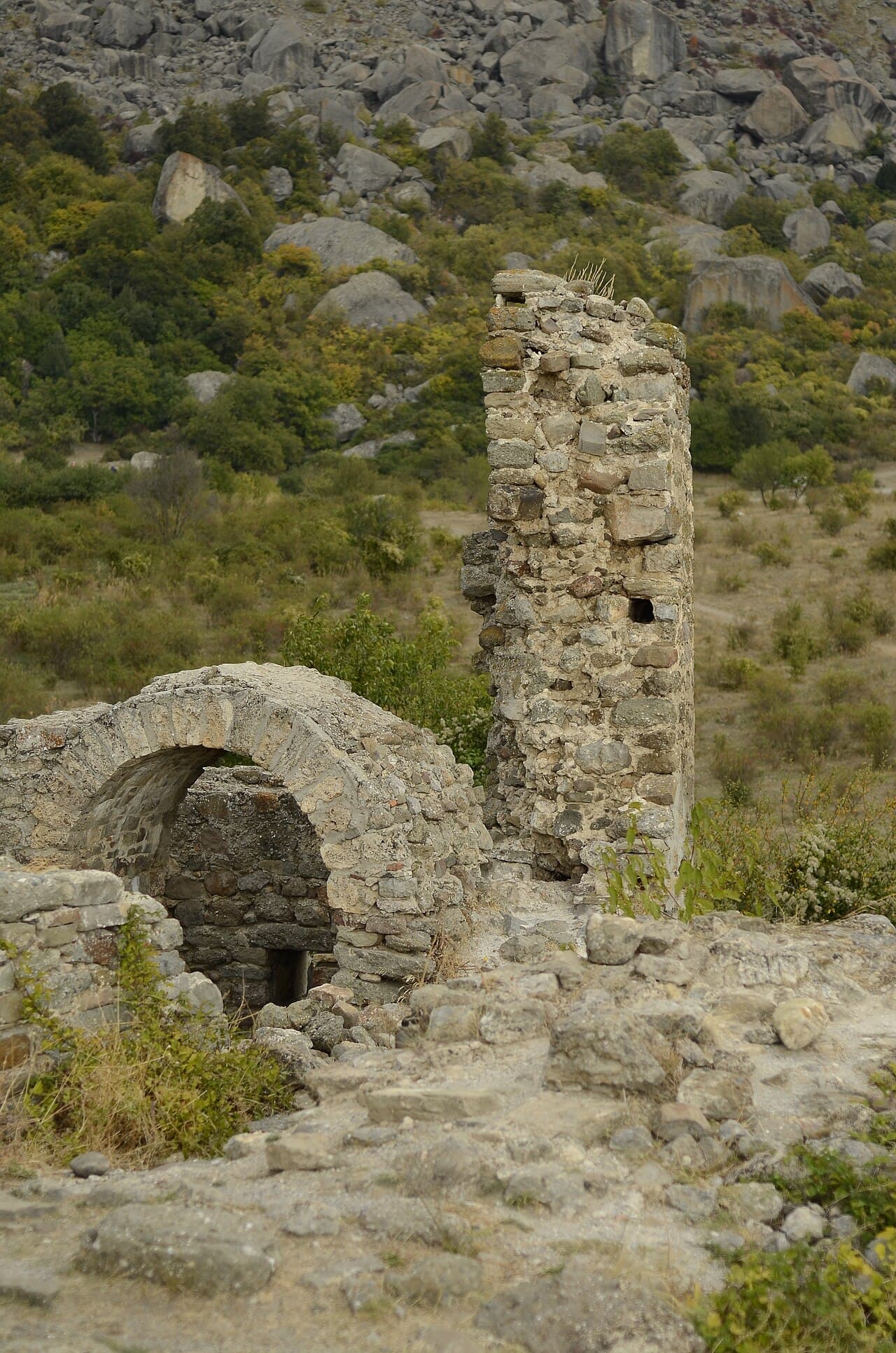
Funa Fortress — Ukraine castle

Funa Fortress

Funa fortress in Ukraine
Late Medieval (14th–15th c.)
Partially Preserved

Funa fortress is a 15th-century bastioned fortress located in Ukraine, representing a significant example of late medieval military architecture in the region. Constructed during a period of frequent conflicts and territorial disputes, the fortress was designed to withstand artillery attacks, reflecting the evolution of fortification techniques in the late medieval period.

Historical context and strategic importance

The fortress was built in the 15th century, a time when the geopolitical landscape of Eastern Europe was marked by the rise of powerful states and the threat of invasions. Situated in a strategic location, Funa fortress served as a military stronghold to protect the surrounding lands from incursions. Its construction coincided with the increasing use of gunpowder weapons, which necessitated new defensive designs capable of resisting cannon fire.

Architectural features and design

Funa fortress is classified as a bastioned fortress, a style that emerged in response to the development of artillery. This type of fortress features angular bastions projecting from the main walls, allowing defenders to cover adjacent walls with flanking fire, eliminating blind spots. The fortress walls are typically thick and sloped to better absorb and deflect cannonballs.

The layout of Funa fortress likely included a curtain wall connecting the bastions, a moat or ditch surrounding the perimeter, and a gatehouse fortified with defensive mechanisms such as portcullises and murder holes. Inside, the fortress would have contained barracks, armories, and storage facilities to support a garrison during sieges.

Bastions and defensive innovations

The bastions at Funa fortress are key to its defensive strength. Their angular design allowed defenders to fire along the faces of the walls, covering the approaches and preventing attackers from finding sheltered positions. This design was a significant advancement over earlier medieval castles with round towers, which had dead zones in their fields of fire.

Preservation and current condition

Today, Funa fortress stands as a partially preserved example of late medieval fortification. While some sections of the walls and bastions remain intact, others have suffered from the ravages of time and human activity. Efforts to maintain and restore parts of the fortress have aimed to preserve its historical and architectural significance for future generations.

Cultural and heritage significance

As a representative of late medieval bastioned fortresses in Ukraine, Funa fortress holds cultural and historical value. It offers insights into the military strategies and architectural responses to the advent of gunpowder weaponry in Eastern Europe. The fortress is a point of interest for historians, architects, and visitors interested in medieval military history and fortification design.

Visitor experience and accessibility

While detailed visitor information is limited, Funa fortress is accessible for those interested in exploring medieval fortifications. Visitors can observe the remaining bastions and walls, gaining an understanding of the fortress's defensive layout. The site provides a tangible connection to the region's turbulent history and the evolution of military architecture.

Frequently asked questions (FAQ)

What is the historical significance of Funa fortress?
Funa fortress is a 15th-century bastioned fortress that illustrates the adaptation of medieval fortifications to artillery warfare in Eastern Europe.
Can visitors explore the entire Funa fortress?
Visitors can explore the remaining bastions and walls, but some sections are in ruins or partially preserved, limiting full access.
When was Funa fortress built?
Funa fortress was constructed in the 15th century during the late medieval period.
What architectural style characterizes Funa fortress?
Funa fortress is characterized by the bastioned fortress style, designed to resist artillery attacks with angular bastions and thick walls.
Is Funa fortress open to the public year-round?
Specific visiting hours are not well documented, so visitors should check local sources before planning a visit.

Photo gallery

Funa Fortress
Click to view

Photo by Andrey Butko•CC BY-SA 3.0

1 photo • Click any image to view in full screen

Information

Bastioned Fortress

Loading map...

Visitor reviews

No reviews yet. Been here? Write the first review and help other travelers!

Write the first review

Visited this castle? Share your experience

Your review helps other travelers and adds first-hand knowledge to our encyclopedia.
Write a review

(5/5)

0/2000 characters

Your review will be visible after admin approval

Nearby castles

2 km
Demerdji Isar — Ukraine castle

Demerdji Isar

, Ukraine

Demerdji Isar is a historic hill castle located in the Crimean Peninsula, Ukraine. Dating back to the 13th century, it was constructed during the high medieval period as a strategic fortress to control the surrounding mountainous terrain. The castle's placement atop a hill provided a commanding vantage point over the region, which was essential for defense and surveillance against invading forces. Historical context and significance The castle was built in a time of frequent conflicts and shifting powers in the Crimean region. The high medieval era saw various local rulers and external powers vying for control over this key area, which served as a crossroads between Europe and Asia. Demerdji Isar played a role in the defense network that protected trade routes and local settlements from raids and invasions. Although detailed historical records about the castle are limited, archaeological studies indicate that it was part of a broader system of fortifications in the Crimean mountains. Its ruins today offer insights into the military architecture and regional history of medieval Crimea. Architectural features and layout Demerdji Isar is classified as a hill castle, meaning it was built on elevated terrain to maximize defensive advantages. The castle's remains include sections of thick defensive walls constructed from local stone, which once enclosed the main fortress area. These walls were designed to withstand sieges and attacks common in the medieval period. The castle likely featured a keep or central stronghold, which served as the last line of defense and the residence for the lord or commander. Surrounding the keep, there would have been courtyards and smaller buildings for storage, garrison quarters, and possibly a chapel. The strategic location on a hilltop also meant the castle had natural defenses such as steep slopes, which reduced the need for extensive outer fortifications. Access to the castle was probably controlled by a single gatehouse, fortified to prevent enemy entry. Current condition and preservation Today, Demerdji Isar stands as ruins, with only fragments of its original walls and structures visible. The site is an important archaeological and cultural heritage location, attracting visitors interested in medieval history and Crimean architecture. Efforts to preserve the ruins focus on stabilizing the remaining structures and preventing further decay caused by natural erosion and human activity. The site offers panoramic views of the surrounding landscape, enhancing its appeal for tourists and historians alike. Visiting Demerdji Isar The castle's location in the Crimean mountains makes it accessible primarily by hiking trails. Visitors should prepare for a moderate climb to reach the ruins, which are set amidst scenic natural surroundings. The site provides an opportunity to explore medieval architecture in a relatively untouched environment. While there are no formal visitor facilities on site, the castle's historical ambiance and the natural beauty of the area make it a rewarding destination for those interested in history, archaeology, and outdoor activities.

High Medieval (11th–13th c.)
Details
9 km
Aluston Fortress — Ukraine castle

Aluston Fortress

, Ukraine

The Aluston Fortress is a historically significant bastioned fortress located in the Crimean Peninsula, Ukraine. Constructed in the 6th century, it represents an important example of early medieval military architecture in the region. The fortress was strategically built to protect the surrounding territory and control key routes along the Black Sea coast. Historical context and significance The fortress was established during a period of frequent conflicts and shifting powers in the Black Sea region. It was part of a network of fortifications designed to defend against invasions by various nomadic tribes and rival states. The 6th century marked a time when the Byzantine Empire exerted influence over Crimea, and Aluston Fortress likely served as a military stronghold in this context. Its location allowed control over maritime and land routes, making it a crucial defensive position. The fortress played a role in regional defense strategies throughout the early medieval period, although detailed records of specific battles or sieges involving Aluston are limited. Architectural features and design Aluston Fortress is classified as a bastioned fortress, a type of fortification characterized by projecting bastions that allow defensive fire in multiple directions. This design was advanced for its time and indicates an understanding of evolving military tactics. The fortress's walls were constructed using local stone, with thick ramparts designed to withstand attacks. The bastions provided overlapping fields of fire, reducing blind spots and enhancing the defenders' ability to repel assaults. The layout likely included a central courtyard, residential quarters, storage facilities, and a chapel or place of worship, common features in fortresses of this period. Defensive structures The bastions themselves were angular projections from the main walls, allowing defenders to cover adjacent walls with crossfire. The walls were likely surrounded by a moat or ditch, adding another layer of defense. Gatehouses would have controlled access, possibly reinforced with towers or barbicans. Archaeological findings and preservation Excavations at the site have revealed remnants of the fortress walls and foundation structures, providing insight into construction techniques of the early medieval period in Crimea. Artifacts such as pottery shards, weapons, and coins have been uncovered, contributing to understanding the daily life and military activities of its inhabitants. The fortress today is in a state of ruins, reflecting centuries of exposure to natural elements and historical conflicts. Preservation efforts have been limited, but the site remains an important cultural and historical landmark in Crimea. Visitor information and cultural importance Although not as widely known as some other European castles, Aluston Fortress attracts visitors interested in early medieval history and military architecture. The site offers a glimpse into the strategic defensive systems of the Byzantine era in the Black Sea region. Visitors can explore the ruins and appreciate the fortress's layout and construction, gaining an understanding of the challenges faced by its defenders. The fortress also holds cultural significance for the local population, symbolizing historical resilience and regional heritage.

Early Medieval (5th–10th c.)
Details
24.7 km
Gurzuf Fortress — Ukraine castle

Gurzuf Fortress

, Ukraine

Gurzuf Fortress is a significant early medieval bastioned fortress situated on the southern coast of the Crimean Peninsula in Ukraine. Constructed in the 6th century, this fortress occupies a commanding position overlooking the Black Sea, which was crucial for controlling maritime routes and defending the coastline from invasions. Its strategic location near the modern settlement of Gurzuf allowed it to serve as a military stronghold and a protective barrier against seaborne threats. Historical context and significance The fortress was built during a period marked by frequent conflicts and territorial disputes in the Black Sea region. The 6th century was a time when the Byzantine Empire sought to secure its northern borders and maintain control over vital trade routes. Gurzuf Fortress was part of a network of fortifications designed to protect the empire's interests and to monitor movements along the coast. Throughout its history, the fortress witnessed various phases of occupation and reconstruction, reflecting the changing political and military dynamics of the region. It played a role in local defense against nomadic tribes, pirates, and later, during the medieval period, against invading forces seeking control over Crimea. Architectural features and design Gurzuf Fortress is classified as a bastioned fortress, a type of fortification characterized by projecting bastions that allowed defenders to cover adjacent walls with defensive fire, eliminating blind spots. Although the fortress dates back to the early medieval period, its bastion design indicates adaptations and enhancements over time to meet evolving military needs. The fortress walls were constructed using local stone, providing robust protection against siege weaponry. The layout typically included thick curtain walls, bastions at key points, and a fortified gatehouse to control access. The elevated position of the fortress on rocky terrain enhanced its defensive capabilities, making direct assaults difficult. Within the fortress, there would have been essential structures such as barracks, storage facilities, and possibly a chapel, although much of the internal architecture has not survived intact. The fortress's design reflects the military engineering principles of the period, combining natural topography with man-made defenses. Preservation and current condition Today, Gurzuf Fortress is considered partially preserved. While substantial sections of the walls and bastions remain visible, much of the internal structures have succumbed to time and natural decay. The fortress ruins offer valuable insights into early medieval military architecture and the strategic importance of Crimean coastal defenses. Conservation efforts have aimed at stabilizing the existing structures and making the site accessible to visitors interested in the region's history and heritage. The fortress is a notable archaeological site attracting both tourists and researchers. Visiting Gurzuf Fortress Visitors to Gurzuf Fortress can explore the remains of the bastioned walls and enjoy panoramic views of the Black Sea and surrounding landscape. The site provides an opportunity to appreciate early medieval fortification techniques and the historical significance of Crimea's coastal defenses. Access to the fortress is generally open to the public, although facilities and guided tours may vary. The best time to visit is during the warmer months when weather conditions are favorable for outdoor exploration.

Early Medieval (5th–10th c.)
Details