Old Chortkiv Castle
The Old Chortkiv Castle stands as a significant historical monument in the town of Chortkiv, Ukraine. Originally constructed as a hill castle to defend the settlement against military threats, it exemplifies the transitional nature of fortifications in Eastern Europe during the early modern period. The castle's strategic location on elevated terrain provided a vantage point for surveillance and defense, a common feature of hill castles designed to control surrounding areas.
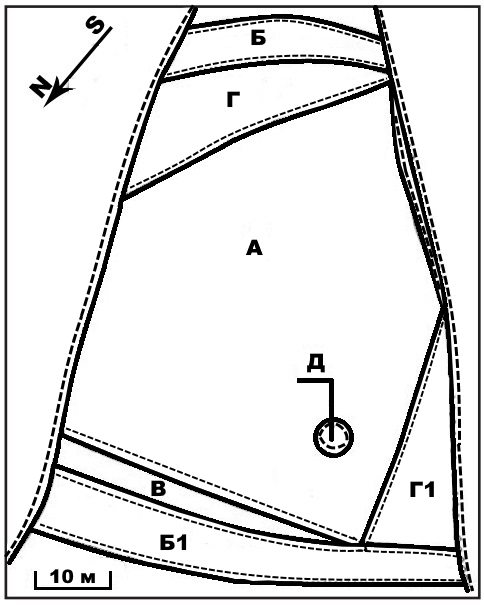
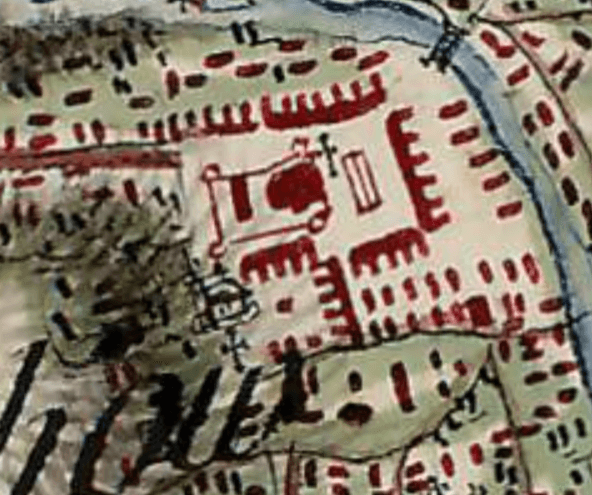
The earliest clear documentation of the castle appears on a detailed map from the early 17th century by the renowned French cartographer Guillaume de Beauplan. This map reveals the castle's layout as a square enclosure fortified by round towers, or rondells, at each corner. These towers were integral to the castle's defense system, allowing defenders to cover the walls with crossfire. However, the design reflected an earlier style of fortification that was increasingly vulnerable to the emerging artillery technology of the time.
Architectural design and defensive features
The castle's square plan with four corner rondells was typical of many Eastern European fortresses constructed in the late Renaissance and early Baroque periods. The walls and towers were built from stone, but the rounded towers had relatively thin walls. This structural characteristic made them susceptible to damage from the growing use of cannon fire, which became a dominant siege technology in the 17th century. The curved walls, while offering some deflection against projectiles, could not withstand prolonged bombardment, leading to rapid degradation of the towers' integrity.
By the early 1600s, the castle's defensive capabilities were clearly outdated. The vulnerability of its rondells was a critical weakness, and the fortress could no longer effectively protect the town against modern artillery assaults. This obsolescence was a common fate for many medieval and early modern fortifications across Europe as military technology advanced.
Historical context and transformations in the 17th and 18th centuries
Throughout the 17th and 18th centuries, the Old Chortkiv Castle witnessed numerous conflicts and military actions that further damaged its structures. Notably, the eastern tower suffered significant harm during these turbulent times and disappeared entirely by the mid-1700s. The castle's decline coincided with shifts in regional power dynamics and military architecture.
In the early 18th century, a major transformation occurred when the Dominican religious order established a church and monastery within the former castle grounds. This religious complex was surrounded by a new defensive wall, which was partially constructed using stones repurposed from a nearby castle built in 1625 in the village of Shmankivtsi. The dismantling of the Shmankivtsi castle and reuse of its materials reflect common practices of the period, where older fortifications were cannibalized for new constructions.
The Dominicans undertook an extensive building project during the 1720s and 1730s, erecting a Baroque-style church and monastery that effectively replaced the old fortress. Despite protests from conservationists in the Eastern Galicia region who sought to preserve the castle's remains, the religious construction proceeded, marking a shift from military to ecclesiastical use of the site.
Archaeological findings and current remains
Recent archaeological investigations, including a study commissioned by the Dominican Order in 2017, have provided valuable insights into the castle's original structure and its integration into the monastery complex. These studies confirmed that remnants of the castle's defensive walls are still incorporated around the Dominican buildings, preserving a tangible link to the site's military past.
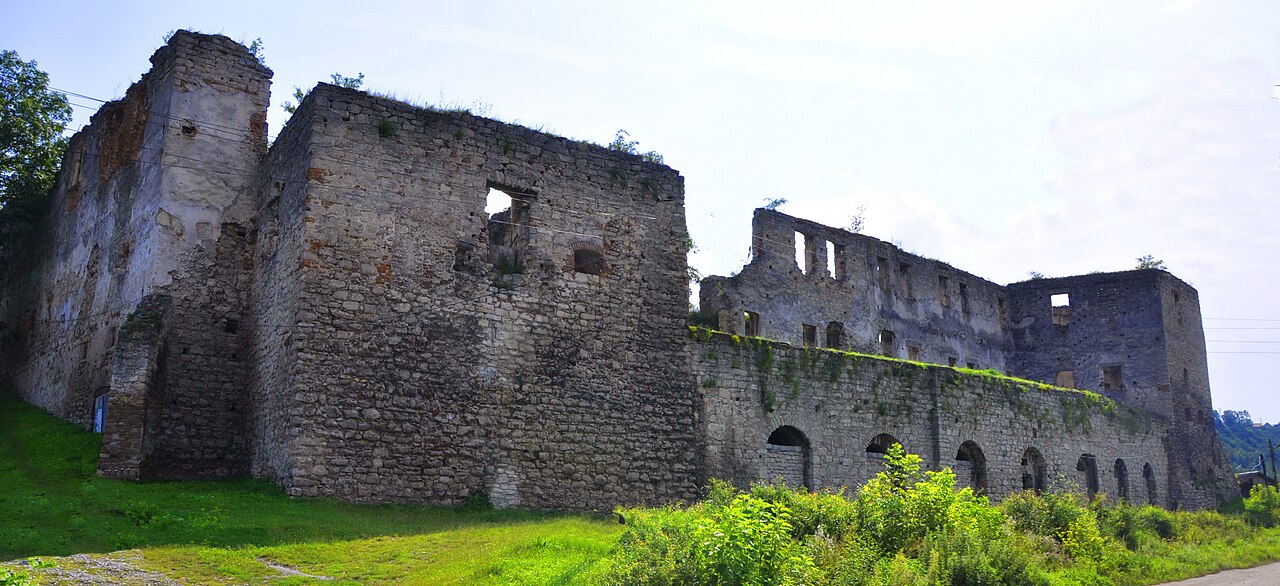
Today, fragments of the original stone defensive wall survive along the western side of the Dominican church complex, adjacent to Stepana Bandera Street. This surviving wall features a series of narrow vertical openings known as loopholes, spaced approximately every two meters. These loopholes were designed to allow defenders to fire weapons while remaining protected, a typical feature of military architecture aimed at maximizing defensive capabilities.
The wall's construction includes stones recycled from the dismantled 1625 Shmankivtsi castle, illustrating the practical reuse of building materials in the region's architectural history. Although much of the original fortress has not survived intact, these remnants serve as a testament to the castle's historical role and the evolution of defensive strategies.
Cultural and historical significance
The Old Chortkiv Castle is an important cultural landmark that reflects the complex history of military architecture in Ukraine. Its transition from a defensive fortress to a religious complex encapsulates broader historical trends in Eastern Europe, where changing political and military realities led to the repurposing of fortifications.
The castle's remains, integrated into the Dominican monastery, provide a unique example of how historical sites can evolve while preserving elements of their past. This fusion of military and religious architecture offers valuable insights into the region's heritage and the adaptive reuse of historical structures.
Visitors to Chortkiv can appreciate the layers of history embodied in the site, from its early 17th-century fortifications to its 18th-century Baroque religious buildings. The surviving walls and loopholes are tangible connections to the town's defensive past and the architectural ingenuity of earlier centuries.
Preservation and ongoing research
Ongoing archaeological research continues to uncover details about the castle's construction techniques, defensive features, and historical context. Preservation efforts focus on maintaining the surviving walls and integrating them respectfully within the Dominican complex to ensure that this heritage remains accessible for future generations.
The Old Chortkiv Castle remains a subject of interest for historians, architects, and visitors alike, symbolizing the enduring legacy of Ukraine's fortified heritage and the dynamic history of Eastern European fortifications.
Frequently asked questions (FAQ)
- What is the historical significance of Old Chortkiv Castle?
- Old Chortkiv Castle, built in the 16th century, served as a defensive fortress against various invasions and played a crucial role in the region's history. It reflects the architectural styles of its time and stands as a testament to the turbulent past of Chortkiv and its surroundings.
- When was Old Chortkiv Castle constructed?
- Old Chortkiv Castle was constructed in the late 16th century, with its foundation laid around 1580. The castle has undergone several renovations and restorations throughout the years, contributing to its historical and architectural significance.
- Can I visit Old Chortkiv Castle?
- Yes, Old Chortkiv Castle is open to visitors who wish to explore its rich history and stunning architecture. Guided tours are often available, providing insights into the castle's past and its role in the local culture.
- What are the opening hours for Old Chortkiv Castle?
- The opening hours for Old Chortkiv Castle may vary seasonally, but it generally opens from 10 AM to 6 PM. It is advisable to check ahead for any specific days when the castle may be closed or for special events.
- Is it possible to access Old Chortkiv Castle with mobility aids?
- While Old Chortkiv Castle has some paths that are accessible, the historic nature of the site means that certain areas may be challenging for those with mobility aids. It is recommended to contact the site in advance to inquire about accessibility options.
- What is the best time to visit Old Chortkiv Castle?
- The best time to visit Old Chortkiv Castle is during the spring and early autumn months when the weather is mild, and the surrounding landscape is particularly beautiful. Visiting during these times also allows you to avoid the peak tourist crowds.
- Are there any nearby attractions to visit along with Old Chortkiv Castle?
- Yes, visitors can explore several nearby attractions, including the picturesque town of Chortkiv itself, local parks, and other historical sites. These add to the experience of your visit and provide a fuller picture of the region's cultural heritage.
- What are the ticket prices for Old Chortkiv Castle?
- Ticket prices for Old Chortkiv Castle are generally quite affordable, with discounts often available for students and seniors. It's best to check the official website or contact the castle directly for the most current pricing information.
Photo gallery

Photo by Military survey Habsburg Empire.•Public domain
Information
Loading map...
Visitor reviews
No reviews yet. Been here? Write the first review and help other travelers!
Write the first reviewVisited this castle? Share your experience
Your review helps other travelers and adds first-hand knowledge to our encyclopedia.