Chortkiv Castle
Chortkiv Castle is a prominent Renaissance hill castle located in the city of Chortkiv, Ukraine. Constructed in the early 17th century, this fortress stands on the left bank of the Seret River in the Vyhnanka neighborhood, built on the site of earlier medieval wooden fortifications. The castle's history reflects the turbulent political and military struggles in the region, particularly during the 17th century, as well as its evolution from a defensive stronghold to a noble residence and later a site of charitable and military use.
Early origins and medieval foundations
The earliest fortifications at the site date back to the late 14th century, when Jerzy Czartkowski, the first recorded owner of Chortkiv, established wooden defensive structures. These early fortifications symbolized the influence of the Polish-Lithuanian Commonwealth in this borderland area. The town of Chortkiv itself was granted Magdeburg rights in 1522, which facilitated its urban development and administrative autonomy.
Renaissance transformation under the golski and potocki families
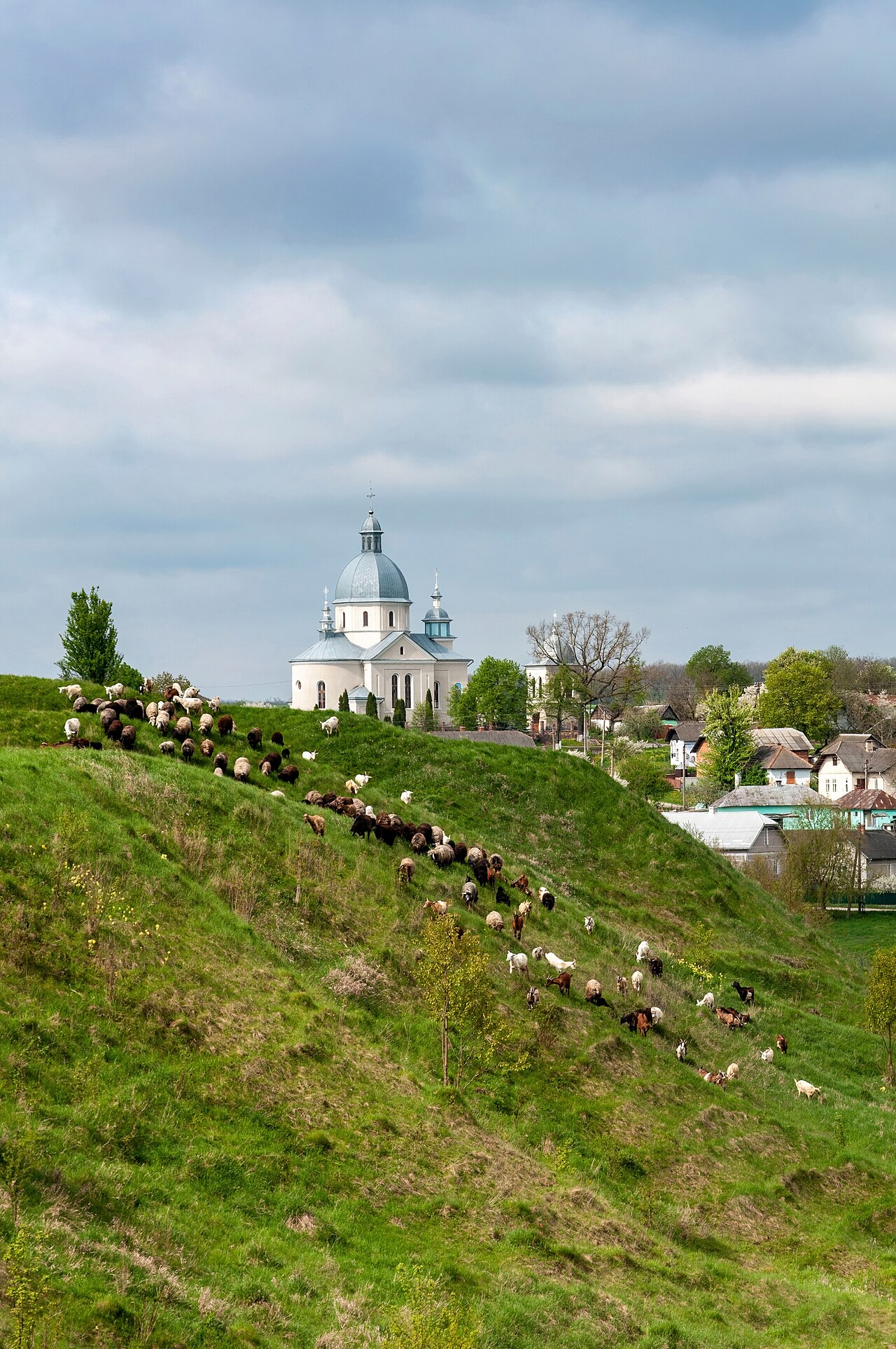
By the late 16th century, ownership of the castle passed to notable noble families who undertook significant architectural improvements. In 1597, Stanisław Golski acquired the property and replaced the original wooden fortifications with a robust stone fortress constructed from large sandstone blocks. The castle was strategically positioned on a hill overlooking the Seret River, giving it a commanding defensive advantage.
Starting in 1610, Golski initiated the construction of a Renaissance-style palace within the castle walls, featuring elegant arcaded galleries surrounding the courtyard. This palace was a three-story rectangular building approximately 65 meters long and 10 meters wide, connected at each end to corner towers. The arcades provided covered walkways and added to the aesthetic appeal and functional design of the residence. The palace interiors were once decorated with frescoes depicting secular themes, highlighting the castle's role as both a fortress and a noble residence.
Following Golski's death in 1612, ownership passed to his brother Jan and subsequently to Sophia Golska, who transferred it to Stefan Potocki, the voivode of Bratslav. The Potocki family retained control of the castle for approximately a century, overseeing its maintenance and military defense.
Military conflicts and sieges in the 17th century
Chortkiv Castle was a focal point during the Khmelnytsky Uprising (1648–1649), when it was repeatedly attacked and seized by Cossack forces under Maksym Kryvonis. The castle's defenders mounted a determined resistance, notably in 1655 when Pavel Potocki led a four-day defense against combined Russian and Cossack troops. Despite their efforts, the fortress was ultimately captured and the defenders taken prisoner.
Throughout the late 17th and mid-18th centuries, the castle faced numerous assaults from Tatar and Turkish forces. Between 1672 and 1683, during the period of Ottoman control over Podolia, Chortkiv Castle served as the residence of the sub-pasha, an Ottoman official. After the Ottoman retreat, Polish forces led by Andrzej Potocki reclaimed the fortress.
Architectural features and defensive elements
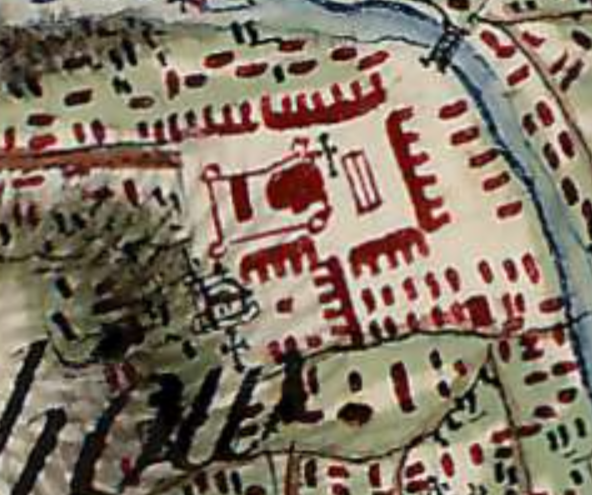
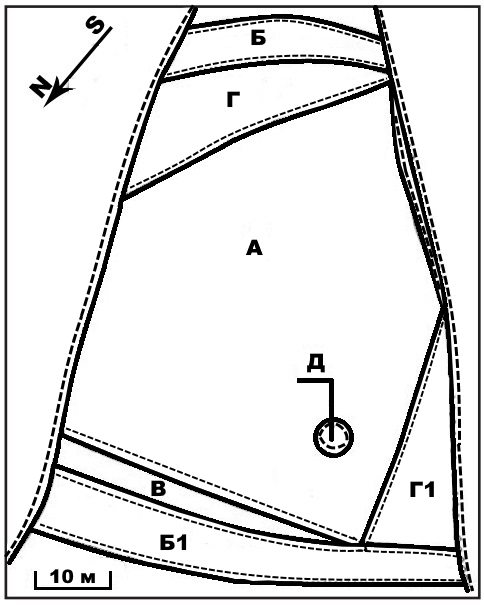
The castle occupies an irregular pentagonal area roughly 70 by 100 meters, enclosed by thick stone walls up to two meters wide and between six and twelve meters high. The main entrance is located in the northwest defensive wall. These fortifications were designed to withstand firearms and artillery typical of the early modern period.
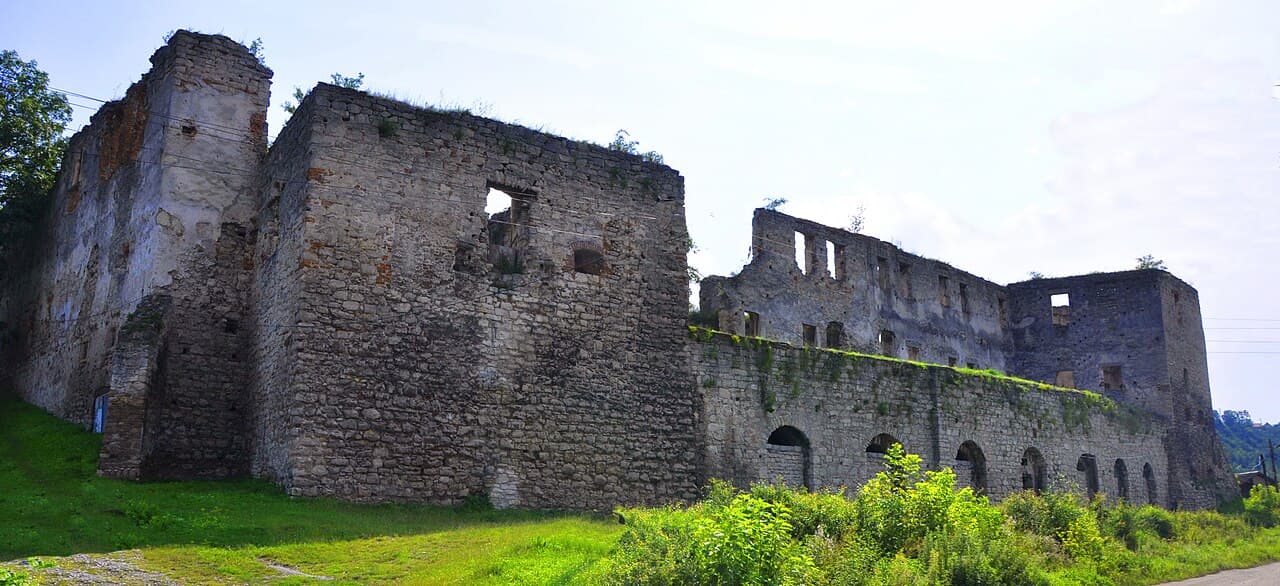
Originally, the castle featured three corner towers; today, two remain well preserved. The southwest tower is pentagonal with two levels and a basement, while the northwest tower is quadrangular with one level and a basement. Both towers were integrated into the palace as risalites in the early 18th century, connected by a terrace measuring 35 by 5 meters supported by vaulted basement rooms and featuring an arcade opening outward.
The Renaissance palace stretches along the western side of the courtyard, with arcaded galleries on two floors facing the courtyard. The palace's length and height emphasize its dual role as a residence and a defensive structure.
The castle walls are pierced by rows of embrasures—narrow slits allowing defenders to fire weapons while remaining protected. These embrasures were arranged to enable crossfire, providing comprehensive coverage of the surrounding area. A network of underground tunnels reportedly extends from the castle, possibly reaching several kilometers to nearby villages, although the full extent of these passages remains part of local legend.
Later history and conservation efforts
By the 18th century, the castle's military importance declined, and it was increasingly used as a noble residence. Ownership passed from the Potocki family to the Wróblewski and later the Sadowski families. Under Austrian rule in the 19th century, the fortress was adapted for military storage and served as a prison for Polish insurgents during uprisings against imperial authority.
In 1895, the last private owner, Hieronim Sadowski, donated the castle and its estate to charity. The Sisters of Mercy from Old Chortkiv took over administration, operating a shelter for the elderly and disabled and a school for children. By the early 20th century, only two of the original towers remained intact.
The Soviet era saw significant deterioration, with parts of the castle repurposed for industrial uses such as a gas station. Since 2010, Chortkiv Castle has been part of a regional national reserve focused on preservation. Restoration efforts in the 21st century include cleaning the walls, securing basement entrances, and plans under the 2020 "Great Restoration" presidential program to reconstruct palace walls, restore two towers, and cover roofs with historically accurate Spanish tiles.
Cultural significance and tourism
Today, Chortkiv Castle stands as a valuable cultural and historical monument reflecting the complex history of Podolia and the broader region. Its combination of military architecture and Renaissance residential design offers insight into the evolution of castle construction in Eastern Europe during the early modern period. The castle's preservation and ongoing restoration contribute to local heritage tourism and educational initiatives.
Visitors can explore the surviving towers, the palace courtyard with its arcaded galleries, and the thick defensive walls. The castle's location on a hill overlooking the Seret River provides scenic views and a tangible connection to the region's past conflicts and noble lineages.
Frequently asked questions (FAQ)
- What is the historical significance of Chortkiv Castle?
- Chortkiv Castle, built in the 16th century, is a remarkable example of Renaissance military architecture in Ukraine. It served as a defensive stronghold against invasions and has deep historical ties to the region's noble families, showcasing the rich cultural heritage of Chortkiv.
- When was Chortkiv Castle constructed?
- The construction of Chortkiv Castle began in the late 16th century and was completed in the early 17th century. It was strategically built to protect the area from external threats and has stood the test of time as a symbol of local history.
- Can I visit Chortkiv Castle?
- Yes, Chortkiv Castle is open to visitors. You can explore its historical grounds and learn about its significance in Ukrainian history, making it a great destination for history enthusiasts and tourists alike.
- What are the opening hours for Chortkiv Castle?
- Chortkiv Castle is typically open to visitors from 9 AM to 6 PM, but it's advisable to check local listings for any changes in hours or special events. Planning your visit during weekdays may provide a quieter experience.
- Is it possible to access Chortkiv Castle by public transportation?
- Yes, Chortkiv Castle is accessible by public transportation, with regular bus services connecting it to nearby cities. Once in Chortkiv, the castle is within walking distance from the bus station, making it convenient for visitors.
- What is the best time to visit Chortkiv Castle?
- The best time to visit Chortkiv Castle is during the spring and early autumn months when the weather is mild and pleasant. This allows for a more enjoyable exploration of the castle and its surrounding landscapes.
- Are there any nearby attractions to Chortkiv Castle?
- Yes, there are several nearby attractions, including the picturesque Chortkiv city center and the scenic landscapes of the surrounding region. Visitors can also explore other historical sites and enjoy local cuisine in nearby eateries.
- What are the ticket prices for Chortkiv Castle?
- Ticket prices for Chortkiv Castle are quite affordable, typically ranging from a few hryvnias for adults to discounts for children and students. It's best to confirm the prices at the entrance or on the official website prior to your visit.
- How do I get a guided tour of Chortkiv Castle?
- You can arrange for a guided tour of Chortkiv Castle by contacting local tour operators or inquiring at the castle's entrance. Guided tours provide deeper insights into the castle's history and architecture, enhancing your overall experience.
Photo gallery

Information
Loading map...
Visitor reviews
No reviews yet. Been here? Write the first review and help other travelers!
Write the first reviewVisited this castle? Share your experience
Your review helps other travelers and adds first-hand knowledge to our encyclopedia.