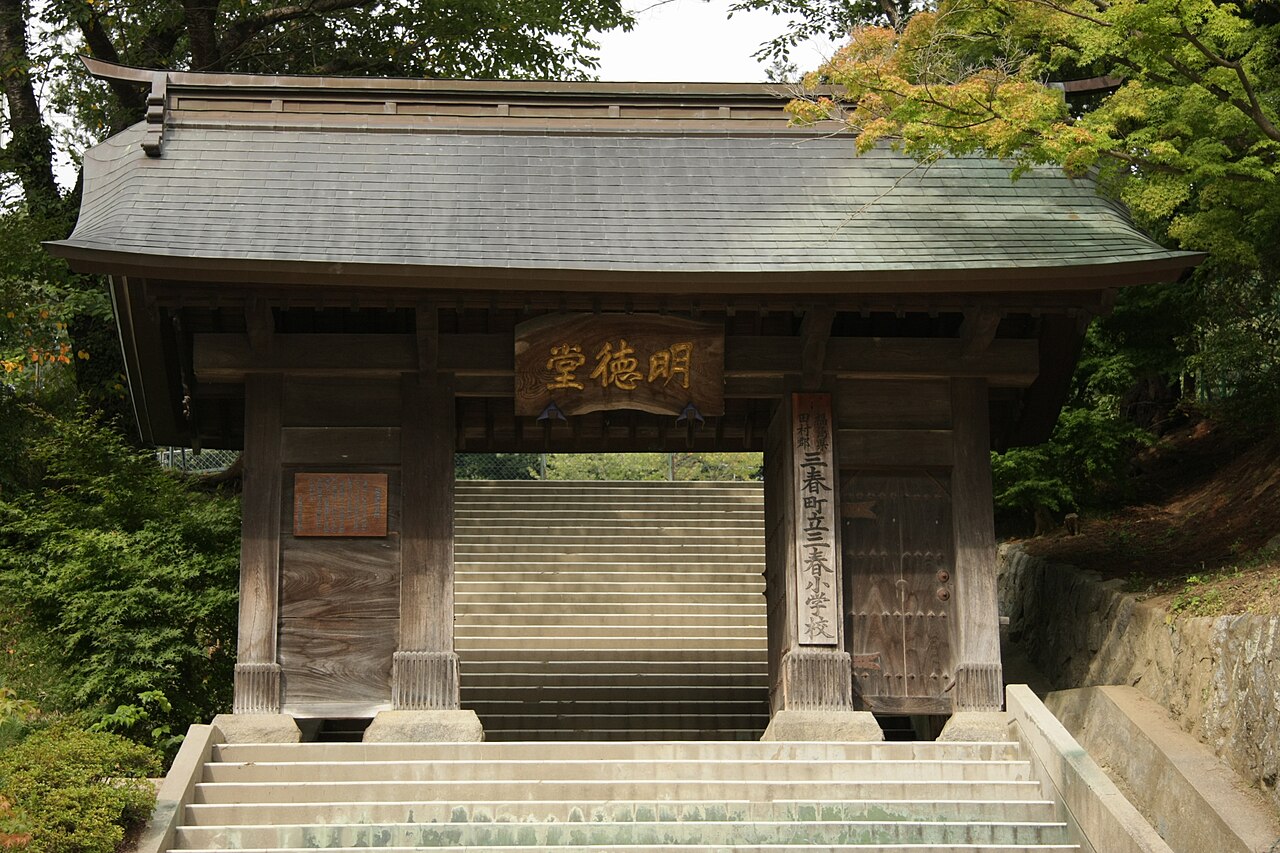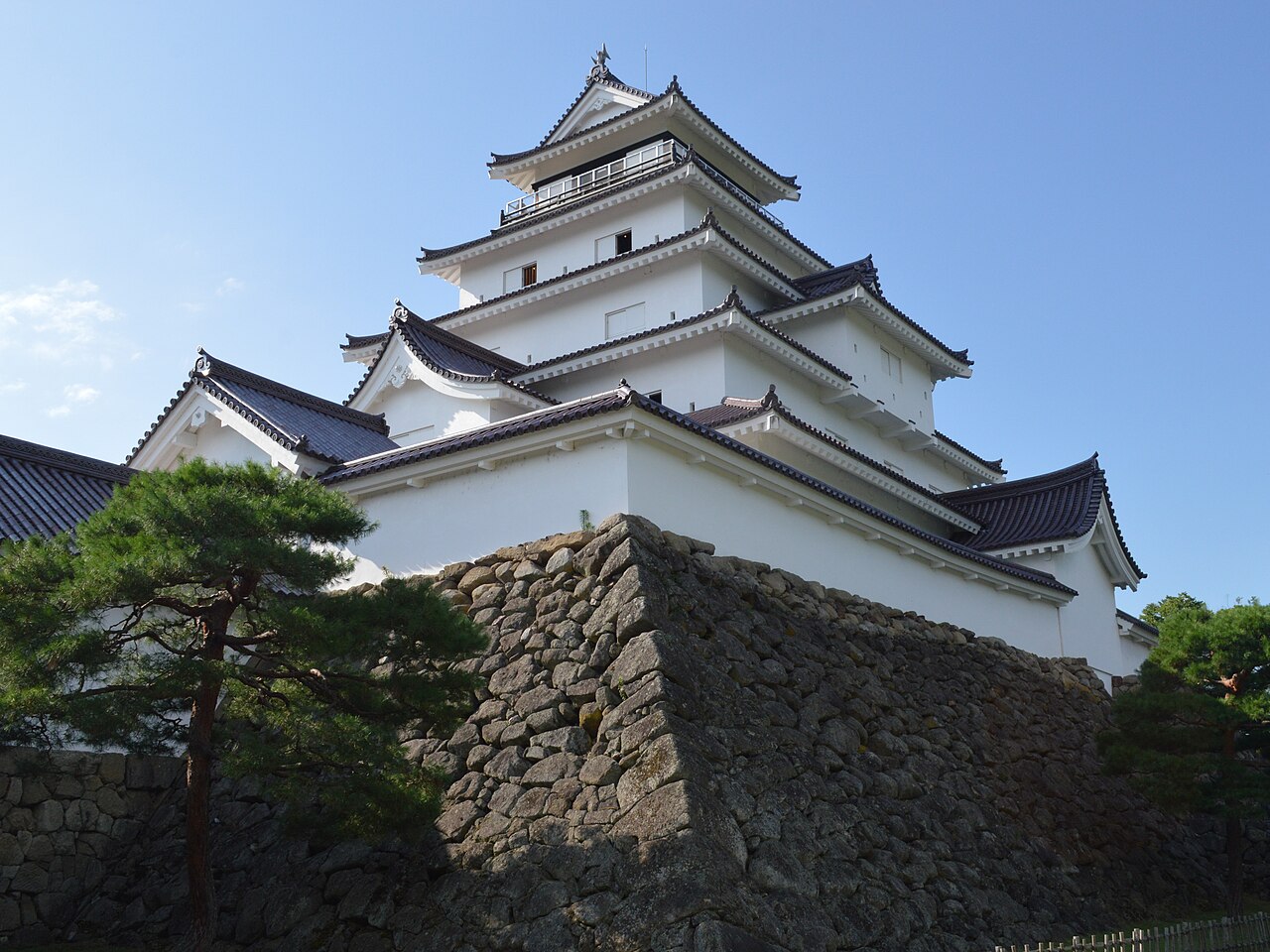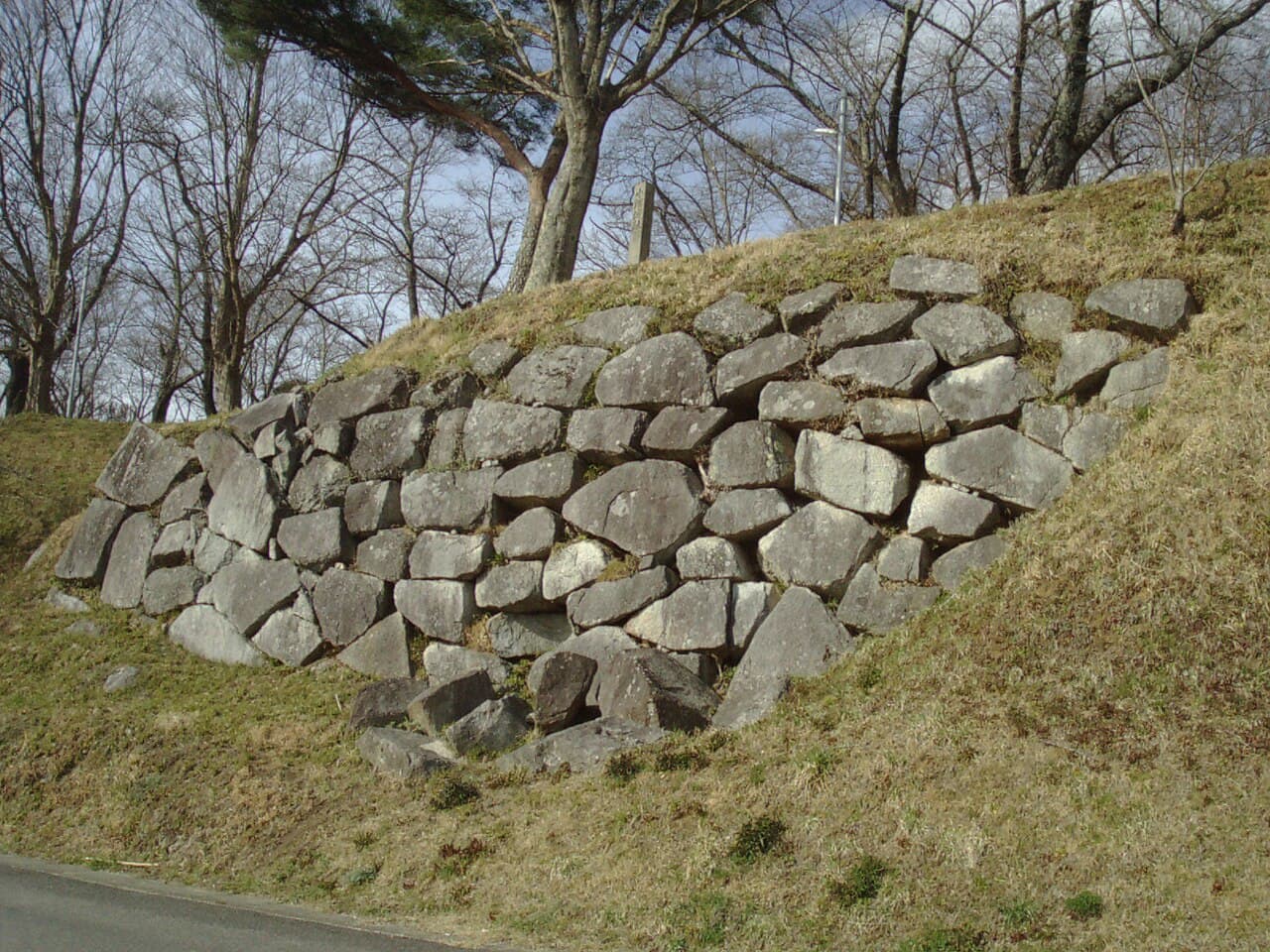
Obama Castle (Mutsu Province) — Japan castle

Obama Castle (Mutsu Province)

Obama Castle in Fukushima Prefecture, Japan
Nihonmatsu, Japan
Late Medieval (14th–15th c.)
Ruins

Obama Castle (小浜城, Obama-jō) is a historic hill castle located in the former Iwashiro region, now part of Nihonmatsu city in Fukushima Prefecture, Japan. This castle, primarily constructed during the Sengoku period, served as a strategic mountain fortress. Today, the site is recognized for the ruins of its inner tower, which remain preserved within a designated historical park, attracting visitors interested in Japan's feudal past.

Historical significance and association with Date Masamune

The castle is notably linked to Date Masamune, one of the most powerful and influential daimyo of the late Sengoku and early Edo periods. Masamune spent approximately one year at Obama Castle, a period significant for his early military and administrative career. His stay at the castle underscores its importance as a regional stronghold during a time of intense feudal conflict and consolidation.

Architectural features and layout

Obama Castle was built as a yamashiro, or mountain castle, utilizing natural terrain for defense. The castle's design incorporated steep slopes and wooded areas to hinder enemy advances. The inner tower, or tenshu, was the central keep, serving both as a residence and a last line of defense. Although mostly in ruins today, the foundations and stonework of the tenshu provide insight into the castle's original scale and construction techniques.

The castle grounds included multiple baileys (courtyards) arranged on different levels, connected by narrow pathways and defensive walls. These layers of defense were typical of hill castles, designed to maximize the natural advantages of the terrain. Remnants of moats and earthen ramparts can still be observed, illustrating the castle's comprehensive defensive system.

Historical context and regional role

During the Sengoku period, the region around Obama Castle was a contested area among various samurai clans. The castle's location in the mountainous terrain of Fukushima Prefecture made it a valuable military asset for controlling surrounding routes and protecting territories. Its role evolved as political power shifted, eventually becoming part of the broader domain under the Date clan's control.

Preservation and current status

Today, Obama Castle is classified as ruins, with only the stone foundations and some structural remains visible. The site has been developed into a historical park, allowing visitors to explore the castle's layout and appreciate its strategic positioning. Interpretive signage and preserved stonework help convey the castle's historical importance and architectural characteristics.

The park setting offers a tranquil environment where the natural landscape complements the historical ruins, providing a glimpse into Japan's feudal era mountain fortifications. While no reconstructed buildings stand, the site remains a valuable cultural heritage location for both locals and tourists.

Visiting information and accessibility

Obama Castle ruins are accessible to the public year-round, with no entrance fee, making it an attractive destination for history enthusiasts and hikers. The site is reachable from Nihonmatsu city center by local transportation or car. Visitors should be prepared for uneven terrain typical of mountain castle sites.

The historical park surrounding the ruins offers walking paths and scenic views of the surrounding Fukushima landscape, enhancing the visitor experience beyond the castle's remains.

Frequently asked questions (FAQ)

What is the historical significance of Obama Castle?
Obama Castle, located in Mutsu Province, was built in the late 16th century and served as a strategic military stronghold during the feudal period in Japan. It played a pivotal role in regional power struggles and has since become a symbol of the area's rich samurai heritage.
When was Obama Castle constructed?
Construction of Obama Castle began in 1584 under the orders of the powerful feudal lord, Ashina Naomori. The castle underwent several renovations and expansions over the years, reflecting the architectural styles and military needs of its time.
What are the opening hours of Obama Castle?
Obama Castle is open to visitors from 9:00 AM to 5:00 PM daily, allowing ample time for exploration and enjoyment of the site. However, it is recommended to check for any seasonal changes in hours or special closures before planning your visit.
Is it possible to access Obama Castle by public transportation?
Yes, Obama Castle is accessible via public transportation, including local buses that connect to Nihonmatsu Station. Visitors can enjoy scenic views during their journey while learning more about the area’s historical context.
Can I take guided tours of Obama Castle?
Guided tours are available for visitors who wish to delve deeper into the history and architecture of Obama Castle. These tours often include knowledgeable guides who share fascinating insights and stories from the castle's past.
What is the best time to visit Obama Castle?
The best time to visit Obama Castle is during the spring and autumn months when the weather is mild, and the surrounding scenery is particularly beautiful. Cherry blossoms in spring and colorful foliage in autumn provide stunning backdrops for photography.
Are there any nearby attractions to visit after touring Obama Castle?
Yes, nearby attractions include the historic Nihonmatsu City and the scenic Mount Adatara. These sites offer additional opportunities for cultural exploration and outdoor activities, making them excellent companions to your visit to Obama Castle.
What are the ticket prices for entering Obama Castle?
Admission to Obama Castle is reasonably priced, typically around 500 yen for adults and discounted rates for children and seniors. This fee helps maintain the castle and supports its preservation for future generations.
How do I get the most out of my visit to Obama Castle?
To make the most of your visit, consider joining a guided tour, which provides valuable context and stories about the castle's history. Additionally, allocate time to explore the surrounding gardens and enjoy the views from the castle grounds.

Photo gallery

Obama Castle (Mutsu Province)
Click to view

Photo by ddsg•Public domain

1 photo • Click any image to view in full screen

Information

Hill Castle

Loading map...

Visitor reviews

No reviews yet. Been here? Write the first review and help other travelers!

Write the first review

Visited this castle? Share your experience

Your review helps other travelers and adds first-hand knowledge to our encyclopedia.
Write a review

(5/5)

0/2000 characters

Your review will be visible after admin approval

Nearby castles

9 km
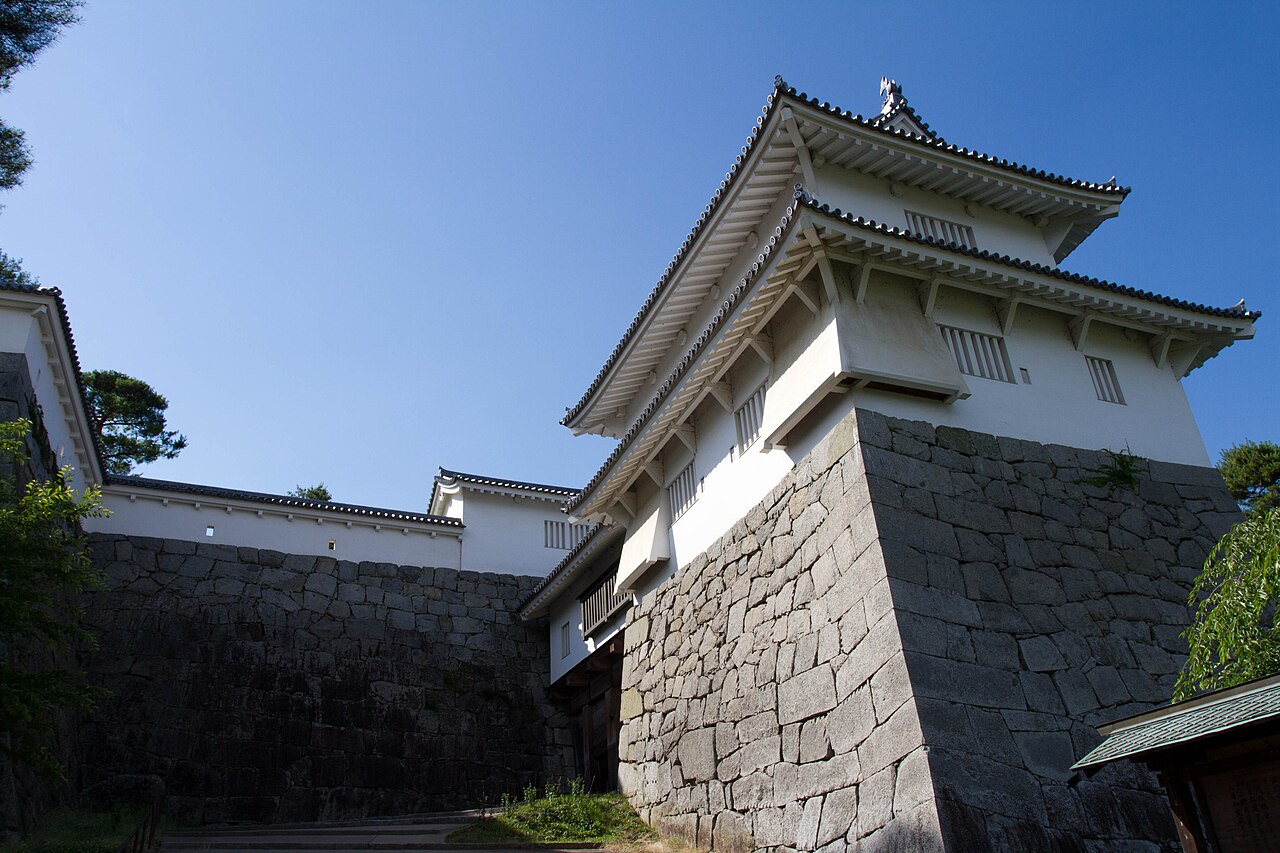
Nihonmatsu Castle — Japan castle

Nihonmatsu Castle

Nihonmatsu, Japan

Nihonmatsu Castle, also known as Kasumiga-jo, is a historically significant hill castle located in Nihonmatsu city, Fukushima Prefecture, Japan. It stands as a remarkable testament to the turbulent Late Medieval period in Japanese history, specifically during the Muromachi period (1333-1573). The castle complex uniquely comprises the ruins of two distinct castles built on the same hill but at different times and by different ruling clans. The original castle was constructed between 1394 and 1427 by the Hatakeyama clan, a powerful samurai family during the Muromachi era. This early fortress occupied the summit of the hill, commanding a strategic vantage point over the surrounding landscape. The castle's honmaru (main bailey) was fortified with robust stone walls that still partially survive today. The elevated position provided natural defense advantages, typical of hill castles (yamajiro) in Japan, allowing defenders to monitor approaching enemies and control the nearby routes. The original castle and its dramatic history The original Hatakeyama-built castle played a pivotal role in the regional conflicts of the late 16th century. In 1585, Hatakeyama Yoshitsugu captured Date Terumune, the father of the famous warlord Date Masamune. This event triggered a violent confrontation when Masamune, who was hunting nearby, quickly pursued Yoshitsugu’s party to the Abukuma River. The ensuing clash resulted in the death of Terumune and the entire party, marking a significant moment in the castle's history. Following this, a coalition of samurai from Hitachi Province (modern-day Ibaraki Prefecture), including warriors from the Satake, Ashina, Iwaki, and Ishikawa clans, attempted to seize Nihonmatsu Castle. They engaged Date forces near present-day Motomiya in the battle of Hitotoribashi. The battle ended in a stalemate, leaving Kasumiga-jo independent from either faction's control. In April 1586, Date Masamune's forces laid siege to Kasumiga-jo once again. By July, the son of Hatakeyama Yoshitsugu set fire to the castle and fled to Aizu, leading to the castle's abandonment and the end of its original incarnation. The second castle and its legacy After the destruction of the original castle, a new fortress was constructed at the base of the hill by the Niwa clan. This second castle served as the main seat of power in Nihonmatsu for several centuries. The Niwa clan controlled the castle from 1643 until the Meiji Restoration in the late 19th century, overseeing a period of relative peace and administrative governance rather than military conflict. The castle's architecture evolved during this time, reflecting the changing needs from a purely defensive stronghold to a residence and administrative center. Although much of the original structures have not survived intact, remnants of stone walls and gates remain, providing insight into the castle's layout and construction techniques. Architectural features and site layout The castle complex is characterized by its honmaru at the summit, surrounded by stone fortifications typical of the period. Visitors today can hike to the top of the hill to explore the ruins and appreciate the commanding views of the surrounding Fukushima landscape. The reconstructed Minowa Gate near the base serves as an entrance point and a reminder of the castle's historical significance. The castle grounds include remnants of defensive walls, moats, and baileys that illustrate the strategic design employed by the Hatakeyama and later the Niwa clans. The use of natural topography combined with man-made fortifications exemplifies classic yamajiro defensive architecture. Modern cultural significance and visitor experience Today, Nihonmatsu Castle is a cherished cultural heritage site attracting visitors interested in Japanese history and castle architecture. The castle ruins are partially preserved, allowing for exploration and educational opportunities. The site is particularly famous for its Chrysanthemum Festival, held annually from October to November, which showcases elaborate floral displays and traditional celebrations, enhancing the cultural experience for visitors. The hiking trail to the honmaru and stone walls is a popular activity, offering both historical insight and scenic beauty. The panoramic views from the hilltop provide a unique perspective on the castle's strategic location and the surrounding region. Access and visitor information Visitors can reach the castle ruins by a short hike from the reconstructed Minowa Gate. The site is accessible year-round, with the autumn months being the most popular due to the Chrysanthemum Festival. While the castle is not fully restored, the partially preserved ruins and interpretive signage help visitors understand the site's historical context and architectural features. Overall, Nihonmatsu Castle offers a compelling glimpse into Japan's feudal past, combining natural beauty with rich historical narratives and architectural heritage.

Late Medieval (14th–15th c.)
Details
11.7 km
Miharu Castle — Japan castle

Miharu Castle

Miharu, Japan

Miharu Castle (三春城, Miharu-jō), also known as Maizuru Castle (舞鶴城), is a significant example of a hilltop castle in Japan, located in the town of Miharu, Tamura District, Fukushima Prefecture, within the southern Tōhoku region. Constructed in 1543 during the Sengoku period, the castle reflects the turbulent era of warring states in Japan's history. It was strategically built on a hill to provide natural defense advantages, a common feature of Japanese castles designed for military and administrative purposes.Historical context and significanceThe castle was originally established by the local warlords to secure control over the region amid frequent conflicts. During the Sengoku period, Miharu Castle served as a stronghold for various daimyō, regional feudal lords who controlled the Miharu Domain under the later Edo period Tokugawa shogunate. Its role shifted from a military fortress to an administrative center as the Tokugawa regime stabilized Japan.Role in the Edo periodUnder the Tokugawa shogunate, Miharu Castle was the seat of the Miharu Domain's daimyō. The castle's defenses were maintained, but its function became more focused on governance and residence rather than active warfare. The castle grounds and buildings were adapted to suit the peaceful Edo period's needs, including the addition of gardens and administrative buildings.Architectural features and layoutMiharu Castle exemplifies traditional Japanese castle architecture of the mid-16th century. It features a complex arrangement of earthen ramparts, stone walls, and moats that utilize the natural topography of the hill. The castle's design includes multiple baileys (courtyards) protected by defensive walls and gates, which are characteristic of Japanese hilltop castles.Defensive structuresThe castle's fortifications were designed to maximize defense against siege warfare common during the Sengoku period. The use of steep slopes and layered defenses such as watchtowers and stone walls provided strong protection. Although the original tenshu (main keep) no longer survives, remnants of the castle's defensive structures remain visible.Current condition and park statusToday, Miharu Castle is maintained as a public park by the Japanese government. The site is well known for its spectacular sakura (cherry blossoms) in spring, attracting many visitors. While much of the original castle buildings have not survived, the park preserves the castle's earthworks and stone foundations, offering insight into its historical layout and architectural style.Visiting Miharu CastleThe castle grounds are open to the public year-round, with no admission fee, making it a popular destination for both history enthusiasts and tourists seeking natural beauty. The park's cherry blossoms create a vibrant seasonal attraction, complemented by walking paths that trace the castle's former defensive perimeter.Nearby attractionsVisitors to Miharu Castle can also explore the surrounding town of Miharu, which offers traditional Japanese cultural experiences and local cuisine. The castle's location in Fukushima Prefecture places it within reach of other historical sites and natural landmarks in the Tōhoku region.

Renaissance (15th–17th c.)
Details
51.2 km
Aizu Wakamatsu Castle — Japan castle

Aizu Wakamatsu Castle

Aizu Wakamatsu, Japan

Aizu Wakamatsu Castle, also known as Tsuruga-jo, stands as a monumental example of Japanese hill castle architecture and history in the Tohoku region. Originally constructed in 1384 by Ashina Naomori under the name Kurokawa-jo, it has witnessed significant military and political events spanning several centuries. This late medieval fortress was strategically designed to serve as a bastion of power and defense in northeastern Japan, reflecting the architectural and feudal complexities of the period. Historical development and significance The castle's earliest incarnation as Kurokawa-jo marked it as a key stronghold for the Ashina clan during the turbulent Sengoku period. In 1589, the castle fell to the forces of Date Masamune, a prominent daimyo known for his military prowess and political acumen. This conquest was a pivotal moment, as the castle transitioned into the hands of one of Japan's most influential warlords. Following Date Masamune's control, the castle was absorbed into the holdings of Toyotomi Hideyoshi in 1590, marking its integration into the broader unification efforts of Japan. Under Hideyoshi's governance, the castle was entrusted to Gamo Ujisato, who undertook significant renovations and renamed it Tsuruga-jo. The castle's design during this period was notably influenced by the architectural style of Osaka Castle, reflecting the era's emphasis on imposing, multi-layered fortifications. Architectural features and layout Tsuruga-jo is renowned for its robust stone walls and extensive moats, which served both defensive and aesthetic purposes. The castle's layout follows a complex pattern of baileys and gates, designed to thwart enemy advances and provide strategic vantage points. The main keep, reconstructed by Gamo Ujisato, exemplifies the late medieval Japanese castle architecture with its multi-storied structure and defensive design elements. The castle's roofing tiles, originally gray, were historically accurate to have been reddish, a detail restored during renovations in 2010-2011. This restoration aimed to preserve the castle's authentic appearance and enhance its cultural heritage value. Role during the tokugawa shogunate and the matsudaira clan After the establishment of the Tokugawa Shogunate, Tsuruga-jo came under the governance of the Matsudaira clan, a branch of the Tokugawa family. The Matsudaira were classified as "inner lords," tasked with overseeing daimyo who were not originally allied with the Tokugawa. This role positioned the castle as a crucial administrative and military hub, providing a buffer zone and maintaining regional stability. The Matsudaira ruled from Tsuruga-jo until the Meiji Restoration, during which the castle played a significant role in the Boshin War. The castle's defense during this conflict is historically notable, especially the tragic story of the Byakkotai, a group of young samurai who became emblematic of loyalty and sacrifice. Cultural legacy and modern preservation Tsuruga-jo remains a symbol of samurai valor and feudal Japan's architectural ingenuity. Its extensive grounds, including the well-preserved moats and stone walls, invite visitors to explore the castle's historical landscape. Walking the castle grounds offers a tangible connection to Japan's medieval past and the complex feudal dynamics that shaped the region. The castle's partial restoration has been carefully managed to maintain its historical integrity while accommodating modern tourism. The replacement of the roofing tiles to their original reddish hue enhances the visual authenticity and enriches the visitor experience. Tsuruga-jo is not only a historical monument but also a cultural asset that educates and inspires contemporary audiences about Japan's rich heritage. Visitor experience and recommendations Visitors to Aizu Wakamatsu Castle are encouraged to take time to explore the castle's extensive moats and stone walls, which are among the finest in Japan. The castle grounds provide scenic views and a deep sense of historical atmosphere. Guided tours and informational displays help contextualize the castle's significance and the stories of its inhabitants. Seasonal events and festivals often take place on the grounds, celebrating the castle's legacy and the region's cultural traditions. The castle's location in Aizu Wakamatsu city makes it accessible for travelers interested in Japanese history and architecture.

Late Medieval (14th–15th c.)
Details