Aizu Wakamatsu Castle
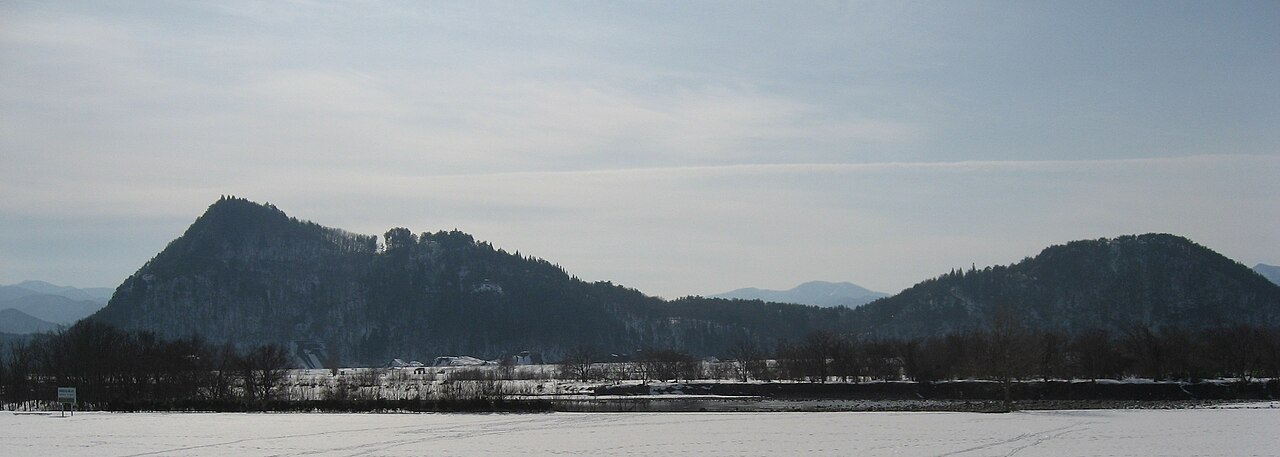
Aizu Wakamatsu Castle, also known as Tsuruga-jo, stands as a monumental example of Japanese hill castle architecture and history in the Tohoku region. Originally constructed in 1384 by Ashina Naomori under the name Kurokawa-jo, it has witnessed significant military and political events spanning several centuries. This late medieval fortress was strategically designed to serve as a bastion of power and defense in northeastern Japan, reflecting the architectural and feudal complexities of the period.
Historical development and significance
The castle's earliest incarnation as Kurokawa-jo marked it as a key stronghold for the Ashina clan during the turbulent Sengoku period. In 1589, the castle fell to the forces of Date Masamune, a prominent daimyo known for his military prowess and political acumen. This conquest was a pivotal moment, as the castle transitioned into the hands of one of Japan's most influential warlords.
Following Date Masamune's control, the castle was absorbed into the holdings of Toyotomi Hideyoshi in 1590, marking its integration into the broader unification efforts of Japan. Under Hideyoshi's governance, the castle was entrusted to Gamo Ujisato, who undertook significant renovations and renamed it Tsuruga-jo. The castle's design during this period was notably influenced by the architectural style of Osaka Castle, reflecting the era's emphasis on imposing, multi-layered fortifications.
Architectural features and layout
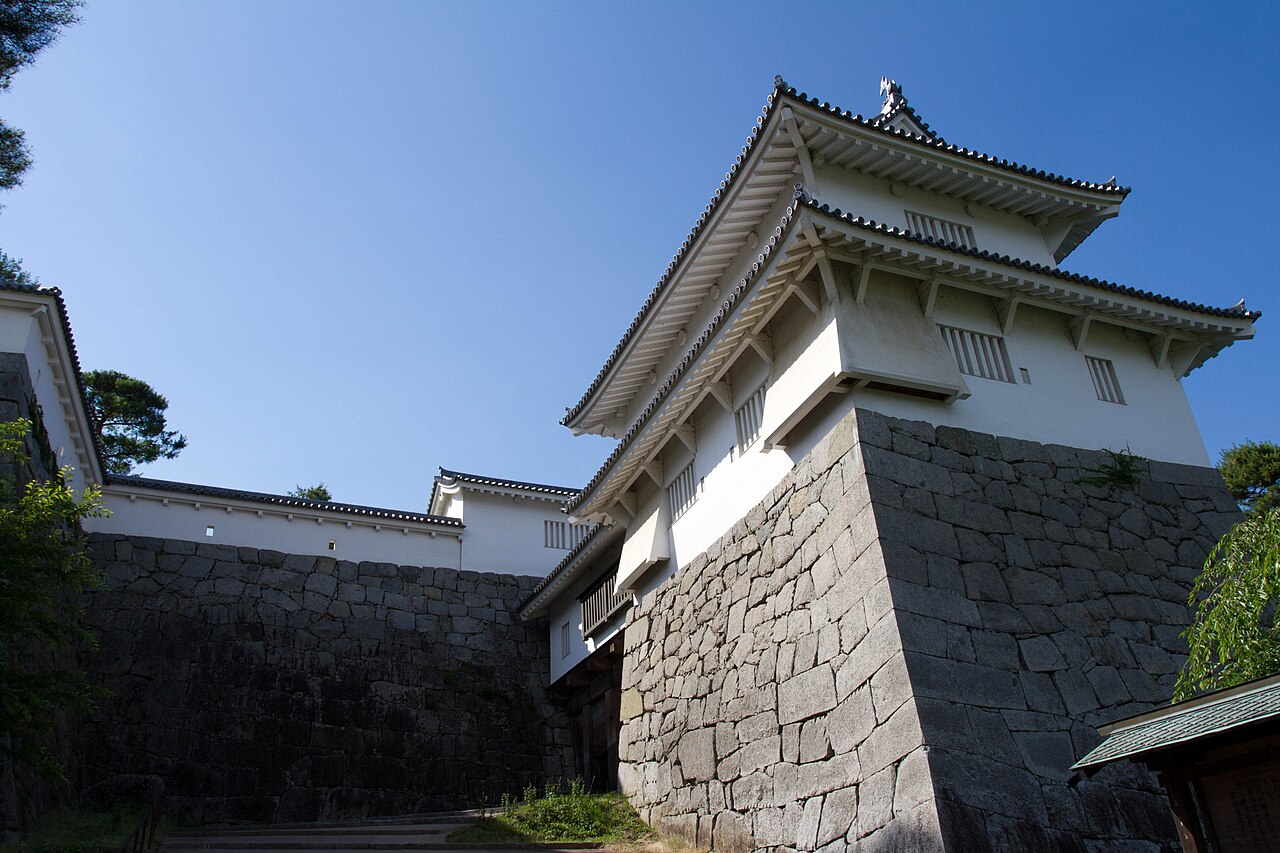
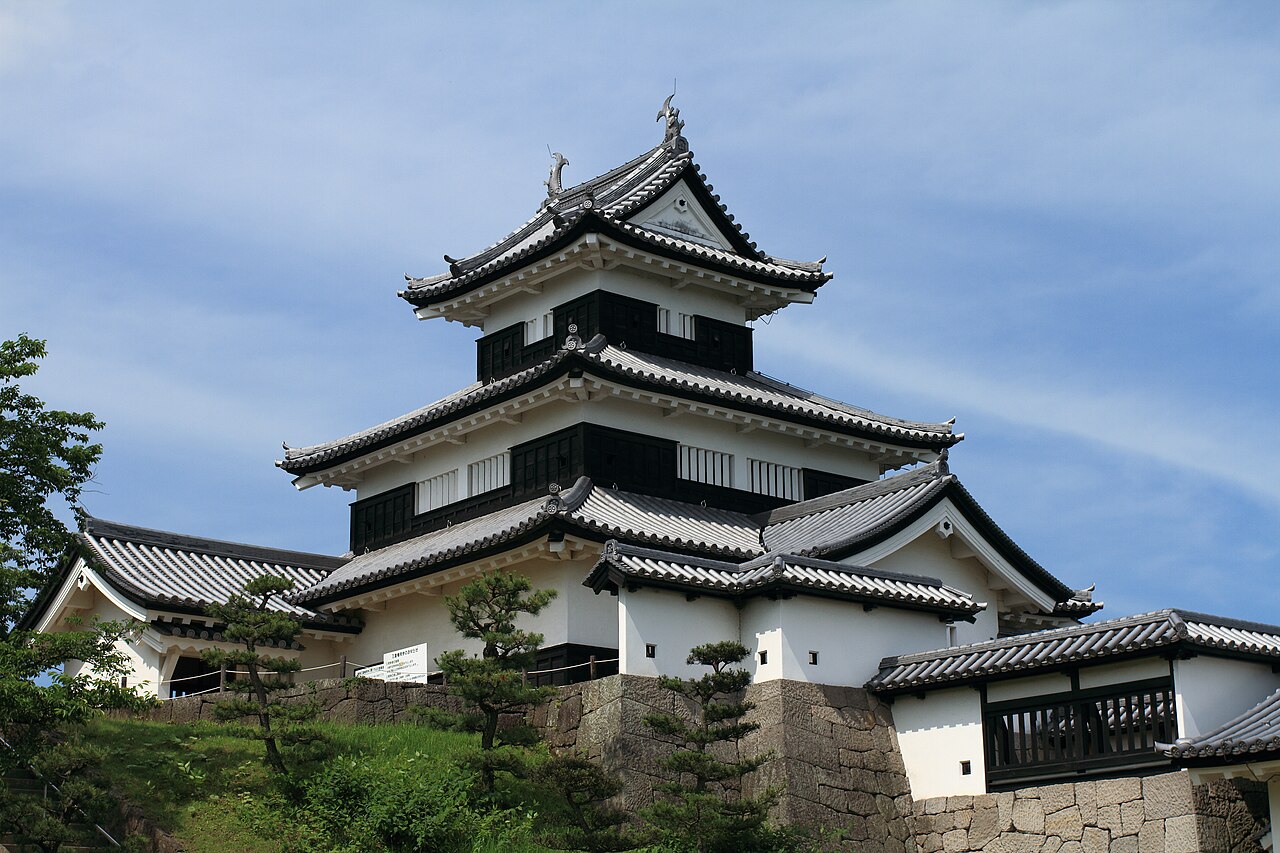
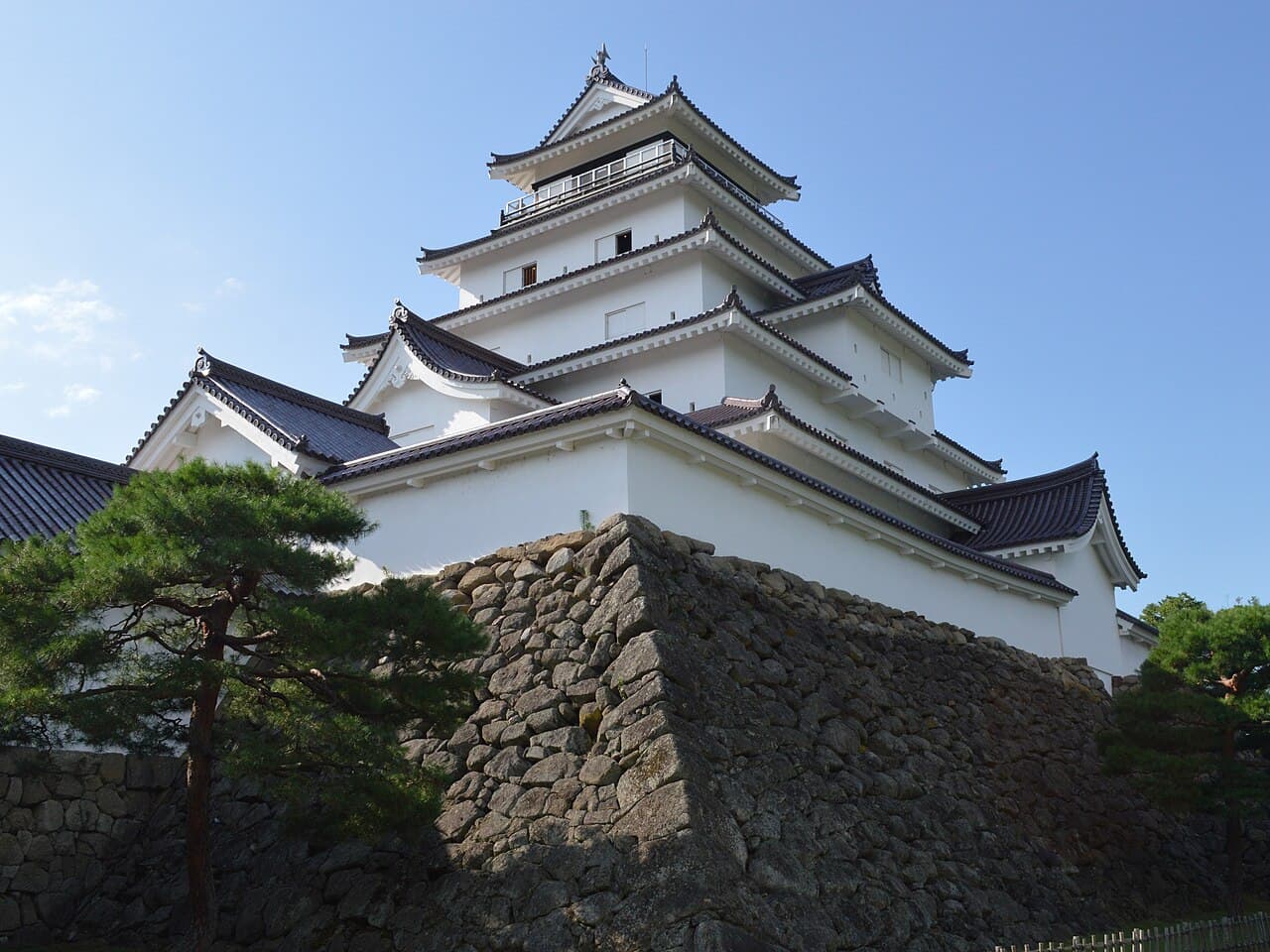
Tsuruga-jo is renowned for its robust stone walls and extensive moats, which served both defensive and aesthetic purposes. The castle's layout follows a complex pattern of baileys and gates, designed to thwart enemy advances and provide strategic vantage points. The main keep, reconstructed by Gamo Ujisato, exemplifies the late medieval Japanese castle architecture with its multi-storied structure and defensive design elements.
The castle's roofing tiles, originally gray, were historically accurate to have been reddish, a detail restored during renovations in 2010-2011. This restoration aimed to preserve the castle's authentic appearance and enhance its cultural heritage value.
Role during the tokugawa shogunate and the matsudaira clan
After the establishment of the Tokugawa Shogunate, Tsuruga-jo came under the governance of the Matsudaira clan, a branch of the Tokugawa family. The Matsudaira were classified as "inner lords," tasked with overseeing daimyo who were not originally allied with the Tokugawa. This role positioned the castle as a crucial administrative and military hub, providing a buffer zone and maintaining regional stability.
The Matsudaira ruled from Tsuruga-jo until the Meiji Restoration, during which the castle played a significant role in the Boshin War. The castle's defense during this conflict is historically notable, especially the tragic story of the Byakkotai, a group of young samurai who became emblematic of loyalty and sacrifice.
Cultural legacy and modern preservation
Tsuruga-jo remains a symbol of samurai valor and feudal Japan's architectural ingenuity. Its extensive grounds, including the well-preserved moats and stone walls, invite visitors to explore the castle's historical landscape. Walking the castle grounds offers a tangible connection to Japan's medieval past and the complex feudal dynamics that shaped the region.
The castle's partial restoration has been carefully managed to maintain its historical integrity while accommodating modern tourism. The replacement of the roofing tiles to their original reddish hue enhances the visual authenticity and enriches the visitor experience. Tsuruga-jo is not only a historical monument but also a cultural asset that educates and inspires contemporary audiences about Japan's rich heritage.
Visitor experience and recommendations
Visitors to Aizu Wakamatsu Castle are encouraged to take time to explore the castle's extensive moats and stone walls, which are among the finest in Japan. The castle grounds provide scenic views and a deep sense of historical atmosphere. Guided tours and informational displays help contextualize the castle's significance and the stories of its inhabitants.
Seasonal events and festivals often take place on the grounds, celebrating the castle's legacy and the region's cultural traditions. The castle's location in Aizu Wakamatsu city makes it accessible for travelers interested in Japanese history and architecture.
Frequently asked questions (FAQ)
- What is the historical significance of Aizu Wakamatsu Castle?
- Aizu Wakamatsu Castle, also known as Tsuruga-jo, played a crucial role in Japan's Sengoku and Edo periods, serving as a military stronghold and administrative center for powerful clans such as the Ashina, Date, and Matsudaira.
- Can I visit the castle grounds and explore the moats and stone walls?
- Yes, the castle grounds are open to visitors who can walk around the extensive moats and stone walls, which are among the best preserved in Japan, offering a vivid historical experience.
- When was the castle's main keep reconstructed?
- The main keep visible today was reconstructed by Gamo Ujisato in the late 16th century, reflecting the architectural style of that period and inspired by Osaka Castle.
- Why were the roofing tiles replaced with reddish tiles?
- The roofing tiles were replaced with reddish tiles during restoration work in 2010-2011 to match the castle's original construction and enhance historical accuracy.
- Who governed the castle after the Tokugawa Shogunate was established?
- After the Tokugawa Shogunate was established, the castle was governed by the Matsudaira clan, a branch of the Tokugawa family, who acted as "inner lords" overseeing non-allied daimyo.
Photo gallery

Information
Website
Visit websiteSources & official resources
Verify the information above using these authoritative references.
Loading map...
Visitor reviews
No reviews yet. Been here? Write the first review and help other travelers!
Write the first reviewVisited this castle? Share your experience
Your review helps other travelers and adds first-hand knowledge to our encyclopedia.