Numata Castle
Numata Castle (沼田城, Numata-jō) is a prominent hill castle located in Numata, in the northern part of Gunma Prefecture, Japan. This castle holds significant historical importance, especially during the Sengoku period, when it was the site of a major battle that shaped the region's power dynamics. Known also by the name Kurauchi-jō (倉内城), the castle has witnessed the rise and fall of several clans throughout its history.
Historical background and significance
Constructed in the 16th century, during Japan's turbulent Sengoku era, Numata Castle was strategically positioned on a hill to oversee and control the surrounding territory. The castle's location provided natural defensive advantages, which were crucial during a time of frequent warfare and shifting alliances among regional warlords. Throughout its history, the castle was controlled by various powerful clans, reflecting the volatile political landscape of feudal Japan.
During the Sengoku period, Numata Castle was notably involved in significant military conflicts. One of the most important events was the battle for control of the Numata Domain, which underscored the castle's strategic value. In the later Edo period, the castle became the residence of the Toki clan, who were the daimyōs (feudal lords) of the Numata Domain, signifying its role as a center of regional governance and administration.
Architectural features and design
Numata Castle exemplifies the characteristics of a Japanese hill castle (yamajiro), built to utilize the natural topography for defense. The castle's layout would have included multiple baileys (courtyards) arranged on different levels of the hill, connected by narrow paths and fortified gates. Defensive features likely included earthen walls, stone foundations, and wooden palisades, common in Sengoku period fortifications.
While much of the original structure has not survived intact, archaeological studies and historical records suggest that the castle had a central keep or main tower (tenshu), which served as the command center and symbol of authority. Surrounding this core were living quarters, storehouses, and defensive walls, designed to withstand sieges and attacks.
Defensive elements
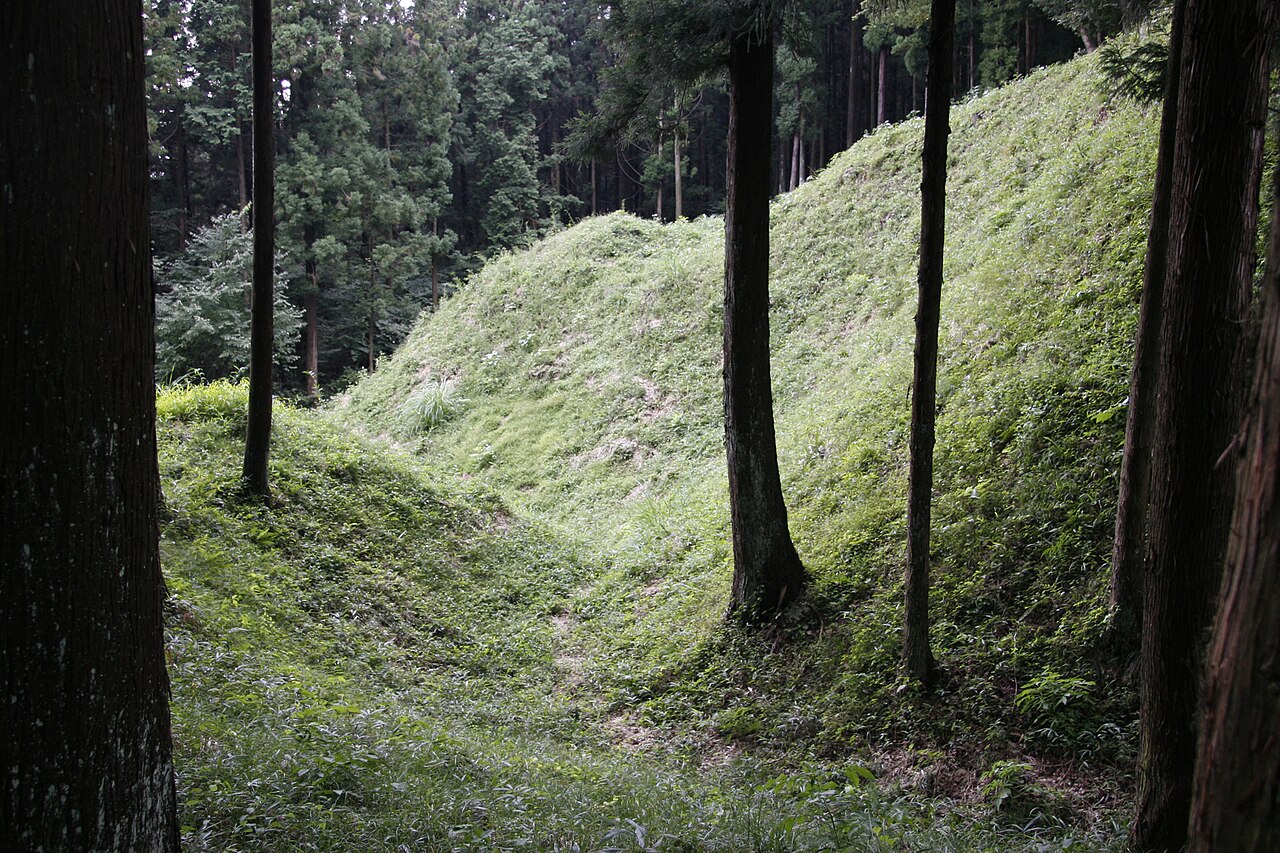
The castle's hilltop position was a key defensive asset, making direct assaults difficult. The natural slopes and ridges were integrated into the castle's defenses, supplemented by man-made fortifications such as moats and earthworks. These features helped protect the castle from invading forces and allowed defenders to control access routes effectively.
Numata castle in the edo period
During the peaceful Edo period, Numata Castle transitioned from a military stronghold to a political and administrative center. The Toki clan, who ruled the Numata Domain, maintained the castle as their residence and seat of power. The castle grounds likely included refined living spaces, gardens, and administrative buildings, reflecting the change in function from wartime fortress to daimyō residence.
The castle's role during this time was more focused on governance, tax collection, and local administration, rather than military defense. However, the castle remained an important symbol of the clan's authority and regional influence.
Current condition and preservation
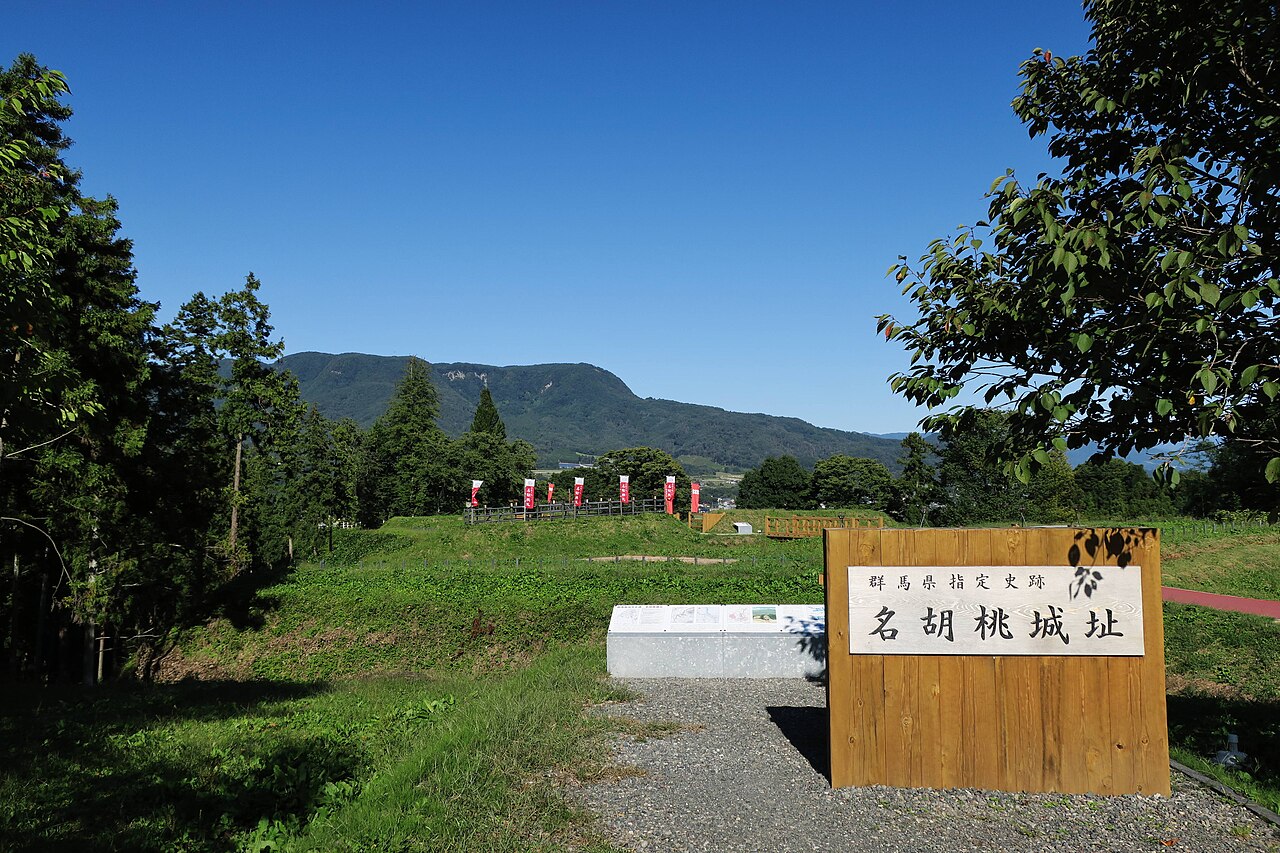
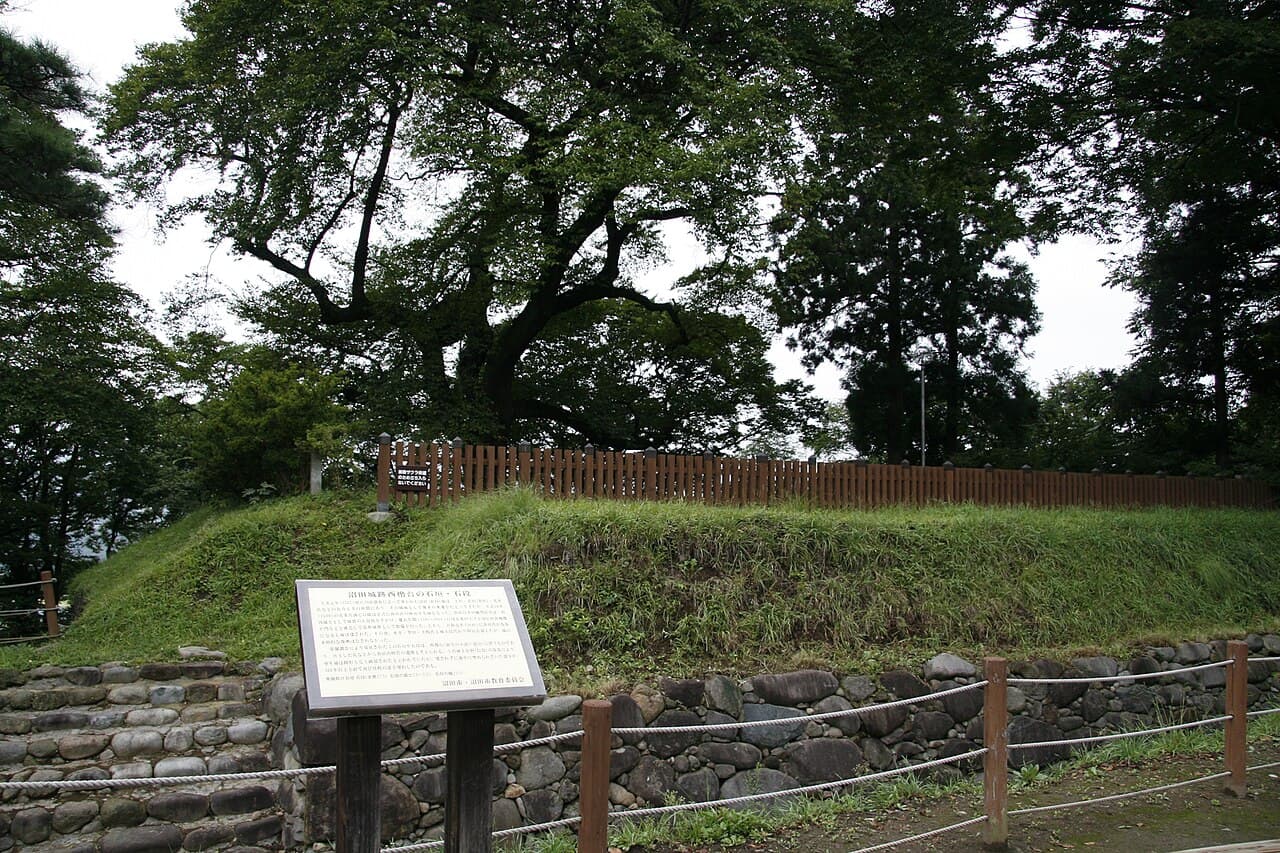
Today, Numata Castle exists primarily as an archaeological site with some remnants of its original structures and earthworks visible. The castle grounds are accessible to the public, offering historical insights and views of the surrounding landscape. Efforts have been made to preserve the site and promote its historical significance within Gunma Prefecture.
The site includes markers and information panels that help visitors understand the castle's layout, history, and role in Japanese feudal history. Although the original wooden buildings no longer stand, the castle's footprint remains a valuable cultural and historical asset.
Visiting numata castle
Visitors to Numata Castle can explore the castle ruins and surrounding parkland, which provide a glimpse into Japan's feudal past. The site is suitable for history enthusiasts and those interested in Japanese castle architecture and Sengoku period warfare.
While there are no extensive facilities on site, the castle's location in Numata city makes it accessible for day trips. Nearby attractions include local museums and natural sites that complement the historical experience.
Frequently asked questions (FAQ)
- What is the historical significance of Numata Castle?
- Numata Castle, originally built in the late 16th century, served as an important stronghold during Japan's feudal period. It was strategically located to oversee the surrounding region and played a key role in local governance and defense.
- When was Numata Castle originally constructed?
- Numata Castle was constructed in 1579 by the feudal lord Uesugi Kagetora. The castle has undergone various renovations and restorations over the centuries, reflecting the architectural styles of different periods in Japanese history.
- Can I visit Numata Castle all year round?
- Yes, Numata Castle is open to visitors year-round, although specific events and activities may vary by season. It’s advisable to check the castle's official website for any seasonal events or temporary closures.
- What are the opening hours for Numata Castle?
- Numata Castle is typically open from 9:00 AM to 5:00 PM, but these hours may change depending on the season or special events. Always verify the current hours before planning your visit to ensure a smooth experience.
- Is Numata Castle accessible for people with disabilities?
- Yes, efforts have been made to make Numata Castle accessible for visitors with disabilities. There are accessible paths and facilities, but it’s recommended to check in advance for the most current accessibility options.
- When is the best time to visit Numata Castle?
- The best time to visit Numata Castle is during the spring cherry blossom season or the autumn foliage period, when the scenery is particularly stunning. These times offer beautiful views and a chance to experience seasonal events held at the castle.
- What are the ticket prices for Numata Castle?
- Admission to Numata Castle is generally affordable, with tickets priced around 500 yen for adults and discounts available for children and seniors. Check the official website for any updates on pricing or special promotions.
- Can you recommend nearby attractions when visiting Numata Castle?
- Nearby attractions include the Numata City Museum, which offers insights into the region's history, and the scenic Lake Kizaki, perfect for outdoor activities. These sites complement a visit to Numata Castle and enhance your overall experience in the area.
Photo gallery

Photo by デジタルカメラ•Public domain
Information
Loading map...
Visitor reviews
No reviews yet. Been here? Write the first review and help other travelers!
Write the first reviewVisited this castle? Share your experience
Your review helps other travelers and adds first-hand knowledge to our encyclopedia.