Nagurumi Castle
Nagurumi Castle (名胡桃城, Nagurumi-jō) stands as a significant example of a 15th-century Japanese castle located in Tone, Gunma Prefecture. Though now reduced to archaeological ruins, it played a pivotal role in the Late Medieval period of Japan, particularly during the siege conflicts of the Sengoku era.
Historical significance and strategic role
Constructed in the 15th century, Nagurumi Castle was a hilltop fortress strategically positioned to control regional routes and assert dominance over the surrounding territory. The castle's location in Gunma Prefecture placed it near contested borders during the turbulent Sengoku period, a time marked by frequent military conflicts and shifting alliances among feudal lords.
Its most notable historical moment came in 1590 when the Later Hōjō clan invaded Nagurumi Castle. This act of aggression directly contributed to the Siege of Odawara, a decisive campaign led by Toyotomi Hideyoshi to unify Japan under his rule. The invasion of Nagurumi Castle by the Hōjō was a catalyst that prompted Hideyoshi to launch a full-scale assault on Odawara Castle, the Hōjō stronghold.
Architectural features and castle layout
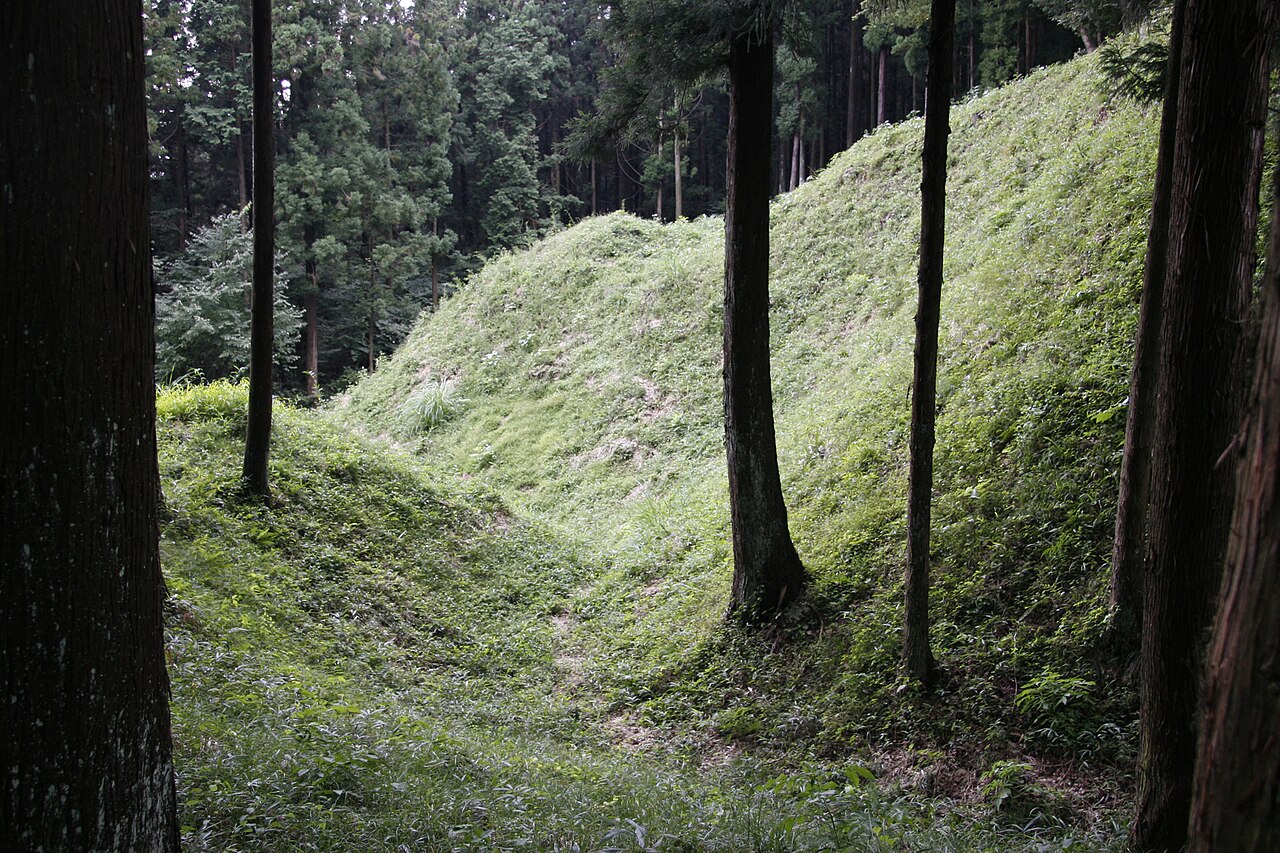
Though the castle now exists only as ruins, archaeological evidence reveals that Nagurumi Castle was a typical example of a Late Medieval Japanese hill castle. It featured moats and earthworks designed to fortify the site against attackers. The castle's defensive structures included multiple layers of earthen ramparts and dry moats, which were common defensive elements in Japanese castles of this period.
The castle's layout likely included a main enclosure (honmaru) surrounded by smaller baileys (kuruwa), connected by narrow pathways and protected by steep slopes. These features maximized natural terrain advantages, making direct assaults difficult for enemy forces.
Moats and earthworks
Present-day remains consist primarily of these earthworks and moats, which provide insight into the castle's defensive design. The moats were dry rather than water-filled, a typical characteristic of mountain castles that relied on elevation and terrain for defense rather than extensive water barriers.
Preservation and cultural recognition
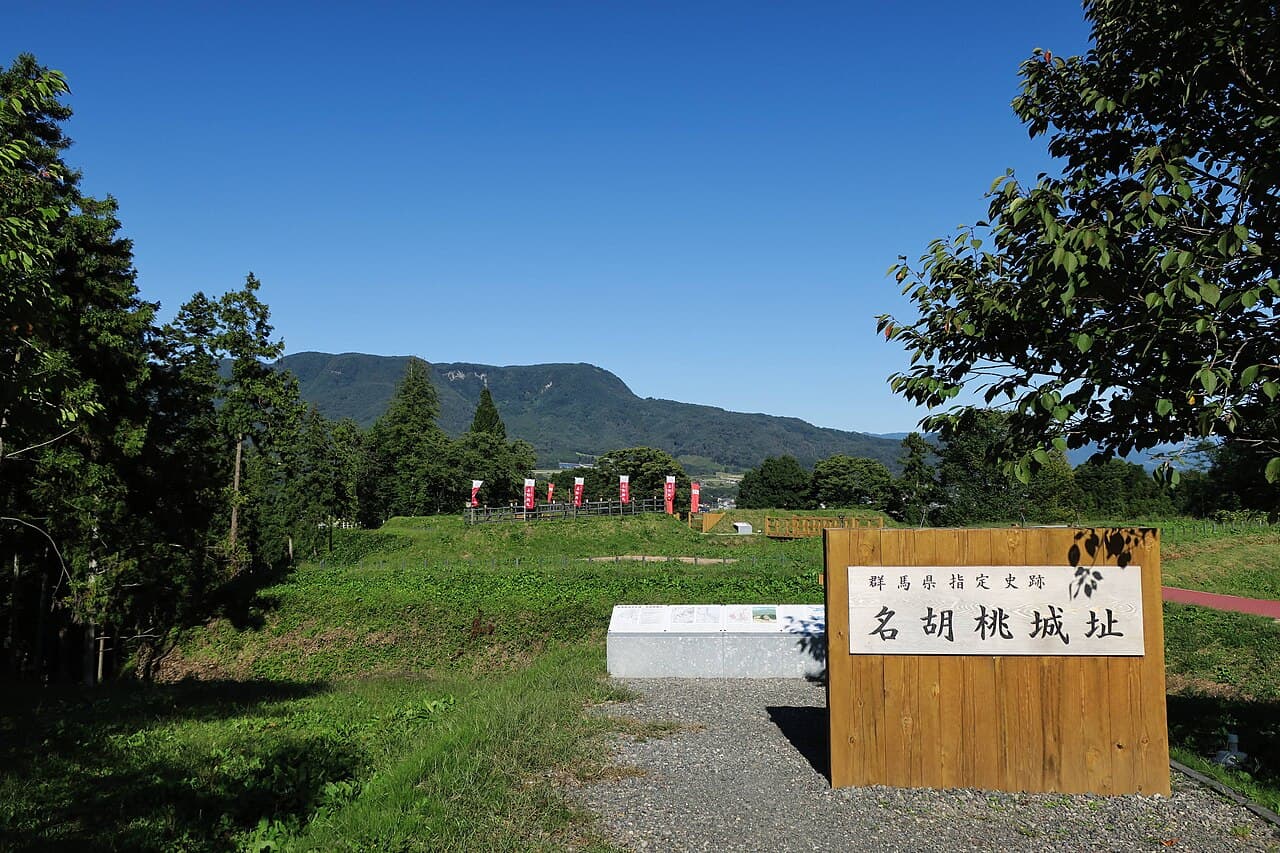
Today, Nagurumi Castle is preserved as an archaeological site, with visible remnants of its moats and earthworks accessible to visitors. Although no standing structures remain, the site offers valuable historical insights into Japanese castle construction and military strategy during the Late Medieval period.
In recognition of its historical importance, Nagurumi Castle was included in the Continued Top 100 Japanese Castles list in 2017, highlighting its cultural heritage and significance within Japan's castle history.
Visiting Nagurumi Castle
Visitors to the site can explore the ruins and enjoy the natural surroundings of Gunma Prefecture. The castle grounds provide a tangible connection to Japan's feudal past and the turbulent Sengoku period.
Access and facilities
While the castle is in ruins, the site is maintained for public access, featuring walking trails around the moats and earthworks. There are informational signs to help visitors understand the castle's historical context and architectural features.
Nearby attractions
Gunma Prefecture offers other historical sites and natural attractions, making a visit to Nagurumi Castle part of a broader cultural and scenic experience in the region.
Frequently asked questions (FAQ)
- How do I get to Nagurumi Castle?
- Nagurumi Castle is located in Tone, Japan, and can be accessed by car or public transportation. If you are traveling by train, the nearest station is Tone Station, from which you can take a local bus or taxi to reach the castle.
- What is the historical significance of Nagurumi Castle?
- Nagurumi Castle dates back to the 16th century and played a crucial role in the region's defense during the feudal period. It is an important symbol of Japanese history, representing the architectural styles and military strategies of its time.
- When was Nagurumi Castle built?
- Nagurumi Castle was constructed in the year 1560 by the local warlord. It served as a strategic stronghold until it was abandoned in the late 17th century.
- Can I explore the interior of Nagurumi Castle?
- Unfortunately, Nagurumi Castle is primarily in ruins, and there is no interior to explore. However, visitors can walk around the castle grounds and enjoy the scenic views while learning about its history through informative signage.
- Why is Nagurumi Castle a popular tourist destination?
- Nagurumi Castle attracts visitors due to its rich history and stunning views of the surrounding landscape. The castle's historical significance and the opportunity to experience Japan's feudal past make it a memorable destination for history enthusiasts.
- Is it possible to visit Nagurumi Castle year-round?
- Yes, Nagurumi Castle is open to visitors year-round, but it's best to check local weather conditions before your visit. The castle grounds are particularly beautiful during the cherry blossom season in spring and the vibrant foliage in autumn.
- What are the opening hours for Nagurumi Castle?
- Nagurumi Castle is open daily from 9:00 AM to 5:00 PM. However, it's advisable to verify the hours before your visit, as they may vary during holidays or special events.
- Are there any ticket prices to visit Nagurumi Castle?
- Admission to Nagurumi Castle is free of charge, making it an accessible destination for everyone. While there are no ticket fees, donations to support the site's maintenance are appreciated.
- What nearby attractions can I visit while at Nagurumi Castle?
- While visiting Nagurumi Castle, you can explore several nearby attractions, including the beautiful Tone River and local temples that showcase traditional Japanese architecture. Additionally, the surrounding parks offer great hiking trails and picnic spots for a relaxing day out.
Photo gallery

Information
Loading map...
Visitor reviews
No reviews yet. Been here? Write the first review and help other travelers!
Write the first reviewVisited this castle? Share your experience
Your review helps other travelers and adds first-hand knowledge to our encyclopedia.