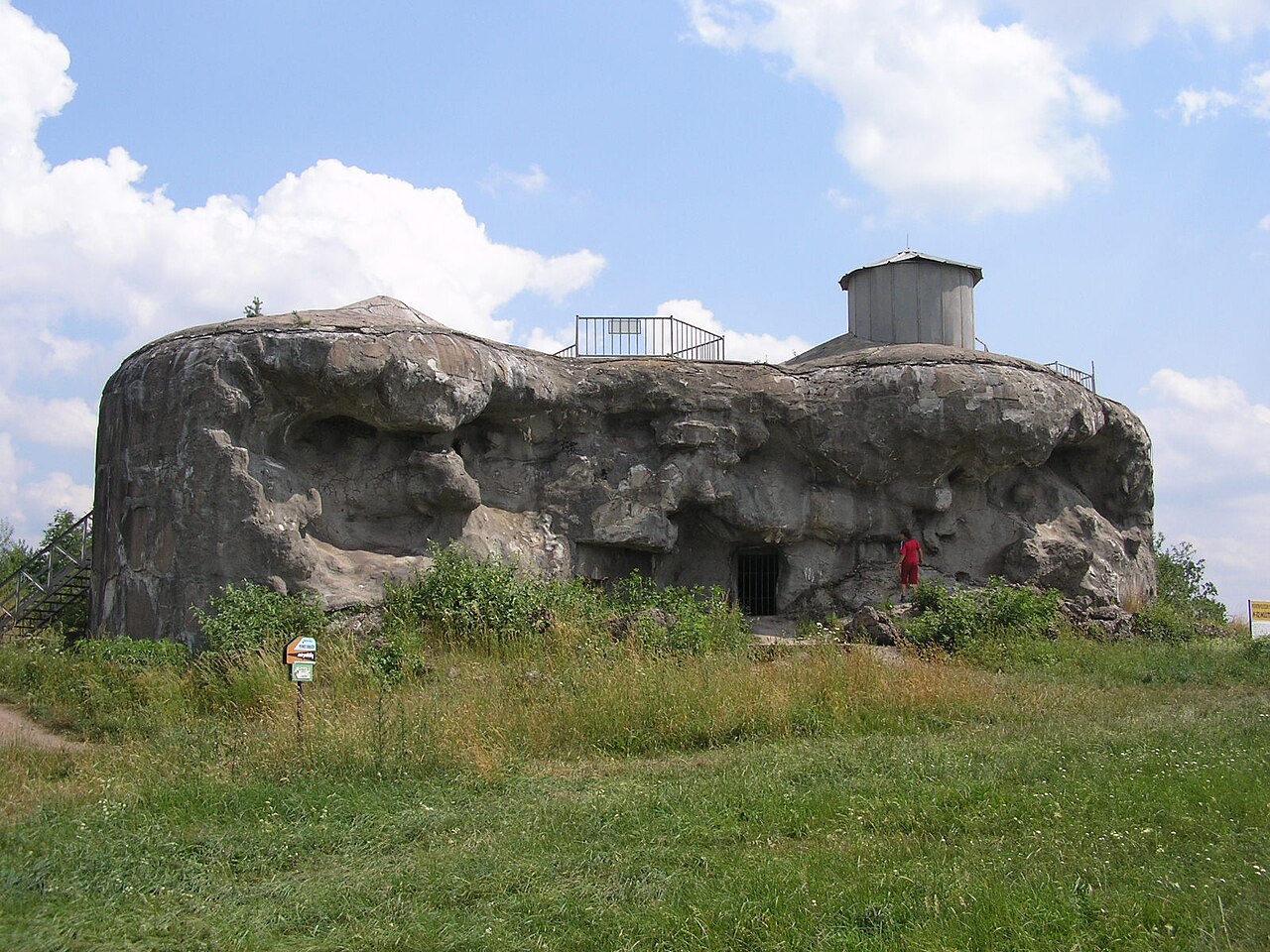
Nové Mesto nad Metují Castle
Nové Město nad Metují Castle is a significant historical monument located in the town of Nové Město nad Metují in Czechia. Founded in the early 16th century by Jan Černčický of Kácov in 1501, the castle and the surrounding town have undergone several phases of destruction, reconstruction, and architectural transformation that reflect the evolving styles and political changes of the region.
The foundation and early development
The original establishment of Nové Město nad Metují was closely tied to the ambitions of Jan Černčický of Kácov, who founded the town and its castle as a manorial seat in 1501. However, a devastating fire in 1526 caused widespread destruction, including significant damage to the castle and the town's buildings. This event marked a turning point in the architectural character of the area.
Renaissance reconstruction under the Pernštejn family
In 1527, the manor and castle were acquired by the influential Pernštejn family. Between 1527 and 1548, the town underwent a major reconstruction phase that introduced a harmonious blend of Renaissance and late Gothic architectural elements. The rebuilding efforts preserved the elementary ground plan of the town while transforming the appearance of the houses around the central square. The connected gables, known as swallow tails, were a distinctive feature that gave the town a look reminiscent of the northern Italian Renaissance style.
The castle itself was also rebuilt during this period, adopting Renaissance features that aligned with contemporary architectural trends, emphasizing symmetry, proportion, and classical details.
Expansion and ownership by the Lords of Stubenberk
From 1548 to 1621, the castle and manor were under the ownership of the Lords of Stubenberk. During their tenure, the castle was expanded, enhancing its defensive and residential capabilities. This period saw the castle evolve into a more complex structure, combining functional fortifications with comfortable living quarters.
Baroque transformation under Walter Leslie
Following a series of political upheavals, including the assassination of Albrecht von Wallenstein and Adam Erdman Trčka in 1634, the Nové Město nad Metují manor was confiscated and granted to Walter Leslie, who played a key role in these events. Leslie undertook a significant rebuilding of the castle in the Baroque style, which was popular in the 17th century and characterized by grandeur, dynamic shapes, and elaborate ornamentation.
The Baroque renovation introduced new decorative elements, reconfigured interior spaces for enhanced comfort and prestige, and added architectural features such as ornate facades and grand staircases. These changes reflected the tastes and ambitions of the Leslie family, who maintained ownership of the castle until 1802.
Latter ownership and preservation
After the death of the last Leslie family member in 1802, the castle and manor passed to the Dietrichstein family, who held the property until 1858. Throughout this time, the castle remained an important regional seat and retained much of its Baroque character, although later modifications and maintenance efforts varied.
Architectural features and significance
The castle of Nové Město nad Metují is notable for its blend of Renaissance and Baroque architectural styles. Its layout preserves elements of the original late Gothic ground plan, while the facades and structural details reflect the evolution of architectural trends across two centuries.
Key features include the connected swallow-tail gables around the town square, the expanded castle wings from the Stubenberk period, and the Baroque decorative elements introduced by Walter Leslie. The castle's transformation illustrates the historical shifts in ownership and cultural influences in the region.
Historical context and cultural heritage
Nové Město nad Metují Castle stands as a testament to the region's turbulent history during the Renaissance and Baroque periods. Its association with prominent noble families such as the Pernštejns, Stubenberks, Wallensteins, Leslies, and Dietrichsteins highlights its importance as a political and cultural center.
The castle's Baroque transformation after the Thirty Years' War reflects the broader European trends in aristocratic residences, blending defensive architecture with representational grandeur. Today, the castle remains a significant cultural landmark in Czechia, attracting visitors interested in history, architecture, and the legacy of Central European nobility.
Visiting Nové Město nad Metují Castle
The castle is accessible to the public and offers a glimpse into the architectural and historical layers that define its character. Visitors can explore the preserved Renaissance and Baroque features, including the castle's facades, courtyards, and interior spaces where available. The town itself complements the castle experience with its distinctive Renaissance urban plan and architectural details.
Guided tours and cultural events are often held at the castle, enhancing the understanding of its historical significance and architectural evolution. The castle's location in the picturesque region of Nové Město nad Metují makes it a valuable destination for those interested in Czech history and heritage.
Frequently asked questions (FAQ)
- What is the historical significance of Nové Mesto nad Metují Castle?
- Nové Mesto nad Metují Castle, built in the Renaissance style in the late 16th century, represents a significant architectural achievement in Czech history. It was originally constructed as a noble residence and has played an important role in the region's cultural heritage over the centuries.
- When was Nové Mesto nad Metují Castle built?
- The castle was built between 1554 and 1586, commissioned by the noble family of Trčkas of Lípa. Its construction marked a transition from medieval fortifications to Renaissance aesthetics, showcasing the evolving architectural styles of the time.
- Can I visit Nové Mesto nad Metují Castle?
- Yes, Nové Mesto nad Metují Castle is open to visitors who wish to explore its stunning architecture and rich history. Guided tours are available, offering insights into its past and the lives of those who once inhabited it.
- What are the opening hours of Nové Mesto nad Metují Castle?
- The castle typically opens to visitors from April to October, with specific hours varying by month. It is advisable to check the official website for the most up-to-date information on opening hours before your visit.
- Is it possible to access Nové Mesto nad Metují Castle with a wheelchair?
- Yes, the castle is equipped with facilities to accommodate visitors with mobility challenges. However, some areas may be more accessible than others, so it's recommended to inquire about specific accessibility options upon arrival.
- What are the ticket prices for Nové Mesto nad Metují Castle?
- Ticket prices for Nové Mesto nad Metují Castle vary depending on the type of tour and visitor age. Generally, adult tickets are reasonably priced, with discounts available for students and seniors, making it an affordable cultural experience.
- When is the best time to visit Nové Mesto nad Metují Castle?
- The best time to visit is during the spring and summer months when the weather is pleasant, and the castle gardens are in full bloom. Additionally, visiting during the peak season allows you to participate in various cultural events and activities hosted at the castle.
- What nearby attractions can I explore after visiting the castle?
- After exploring Nové Mesto nad Metují Castle, visitors can enjoy nearby attractions such as the picturesque town square and local museums. Additionally, the surrounding countryside offers beautiful hiking trails and opportunities for outdoor activities.
Information
Website
Visit websiteSources & official resources
Verify the information above using these authoritative references.
Loading map...
Visitor reviews
No reviews yet. Been here? Write the first review and help other travelers!
Write the first reviewVisited this castle? Share your experience
Your review helps other travelers and adds first-hand knowledge to our encyclopedia.