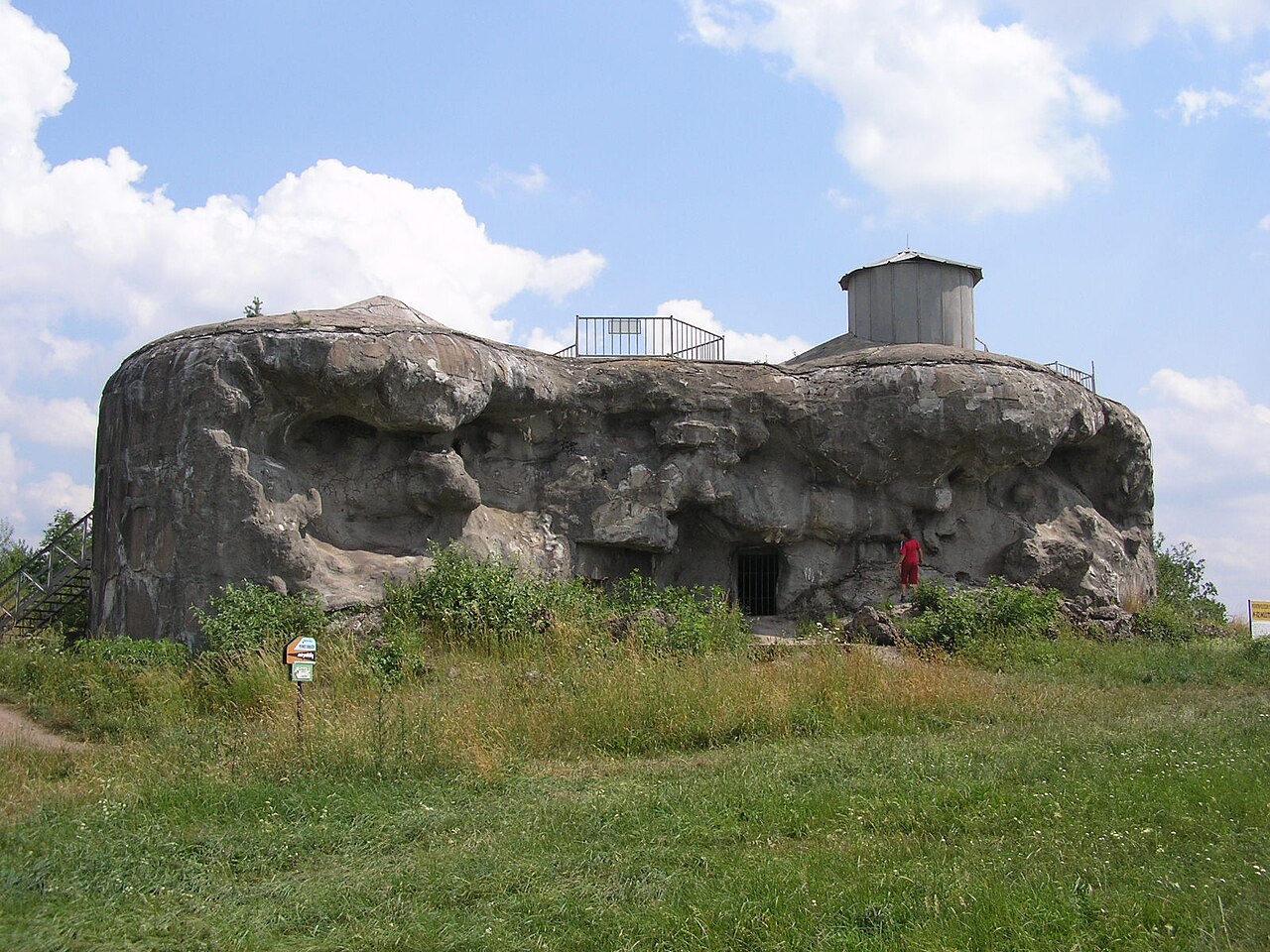
Frymburk Castle Ruins
Frymburk castle ruins stand near the town of Nový Hrádek in the Czech Republic, representing a significant example of a late medieval fortress from the 14th century. Founded likely by the Lords of Lipá at the beginning of the century, this castle was strategically positioned by the River Olešenka, utilizing natural water defenses. The site today consists of partially collapsed ruins, including a prominent large round tower and a water basin carved into the rock within a small courtyard, hinting at the castle's original defensive and domestic functions.
Historical background and ownership
The first recorded mention of Frymburk castle dates to 1354, at which time it was reportedly owned by Matyáš of Frymburk, a figure about whom little is known. Shortly thereafter, the castle and the surrounding manors in Nový Hrádek passed into the hands of Hynek of Dubá and his associates. Historical records also reference Jinřich of Lipá and Jan of Lichtenberk as owners or influential figures connected to the castle during the 14th century. By the early 15th century, the manor was under the control of the town of Dobruška.
The castle in the Thirty Years' War
Frymburk castle's decline is closely linked to the turmoil of the Thirty Years' War (1618–1648). During this conflict, the castle was captured by peasant rebels, demonstrating its strategic importance even centuries after its construction. Subsequently, the castle and the nearby town of Nový Hrádek were burnt down by Swedish forces. This event marked the end of Frymburk as a functional fortress, as it was never rebuilt or restored after the destruction.
Architectural features and layout
Although now in a state of ruin, Frymburk castle's remains reveal key aspects of medieval military architecture. The castle was built with a focus on defense, evidenced by the large round tower which would have served as a lookout and last refuge during sieges. The presence of a water basin carved directly into the rock within the courtyard suggests an advanced approach to water management, essential for sustaining the castle's inhabitants during prolonged attacks.
The castle's location on the bend of the River Olešenka provided natural protection on multiple sides, a common defensive strategy in medieval fortifications. The river would have acted as a moat-like barrier, complicating any assault by enemy forces. The castle likely featured typical elements of late medieval hill castles, including thick stone walls, narrow windows for archers, and fortified gates, although much of these structures have not survived intact.
Current condition and access
Today, Frymburk castle is classified as ruins and is considered unstable and dangerous. The structural integrity of the remaining walls and tower is compromised, making the site inaccessible to the public for safety reasons. Despite this, the ruins remain an important cultural and historical landmark, offering insight into the region's medieval past and the turbulent history of Bohemia during the early modern period.
Significance in regional history
Frymburk castle played a role in the shifting political landscape of the Czech lands during the late medieval and early modern periods. Its ownership by notable noble families such as the Lords of Lipá and Hynek of Dubá reflects the feudal dynamics of the time. The castle's destruction during the Thirty Years' War highlights the widespread devastation experienced across Central Europe and the decline of many medieval fortresses in the face of evolving military technology and warfare tactics.
Although the castle no longer functions as a defensive stronghold or residence, its ruins contribute to the understanding of medieval fortification design and the historical narrative of the Nový Hrádek region. Preservation efforts remain limited due to the site's precarious condition, but it continues to attract interest from historians, archaeologists, and enthusiasts of medieval architecture.
Nearby points of interest and visitor information
While Frymburk castle ruins themselves are not open for public tours due to safety concerns, the surrounding area near Nový Hrádek offers opportunities for exploring the natural landscape and other historical sites. The proximity to the River Olešenka provides scenic views and potential hiking routes. Visitors interested in medieval history often explore nearby towns and castles with better-preserved structures to gain a fuller appreciation of the region's heritage.
Loading map...
Visitor reviews
No reviews yet. Been here? Write the first review and help other travelers!
Write the first reviewVisited this castle? Share your experience
Your review helps other travelers and adds first-hand knowledge to our encyclopedia.