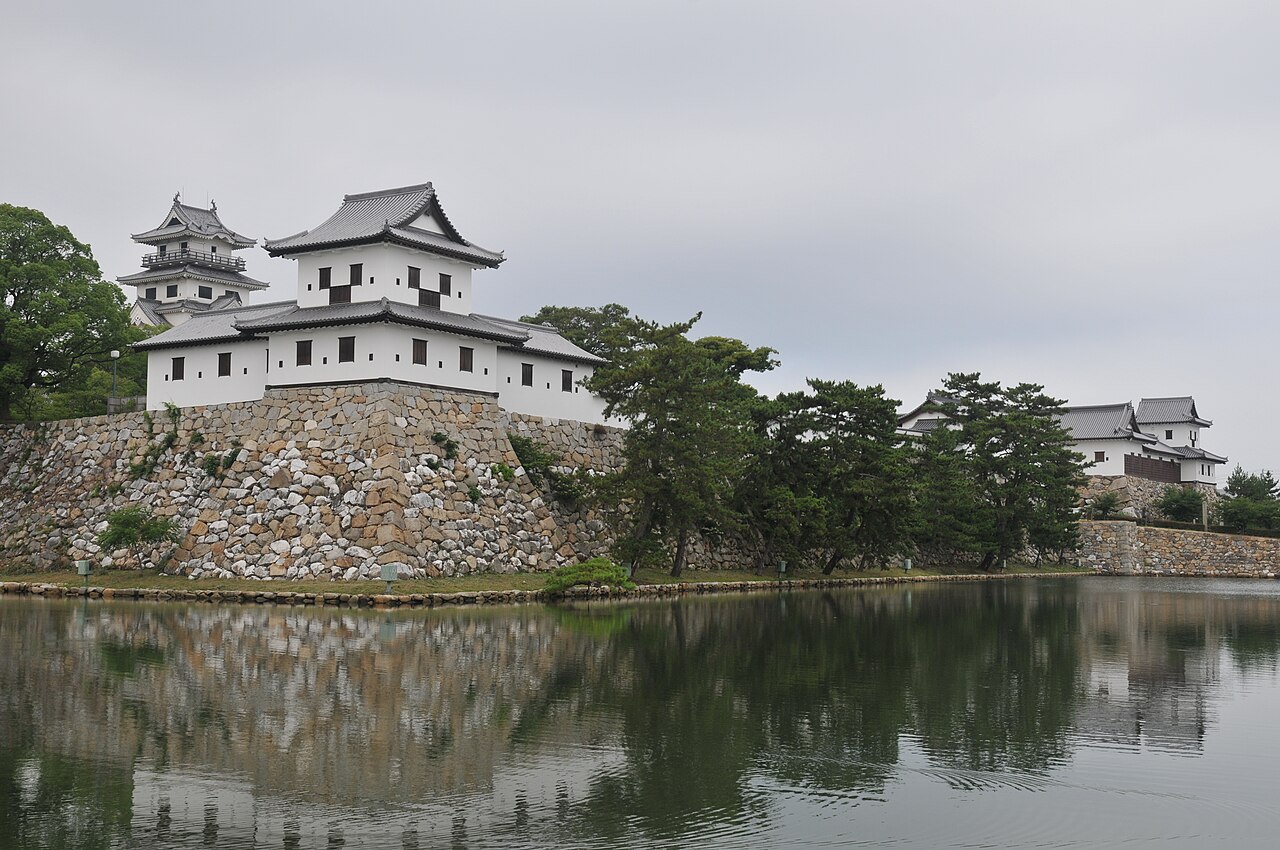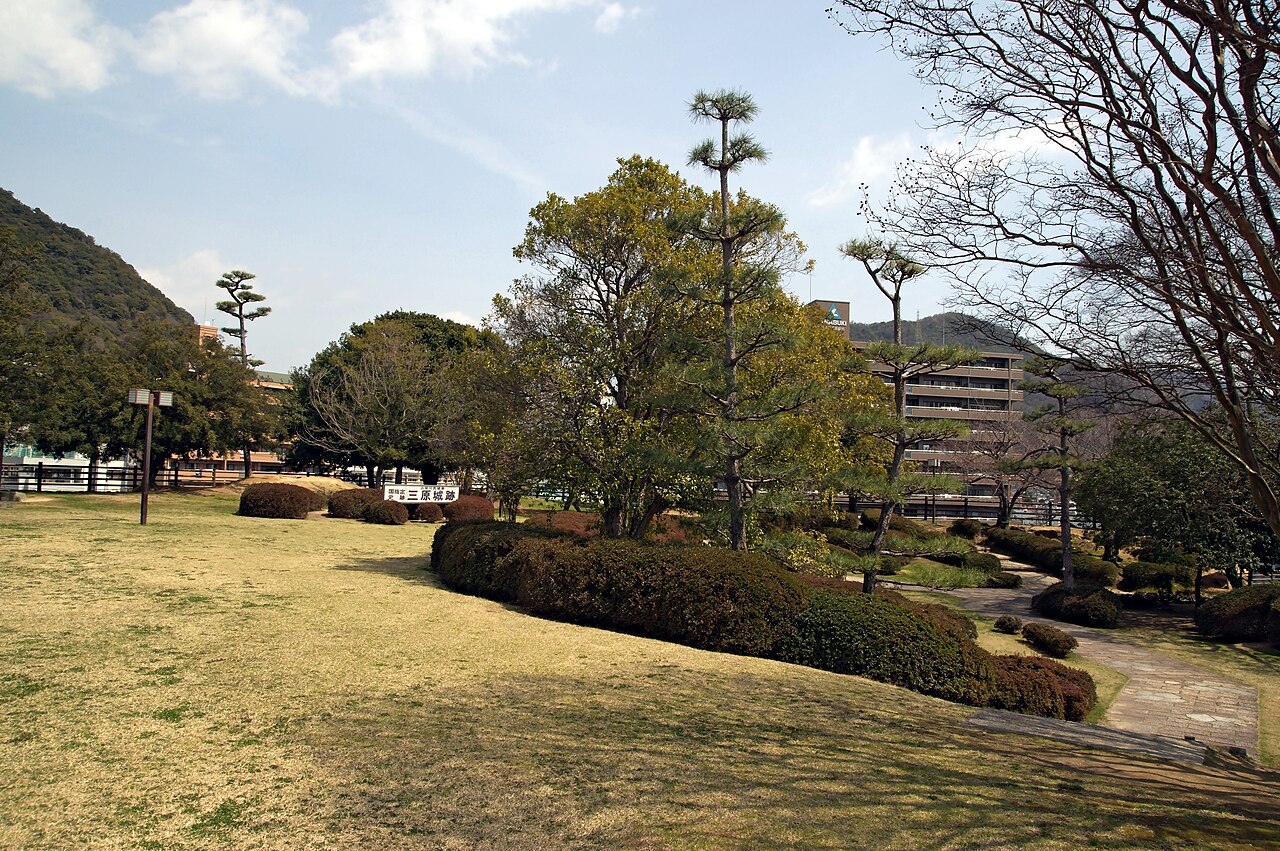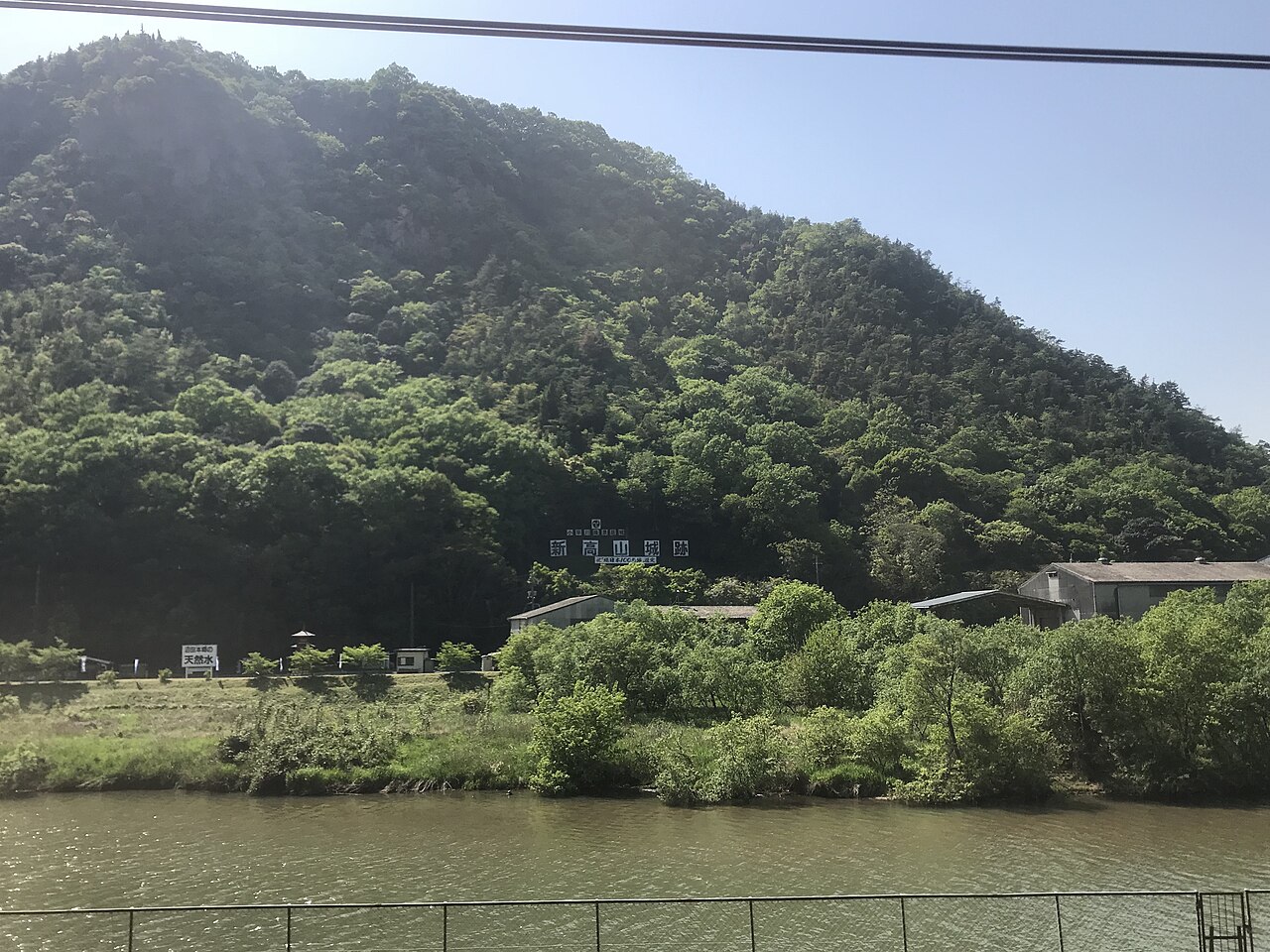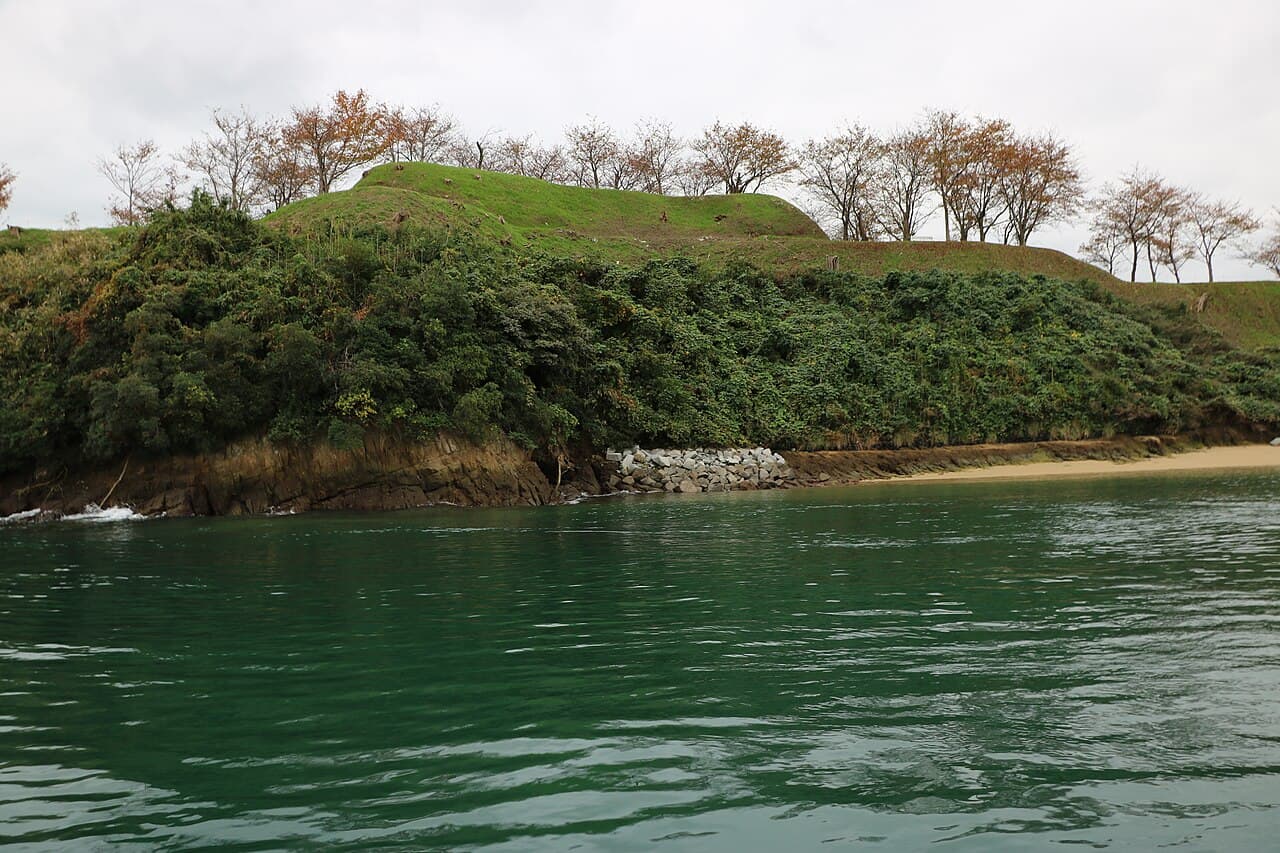
Noshima Castle (能島城, Noshima-jō) stands as a significant Sengoku period fortress located on a small island in the Seto Inland Sea, within Ehime Prefecture, Japan. This castle served as the strategic stronghold of the Noshima Murakami clan, a powerful maritime family known for their naval prowess, control of sea routes, and roles as sailors, mercenaries, and occasionally pirates during the turbulent 15th and 16th centuries. The castle's ruins, designated a National Historic Site in 1953, offer valuable insights into Japan's maritime defense systems and Sengoku-era naval warfare.
Historical significance of Noshima Castle
During the Sengoku period, Japan was fragmented into numerous warring states, and control of sea lanes was crucial for trade and military advantage. The Noshima Murakami clan emerged as dominant maritime lords, leveraging their knowledge of the Seto Inland Sea's complex waterways to exert influence. Noshima Castle was their base of operations, enabling them to monitor and control naval traffic, collect tolls, and defend against rival clans and pirates.
The Murakami were renowned for their naval skills and often hired as mercenaries by various daimyo (feudal lords). Their expertise in shipbuilding and naval tactics made the castle a vital hub for maritime military campaigns. The castle's location on an island provided natural defense advantages, allowing the clan to withstand sieges and maintain control over the surrounding waters.
Architectural features and layout
Though now in ruins, archaeological studies of Noshima Castle reveal a fortress adapted to its maritime environment. The castle was constructed primarily of stone foundations and wooden structures, typical of Japanese castles of the period. Its position on a rocky island meant that natural cliffs and steep slopes were integrated into the defensive design, minimizing the need for extensive walls.
The castle likely featured watchtowers and lookout points to oversee the sea routes, along with moats or natural water barriers formed by the surrounding sea. The layout probably included courtyards and living quarters for the clan and their retainers, as well as storage facilities for supplies and arms. The strategic use of the island's topography was crucial in creating a defensible position against naval and land assaults.
Maritime defenses and naval facilities
Given the Murakami clan's naval focus, the castle complex likely incorporated docks or piers for their fleet of ships. These facilities would have supported the rapid deployment of vessels for both defense and offensive operations. The clan's control over the sea lanes was reinforced by their ability to launch swift naval raids and patrols from Noshima Castle.
The Murakami clan and their naval legacy
The Noshima Murakami clan was one of the three main Murakami clans controlling the Seto Inland Sea, alongside the Kurushima and Innoshima Murakami. They played a significant role in regional politics and warfare through their maritime dominance. Their reputation as skilled sailors and fierce warriors made them influential players during the Sengoku period.
The clan's activities ranged from protecting merchant ships to engaging in piracy and privateering. Their naval forces were instrumental in several conflicts, including battles that shaped control over the Inland Sea. The legacy of the Murakami clan is preserved through the remains of Noshima Castle and local historical records.
Current state and cultural importance
Today, Noshima Castle exists as archaeological ruins, with only remnants of stone walls and foundations visible. The site is protected as a National Historic Site, reflecting its importance in Japanese maritime history and Sengoku-era military architecture. Visitors to the island can observe the landscape that once supported this maritime fortress and gain an understanding of the strategic role it played.
Preservation efforts focus on maintaining the ruins and promoting awareness of the castle's historical context. The site attracts historians, archaeologists, and tourists interested in Japan's feudal past and naval heritage. Interpretive signage and guided tours help convey the story of the Murakami clan and their maritime dominance.
Access and visitor information
Access to the island is limited due to its location and preservation status. Visitors typically reach the site by boat from nearby ports in Ehime Prefecture. The terrain is rugged, and there are no extensive modern facilities, so visitors should prepare accordingly. The castle ruins offer a unique glimpse into Japan's maritime defenses during one of its most turbulent historical periods.
Frequently asked questions (FAQ)
- How do I get to Noshima Castle?
- Noshima Castle is located on Noshima Island in Japan, accessible by ferry from the nearby port. Ferries run regularly, and the journey offers beautiful views of the surrounding waters.
- What is the historical significance of Noshima Castle?
- Noshima Castle, originally built in the 16th century, served as a strategic stronghold during various conflicts in Japan's feudal era. It is recognized for its role in defending the region and is a symbol of local heritage.
- When was Noshima Castle constructed?
- Noshima Castle was constructed in 1586 by the feudal lord, and it has undergone several restorations over the years. Its enduring structure reflects the architectural styles of the period.
- Can I visit Noshima Castle year-round?
- Yes, Noshima Castle is open to visitors year-round, but some facilities may be closed during the winter months. It's advisable to check for seasonal events or maintenance schedules before planning your visit.
- Why is Noshima Castle known for its architecture?
- Noshima Castle features traditional Japanese architectural elements, including wooden structures and stone walls that blend harmoniously with the landscape. The castle's design showcases the tactical considerations of its era.
- Is it possible to access Noshima Castle for those with mobility challenges?
- While Noshima Castle is generally accessible, some areas may pose challenges due to uneven terrain and stairs. It's recommended to check in advance and reach out to local guides for assistance if needed.
- What is the best time to visit Noshima Castle?
- The best time to visit Noshima Castle is during spring (March to May) and autumn (September to November) when the weather is mild, and the scenery is particularly beautiful with cherry blossoms and autumn foliage. These seasons also attract fewer tourists.
- Are there any nearby attractions to Noshima Castle?
- Yes, nearby attractions include stunning hiking trails and local museums that showcase the history of the region. Visitors can also enjoy scenic views of the ocean and participate in various outdoor activities.
- What are the ticket prices for visiting Noshima Castle?
- Admission to Noshima Castle typically costs around 500 yen for adults, with discounts available for children and seniors. Special events or guided tours may have separate pricing, so it's advisable to check in advance.
- What are the opening hours for Noshima Castle?
- Noshima Castle is generally open from 9 AM to 5 PM, with last entry at 4:30 PM. Hours may vary during holidays, so it's best to confirm before your visit.
Photo gallery

Information
Loading map...
Visitor reviews
No reviews yet. Been here? Write the first review and help other travelers!
Write the first reviewVisited this castle? Share your experience
Your review helps other travelers and adds first-hand knowledge to our encyclopedia.