Mihara Castle
Mihara Castle (三原城, Mihara-jō) is a significant example of a hirajiro-style Japanese castle, originally constructed on flatland rather than elevated terrain. Located in the modern city of Mihara in Hiroshima Prefecture, this castle played an important role during Japan's feudal era. Its ruins have been officially protected as a National Historic Site since 1957, underscoring its cultural and historical value.
Historical background and strategic importance
Built during the early 17th century, Mihara Castle was established as a strategic stronghold controlling the vital transportation routes along the Seto Inland Sea. The castle's location on flat terrain near the coast allowed it to oversee maritime traffic and serve as a defensive hub against naval incursions. The castle was constructed under the direction of the Kobayakawa clan, a powerful samurai family influential during the Azuchi-Momoyama and early Edo periods.
The kobayakawa clan and castle construction
The Kobayakawa clan, particularly Kobayakawa Takakage, was instrumental in the castle's foundation. Takakage was a prominent daimyo and military commander who contributed to the unification efforts of Japan under Toyotomi Hideyoshi. Mihara Castle's construction reflected the clan's need for a strong administrative and military base to consolidate their power in the region.
Architectural features and layout
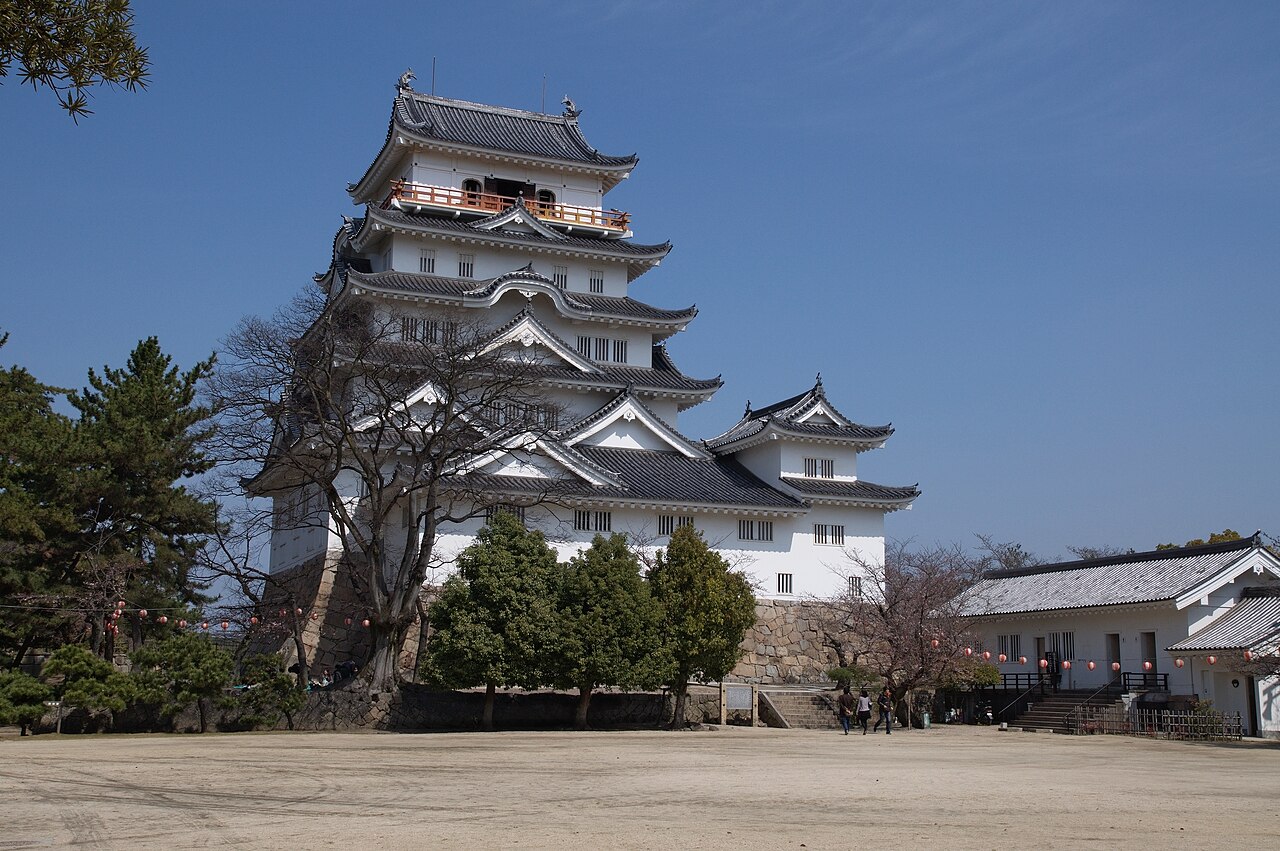
Mihara Castle was designed as a hirajiro, meaning it was built on flat land rather than a hill or mountain. This style required extensive moats, walls, and earthen ramparts to compensate for the lack of natural elevation. The castle featured multiple baileys (courtyards) enclosed by stone walls and wooden palisades, with a central keep (tenshu) that served as the main defensive and residential structure.
Defensive structures and moats
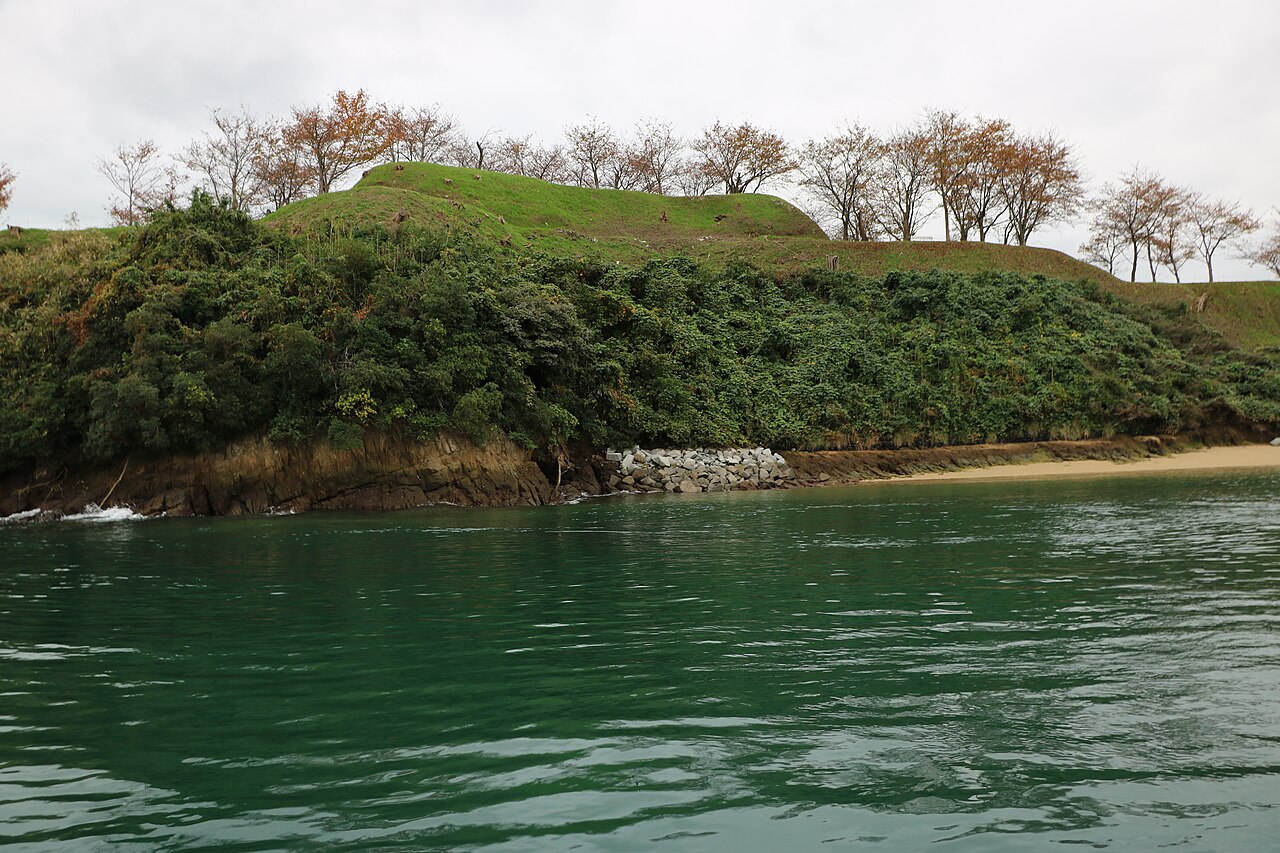
The castle's defenses included a complex system of moats that surrounded the baileys, designed to hinder enemy advances. The moats were fed by nearby rivers and connected to the sea, enhancing the castle's defensive capabilities. Stone walls reinforced key points, while wooden gates controlled access to the inner areas.
Residential and administrative buildings
Within the castle grounds, various buildings served administrative functions and housed the daimyo and his retainers. These included the lord's residence, guardhouses, storehouses, and barracks. The layout emphasized both defense and the efficient management of the domain.
Decline and current status
Following the Meiji Restoration, Mihara Castle was dismantled as part of the government's efforts to modernize and abolish the feudal system. The castle's structures were largely destroyed or repurposed, leaving only ruins today. Despite this, the site remains an important cultural landmark, with archaeological excavations uncovering foundations and artifacts that provide insight into the castle's past.
Preservation and archaeological significance
Since its designation as a National Historic Site in 1957, efforts have been made to preserve the ruins and promote public understanding of Mihara Castle's history. The site offers valuable information on hirajiro castle construction techniques and the regional history of the Hiroshima area during the feudal period.
Visiting mihara castle ruins
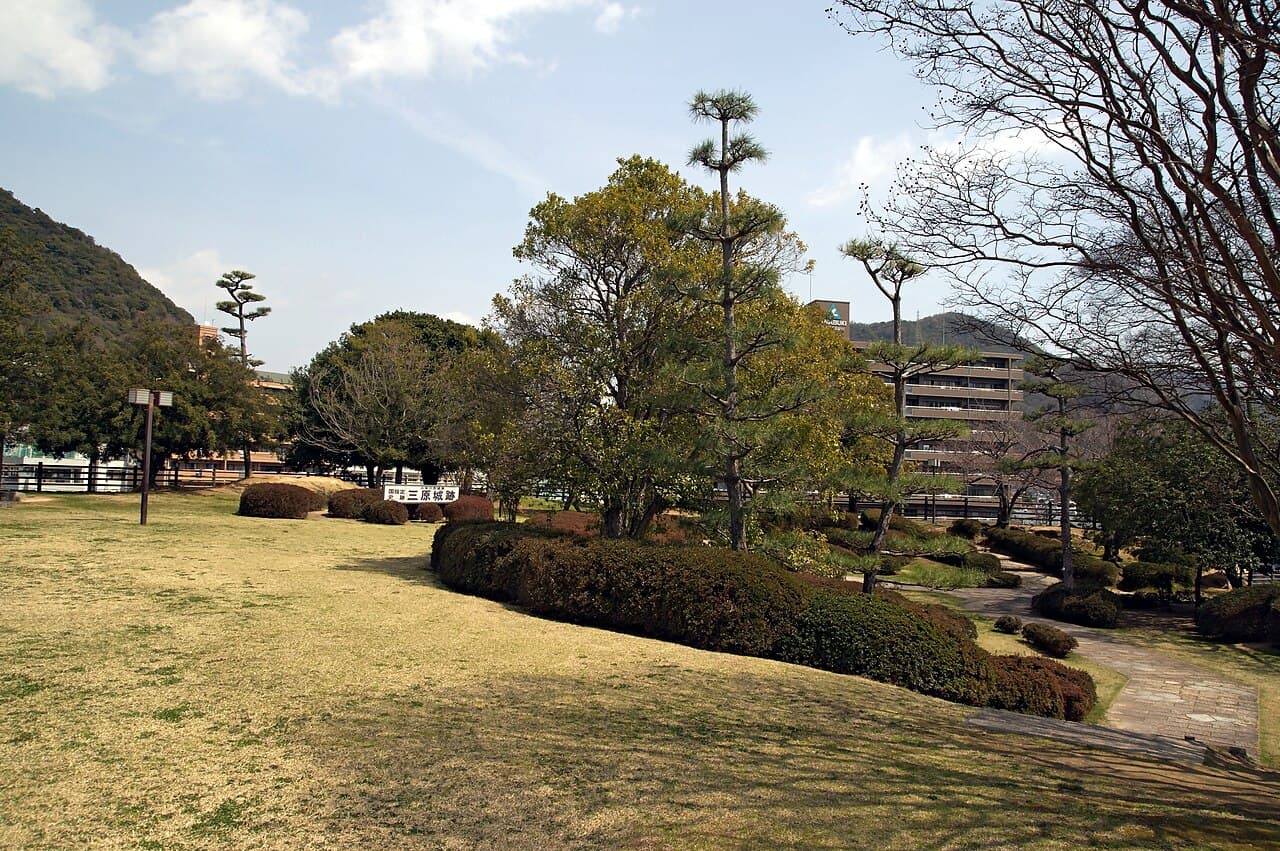
Today, visitors to Mihara can explore the castle ruins, including remnants of the moats and stone walls. Informational signage helps contextualize the site's historical importance. The location also provides scenic views of the surrounding city and nearby waterways. While no original buildings remain, the ruins offer a tangible connection to Japan's feudal past and the architectural ingenuity of hirajiro castles.
Frequently asked questions (FAQ)
- How do I get to Mihara Castle?
- Mihara Castle is located in Mihara, Japan, and can be easily accessed by public transportation. The nearest train station is Mihara Station, from which you can take a short bus ride or enjoy a scenic walk to the castle.
- What is the historical significance of Mihara Castle?
- Mihara Castle, built in the early 17th century, served as a strategic military outpost during the Edo period. It played a crucial role in the defense against rival clans and is a symbol of the region's rich feudal history.
- When was Mihara Castle built?
- Mihara Castle was constructed in 1600 by the feudal lord Mōri Terumoto. The castle has undergone various renovations and restorations throughout the years, preserving its historical essence.
- Can I visit Mihara Castle year-round?
- Yes, Mihara Castle is open to visitors year-round, although specific events and activities may vary by season. However, it's recommended to check the official website for any seasonal closures or special events before planning your visit.
- Why is Mihara Castle considered an architectural gem?
- Mihara Castle is renowned for its unique stone walls and traditional Japanese castle design, showcasing the ingenuity of its period. The structure incorporates both defensive features and aesthetic elements that reflect the architectural style of the time.
- Is it possible to access all areas of Mihara Castle?
- While certain areas of Mihara Castle are accessible to visitors, some sections may be restricted due to preservation efforts. Guided tours are often available to help you explore the areas that are open to the public.
- What are the opening hours for Mihara Castle?
- Mihara Castle is typically open from 9:00 AM to 5:00 PM, with last entry at 4:30 PM. It's advisable to check the castle's official website for any updates or changes to the schedule before your visit.
- What are the ticket prices for visiting Mihara Castle?
- Entry to Mihara Castle generally requires a small admission fee, which is used for maintenance and preservation. Prices may vary, so be sure to check the official website for the most current ticket information and any discounts available.
- When is the best time to visit Mihara Castle?
- The best time to visit Mihara Castle is during the cherry blossom season in spring and the colorful foliage of autumn. These seasons offer stunning views and a more enjoyable experience as the surrounding landscape enhances the beauty of the castle.
- What nearby attractions can I explore while visiting Mihara Castle?
- While visiting Mihara Castle, you can also explore the nearby Mihara History and Folk Museum and the scenic Mihara Bay. Additionally, the area offers various parks and local eateries that provide a taste of the region's culture and cuisine.
Photo gallery

Information
Loading map...
Visitor reviews
No reviews yet. Been here? Write the first review and help other travelers!
Write the first reviewVisited this castle? Share your experience
Your review helps other travelers and adds first-hand knowledge to our encyclopedia.