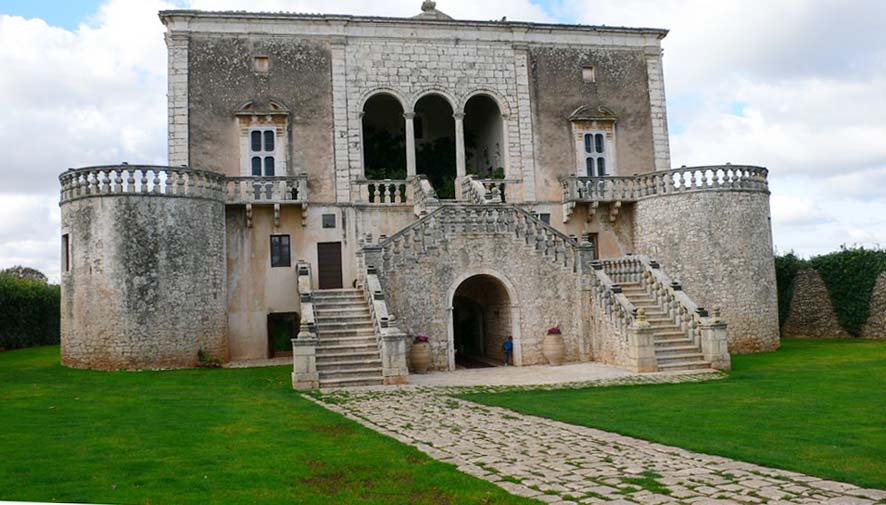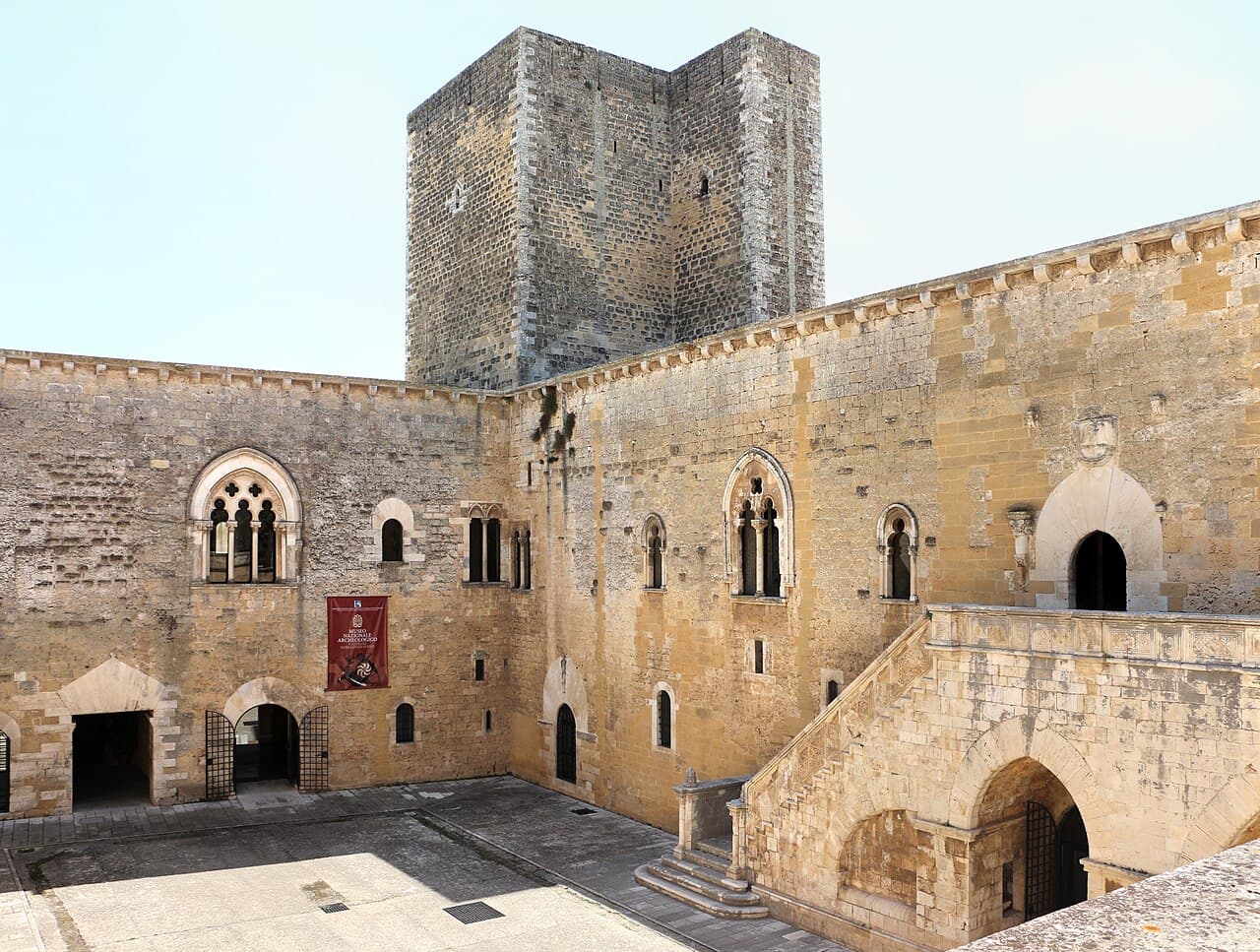
Norman Castle of Gioia del Colle
The Norman-Swebian castle, known in Italian as Castello Normanno-Svevo, is a prominent medieval fortress located in the historic center of Gioia del Colle, a town in the Apulia region of southern Italy. This hill castle is a significant example of Early Medieval military architecture, originally constructed in the 9th century and later modified during the Norman and Swabian periods. The castle's strategic position atop a hill allowed it to control the surrounding territory and served as a defensive stronghold throughout its history.
Historical background and origins
The origins of the Norman castle of Gioia del Colle trace back to the Early Medieval period, with initial construction phases in the 9th century. The castle was built during a time when the region was subject to frequent invasions and territorial disputes. The Normans, who arrived in southern Italy in the 11th century, extensively rebuilt and expanded the fortress, integrating their characteristic military architectural elements. Later, the Swabians (Hohenstaufen dynasty) further enhanced the castle, adapting it to the evolving needs of defense and administration.
Architectural features and layout
The castle exhibits typical features of a hill castle, with robust stone walls enclosing an irregularly shaped courtyard. Its defensive structures include towers strategically placed to cover all approaches, battlements for archers, and a fortified gatehouse that controlled access. The thick walls and elevated position provided excellent visibility and protection against attackers. Inside, the castle contains various chambers and halls that would have served administrative, residential, and military functions.
Defensive structures
The castle's defensive system includes multiple towers of varying shapes and sizes, designed to provide overlapping fields of fire. The main entrance is fortified with a gatehouse featuring a portcullis and murder holes, common defensive measures in medieval fortifications. The walls are crenellated, allowing defenders to shield themselves while repelling assaults. Although modifications occurred over centuries, the core defensive elements reflect Norman and Swabian military architecture.
Internal spaces and functions
Within the castle, several halls and chambers served as living quarters for the lord and his retinue, as well as spaces for administrative activities. The castle also included storerooms, kitchens, and possibly a chapel, although specific details about the internal layout are limited. The design balanced residential comfort with defensive necessities, typical of castles serving both as fortresses and noble residences.
Role and significance in regional history
Throughout its history, the Norman-Swebian castle of Gioia del Colle played a vital role in controlling the surrounding territory and safeguarding trade routes in Apulia. It was a seat of local power and administration under the Normans and later the Hohenstaufen rulers. The castle witnessed various conflicts and political changes, reflecting the turbulent history of southern Italy during the Middle Ages.
Modern management and preservation
Since December 2014, the castle has been managed by the Italian Ministry of Cultural Heritage and Activities through the Polo Museale della Puglia, which transitioned in December 2019 to the Direzione Regionale Musei. This management ensures the preservation and public accessibility of the castle as a cultural and historical monument. The castle is open to visitors and hosts exhibitions and cultural events that highlight its historical importance and architectural features.
The Norman-Swebian castle of Gioia del Colle remains a significant landmark in Apulia, attracting scholars and tourists interested in medieval architecture and southern Italian history. Its preservation contributes to the understanding of Norman and Swabian influence in the region and the evolution of medieval fortifications.
Frequently asked questions (FAQ)
- How do I visit the Norman castle of Gioia del Colle?
- The castle is open to the public and managed by the Italian Ministry of Cultural Heritage. Visitors can explore the historic fortress and attend exhibitions. It is advisable to check the official website for current opening hours and any special events.
- What is the historical significance of the Norman castle?
- The castle served as a strategic defensive stronghold and administrative center during the Norman and Swabian periods. It played a key role in controlling the Apulia region and reflects medieval military architecture.
- When was the castle originally built?
- The initial construction dates back to the 9th century, with major expansions and modifications during the Norman and Swabian eras in the 11th and 12th centuries.
- Can I learn about the castle's architecture during my visit?
- Yes, the castle features typical Norman and Swabian defensive elements such as towers, battlements, and a fortified gatehouse. Guided tours and informational displays provide insights into its architectural and historical context.
- Is the castle accessible for visitors with mobility issues?
- While efforts have been made to improve accessibility, some areas of the hill castle may be challenging due to uneven terrain and historic structures. Visitors with mobility concerns should inquire in advance about available accommodations.

Information
Current owner
Italian Ministry of Cultural Heritage and Activities
Loading map...
Visitor reviews
No reviews yet. Been here? Write the first review and help other travelers!
Write the first reviewVisited this castle? Share your experience
Your review helps other travelers and adds first-hand knowledge to our encyclopedia.